
Breast Augmentation and Your Options Near Sunnyvale
If you’re considering breast augmentation near Sunnyvale, Texas, learning about the available options can help you prepare for a thoughtful conversation with a qualified plastic surgeon. Breast augmentation may involve saline or silicone implants, and in some cases, fat transfer using a patient’s own fat. Implant size, shape, placement, and incision location are among the choices to discuss; what is appropriate depends on your anatomy, health, and goals. A consultation should include a review of your medical history, an explanation of expected results and limitations, and time to ask questions. It is also important to understand potential risks, such as infection, changes in sensation, implant rupture or leakage, capsular contracture, and the possibility of future procedures. Recovery varies, and your surgeon can explain activity restrictions, follow-up visits, and what support you may need at home. When comparing providers serving Sunnyvale and nearby communities, check credentials, experience with the procedure, and the setting where surgery would take place. No option can guarantee a particular appearance, but clear communication and realistic expectations can help you make an informed decision about whether breast augmentation is right for you.
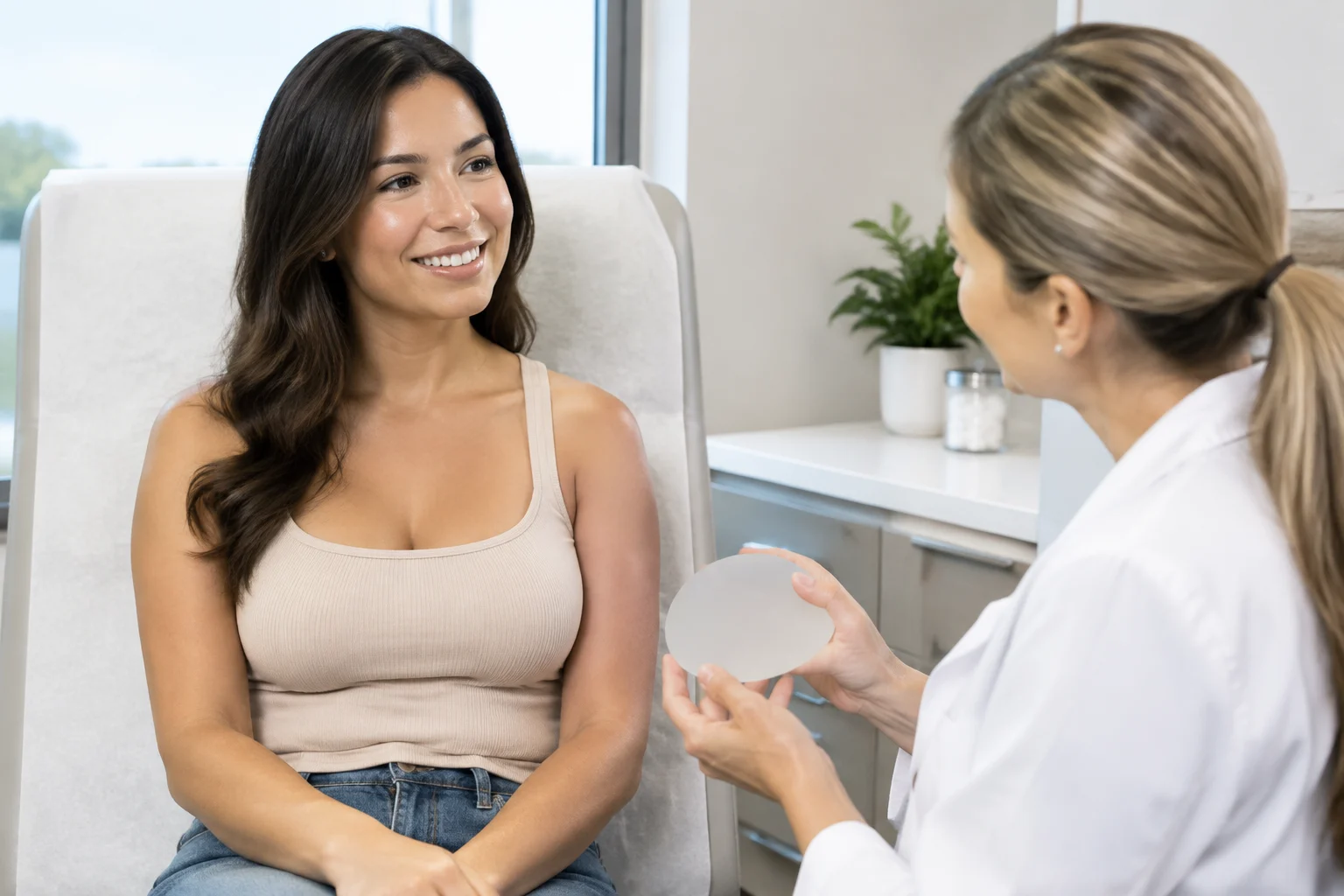
Breast augmentation is a surgical procedure intended to change breast size or shape. For Sunnyvale residents, researching options may involve comparing plastic surgery practices in Sunnyvale and nearby parts of the Dallas area. Since procedures are performed by individual surgeons and facilities, confirm directly where consultations, surgery, and follow-up visits take place before making plans.
Understand the available options
Breast augmentation most commonly uses implants, though fat transfer may be an option for some patients. During a consultation, a surgeon can explain what each approach can and cannot accomplish and help you consider proportions, existing breast tissue, skin, and personal goals.
- Saline implants: These have a silicone outer shell and are filled with sterile salt water. Ask about their feel, appearance, placement, and potential complications.
- Silicone gel implants: These contain silicone gel and are available in different sizes and shapes. Discuss implant selection, monitoring recommendations, and the possibility of future surgery.
- Fat transfer: This uses fat removed from another area of the body and may provide a more limited change in volume. It is not suitable for every patient, and some transferred fat may not remain.
Implant size alone does not determine the result. Your surgeon can discuss incision locations, implant placement, expected scars, and how your body and lifestyle may affect the plan. Ask to review realistic examples of results from patients with a similar starting point, while remembering that individual outcomes vary.
Choose a surgeon and facility carefully
Convenient access matters, but qualifications and clear communication should guide your decision. Look for a surgeon certified by the American Board of Plastic Surgery and verify that the surgeon is licensed in Texas. Ask where the procedure would be performed, whether the facility is appropriately accredited, who provides anesthesia, and how urgent concerns are handled. You can also ask how often the surgeon performs breast augmentation and what follow-up care is included.
Use the consultation to discuss your health history, medications, nicotine use, allergies, and any plans for pregnancy or breastfeeding. Share what you hope to change and what result would feel natural to you. A responsible clinician should explain risks as well as benefits, answer questions without pressure, and allow time to consider the decision. Breast augmentation is elective, and choosing not to proceed is also a valid option.
Plan for recovery and ongoing care
Recovery varies according to the procedure and the individual. Before scheduling, ask how much help you may need at home, when you can return to work, driving, exercise, and lifting, and what symptoms should prompt a call to the care team. Arrange transportation after surgery and follow the surgeon’s instructions for medications, incision care, activity limits, and appointments.
All surgery carries risks, including infection, bleeding, changes in sensation, scarring, and complications related to anesthesia. Implants are not lifetime devices and may require monitoring, replacement, or another operation. Ask about implant-specific risks, recommended follow-up imaging or exams, and what to do if your breasts change. The U.S. Food and Drug Administration provides patient information and labeling for breast implants; review this material with your surgeon so you can make an informed choice.
Make access practical from Sunnyvale
When comparing providers near Sunnyvale, consider the full care journey rather than only the initial appointment. Confirm travel time for consultations and follow-ups, whether virtual visits are offered for appropriate discussions, and how the practice handles after-hours questions. Request a written estimate that clarifies surgeon, facility, anesthesia, and follow-up fees, as well as what may not be included. Cosmetic surgery is often not covered by health insurance, but coverage depends on the plan and circumstances, so check directly with your insurer if you have questions.
A thoughtful decision begins with reliable information and a surgeon who listens. Comparing qualified options in Sunnyvale and the surrounding Dallas area can help you find care that aligns with your goals, schedule, and comfort level—without rushing into surgery.
Breast Augmentation Care for Sunnyvale Residents
Sunnyvale is a residential community in Dallas County, and residents considering breast augmentation may look both locally and across the wider Dallas area when researching plastic surgery care. The right provider depends on individual needs, so it is useful to confirm where consultations and procedures are offered, how follow-up is arranged, and how travel fits into recovery. Do not assume a particular practice or service is available nearby; contact providers directly to verify current services and locations.
For many people, choosing care close enough for convenient appointments can make it easier to attend consultations and post-operative visits. At the same time, a short drive should not outweigh a surgeon’s qualifications, communication, facility standards, or experience with the procedure. Sunnyvale residents can compare providers by asking the same questions about implant and fat-transfer options, safety, costs, recovery expectations, and ongoing care. Planning transportation and support at home in advance can also make the process more manageable. The goal is to make an informed, pressure-free choice based on personal health and preferences.
Frequently Asked Questions About Breast Augmentation in Sunnyvale, Texas
Who may be a good candidate for breast augmentation in Sunnyvale?
Breast augmentation may be an option for adults who want to change breast volume or shape and are in suitable overall health. Candidacy depends on factors such as your goals, breast tissue, skin elasticity, medical history, and whether you smoke or take medicines that affect healing. A consultation can help determine whether surgery is appropriate and what results are realistic for your body. Be prepared to discuss health conditions, prior breast procedures, and future pregnancy plans.
What is the difference between saline and silicone breast implants?
Saline implants have a silicone outer shell and are filled with sterile salt water; silicone implants contain cohesive silicone gel. They can differ in feel, appearance, incision requirements, and how a rupture may be noticed. Neither option is right for everyone, and implant placement and your existing tissue also affect the result. Ask your surgeon to explain the benefits, limitations, monitoring recommendations, and possible complications of each type before deciding.
How do I choose an implant size that looks natural on my body?
The best size is a personal choice, not a standard cup-size conversion. Your frame, chest width, existing breast tissue, skin, and preferred proportions all affect how an implant may look and feel. During planning, describe the appearance you want and discuss activities, clothing, and comfort priorities. A surgeon may use measurements or sizing tools to guide the conversation, but these are estimates; ask to review realistic outcomes and limitations for your anatomy.
How much recovery time should I plan for after breast augmentation?
Recovery varies with the procedure, implant placement, and individual healing. Expect soreness, swelling, and activity restrictions at first, and follow your surgeon’s specific instructions for medication, wound care, sleep position, and follow-up visits. Ask when you may safely drive, return to work, exercise, and lift children or heavy objects; these milestones are not the same for everyone. Arrange help at home for the early recovery period and contact your care team about concerning symptoms.
What risks and complications should I understand before surgery?
Breast augmentation involves risks, as does any operation. Possible complications include bleeding, infection, changes in nipple or breast sensation, scarring, implant movement or rupture, and capsular contracture, when scar tissue tightens around an implant. Some people need additional surgery. Your individual risks depend on health and procedure details. Ask the surgeon to explain how complications are recognized and managed, what warning signs require prompt attention, and how your medical history affects the decision.
Can breast augmentation affect breastfeeding or nipple sensation?
It may, although effects vary. Some people breastfeed after augmentation, while others have difficulty producing enough milk; surgery can also change nipple or breast sensation temporarily or, less commonly, longer term. Incision location and implant placement may influence these possibilities, but no approach eliminates risk. If you hope to breastfeed or have concerns about sensation, mention this before surgery so your surgeon can discuss how your priorities may inform the plan.
How is the cost of breast augmentation determined, and does insurance cover it?
The total cost depends on the surgical plan and may include the surgeon, facility, anesthesia, implants, and follow-up care. Request an itemized estimate and ask which services or possible later procedures are excluded. Cosmetic breast augmentation is generally not covered by health insurance, but coverage rules and individual circumstances vary; confirm details directly with your insurer. If surgery is related to reconstruction or another medical need, ask the insurer and care team about applicable coverage.
Do breast implants need to be replaced after a certain number of years?
Breast implants are not lifetime devices, but there is no single replacement date that applies to everyone. If you have no symptoms or concerns, your clinician can advise what routine follow-up is appropriate for your implant type and health history. Silicone implants may require imaging to check for silent rupture; ask about current recommendations. Replacement or removal may be considered for a complication, a change in preference, or another medical reason, and can involve additional surgery.