
Choosing Plastic Surgeon Options Near Dallas
Finding a plastic surgeon in Dallas starts with understanding your goals and identifying a qualified professional whose experience matches the procedure you are considering. Residents can compare surgeons across Dallas and the surrounding area, review credentials, and arrange consultations before making a decision. Whether you are exploring reconstructive care or an elective procedure, a careful process can help you ask informed questions and understand what treatment may involve.
Consider the full experience, not just a procedure name or advertised price. Look for clear communication, appropriate board certification, relevant surgical experience, and a practice that explains risks, recovery, follow-up, and costs. Dallas offers access to a broad range of medical providers, but options differ in training, services, and care settings. Taking time to compare them can help you find a surgeon and team that fit your needs, schedule, and comfort level.
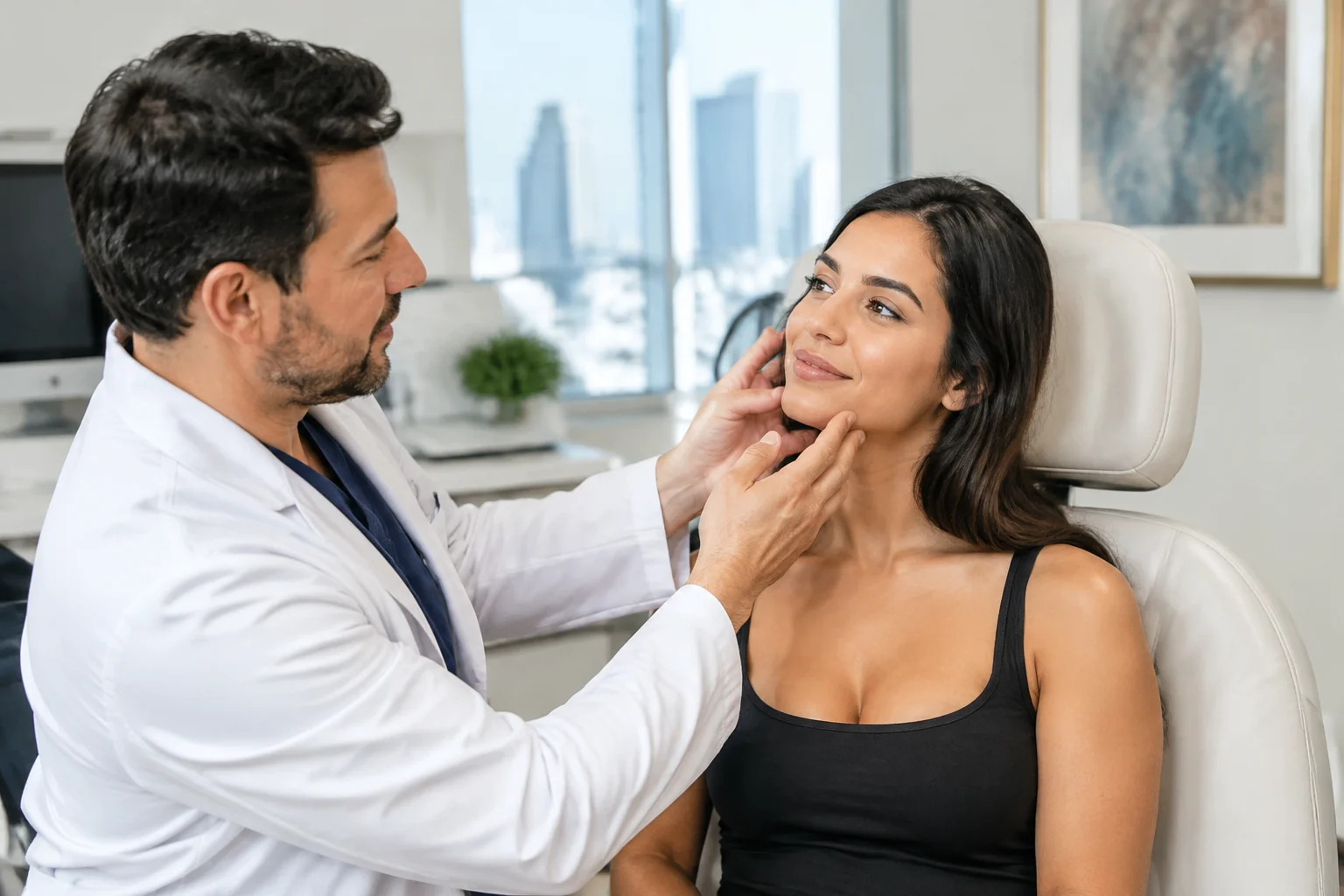
How to find plastic surgery options in Dallas
Begin by defining what you want to address and whether you are seeking reconstructive or cosmetic care. A primary care clinician or another trusted health professional may be able to discuss your concern and, when appropriate, suggest questions to take to a specialist. You can also use professional directories and practice websites to identify plastic surgeons who serve Dallas. Treat online listings as a starting point rather than a substitute for confirming credentials and speaking directly with a practice.
Check whether a surgeon is certified by the American Board of Plastic Surgery, and verify credentials through the relevant official sources. Ask how often the surgeon performs the procedure you are considering and where it would take place. For surgery, the facility should be appropriately accredited or licensed for the services provided. A qualified surgeon should be willing to explain their training, the care team, and the expected process without pressuring you to make a quick decision.
What to discuss during a consultation
A consultation is an opportunity to share your goals, health history, medications, and concerns. The surgeon should assess whether a procedure is suitable for you, discuss alternatives, and explain that individual outcomes vary. Bring a list of questions and make sure you understand the answers before moving forward. If a recommendation is unclear, it is reasonable to ask for more explanation or seek another qualified opinion.
- What experience do you have with this procedure, and who will provide each part of my care?
- What benefits, limitations, risks, and possible complications should I understand?
- What type of anesthesia and care setting would be used, and who administers anesthesia?
- What should I expect before surgery, during recovery, and at follow-up visits?
- What is included in the written estimate, and what costs could be separate?
Be cautious of guarantees, pressure to book immediately, or pricing that is difficult to explain. A trustworthy practice will welcome questions and provide time to consider the information. Before scheduling, ask for written details about the recommended plan, fees, cancellation policies, and instructions for contacting the care team after treatment.
Plan for recovery and follow-up
Accessing plastic surgery in Dallas involves more than reaching a consultation. Think through transportation, time away from work or caregiving, and help at home if your procedure requires it. Ask how many follow-up appointments may be needed and whether they take place in person. If you live outside central Dallas or travel in from another part of the metro area, include travel time and the surgeon's follow-up expectations in your planning. Do not assume that a virtual appointment can replace an examination when the surgeon needs to assess you in person.
Recovery varies by procedure and by person. Follow the instructions provided by your surgical team, and ask whom to contact if you have a concern. Before treatment, understand what symptoms require prompt medical attention and where to seek care after hours. If you have ongoing health conditions or take prescription medicines, discuss these with the surgeon and your usual clinician as appropriate. Do not stop or change medication without guidance from a qualified professional.
Understand costs and coverage
Coverage depends on the reason for treatment and the details of your health plan. Some reconstructive services may be treated differently from elective cosmetic procedures, but coverage is not guaranteed. Contact your insurer to ask about benefits, referrals, prior authorization, and in-network requirements. Request an itemized estimate from the practice and ask whether surgeon, facility, anesthesia, tests, garments, and follow-up costs are included. If you are considering payment plans, review the terms carefully and avoid making a decision based only on a promotional offer.
Comparing plastic surgeons in Dallas on qualifications, communication, safety practices, and follow-up can help you make a more informed choice. The right next step may be a consultation, a conversation with your current clinician, or more research; there is no need to proceed until your questions have been answered and you feel comfortable with the plan.
Plastic Surgery Care for Dallas Residents
Dallas residents can explore plastic surgery care across a large city and its surrounding communities, with options that may differ in specialty, procedure experience, facility, and appointment availability. That range can make it useful to compare more than one qualified surgeon. People coming from neighborhoods across Dallas or nearby parts of the metro area may want to consider travel time, parking or transit plans, and how easily they can return for follow-up visits. For a procedure that requires help during recovery, practical support at home is also part of choosing a care plan.
The needs of local patients vary: some are seeking reconstructive treatment, while others are considering an elective change. A consultation can clarify whether a particular procedure is appropriate and what alternatives may be available. Residents should verify credentials, ask about the surgeon's experience with the procedure, and confirm the qualifications of the facility and care team. Because costs and insurance coverage depend on individual circumstances, asking for written estimates and checking directly with an insurer can prevent surprises.
Dallas's broad healthcare environment gives residents a reason to be thoughtful rather than hurried when selecting a provider. Compare communication, safety information, recovery guidance, and access to follow-up—not just convenience or price. A well-planned choice should fit your health needs and personal goals, while leaving room to ask questions and seek another opinion before deciding.
Frequently Asked Questions About Plastic Surgeon in Dallas, Texas
How do I choose a plastic surgeon in Dallas?
Start by identifying surgeons whose training and experience match the procedure you are considering. Verify board certification through the relevant certifying organization, review before-and-after photos for cases similar to yours, and ask where procedures are performed and who provides anesthesia. During a consultation, discuss risks, alternatives, recovery, and what follow-up care involves. You should feel comfortable asking questions and receiving clear, individualized answers rather than pressure to make a quick decision.
What should I expect during a plastic surgery consultation?
A consultation generally includes a discussion of your goals, medical history, medications, prior procedures, and relevant health factors. The surgeon may examine the area and explain which options could fit your needs, along with limitations, risks, and expected recovery. Bring a list of questions and be candid about your expectations. You can also ask who will perform each part of treatment, what follow-up is planned, and whether additional appointments are needed before deciding.
How can I tell whether cosmetic surgery or a nonsurgical treatment is right for me?
The best option depends on the concern you want to address, your health, and how much change you are seeking. A plastic surgeon can explain whether surgery, a nonsurgical treatment, or no procedure is appropriate, and compare likely benefits, limitations, risks, and recovery. Ask how long results may last and whether maintenance or future treatment could be involved. A responsible recommendation should reflect your individual circumstances, not assume that one approach works for everyone.
How long is recovery after plastic surgery?
Recovery varies substantially by procedure, the extent of treatment, and your personal health. Some people need help with daily activities at first, while others may return to routine tasks sooner; strenuous exercise and other activities may require separate guidance. Before scheduling, ask for a written recovery plan covering wound care, medication, activity limits, follow-up visits, and warning signs. If you live or work in Dallas, plan travel and time away from responsibilities according to your surgeon’s instructions.
What questions should I ask about plastic surgery risks and safety?
Ask the surgeon to explain the most relevant risks for your procedure, how complications would be handled, and what signs should prompt urgent contact. Find out where surgery takes place, who manages anesthesia, and how you can reach the care team after the procedure. Share all medications, supplements, allergies, and health conditions, including nicotine use. No procedure is risk-free, so take time to understand the trade-offs and consider another opinion if important concerns remain unanswered.
How much does plastic surgery cost in Dallas?
The total cost depends on the procedure, the facility and anesthesia arrangements, and your individual treatment plan, so a reliable estimate requires a consultation. Ask for an itemized written quote and clarify what it includes, such as surgeon fees, facility charges, anesthesia, follow-up care, and any possible additional expenses. Also ask about payment terms and what happens if your plan changes. Avoid comparing quotes by the headline figure alone; the included services may differ.
Does health insurance cover plastic surgery?
Coverage depends on whether treatment is considered medically necessary under your plan, the specific procedure, and your insurer’s requirements. Cosmetic procedures are often handled differently from reconstructive care, but coverage cannot be determined from the procedure name alone. Ask your surgeon’s office what documentation may be available, then confirm benefits, prior-authorization rules, and potential out-of-pocket costs directly with your insurer before scheduling. Get any coverage decision in writing when possible, since approval and payment are not always the same.
When is it appropriate to consider reconstructive plastic surgery?
Reconstructive surgery may be discussed when a person wants to address an area affected by injury, disease, a congenital difference, or another prior treatment. The suitable approach depends on the underlying condition, overall health, goals, and available alternatives. A consultation can help clarify the purpose of treatment, expected stages, possible limitations, and whether other specialists should be involved. If you are considering care in Dallas, bring relevant records and ask how your existing medical team can coordinate with the surgeon.