
Common Questions About Hair Transplant Near Savannah
People in Savannah considering a hair transplant often want to know whether the procedure is suitable for them, where to arrange a consultation, and what recovery involves. Because a transplant is a medical procedure rather than a routine salon service, the first step is an evaluation with a qualified hair-restoration clinician. That assessment can help identify the cause and pattern of hair loss, review health factors, and explain whether surgery or another option makes sense.
Savannah residents may need to look beyond town when comparing providers, so planning for consultation, treatment, and follow-up is part of choosing care. Ask whether the clinician performs the procedure, what travel may be needed, and how post-operative questions are handled once you are home. A careful, unhurried consultation can help you understand realistic outcomes, costs, risks, and alternatives before making a decision.
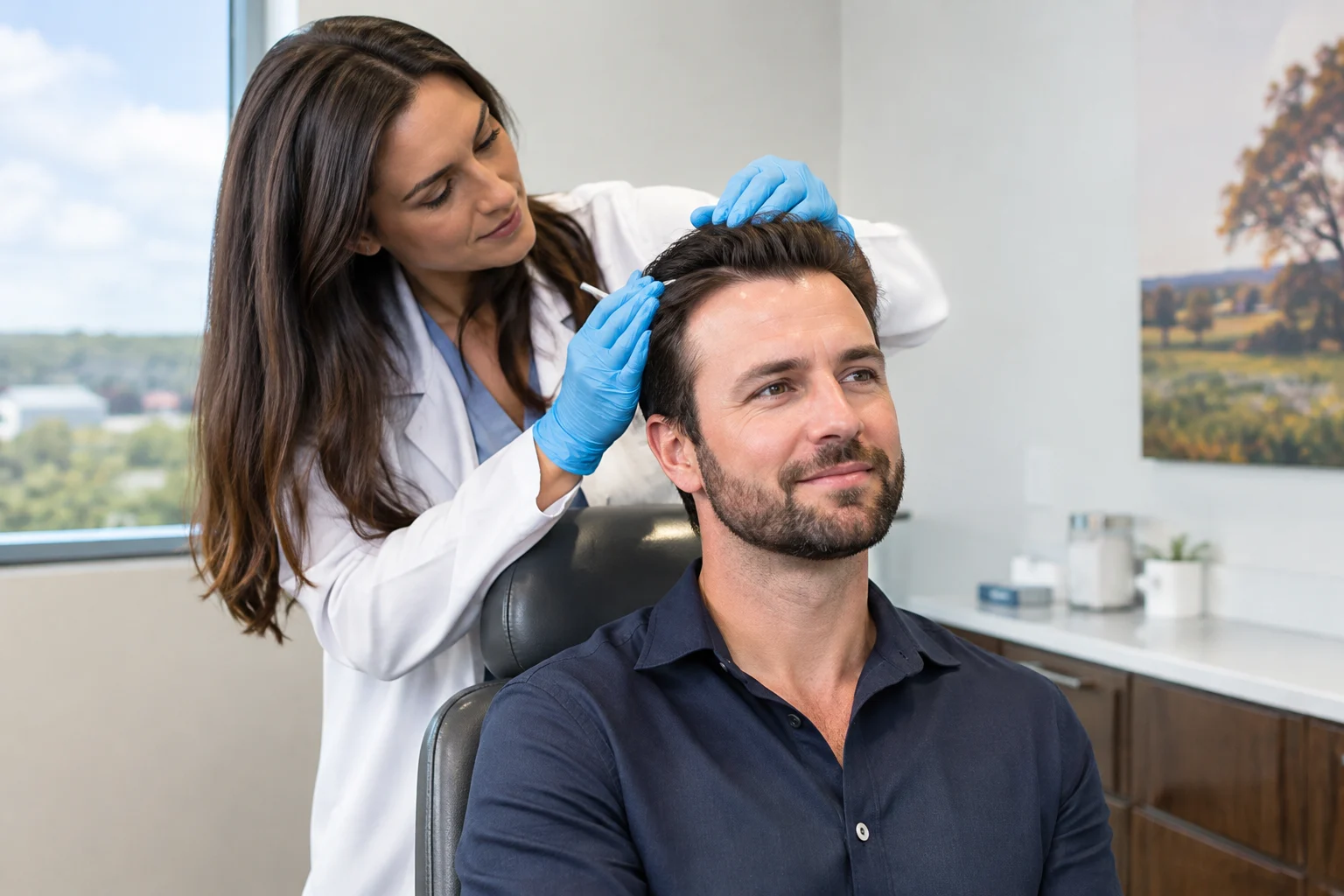
How can Savannah residents find hair transplant care?
Start by searching for hair-restoration practices that serve the Savannah and wider North Texas area. Availability of a surgical hair transplant within Savannah itself should be confirmed directly; do not assume that a nearby listing offers the procedure or that every consultation is followed by surgery at the same location. Some people compare providers in surrounding communities and plan travel for an in-person assessment and treatment.
When you contact a practice, ask who evaluates patients, who performs each part of the procedure, where surgery takes place, and how follow-up is arranged. Hair transplantation involves clinical judgment and surgery, so check the provider’s credentials, experience, and approach to patient safety. A clear answer about the care team and location is more useful than a promotional promise.
Who may be a candidate?
Candidacy depends on the cause of hair loss, the stability and pattern of thinning, the amount and quality of donor hair, medical history, and personal goals. A clinician should examine the scalp and discuss expectations before recommending a transplant. Some forms of hair loss may need diagnosis or treatment before surgery is considered. Age alone does not determine suitability, and no procedure can guarantee a particular density or appearance.
During an evaluation, ask whether a transplant is appropriate now, whether non-surgical care could be considered, and how future hair loss might affect the result. A plan should account for the possibility that thinning can continue in untreated areas. Be cautious of anyone who guarantees results or recommends surgery without a meaningful assessment.
What happens during a consultation?
A consultation generally gives you time to discuss your concerns, medical history, goals, and treatment options. The clinician may examine the donor area and areas of hair loss, explain the proposed approach, and outline likely recovery and follow-up. Bring a list of medications and questions, and mention relevant health conditions or previous hair-loss treatments. Ask for written information about the proposed procedure and total expected charges.
- What technique is being recommended, and why does it fit my situation?
- Who performs the procedure, and what support is available during recovery?
- What risks, limitations, and possible additional treatments should I understand?
- How many visits are expected, and can any follow-up be handled remotely?
- What is included in the quoted price, and what could cost extra?
What are FUE and FUT?
Follicular unit extraction (FUE) and follicular unit transplantation (FUT) are commonly discussed surgical methods. With FUE, follicles are removed individually from a donor area; with FUT, a narrow strip of scalp is removed and divided into grafts. Each method has different considerations, including scarring, recovery, and suitability for an individual. The right choice depends on clinical factors and the clinician’s assessment, not simply on a technique’s name or advertising. Ask the provider to explain the trade-offs in terms you understand.
What should I expect from recovery and results?
Recovery instructions vary by procedure and patient. Before scheduling, ask how long to plan for rest, when you can return to work and usual activities, how to care for the scalp, and when to contact the clinic. Since Savannah residents may travel for care, arrange transportation and a practical plan for the first part of recovery if the provider recommends it. Confirm who to call if you have a concern after returning home.
Transplanted hair does not produce an instant finished result. Changes develop over time, and the visible outcome varies between individuals. Follow the clinic’s aftercare instructions and attend recommended reviews. Contact a medical professional promptly about symptoms that concern you rather than relying on general online advice.
How should I compare providers and costs?
Compare the quality and transparency of the consultation, the clinician’s relevant credentials, the proposed treatment plan, safety practices, follow-up access, and the full cost—not just a quoted price per graft. Ask whether the estimate includes consultation, procedure, supplies, and aftercare, and whether future visits or additional treatment are separate. Financing terms, if offered, should be reviewed carefully. Take time to consider alternatives and seek another qualified opinion if you feel pressured to decide quickly.
For residents of Savannah, the most convenient option is not necessarily the best fit. A little advance planning around travel and follow-up can make it easier to choose care based on a sound evaluation, clear communication, and realistic expectations.
Hair Restoration Options for Savannah Residents
Savannah is a North Texas community, and residents exploring hair restoration may compare care in town with options in surrounding communities. Because surgical hair transplants require an appropriate clinical setting and an individualized evaluation, confirm where consultations and procedures take place rather than relying on a listing’s general service area. Ask about travel expectations before booking, including whether more than one in-person visit may be needed.
Planning matters when care is outside your immediate neighborhood. Consider how you will reach the clinic, arrange transportation if advised, and contact the care team during recovery after you return home. A provider should explain how follow-up works and what to do if questions or concerns come up. These details can help make a regional care option more manageable for people balancing work, family, and other commitments.
The best choice for a Savannah resident is one that fits their health needs and goals—not simply the closest advertised service. Compare qualified clinicians, ask for a thorough assessment, and review the risks, alternatives, likely costs, and realistic outcomes before committing. Taking time to evaluate those factors can support a more informed decision about whether a hair transplant is right for you.
Frequently Asked Questions About Hair Transplant in Savannah, Texas
How can I tell whether I’m a good candidate for a hair transplant?
Candidacy depends on the cause and pattern of hair loss, the amount and quality of donor hair, scalp health, and your expectations. A qualified clinician should review your medical history and examine both thinning areas and potential donor sites before recommending treatment. Hair loss that is still changing may call for monitoring or medical management first. During a consultation for a hair transplant in Savannah, ask what outcome is realistic for your particular pattern and whether other options should be considered.
What is the difference between FUE and FUT hair transplant procedures?
FUE and FUT are two ways to collect hair follicles from a donor area, usually at the back or sides of the scalp. With FUE, individual follicular units are removed; with FUT, a narrow strip is removed and divided into grafts. They differ in scarring, recovery considerations, and how donor hair is used. Neither method is right for everyone. A clinician can explain which approach fits your scalp, hairstyle preferences, donor supply, and treatment goals.
How much does a hair transplant cost in Savannah, Texas?
Hair transplant pricing varies with the number of grafts recommended, the procedure method, the clinician’s plan, and what is included in care. A price cannot be estimated reliably without an assessment, and a larger graft count is not automatically the best choice. Ask for an itemized written estimate that explains consultation, procedure, follow-up, and any optional treatments. Also clarify payment terms and whether future hair-loss treatment could add to your overall costs.
When will I see results after a hair transplant?
Results develop gradually rather than appearing immediately. Transplanted hairs commonly shed during the early healing period, and visible growth takes time as follicles move through their growth cycle. The timing and fullness of results differ by person and depend on factors such as donor hair, graft placement, and ongoing hair loss. Your clinician should provide a realistic follow-up schedule and explain when to assess progress. Avoid judging the final outcome too early or comparing your timeline with someone else’s.
What should I plan for during recovery after a hair transplant?
Recovery instructions depend on the technique used and your clinician’s protocol. You may need to protect the treated scalp, follow specific washing directions, and temporarily adjust exercise or other activities. Before scheduling, ask how long you should plan to take it easy, when you can resume work and regular routines, and what symptoms warrant a call to the care team. If you are traveling to or from an appointment in the Savannah area, plan transportation and follow-up around those instructions.
Can women have hair transplant surgery for thinning hair?
Some women may be candidates, but the cause and distribution of hair loss need careful evaluation. Diffuse thinning, hormonal or medical factors, and limited donor supply can affect whether transplant surgery is appropriate. A clinician may recommend diagnostic evaluation or nonsurgical treatment before considering a procedure. In a consultation, discuss your health history, pattern of loss, and goals, and ask what degree of improvement is realistic. Surgery is not a solution for every type of hair loss.
How do clinicians create a natural-looking hairline with transplanted hair?
A natural-looking plan considers your facial proportions, age, existing hairline, direction of growth, and the supply of donor follicles. The design should also account for possible future hair loss, rather than placing a low or dense hairline that may not remain balanced. Ask to review the proposed design before treatment and discuss how grafts will be distributed. The goal is an appropriate, age-conscious result, not simply the greatest possible density in one area.
What should I do before a hair transplant consultation or procedure?
For a consultation, bring a list of medications and supplements, relevant medical history, and questions about your goals and concerns. Do not stop prescribed medicines or begin hair-loss products without guidance from your clinician. If you proceed, follow the care team’s specific instructions about medications, smoking, alcohol, meals, and scalp preparation; these recommendations may vary with your health and procedure. Ask whom to contact if you develop an illness or need to change your appointment.