
Considering Hair Transplant in Sachse, Texas?
Hair loss can affect confidence and daily routines, but deciding whether a hair transplant is right for you starts with understanding the cause of your hair loss and the options available. Sachse residents can begin by speaking with a qualified hair-restoration clinician, either through an initial virtual discussion when offered or an in-person consultation at a clinic serving the Dallas–Fort Worth area. A consultation should include a review of your health history, scalp, pattern of hair loss, goals, and likely future hair changes—not just a discussion of graft counts or appearance.
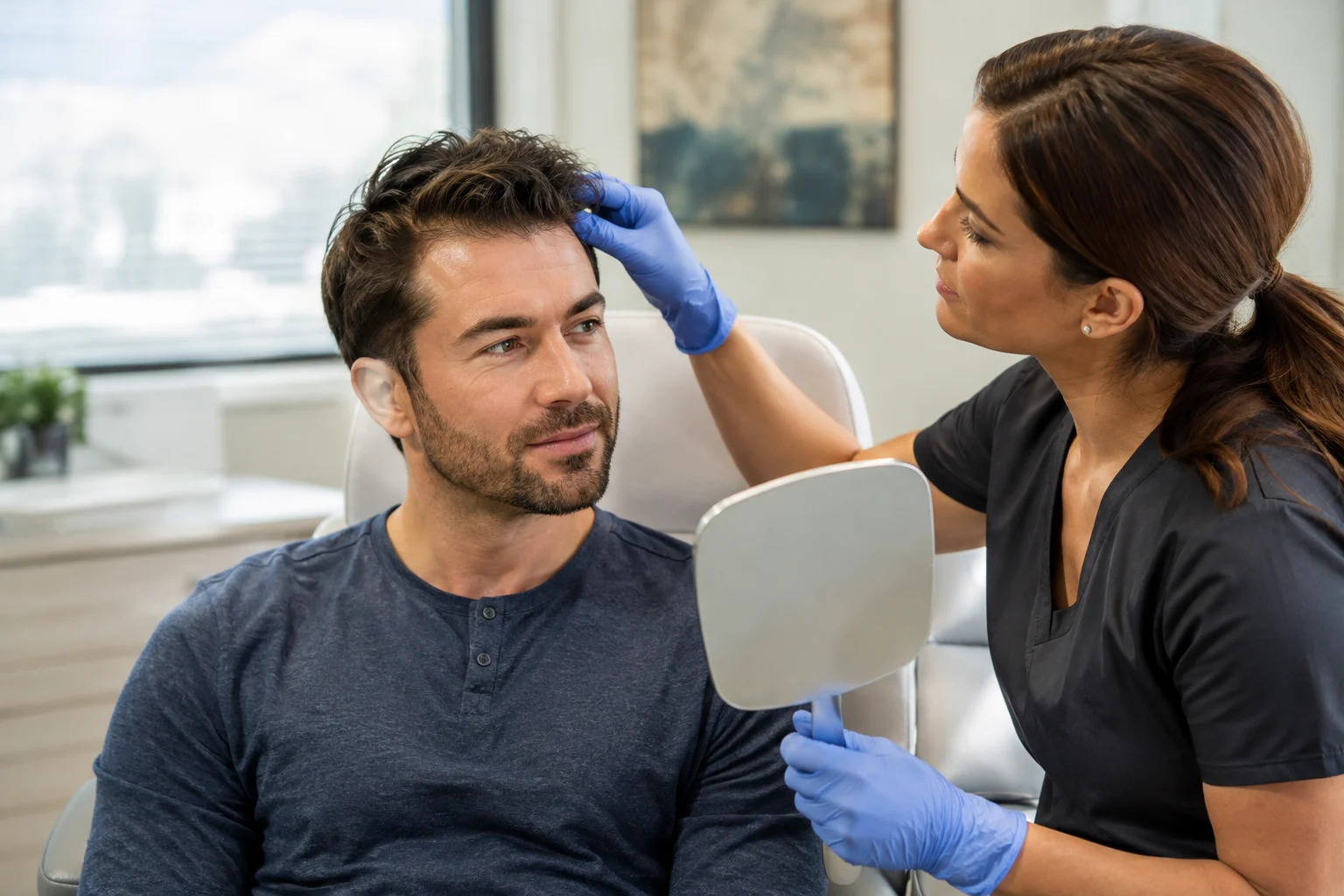
For people in Sachse considering a hair transplant, access often means comparing qualified providers across the wider Dallas-area region and planning for consultations, treatment, and follow-up. Hair transplantation is a medical procedure that moves hair follicles from a donor area, commonly the back or sides of the scalp, to areas affected by hair loss. It may help some people with suitable donor hair and stable expectations, but results vary and no clinic can guarantee a particular density or outcome.
Start with an assessment, not a procedure
Hair loss can have different causes, including hereditary pattern loss, medical conditions, medication effects, and temporary shedding. A careful assessment helps determine whether transplantation is appropriate or whether another evaluation or treatment should come first. Ask who will diagnose your condition, who will perform each part of the procedure, and whether the clinician has experience managing hair restoration and its potential complications.
During a consultation, discuss your medical history, medications, scalp health, family history, and goals. The provider should explain the limits of available donor hair and how ongoing hair loss could affect your appearance over time. If the pattern is still changing, a clinician may recommend monitoring or discussing nonsurgical approaches before surgery. A responsible recommendation should be tailored to your health and priorities rather than based on a one-size-fits-all package.
Understand the main transplant approaches
Clinics may discuss follicular unit extraction (FUE) or follicular unit transplantation (FUT). In FUE, follicles are removed individually; in FUT, a strip of scalp is removed and divided into follicular units. Each approach has different considerations for scarring, recovery, donor management, and hairstyle preferences. The right choice depends on clinical factors and your preferences, so ask the provider to explain why a method is being recommended for you.
- Ask how the donor area will be assessed and protected for possible future needs.
- Request a clear explanation of the proposed treatment area, estimated graft range, and what those estimates mean.
- Discuss anesthesia, expected discomfort, recovery instructions, and when you can return to work or usual activities.
- Ask about risks, including infection, bleeding, scarring, poor growth, or an appearance that does not meet expectations.
Plan for visits and recovery from Sachse
When comparing clinics, consider the full travel and follow-up plan, not just the procedure date. Confirm where consultations and surgery take place, how many in-person visits may be needed, how urgent concerns are handled, and whom to contact after treatment. A virtual consultation can be a convenient first step if offered, but it may not replace an in-person examination or the clinic’s required preoperative assessment.
Before booking, request written information about the treatment plan, total fees, what is included, cancellation terms, and any possible additional costs. Ask how the clinic handles follow-up if you live outside its immediate area. Arrange transportation if the provider advises against driving after the procedure, and make time for the recovery instructions provided by your care team. Healing and visible growth take time; transplanted hair commonly sheds initially, and the timeline and final result differ from person to person.
Choose a provider with clear standards
Look for a properly licensed medical professional with relevant hair-restoration experience, transparent credentials, and a clinic that welcomes questions. Verify credentials through appropriate official sources, and be cautious of pressure to pay quickly, guaranteed results, unusually low-cost offers without a clear explanation, or claims that every person is a candidate. Before-and-after images can help you discuss goals, but they do not predict your individual result.
For Sachse residents, comparing providers in the surrounding metro area can widen the choice of clinicians while keeping consultations and follow-up within a practical travel radius. Take notes, compare recommendations, and consider a second opinion when the proposed plan or expected result is unclear. The best next step is an informed evaluation—not a commitment to surgery.
Hair Restoration Planning in Sachse
Sachse residents have access to a range of healthcare services across the greater Dallas–Fort Worth area, which can make it practical to compare hair-restoration clinicians beyond the immediate community. Because a hair transplant requires medical assessment and may involve follow-up, consider travel time, appointment availability, and how you will reach the clinic on the procedure day. Some providers may offer an initial remote conversation, but confirm whether an in-person examination is required before treatment and where ongoing care will take place.
Local convenience matters, but the quality and clarity of care should guide your choice. Look for a clinician who explains the cause of your hair loss, discusses both surgical and nonsurgical possibilities where appropriate, and gives realistic information about recovery, risks, cost, and likely limitations. Sachse residents can use consultations to compare recommendations, ask how future hair loss may affect the plan, and decide whether the travel and follow-up schedule fits work and family routines. Taking time to evaluate options can help you make a more confident, well-informed decision.
Frequently Asked Questions About Hair Transplant in Sachse, Texas
How can I tell whether I’m a good candidate for a hair transplant?
Candidacy depends on more than how much hair you have lost. A qualified clinician typically reviews your pattern of hair loss, the density and condition of donor hair, scalp health, medical history, and expectations. Because hair loss can continue after a transplant, the plan should consider how your appearance may change over time. A consultation can clarify whether surgery is appropriate or whether another approach should be considered, including for people in Sachse.
What is the difference between FUE and FUT hair transplant methods?
FUE removes individual follicular units from the donor area, while FUT removes a narrow strip of scalp from which follicular units are prepared. Both methods aim to move hair follicles to areas with thinning or loss, but they differ in how donor tissue is collected and in the type of scarring that may result. The best fit depends on factors such as donor supply, hairstyle preferences, and clinical assessment. Ask the clinician to explain trade-offs for your case.
What happens during a hair transplant procedure?
A hair transplant generally involves planning the recipient area, collecting donor follicles, preparing grafts, and placing them into the scalp. The procedure is commonly performed with local anesthesia, though the exact process varies by provider and treatment plan. You should receive instructions about comfort, breaks, and what to expect before the appointment. Before proceeding, ask who performs each step, how graft placement is planned, and what follow-up care is included.
How much time should I set aside for recovery after surgery?
Recovery varies with the technique used, the size of the procedure, and individual healing. Your scalp may be tender, swollen, or scabbed for a period, and you may need to adjust exercise, work, or hair care temporarily. Follow the treating clinician’s instructions rather than relying on a generic schedule, especially for washing, sleeping, and activity. If you live in Sachse, plan transportation and time away from commitments based on the clinic’s specific guidance.
When will I see the results of a hair transplant?
Results develop gradually rather than appearing immediately. Transplanted hairs may shed during the early healing period, and visible growth can take several months; maturation may continue beyond the first year. The pace and final appearance vary by person, graft placement, hair characteristics, and ongoing hair loss. Your clinician should explain a realistic timeline for your treatment plan and how progress will be reviewed. Ask when to schedule follow-ups and what changes should prompt a call.
What determines the cost of a hair transplant?
The cost is usually influenced by the number of grafts recommended, the technique, procedure complexity, and what the quoted plan includes, such as consultations or follow-up care. A low graft estimate or headline price may not reflect your actual needs, so request a written, itemized explanation before deciding. Compare treatment plans and clinician qualifications, not just totals. Since no personal assessment has been provided here, a specific price for someone in Sachse cannot be estimated responsibly.
Can a hair transplant help women with hair thinning?
Some women may be candidates, but the cause and pattern of hair loss matter. Diffuse thinning, hormonal or medical conditions, and limited donor hair can affect whether transplant surgery is suitable. A clinician may recommend evaluation or treatment for underlying causes before discussing surgery. Bring relevant medical history and a list of medications to the consultation. The goal is to understand the source of thinning and whether a transplant could provide a reasonable, natural-looking improvement for your situation.
What should I ask at a hair transplant consultation?
Ask how the clinician determined your candidacy, which technique they recommend and why, how donor hair will be protected, and what outcome is realistic. Clarify who performs the procedure, what the full care plan covers, possible complications, recovery restrictions, and follow-up arrangements. Bring questions about continued hair loss and whether nonsurgical treatment is relevant. For Sachse residents comparing options, a clear explanation of benefits, limitations, and total costs can help you make an informed decision without rushing.