
Considering Plastic Surgeon in Highland Park, Texas?
Choosing a plastic surgeon is a personal decision that calls for careful research, clear communication, and a realistic understanding of treatment options. Highland Park residents can begin by identifying whether they are seeking cosmetic surgery, reconstructive care, or a consultation about a particular concern. They may compare qualified surgeons practicing in Highland Park and the wider Dallas area, then confirm that each provider offers the procedure or care they need.
A useful first step is to review a surgeon’s training, board certification, experience with the procedure, and the setting where surgery would take place. A consultation gives patients time to discuss goals, medical history, risks, recovery, and expected costs before deciding whether to proceed. Availability, insurance participation, and referral requirements vary by practice and plan, so contact the office and insurer directly. Planning for transportation, time away from work, and follow-up visits can also help make care more manageable.
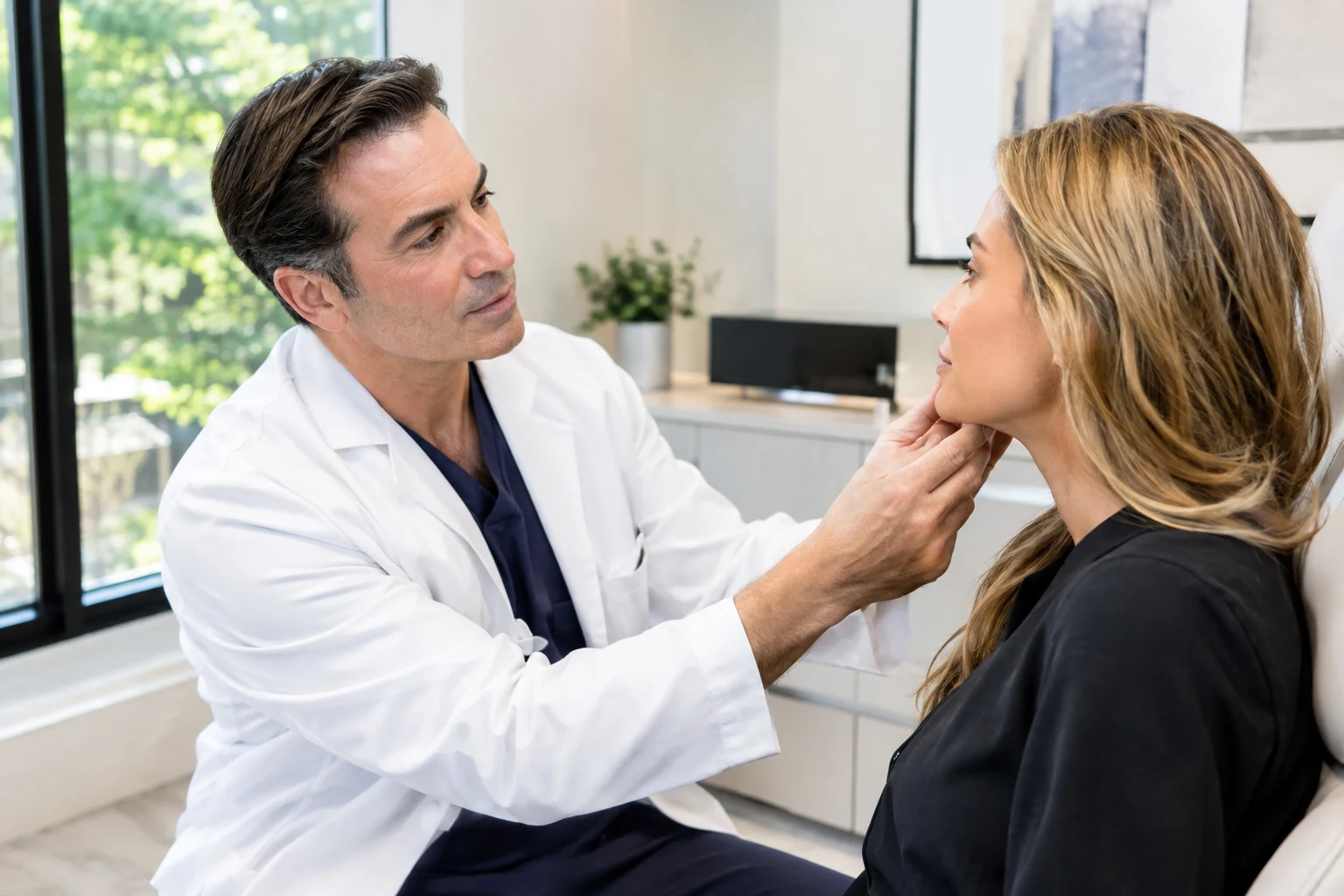
Finding plastic surgery care near Highland Park
Residents looking for a plastic surgeon in Highland Park can start with the type of care they need. Plastic surgery includes elective procedures intended to change appearance as well as reconstructive procedures that address changes caused by injury, illness, or other conditions. Not every surgeon performs every procedure, so ask about the specific service and the surgeon’s experience with it. If a primary care clinician or specialist is involved, they may help clarify the type of care to seek or provide a referral when needed.
Some patients begin their search within Highland Park, while others consider practices elsewhere in the Dallas area to compare expertise, availability, and care settings. The right choice depends on the procedure, the surgeon’s qualifications, the patient’s health and preferences, and the practical details of getting to appointments. Confirm the office location, parking or transit options, and whether consultations and follow-up visits are offered in person or through other arrangements. Do not assume that a practice’s location means it accepts a particular insurance plan or offers a specific procedure.
How to evaluate a plastic surgeon
Check credentials and ask questions directly rather than relying on advertising alone. In the United States, patients can verify whether a surgeon is certified by the American Board of Plastic Surgery and review the surgeon’s education, training, and professional standing. Ask how often the surgeon performs the procedure being considered and who will provide care before, during, and after surgery. The procedure’s location and the qualifications of the clinical team are also important parts of the discussion.
- Confirm board certification and relevant training.
- Ask whether the surgeon routinely performs the procedure and what results are realistic for your circumstances.
- Discuss risks, possible complications, alternatives, and what happens if additional care is needed.
- Ask where surgery would take place and how the facility and anesthesia services are organized.
- Request a written estimate that explains professional fees, facility costs, anesthesia, and follow-up charges.
Before-and-after photographs may help explain a surgeon’s approach, but individual results differ. Ask how photographs are selected and whether examples are relevant to your anatomy and goals. A trustworthy consultation should allow time for questions and should not pressure you to make an immediate decision.
Consultations, insurance, and costs
When contacting a practice, describe the kind of appointment you want and ask whether a referral, records, or preliminary forms are required. Bring a list of medications, relevant health information, and questions about recovery. If you are considering reconstructive surgery, ask the insurer and provider whether the care may be covered and what documentation or prior authorization is required. Coverage depends on the plan and the clinical circumstances. Cosmetic procedures are often paid for directly by the patient, but confirm all costs and payment terms with the practice rather than assuming what is included.
Patients can benefit from comparing more than the initial fee. Consider consultation availability, communication with the care team, follow-up arrangements, and how concerns are handled after a procedure. If you have a medical condition, take medication, or have had prior surgery, share that information openly so the surgeon can assess whether treatment is appropriate and whether additional coordination is needed.
Plan for recovery and follow-up
Recovery requirements vary by procedure and by person. Before scheduling, ask how much time to allow for healing, when normal activities may resume, and what help you may need at home. Some procedures require a responsible adult to take the patient home or remain available afterward. Arrange transportation in advance if sedation or anesthesia is planned, and follow the care team’s instructions about medications, activity, wound care, and follow-up visits.
For Highland Park residents, planning the journey to the practice and back can make appointments easier, particularly when several visits are expected. Confirm how to reach the clinical team with questions and what to do if an urgent concern arises. Plastic surgery is generally planned care, not a substitute for emergency treatment. Seek emergency services for an immediate, serious medical problem.
Make an informed local choice
Accessing plastic surgery in Highland Park begins with a clear goal, a qualified surgeon, and an open discussion of benefits, risks, alternatives, costs, and recovery. Compare providers based on relevant credentials and the quality of the consultation, not location alone. Taking time to verify details helps residents make a decision that fits their health needs and practical circumstances.
Plastic Surgery Options for Highland Park Residents
Highland Park is a residential community within the Dallas area, giving residents the option to consider care close to home as well as practices elsewhere in the surrounding region. For a plastic surgery consultation, proximity can be useful when appointments, preoperative assessments, or follow-up visits are needed. The best location is the one that provides appropriate expertise and a practical plan for the full course of care—not simply the nearest office. Confirm travel details and appointment arrangements directly with each practice.
Local needs differ. One person may be exploring a cosmetic procedure, while another may need reconstructive evaluation or guidance after a medical event. Starting with a clear description of the concern can help an office direct the inquiry to the appropriate clinician. Residents can also ask their existing healthcare professionals for guidance, while checking with their insurer about referrals, network status, and coverage when relevant. These requirements vary by plan and provider.
Because surgery involves more than the procedure itself, Highland Park patients should consider transportation, recovery support, time away from usual responsibilities, and access to follow-up care. A thorough consultation should address those logistics along with candidacy, alternatives, potential risks, and costs. Comparing qualified providers across the local area can help residents find care that aligns with their needs, schedule, and expectations.
Frequently Asked Questions About Plastic Surgeon in Highland Park, Texas
How can I choose a plastic surgeon in or near Highland Park?
Look for a surgeon with training and certification relevant to the procedure you are considering, and verify credentials through the appropriate certifying organization. Ask how often the surgeon performs that procedure, what results are realistic for your situation, and what risks or alternatives apply. Review representative before-and-after photos, but remember that results vary. A consultation should give you time to ask questions and make an informed decision without pressure.
What procedures can a plastic surgeon help with?
Plastic surgeons may provide cosmetic procedures involving the face, breasts, or body, as well as reconstructive care. The procedures available vary by practice, and not every surgeon performs every treatment. If you have a particular concern—such as changes after pregnancy, aging, injury, or weight loss—describe your goals during a consultation. The surgeon can explain whether a procedure may help, what alternatives exist, and whether further evaluation or another type of specialist is appropriate.
What should I expect at a plastic surgery consultation?
Expect to discuss your goals, medical history, medications, prior procedures, and any concerns about recovery or results. The surgeon should examine the relevant area when appropriate and explain suitable options, limitations, risks, and alternatives. Bring a list of questions and any relevant health information. You can also ask who will provide follow-up care and what happens if you have concerns after treatment. A consultation is a chance to decide whether the proposed plan feels right for you.
How do I know whether I am a good candidate for plastic surgery?
Candidacy depends on the procedure, your health, your anatomy, and your expectations; it cannot be determined reliably from a general description alone. Be prepared to discuss conditions, allergies, nicotine use, and all prescription medicines and supplements. Your surgeon can explain how these factors may affect safety or healing and whether additional evaluation is needed. Do not stop or change prescribed medication on your own; coordinate any changes with the clinician who prescribed it.
How much recovery time should I plan for after plastic surgery?
Recovery varies considerably by procedure and by individual, so ask the surgeon for a personalized timeline rather than relying on a general estimate. Discuss when you may resume work, exercise, driving, and routine activities, and whether you will need someone to help at home. Clarify follow-up appointments, activity restrictions, and which symptoms should prompt a call or urgent medical attention. If you live or work around Highland Park, plan transportation and time away from usual responsibilities before scheduling.
What should I ask about anesthesia and surgical safety?
Ask where the procedure will take place, what type of anesthesia is planned, and who will administer and monitor it. Find out how your health history will be reviewed, what preparation is required, and what arrangements are in place if a complication needs attention. You should also understand who to contact after surgery and how urgent concerns are handled. Share all medications, supplements, allergies, and prior anesthesia experiences so the care team can assess relevant risks.
Does health insurance cover plastic surgery?
Coverage depends on the reason for treatment, the specific procedure, and your insurance plan. Procedures sought primarily for appearance are often treated differently from surgery considered medically necessary, but the insurer makes coverage decisions under its own rules. Before scheduling, ask the surgeon’s office which documentation or procedure details may be needed, then contact your insurer to confirm benefits, authorization requirements, and potential out-of-pocket expenses. Request a written estimate and clarify what it includes; do not assume coverage is approved until confirmed.
How do I decide between a nonsurgical treatment and plastic surgery?
The right option depends on the concern you want to address, the degree of change you hope to achieve, your health, and your preferences about recovery and maintenance. Nonsurgical treatments may offer more limited or temporary changes, while surgery involves different risks and recovery needs; neither is suitable for everyone. Ask which options the practice provides, what each can realistically accomplish, how long results may last, and what costs and follow-up care to expect.