
Considering Plastic Surgeon in Sunnyvale, Texas?
Choosing a plastic surgeon is a personal decision that deserves time, clear information, and a thoughtful conversation about your goals. For Sunnyvale residents, the process may involve comparing providers in the local community with practices in nearby areas of the Dallas region. The right fit depends on the procedure or concern, the surgeon’s training and experience, where care is provided, and how well the consultation addresses your questions—not simply on proximity.
Plastic surgeons may provide reconstructive care, cosmetic procedures, or both. Start by clarifying what you hope to address, then look for a physician whose qualifications and practice are relevant to that need. Ask about expected benefits, limitations, risks, recovery, and follow-up before making a decision. This guide explains practical steps for finding and evaluating plastic surgery care from Sunnyvale, including what to check during a consultation and how to plan for treatment and recovery.
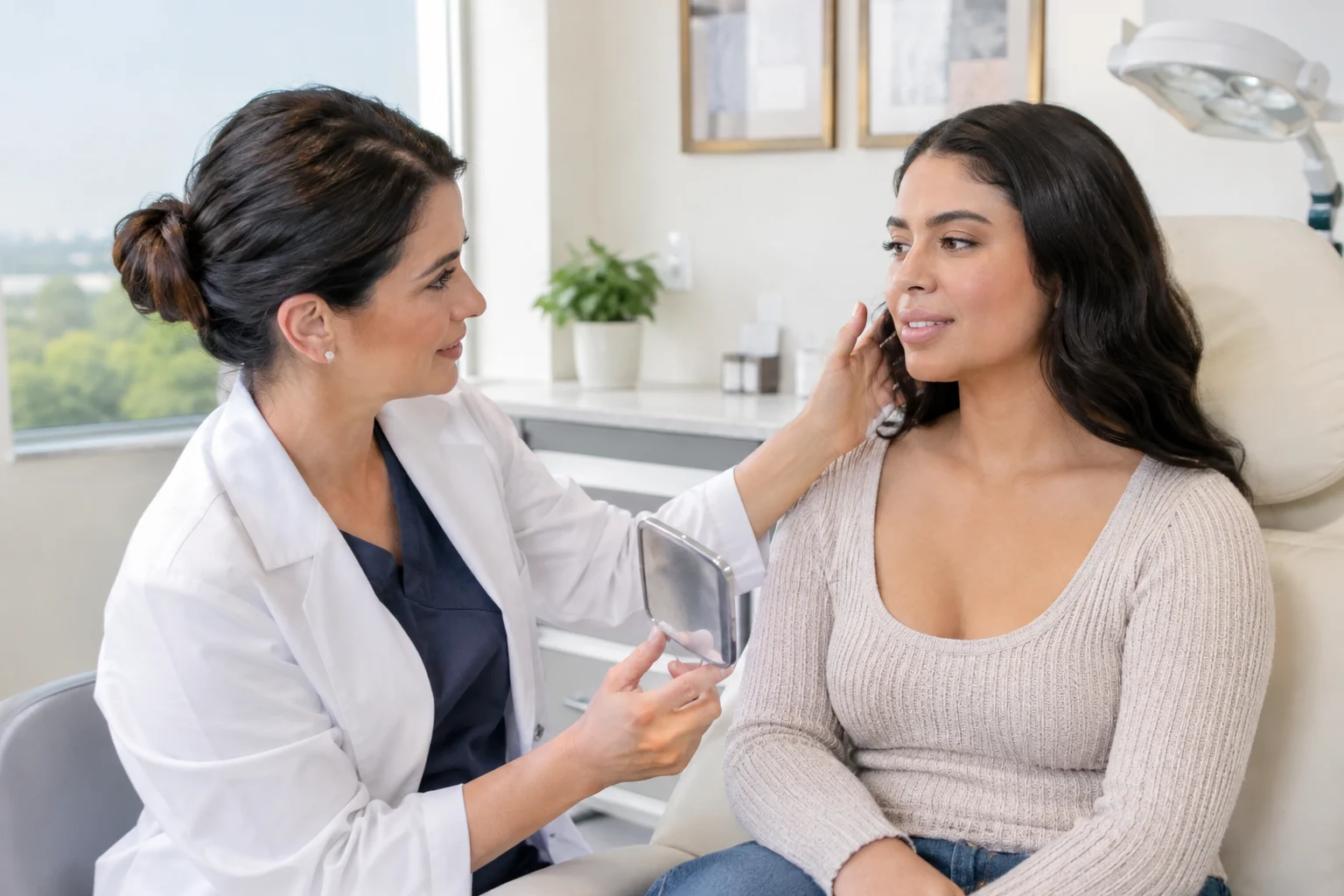
Finding plastic surgery care from Sunnyvale
When searching for a plastic surgeon in Sunnyvale, Texas, begin with the type of care you need. Plastic surgery includes reconstructive procedures that may restore form or function after injury, illness, or a prior operation, as well as elective cosmetic procedures intended to change appearance. Some surgeons focus on particular procedures or patient needs, so it is useful to identify your priorities before contacting practices.
Care options may include providers in Sunnyvale or in nearby communities and the wider Dallas area. The availability of a particular surgeon, procedure, or facility can change, so confirm current details directly with the practice. Consider travel time for the initial consultation, the procedure itself, and any follow-up visits. For some treatments, recovery also requires help at home or transportation, which can affect whether a more distant option is practical.
How to evaluate a plastic surgeon
Credentials and communication are central to choosing a surgeon. Verify that the physician is appropriately licensed and look into relevant board certification, training, and experience with the procedure you are considering. Board certification can help you understand a physician’s training, but it does not guarantee a particular result. Ask where the procedure would take place and whether the facility is properly accredited or licensed for the care being offered. A qualified surgeon should be willing to discuss these details plainly.
During a consultation, notice whether the surgeon listens to your goals, reviews your health history, and explains options without pressuring you. A careful evaluation should include realistic expectations and an honest discussion of possible complications. Depending on your situation, the surgeon may recommend a different approach, additional evaluation, or no procedure. It is reasonable to seek another qualified opinion if you remain uncertain.
- Ask how often the surgeon performs the specific procedure and what results may be realistic for you.
- Discuss risks, potential complications, alternatives, and what could require additional treatment.
- Confirm the expected recovery period, restrictions, follow-up schedule, and who to contact with concerns.
- Request a clear explanation of fees, what is included, and how insurance may apply. Cosmetic procedures are often not covered, while coverage for reconstructive care depends on the circumstances and plan.
- Ask who will provide anesthesia and what arrangements are in place for your safety.
Preparing for a consultation
Before an appointment, write down what you would like to change or what functional concern you hope to address. Bring a list of medications, supplements, allergies, prior procedures, and relevant medical conditions. Be candid about your health and expectations; this information helps the surgeon assess whether a procedure is appropriate and how to plan care. If you have questions about costs or insurance, ask the office what information it needs to provide an estimate or check benefits.
Use the consultation to compare options rather than feel obliged to book treatment. Ask for time to consider the information and clarify anything that is unclear. Photos or examples can help explain your goals, but they cannot guarantee that your outcome will match another person’s. A responsible discussion should account for your individual anatomy, health, and preferences.
Planning for treatment and recovery
If you decide to proceed, request written instructions about preparation, medications, transportation, recovery, and follow-up. Some procedures require a responsible adult to take you home or assist you afterward. Plan time away from work and routine responsibilities according to the surgeon’s guidance, and arrange support if needed. Sunnyvale residents should also consider the practical journey to and from appointments, especially if visits are frequent or mobility is limited during recovery.
Follow the care team’s instructions and contact the practice promptly if you experience symptoms that concern you. Before treatment, make sure you know how to reach the appropriate clinician after hours and when to seek urgent medical attention. A clear plan for follow-up is an important part of care, not an optional extra.
Make an informed choice
The best plastic surgery decision is one based on sound medical guidance, realistic expectations, and a provider you trust. Compare relevant qualifications, facility arrangements, communication, and the full plan for care. Whether you are exploring reconstructive treatment or a cosmetic procedure, taking time to ask questions can help you choose an option that fits your needs and your life in Sunnyvale.
Plastic Surgery Options for Sunnyvale Residents
Sunnyvale is a community in the Dallas area, and residents considering plastic surgery can explore care locally as well as in nearby communities. The most convenient option may depend on the procedure, the surgeon’s focus, appointment availability, and where treatment is performed. Because not every practice offers every service, contact providers directly to confirm that they evaluate your concern and to understand the steps involved before scheduling.
Local access is about more than finding a nearby appointment. Consultations, preoperative assessments, the procedure, and follow-up may occur at different locations or require multiple trips. Ask how often you will need to return, whether appointments can be coordinated, and what support is needed during recovery. If you are comparing options across the wider Dallas region, include travel and recovery logistics alongside credentials, communication, facility standards, and cost.
A plastic surgeon can help assess whether a requested procedure is suitable and explain alternatives, risks, and likely recovery needs. Sunnyvale residents can make the search more manageable by preparing questions, checking qualifications, and allowing time to compare recommendations. The goal is not simply to choose the closest provider, but to find appropriate, well-explained care that fits your medical needs and practical circumstances.
Frequently Asked Questions About Plastic Surgeon in Sunnyvale, Texas
What plastic surgery procedures should I ask about in Sunnyvale?
Plastic surgery may include facial procedures, breast surgery, body contouring, and reconstructive care, but each practice offers a different range. Start by identifying the concern you want to address, then ask a surgeon whether they perform the relevant procedure and what alternatives may fit your goals. A consultation can clarify likely benefits, limitations, risks, and recovery needs. Do not assume a procedure is available locally until you confirm it directly with the practice.
How can I evaluate a plastic surgeon before scheduling a consultation?
Look for training and certification specifically in plastic surgery, and independently verify credentials through the relevant certifying organization. Ask how often the surgeon performs the procedure you are considering, where surgery would take place, and what safety arrangements are in place. Review before-and-after images as examples, not promises of your own result. You should feel comfortable discussing risks and asking questions. In Sunnyvale or elsewhere, take time to compare options before deciding.
What happens during a plastic surgery consultation?
A consultation usually begins with a discussion of your goals, medical history, medications, and prior procedures. The surgeon may examine the area of concern, explain suitable options, and review expected results, risks, recovery, and alternatives, including not having surgery. Bring questions and a list of medicines or supplements. Ask who will provide follow-up care and whom to contact with concerns. You should leave with a clear understanding, not pressure to make an immediate decision.
How should I plan for recovery after plastic surgery?
Recovery depends on the procedure, your health, and how your body heals, so follow the surgeon’s individualized instructions rather than relying on a general timeline. Before surgery, ask about activity limits, wound care, pain management, follow-up visits, and warning signs that need prompt attention. Arrange help at home if your care team recommends it, and avoid scheduling work or travel until you understand the restrictions. Confirm how to reach the practice if questions arise after you return home.
How much does plastic surgery cost, and will insurance cover it?
The total cost can vary with the procedure, anesthesia, facility, and follow-up care, so request an itemized estimate for your specific treatment. Ask what is included and whether additional expenses could arise. Insurance generally depends on whether care is considered medically necessary or cosmetic and on your plan’s rules; coverage should be confirmed with both the insurer and provider before proceeding. For Sunnyvale patients, comparing written estimates can help clarify differences without choosing on price alone.
What is the difference between cosmetic and reconstructive plastic surgery?
Cosmetic surgery is generally intended to change appearance according to a person’s preferences. Reconstructive surgery is generally aimed at restoring form or function affected by injury, illness, congenital conditions, or prior treatment. The distinction can matter for treatment planning and insurance, but coverage decisions depend on the specific situation and policy. A consultation can help explain which category may apply, what documentation is needed, and whether nonsurgical or other treatment options should also be considered.
How do I know if I am a suitable candidate for plastic surgery?
Suitability depends on your health, goals, medical history, and the procedure—not simply on age or appearance. A surgeon should review conditions, medications, nicotine use, and previous operations, then discuss risks and whether your expectations are realistic. Some health factors may call for additional evaluation or a different plan. Be candid during the assessment and ask what you can do to prepare safely. The decision should be made with a qualified clinician after an individual evaluation.
What should I consider if I need follow-up care after surgery?
Before choosing where to have surgery, understand how follow-up appointments will work and who will be available if a concern develops. Ask how many visits are expected, whether they can be arranged around your schedule, and what to do if you are away from home. This is especially useful when comparing options around Sunnyvale or considering treatment farther away. Make sure you know which symptoms require urgent attention and have written postoperative instructions before leaving the care team.