
Discover Hair Transplant Near Blue Ridge, Texas
Hair loss can affect confidence and daily comfort, and finding a suitable treatment may require looking beyond your immediate neighborhood. Residents of Blue Ridge can explore hair transplant care by comparing qualified providers in North Texas, asking about virtual consultations, and planning travel for an in-person examination or procedure when needed. A careful search can help you understand which options fit your hair-loss pattern, health history, budget, and goals before you make a commitment.
A hair transplant moves hair follicles from a donor area, usually the back or sides of the scalp, to areas with thinning or loss. It is a medical procedure, not a quick cosmetic fix, and results develop gradually. A consultation should include an evaluation of the likely cause and progression of hair loss, realistic expectations, potential risks, and alternatives such as medication or non-surgical treatments. By preparing questions and reviewing a provider’s credentials, Blue Ridge residents can make informed decisions and arrange care that works with local travel and follow-up needs.
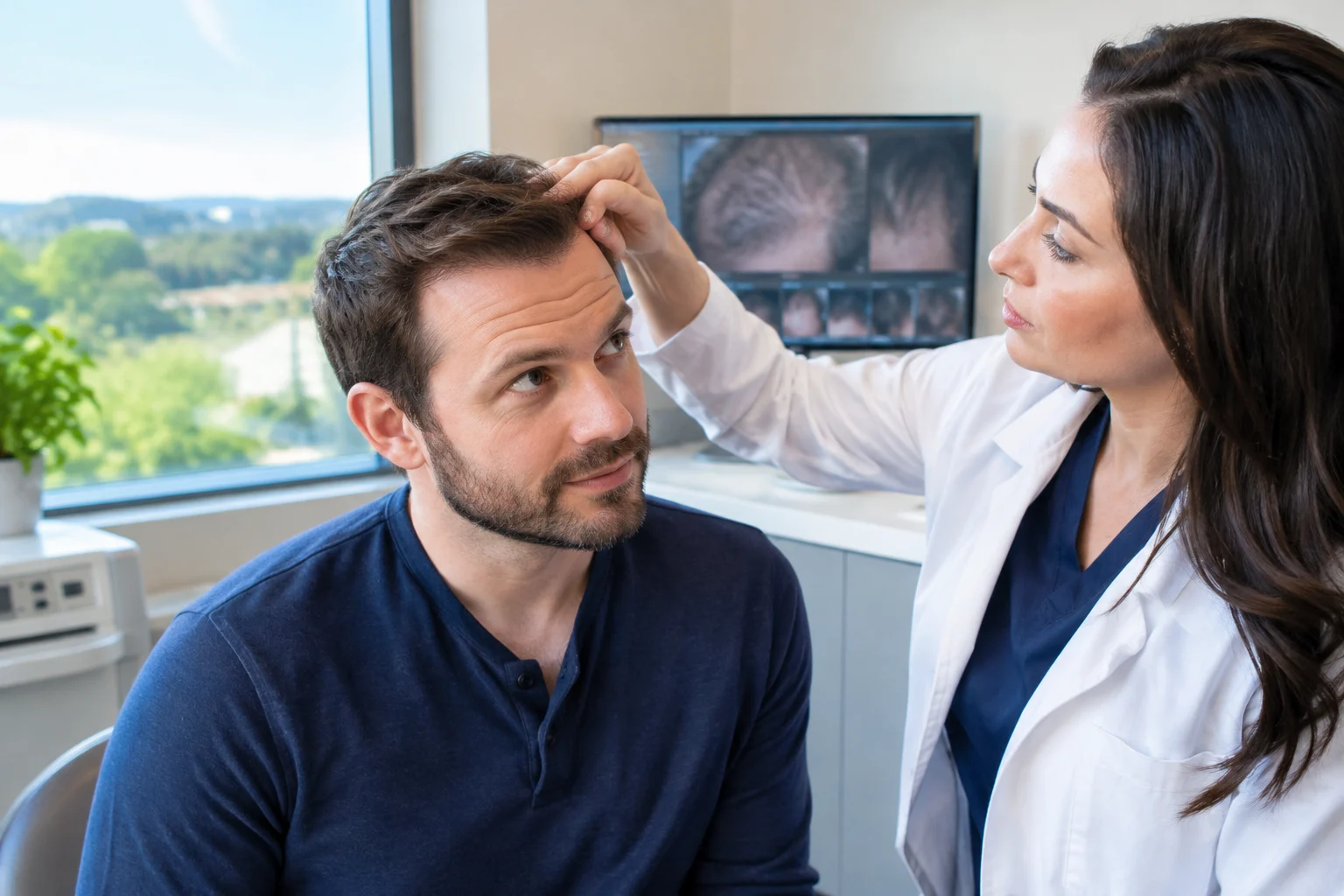
Finding hair transplant care from Blue Ridge
Blue Ridge residents may need to compare providers across a wider North Texas service area rather than expect a transplant clinic in town. Start by identifying practices that openly describe their surgical team, consultation process, techniques, fees, and follow-up care. Ask whether an initial discussion can take place by phone or video. A remote conversation may help you understand the practice and decide whether to arrange an in-person assessment, but it does not replace the clinical examination needed to determine candidacy.
Before scheduling, confirm where the procedure would take place, who would perform each part of it, and how to reach the care team after you return home. Travel planning matters because you may need an in-person consultation, procedure-day transportation, and follow-up appointments. Ask how many visits are typically recommended for your individual plan, whether follow-up can sometimes be handled remotely, and what to do if you have a concern after traveling back to Blue Ridge.
What happens during a consultation
A thorough assessment looks at the pattern and cause of hair loss, the condition of the donor area, your general health, medications, and expectations. Hair loss can have causes that are not best addressed by transplantation, so a responsible clinician should discuss evaluation and alternatives where appropriate. Your provider should explain whether your hair loss may continue and how that possibility could affect the appearance of a transplant over time.
Use the consultation to ask for a personalized plan rather than relying on a generic promise or a specific graft count offered without an examination. You can also ask about the clinician’s training and experience, who performs the procedure, what anesthesia is used, how the clinic manages complications, and what the quoted fee includes. In Texas, you can check a physician’s license through the Texas Medical Board and review any relevant specialty credentials. Clear answers and time to consider your options are important parts of informed consent.
Understanding common techniques and expectations
Two commonly discussed approaches are follicular unit extraction (FUE) and follicular unit transplantation (FUT). With FUE, follicles are removed individually from the donor area. With FUT, a narrow strip of scalp is removed and separated into follicular units. Each method has different considerations, including scar pattern, recovery, donor-area suitability, and the details of the planned procedure. The right approach depends on an individual evaluation; marketing language alone cannot establish which technique is appropriate.
Transplanted hair typically takes time to grow, and early shedding can occur as part of the process. The final appearance develops over months, with timing and results varying by person. Transplantation does not stop all future hair loss, and a provider may discuss ongoing medical treatment or other options to help manage native hair. Ask what outcome is realistic for your hair characteristics and whether more than one procedure could be considered in the future. No clinic should guarantee a particular result.
Planning treatment and recovery
Before choosing a date, review the written estimate, cancellation terms, pre-procedure instructions, and recovery guidance. Ask when you can resume work, exercise, wearing head coverings, or other normal activities. If you will drive from Blue Ridge, confirm whether you can travel home the same day and whether a companion is advised, especially if medication or the procedure could affect your ability to drive. Follow the clinic’s instructions rather than assuming recovery will be the same for everyone.
- Bring a list of medications, supplements, relevant health conditions, and questions to your consultation.
- Request a written treatment plan that explains the technique, expected follow-up, total costs, and possible additional expenses.
- Ask how the clinic handles urgent concerns and who to contact after returning home.
- Compare providers on clinical qualifications, communication, safety practices, and realistic counseling—not price or promotional images alone.
Hair transplant surgery is not suitable for everyone, and it carries risks such as infection, bleeding, scarring, changes in sensation, or an unsatisfactory cosmetic result. A qualified clinician should explain the risks that apply to you and give you time to decide. Taking a measured approach can help Blue Ridge residents balance convenience with careful medical decision-making and choose a treatment plan that fits both their needs and their expectations.
Hair Restoration Planning in Blue Ridge
Blue Ridge offers a quieter, small-town setting in North Texas, where residents may rely on nearby communities for specialized appointments and services. That makes advance planning useful when exploring hair transplant care. Rather than choosing a clinic solely because it appears close or advertises a low price, compare qualified providers across the wider region and confirm the location of consultations, procedures, and follow-up visits. Ask whether virtual conversations are available for initial questions, while recognizing that a proper candidacy assessment may require an in-person examination.
For people balancing work, family responsibilities, and travel, a clear treatment timeline can make the process easier to manage. Before booking, find out how many visits your care plan may involve, whether a companion should accompany you, what recovery could mean for your daily routine, and how the clinic supports patients who live outside its immediate area. Hair transplantation may provide a lasting option for some people, but suitability and results vary. A consultation with a qualified medical professional can help you compare surgery with non-surgical approaches and decide whether treatment is appropriate for your goals.
Frequently Asked Questions About Hair Transplant in Blue Ridge, Texas
How can I tell whether I’m a good candidate for a hair transplant?
Candidacy depends on the cause and pattern of hair loss, the amount and quality of donor hair, your health, and your expectations. A qualified clinician should assess your scalp and medical history before recommending surgery. Some people may benefit more from treating an underlying condition or trying nonsurgical options first. Hair loss can continue after a transplant, so a consultation should also cover how a plan may address future changes.
What is the difference between FUE and FUT hair transplant methods?
Both methods move hair follicles from a donor area, usually the back or sides of the scalp, to areas with thinning or loss. With FUE, follicles are removed individually; FUT removes a narrow strip of scalp that is then divided into grafts. They differ in the resulting scars, recovery considerations, and suitability for different patients. A clinician can explain which approach, if either, fits your hair pattern and goals.
What should I expect during a hair transplant consultation?
A consultation typically involves discussing your hair-loss history, health, medications, goals, and expectations. The clinician may examine your scalp and donor area and explain possible approaches, limitations, risks, and recovery. You can ask who performs each part of the procedure, what follow-up care involves, and whether nonsurgical options are appropriate. Bring a list of medications and questions. A consultation should give you time to make an informed decision without pressure.
How long does it take to see results after a hair transplant?
Results develop gradually rather than appearing immediately. Transplanted hairs commonly shed in the early period after surgery, while the follicles remain in place; new growth then emerges over the following months. The timing and degree of visible change vary by person, technique, and healing. Your clinician should outline a realistic timeline for your case and explain when progress can be assessed. Follow-up visits help monitor healing and discuss any concerns.
How much time should I take off work after a hair transplant?
Time away from work depends on the procedure, your healing, the visibility of redness or scabbing, and the demands of your job. Desk work may be manageable sooner than work involving strenuous activity, heat, dust, or protective headwear, but your care team should give individualized guidance. Ask when you can resume exercise, wash your hair, and wear hats safely. Follow post-procedure instructions rather than relying on a fixed recovery timetable.
What affects the cost of a hair transplant?
The total cost can depend on the number of grafts recommended, the technique used, the complexity of the treatment area, and what care or follow-up is included. A personalized assessment is needed before comparing estimates, since a lower quoted amount may not include the same services. Ask for a written breakdown, clarify possible additional charges, and confirm what happens if the plan changes. Avoid choosing based on price alone; suitability and safe care matter.
Will a hair transplant prevent my hair from thinning further?
A transplant redistributes follicles but does not necessarily stop the underlying process causing hair loss. Existing, non-transplanted hair may continue to thin, which can change the overall appearance over time. A clinician can discuss whether medical treatment or monitoring may help preserve your hair and whether future procedures might be considered. The right plan depends on your diagnosis, health, and preferences, so ask about long-term maintenance before deciding on surgery.
If I live in Blue Ridge, what should I ask when arranging a hair transplant consultation?
Before scheduling, ask how the consultation is conducted, what records or photos to bring, and whether an in-person scalp examination is needed. If travel is involved, ask how many visits are generally expected and how follow-up is handled; do not assume these arrangements are the same for every provider. Also clarify who will perform the procedure, what recovery instructions are provided, and whom to contact with concerns after treatment.