
Discover Plastic Surgeon Near Frisco, Texas
Choosing a plastic surgeon is a personal decision that calls for careful research, clear communication, and a realistic understanding of your options. Frisco residents can begin by looking for qualified surgeons who serve the area, then arrange consultations to discuss goals, health history, procedure choices, recovery, and potential risks. A consultation is an opportunity to ask questions and learn whether a surgeon’s approach feels appropriate for your needs; it does not commit you to treatment.
Whether you are considering a cosmetic procedure or reconstructive care, check the surgeon’s training, relevant board certification, facility credentials, and experience with the specific procedure you have in mind. Ask who will provide care before, during, and after treatment, and how follow-up is arranged. Comparing providers and getting answers in writing can help you make an informed choice. Because procedures and individual circumstances vary, use a consultation with a qualified medical professional to discuss what may be suitable for you.
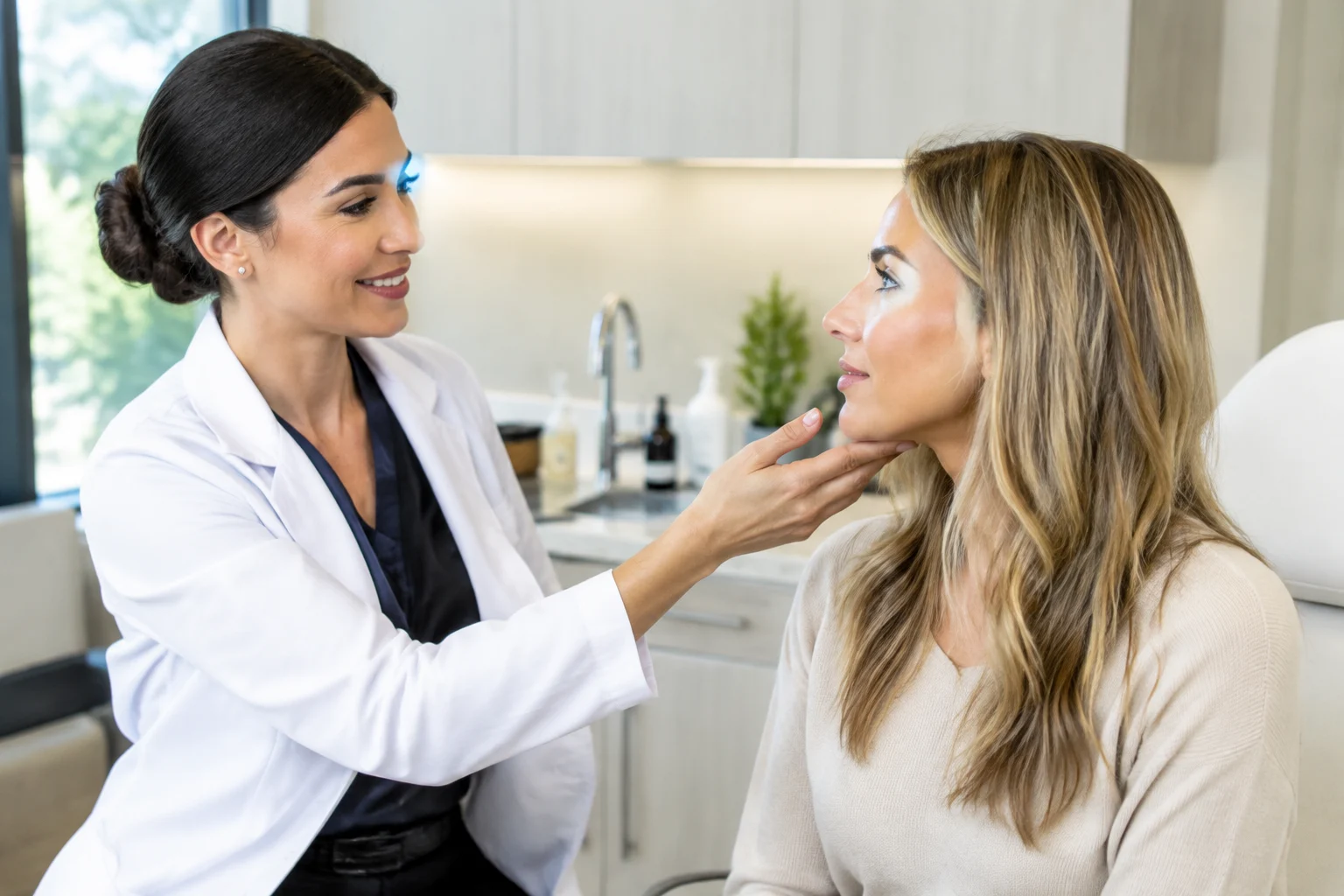
Finding plastic surgery care near Frisco
Residents looking for a plastic surgeon near Frisco can start by identifying the type of care they want to discuss. Plastic surgery includes cosmetic procedures as well as reconstructive treatment, and not every surgeon offers the same services. Search for providers who serve Frisco and nearby North Texas communities, review their stated areas of practice, and confirm directly that they evaluate the procedure or concern relevant to you. A provider’s location and appointment availability can change, so contact the office for current details rather than relying on an old listing.
Before scheduling, check the surgeon’s education, specialty training, and board certification. Confirm the certifying organization and whether its certification applies to plastic surgery; do not assume that a general claim of being “board-certified” tells you which specialty is involved. You can also ask about the surgeon’s experience with your particular procedure, the setting where care is provided, and the credentials of the facility and anesthesia professionals. These checks help you compare options based on qualifications and safety practices rather than promotional language alone.
What to expect at a consultation
A first visit is a chance to describe what you hope to address and learn about possible approaches. The surgeon should review relevant health history, medications, prior procedures, and factors that could affect healing. Be candid about your goals and ask for an explanation of expected benefits, limitations, risks, alternatives, and recovery. No procedure can guarantee a particular result, and a responsible discussion should include the possibility that surgery may not be appropriate.
Consider bringing a written list of questions and, if useful, a trusted support person. Questions may include:
- What training and experience do you have with this procedure?
- What results are realistic for my circumstances, and what are the main risks?
- Where would treatment take place, and who would be involved in my care?
- What should I expect during recovery, and when can I resume usual activities?
- How are after-hours concerns and follow-up visits handled?
- What is included in the estimate, and which costs may be separate?
Take time to review information after the appointment. If you feel rushed, have unanswered questions, or are uncertain about the recommendation, seeking another qualified opinion is reasonable. The right choice should be based on your health, preferences, and an informed discussion, not pressure or a limited-time offer.
Planning for treatment and recovery
Accessing care locally involves more than choosing a procedure. Ask how many visits may be needed, whether someone must accompany you, and what arrangements you will need at home during early recovery. Frisco’s roads and regional travel options make it important to plan realistic transportation to appointments, particularly when you should not drive after treatment or while taking certain medications. Confirm travel and activity guidance with your care team rather than making assumptions.
Request written instructions about preparation, medications, wound care, activity limits, and signs that require prompt medical attention. Make sure you know whom to contact if a concern arises and where urgent care should be sought. Recovery differs by procedure and person, so avoid comparing your progress with someone else’s timeline. Follow the surgeon’s instructions and attend recommended follow-up visits, even if you are feeling well.
Costs, coverage, and informed choices
Before deciding, ask for a clear, itemized estimate and clarify what it includes, such as professional fees, facility charges, anesthesia, follow-up care, or supplies. Coverage depends on the reason for treatment and the terms of an individual health plan. Some cosmetic procedures may not be covered, while reconstructive care may be handled differently; verify benefits and authorization requirements directly with your insurer and provider. If payment plans or financing are offered, review the terms, fees, and repayment obligations carefully.
Frisco residents can make the search more manageable by comparing a small number of qualified providers, confirming details with each office, and keeping notes from consultations. A thoughtful process supports a safer, more comfortable decision and helps ensure that the care plan fits your medical needs, schedule, and expectations.
Plastic surgery options for Frisco residents
Frisco is a growing city in the Dallas–Fort Worth area, and residents may consider care from providers located in Frisco or serving surrounding North Texas communities. Since the availability of particular procedures and appointment locations can vary, contact practices directly to confirm where consultations and treatment take place, what services they provide, and how follow-up is arranged. Looking at travel time for both the initial visit and recovery appointments can help you choose an option that is practical for your routine.
For people balancing work, family, and other commitments, clear planning can make access to plastic surgery care easier. Ask about appointment timing, expected visit frequency, transportation after treatment, and the support you may need while recovering at home. When comparing providers, prioritize qualifications, communication, safety practices, and experience relevant to your needs rather than convenience alone. A nearby practice may be a useful fit, but the best choice is one where you can ask questions openly and receive a thorough, individualized evaluation.
Whether your interest is cosmetic or reconstructive, begin with a professional consultation and verify credentials and costs before making a decision. Local context can help with logistics, but only a qualified clinician who reviews your circumstances can advise whether a procedure is appropriate. Allow time to understand alternatives and recovery expectations, and seek another opinion if you want additional perspective.
Frequently Asked Questions About Plastic Surgeon in Frisco, Texas
How can I choose a plastic surgeon in Frisco?
Start by checking that the surgeon is board-certified specifically in plastic surgery, and verify the credential through the certifying organization. Ask how often they perform the procedure you are considering, where surgery would take place, and who provides anesthesia. Review before-and-after photos as examples of the surgeon’s work, while remembering that results vary. A thorough consultation should include a discussion of risks, alternatives, recovery, and whether your goals are realistic.
What is the difference between cosmetic and reconstructive plastic surgery?
Cosmetic surgery is generally chosen to change or enhance appearance, while reconstructive surgery addresses form or function affected by conditions such as injury, illness, or a congenital difference. Some procedures may have both cosmetic and reconstructive considerations. The right type of care depends on your health history, needs, and goals. A plastic surgeon can explain which options are appropriate and whether you may need a referral or coordination with another clinician.
How do I know whether I am a good candidate for plastic surgery?
Candidacy depends on the procedure, your overall health, medications, healing risks, and expectations. During a consultation, be prepared to discuss your medical history, prior procedures, tobacco or nicotine use, and what you hope to change. A surgeon may recommend postponing surgery, adjusting a treatment plan, or considering a nonsurgical alternative. The goal is to make an informed decision based on your individual circumstances, not simply to meet a particular appearance standard.
Does health insurance cover plastic surgery?
Coverage depends on the reason for treatment and the terms of your specific plan. Procedures performed primarily to change appearance are often not covered, while some reconstructive care may qualify when medical criteria are met. Do not assume coverage based on the procedure name alone. Ask the surgeon’s office for documentation requirements and contact your insurer to confirm benefits, authorization rules, deductibles, and out-of-pocket costs before scheduling.
How long does recovery from plastic surgery usually take?
Recovery varies considerably by procedure, the extent of treatment, and your health. Some people return to light daily activities relatively soon, while swelling, bruising, activity limits, or follow-up care may continue longer. Your surgeon should provide written instructions specific to your operation, including when to resume work, exercise, driving, and lifting. Arrange help at home if advised, and contact the care team promptly if symptoms seem concerning or differ from the instructions you received.
Can I have more than one plastic surgery procedure at the same time?
Combining procedures may be an option for some patients, but it is not automatically safer, more convenient, or appropriate. The surgeon should consider the total operating time, anesthesia, your medical history, recovery demands, and the risks of each procedure together. Ask what advantages and additional risks apply to your situation, and whether staging treatment would be a better choice. A personalized assessment is essential before deciding on a combined plan.
What safety questions should I ask before plastic surgery?
Ask where the procedure will be performed, what type of anesthesia is planned, who will administer it, and how emergencies are handled. You can also ask what risks are most relevant to your health and procedure, what follow-up care is included, and whom to contact with concerns after surgery. Confirm that you understand the consent forms and recovery instructions. Take time to consider the answers; you should not feel pressured to proceed.
What should I tell a plastic surgeon before a procedure?
Share a complete, accurate medical history, including allergies, prior surgeries, current conditions, and all prescription medicines, over-the-counter products, vitamins, and supplements. Mention nicotine use and any recent changes in your health. These details can affect anesthesia, bleeding, healing, or the timing of surgery. Do not stop or change medication on your own; ask the surgeon and prescribing clinician for instructions. Clear communication helps the care team plan safely for your individual needs.