
Discuss Hair Transplant Near Allen, Texas
People considering a hair transplant in Allen can begin by arranging a consultation with a qualified hair-restoration provider serving the area. The first step is usually a discussion of hair-loss history, health, goals, and available donor hair. A clinician can explain whether surgery may be appropriate, what results are realistic, and whether other treatments should be considered first. Since provider locations and services vary, confirm where consultations and procedures take place before making plans; some residents may compare options in Allen with those elsewhere in the Dallas–Fort Worth area.
A thoughtful evaluation helps you understand the process before committing. Ask about the clinician’s training and experience, the technique they recommend, the total expected cost, and how follow-up care is handled. Hair transplantation is a medical procedure, and results develop gradually rather than appearing immediately. Allen residents can make the process more manageable by planning consultation time, transportation, recovery days, and follow-up appointments around work, family, and other responsibilities. Clear answers and a personalized plan can help you decide whether treatment fits your needs.
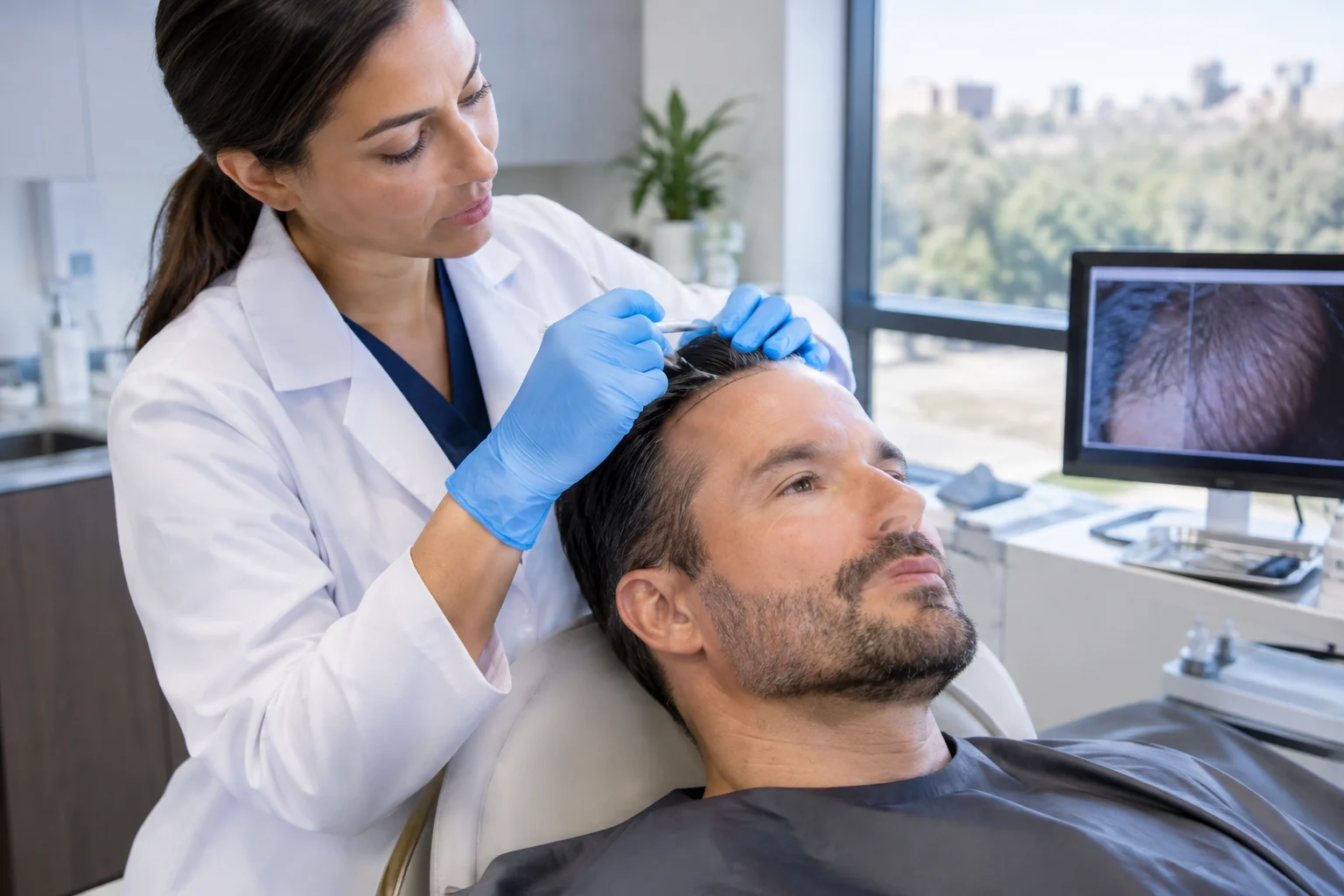
Getting started with hair restoration near Allen
Hair loss can affect people in different ways, and the right next step depends on its cause, pattern, and progression. For Allen residents exploring hair transplantation, start with a consultation rather than relying on photographs or a general estimate alone. A qualified medical professional can review your health and medications, examine the areas affected by hair loss, assess the donor area, and discuss your goals. This evaluation is important because not every person is a suitable candidate, and a transplant may not address every type of hair loss.
When searching for a provider, check whether the practice offers consultations to Allen-area patients and where any procedure would take place. You may compare providers in Allen and nearby communities, considering travel time as well as credentials and care standards. Confirm who evaluates you, who performs each part of the procedure, and how you can contact the care team with questions before and after treatment.
What to discuss during a consultation
A useful consultation should give you time to explain what you hope to change and to understand the limits of treatment. Ask the clinician to describe your hair-loss pattern, the available donor hair, and the likely long-term appearance of the transplanted area. Hair loss can continue over time, so a responsible plan considers how results may look in the future, not just the immediate area of concern.
- Ask whether you are a suitable candidate and what factors could affect your outcome.
- Discuss the recommended approach, such as follicular unit extraction (FUE) or follicular unit transplantation (FUT), and why it may fit your case.
- Request a clear explanation of risks, expected recovery, and when new growth may become noticeable.
- Ask for an itemized cost estimate, including consultation, procedure, medications, and follow-up visits where applicable.
- Confirm the provider’s qualifications, the role of the medical team, and the process for raising concerns.
FUE and FUT are different ways of obtaining hair follicles for transplantation. The suitable method depends on individual factors and should be explained by the clinician. Neither technique guarantees a particular density or appearance. A careful discussion of realistic outcomes can help you weigh surgery against other options, including medical treatments or choosing not to pursue treatment.
Planning for procedure day and recovery
Once you have chosen a provider and decided to proceed, request written instructions for preparation and recovery. Follow the care team’s guidance about medications, washing, activity, and protecting the treated area. Ask how long you should plan to be away from work or regular activities, as recovery experiences differ. If the procedure is outside Allen, arrange transportation and consider whether you will need help getting home or attending early follow-up appointments.
Many people return to routine activities in stages, but the exact timeline depends on the procedure and personal healing. Temporary changes in the transplanted hair can occur, and visible growth usually takes time. Your provider should explain what is expected, when to check in, and which symptoms require prompt medical attention. Do not assume that discomfort or a change in the treated area is normal without asking the care team.
Choosing care that works for Allen residents
Convenience matters, but it should not be the only factor in choosing a hair transplant provider. Compare the quality of the consultation, clarity of communication, medical oversight, and availability of follow-up care. For residents balancing commutes, family responsibilities, or work in Allen and the wider North Texas area, ask about appointment scheduling and how post-procedure questions are handled if you are not nearby.
Before making a decision, review the proposed plan in writing and take time to consider it. A trustworthy provider should answer questions without pressuring you, explain uncertainties, and help you understand alternatives. If you feel unsure, seeking another professional opinion can offer useful perspective. A well-informed choice is more likely to align with your expectations, budget, and comfort with the process.
Hair Transplant Care for Allen Residents
Allen is a growing community in Collin County, where residents balance work, family, and everyday commitments. When exploring hair restoration, access can mean more than finding a clinic close to home. It also includes being able to schedule a detailed consultation, understand the recommended treatment, and reach the care team during recovery. Some people may find a suitable option in Allen, while others may compare providers in nearby North Texas communities. Confirm the location of consultations, procedures, and follow-up appointments before choosing a plan.
For local residents, planning ahead can make treatment easier to fit around a busy routine. Ask about appointment availability, procedure-day transportation, recovery guidance, and how follow-up questions are addressed if the provider is outside Allen. Consider the full cost and travel involved rather than comparing only an initial price. A convenient location can be helpful, but medical qualifications, clear communication, and realistic expectations should remain central to the decision.
Hair transplantation may be one option for people seeking a lasting change to areas affected by hair loss, but suitability and results vary. An individualized assessment can help Allen residents understand what is feasible and whether another approach may better match their needs. Taking time to compare options supports a more confident decision.
Frequently Asked Questions About Hair Transplant in Allen, Texas
Who is a good candidate for a hair transplant?
Candidacy depends on the cause and pattern of hair loss, the amount and quality of donor hair, overall health, and expectations for coverage. A transplant is generally considered for stable, lasting hair loss, but it may not suit every person or every area of thinning. During an evaluation, a clinician can review your scalp and medical history and discuss whether surgery, another treatment, or waiting is more appropriate.
What is the difference between FUE and FUT hair transplantation?
FUE removes donor follicular units individually, usually leaving many small scars across the donor area. FUT removes a narrow strip of scalp, which is divided into grafts and typically leaves a linear scar. Both methods move a person’s own follicles, but they differ in surgical approach, scarring, and recovery considerations. The better fit depends on hair characteristics, hairstyle preferences, donor supply, and the clinician’s assessment—not simply on the technique’s name.
How much does a hair transplant cost?
The cost varies with factors such as the number of grafts recommended, the technique used, the complexity of the case, and what is included in the treatment plan. A personal assessment is needed to estimate the work involved; a general figure may not reflect your needs. When comparing options in Allen, ask for an itemized explanation of fees, follow-up care, and any separately billed services, and avoid choosing based on price alone.
How much time should I plan to take off after a hair transplant?
Recovery time varies by procedure and individual healing. Your care team should give you specific instructions on washing, sleeping, exercise, and returning to work. Some people prefer a few days away from public-facing activities while early redness or scabbing is visible, but timing differs. If you have outdoor plans around Allen, ask how to protect the treated scalp from sun exposure and when it is safe to resume your usual activities.
When will I see the results of a hair transplant?
A transplant does not produce an immediate finished look. Transplanted hairs commonly shed during the early healing period, and visible regrowth develops gradually over subsequent months. The pace and final appearance differ from person to person, so your clinician should explain a realistic timeline for your plan and arrange appropriate follow-up. Take progress photos under similar lighting and avoid judging the outcome too early; changes in density are gradual.
Can hair loss continue after a transplant?
Yes. A transplant redistributes follicles to selected areas; it does not stop other hair from thinning. This can affect how the overall result looks over time, especially when hair loss is still progressing. Ask during consultation whether a plan to monitor or medically manage ongoing loss is appropriate for you. Any medication has potential benefits and risks, so discuss your health history and options with a clinician rather than starting treatment on your own.
What should I ask when choosing a hair transplant provider in Allen?
Ask who evaluates you, who performs each part of the procedure, how the treatment plan is tailored, and what risks, scarring, and follow-up care to expect. Request clear explanations of the proposed graft count and alternatives, and review examples of outcomes that are relevant to your hair type and goals. Make sure you have time to ask questions without pressure. A careful consultation should set realistic expectations, not promise a particular result.
Can women have a hair transplant?
Some women may be candidates, but the cause and pattern of hair loss matter. Diffuse thinning, certain medical conditions, or limited donor hair can make surgery less suitable or change the expected result. An evaluation should consider medical history and whether further assessment is needed before treatment. Ask about nonsurgical options as well as surgery, and discuss the likely coverage and limitations for your particular pattern rather than assuming a transplant is the right choice.