
Discuss Hair Transplant Near Rockwall, Texas
Hair loss can affect confidence and personal style, and a hair transplant may be one option for people seeking a lasting change. For Rockwall residents, getting started means understanding what the procedure can and cannot do, finding a qualified medical professional, and planning for consultations, treatment, and follow-up care. The right choice depends on the cause and pattern of hair loss, available donor hair, health history, and individual goals—not simply on where a clinic is located.
Residents can begin by researching hair restoration providers serving Rockwall and the wider Dallas-area region, then asking about consultation formats, travel requirements, and follow-up arrangements. A consultation should include an evaluation of candidacy and a discussion of alternatives, costs, risks, and realistic results. Taking time to compare providers can help you make an informed decision while keeping appointments and recovery needs manageable around work, family, and other commitments.
Finding hair transplant care near Rockwall
Rockwall residents considering a hair transplant can look for qualified hair restoration professionals in the local area and across the broader Dallas region. The best fit may depend on the services offered, the clinician’s qualifications, appointment availability, and how easily you can attend both the initial consultation and later check-ins. Do not assume that a provider is suitable based only on a website or a short online assessment; a thorough evaluation is an important first step.
Start by confirming who will assess you and who will perform each part of the procedure. Ask about the professional’s medical credentials, experience with hair restoration, and the clinic’s approach to patient safety. You can also ask whether the consultation is in person or remote and which parts of your assessment require an office visit. If you are comparing providers beyond Rockwall, factor in travel time and the possibility of return visits.
What to expect at a consultation
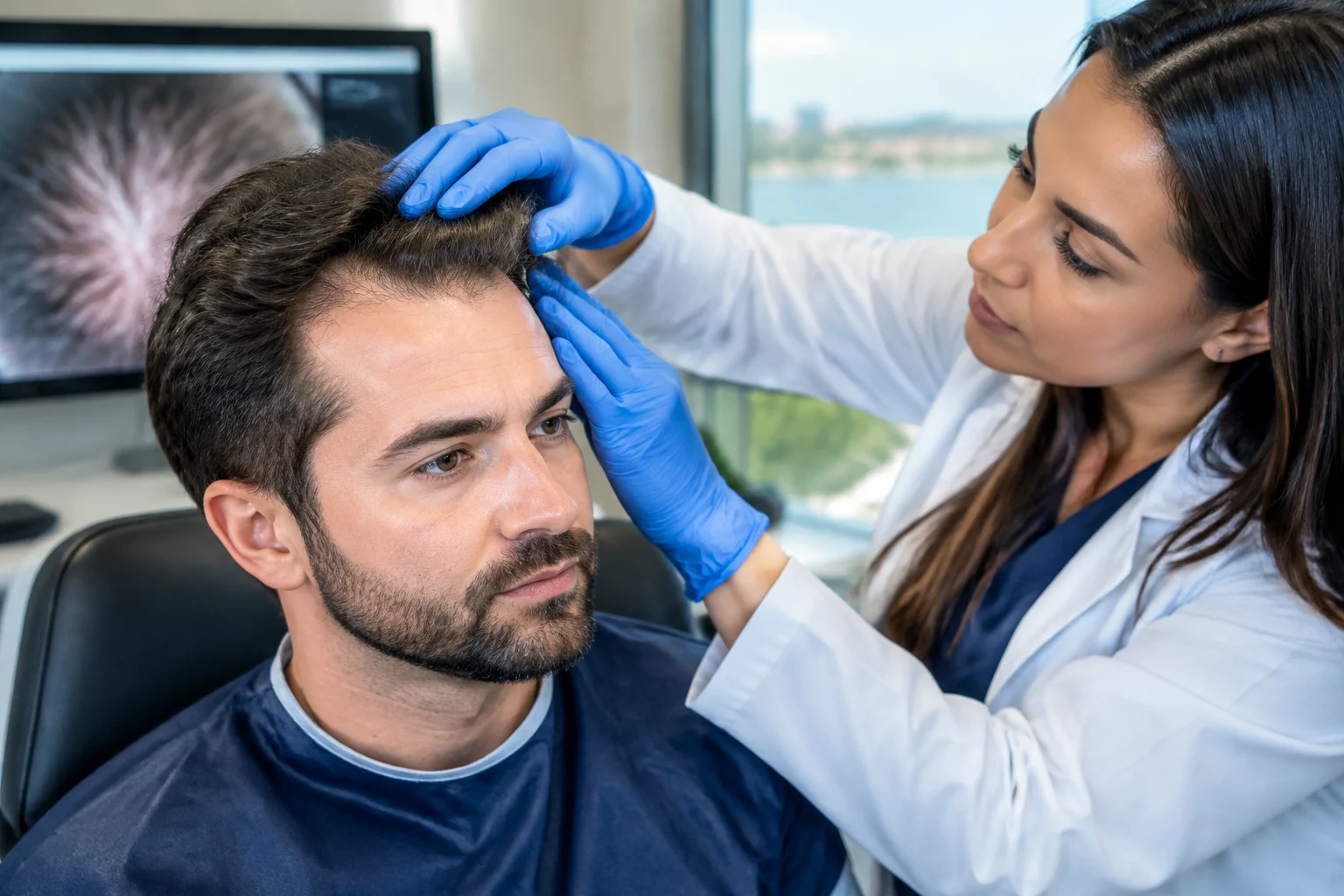
A hair transplant consultation should be individualized. The clinician may review your medical history, examine your scalp and hair-loss pattern, discuss family history, and consider whether your hair loss is stable. They should explain whether donor hair is sufficient and how a transplant could affect both the treated area and the donor area. A responsible evaluation may also identify reasons to delay surgery or consider another approach.
Use the appointment to explain what you hope to change and ask what outcome is realistic for you. Hair transplants redistribute existing follicles; they do not create unlimited new hair or stop future hair loss. Results develop over time, and continued thinning in untreated areas may affect how your appearance changes. Depending on your situation, a clinician may discuss nonsurgical treatments, monitoring, or a combination plan instead of—or alongside—surgery.
Questions to ask before choosing a provider
- Who evaluates candidacy and who performs the procedure?
- What technique is being recommended, and why is it appropriate for my needs?
- What are the expected benefits, limitations, risks, and recovery requirements?
- What is included in the quoted cost, and could additional treatment be recommended later?
- How are follow-up visits arranged if I live in Rockwall and the clinic is elsewhere?
- What should I do if I have a concern after the procedure?
Compare answers carefully rather than relying on promises of a particular density or a guaranteed result. Before-and-after images may help you understand a provider’s work, but they cannot predict your individual outcome. Make sure you understand the proposed plan, fees, and aftercare instructions before making a decision.
Planning appointments and recovery
Access includes more than reaching a clinic on procedure day. Ask how many visits are typically needed for evaluation, treatment, and follow-up, and whether any appointments can be handled remotely. Plan transportation and time away from work or other responsibilities according to the clinic’s instructions. Recovery and activity guidance vary, so get written directions from your care team and follow them rather than relying on general advice online.
Hair transplant surgery has potential risks, and recovery is not the same for everyone. Discuss possible complications, discomfort, scarring, and the chance that results may not meet your expectations. If you have a medical condition or take medication, share that information during the consultation. A qualified clinician can help you weigh the potential benefits against the risks and explain what ongoing care may be appropriate.
Making an informed local choice
For people in Rockwall, a practical search can include nearby options as well as providers elsewhere in the Dallas-area region, provided the clinician is qualified and the follow-up plan works for you. Check credentials through appropriate professional and state resources, request clear written information, and take time to compare recommendations. A convenient location is useful, but careful evaluation, transparent communication, and accessible aftercare should guide your choice.
Hair restoration for Rockwall residents
Rockwall residents balancing work, family, and community commitments may value a hair restoration plan that is clear about appointment schedules and follow-up. Because a hair transplant involves evaluation, a procedure, and recovery, convenience means more than choosing the closest office. Ask providers serving Rockwall or the wider Dallas-area region how often you may need to travel, whether any visits can be remote, and what support is available after treatment.
The right approach is personal. Some people may be candidates for surgery, while others may benefit from nonsurgical care or may need to wait until their hair loss can be assessed more fully. A qualified clinician should explain options in plain language and set realistic expectations based on your health, hair-loss pattern, and donor supply. Comparing credentials, treatment plans, costs, and follow-up arrangements can help you make a considered choice without relying on promotional claims. For Rockwall residents, a well-planned consultation is a useful first step toward deciding whether hair transplantation fits their goals and daily life.
Frequently Asked Questions About Hair Transplant in Rockwall, Texas
Am I a good candidate for a hair transplant in Rockwall?
Candidacy depends on the cause and pattern of hair loss, the amount of healthy donor hair available, your medical history, and your expectations. A clinician should assess your scalp and discuss whether hair loss is stable enough for surgery or whether other treatment should come first. Some people may need to address an underlying health issue before considering a transplant. During a consultation, ask how the proposed plan accounts for future hair loss as well as current thinning.
What is the difference between FUE and FUT hair transplant procedures?
FUE removes individual follicular units from the donor area, while FUT removes a narrow strip of scalp from which grafts are prepared. Both approaches aim to move hair follicles to areas of thinning, but they differ in how donor hair is collected, the type of scarring, and some recovery considerations. The suitable method depends on your scalp, hair characteristics, donor supply, and goals. Ask the clinician to explain which technique they recommend and why it fits your situation.
How should I prepare for a hair transplant consultation?
Bring a list of medications and supplements, relevant health information, and details about when your hair loss began and how it has changed. It can help to note prior treatments and what you hope to achieve, including areas you want addressed. Be ready to discuss family patterns of hair loss and any scalp concerns. The clinician may examine your scalp and donor area, explain realistic options, and recommend further evaluation. Do not stop prescribed medication unless your healthcare professional advises you to.
What is recovery like after hair transplant surgery?
Recovery varies with the procedure and individual healing. Your care team should explain how to protect the grafts, wash your scalp, manage discomfort, and resume work, exercise, and other routines. Temporary redness, tenderness, swelling, or scabbing may occur, but follow the specific instructions you receive rather than relying on general timelines. Ask whom to contact with concerns and what symptoms require prompt medical attention. Plan for a quieter initial recovery period and avoid activities your clinician restricts.
When will I see results from a hair transplant?
A transplant does not produce an immediate finished appearance. The moved hairs commonly shed during an early phase, and new growth develops gradually over subsequent months; the pace and final density vary from person to person. Your clinician can outline the expected stages for your procedure and explain when progress is typically reviewed. Take photos under consistent lighting if recommended, and avoid judging the outcome too early. Discuss what additional treatment may be appropriate if hair loss continues in untreated areas.
How much does a hair transplant cost near Rockwall?
The cost depends on factors such as the planned number of grafts, the technique, the complexity of the case, and what care is included. Since pricing is specific to an individual treatment plan, request a written estimate after an assessment rather than relying on a general figure. Clarify whether consultations, medications, follow-up visits, or any recommended nonsurgical treatments are separate charges. Ask about payment terms and what happens if the plan changes; avoid choosing based on price alone.
What risks or side effects should I consider before a hair transplant?
Hair transplant surgery can involve discomfort, bleeding, infection, scarring, temporary numbness, swelling, or an uneven or disappointing cosmetic result. Individual risks depend on health, the procedure, and healing, so ask the clinician to review risks that apply to you and how complications are handled. Share medical conditions, allergies, smoking or nicotine use, and all medications. Make sure you understand the limits of donor hair and that a transplant cannot prevent future loss of your existing, untreated hair.
Can I have a hair transplant if I am still losing hair?
Possibly, but ongoing hair loss can affect how a transplant looks over time. If surrounding hair continues to thin, the transplanted area may become more noticeable or the original plan may no longer suit your pattern. A clinician can assess whether to monitor the loss, consider medical treatment, or delay surgery until the pattern is clearer. Ask how the plan preserves donor hair for future needs and whether follow-up care will address changes after the procedure.