
Dr. Slack: Hair Transplant Near Frisco, Texas
For people in Frisco considering hair restoration, the first step is a personal consultation to discuss hair loss, goals, health history, and whether a transplant may be appropriate. Dr. Slack can help you understand the process and the decisions involved, so you can consider your options with clear information rather than relying on assumptions or a one-size-fits-all plan. Because treatment details and appointment availability can vary, contact the practice directly to ask about scheduling, consultation arrangements, and where care is provided.
Planning ahead can make it easier to fit a consultation and any follow-up into work, family, and other commitments in Frisco. Before your visit, note when hair loss began, any changes you have noticed, medications or treatments you have tried, and what you hope to achieve. These details can help guide a useful discussion. A transplant is a medical procedure, and suitability, expected results, recovery, and costs should be reviewed with a qualified provider before making a decision.
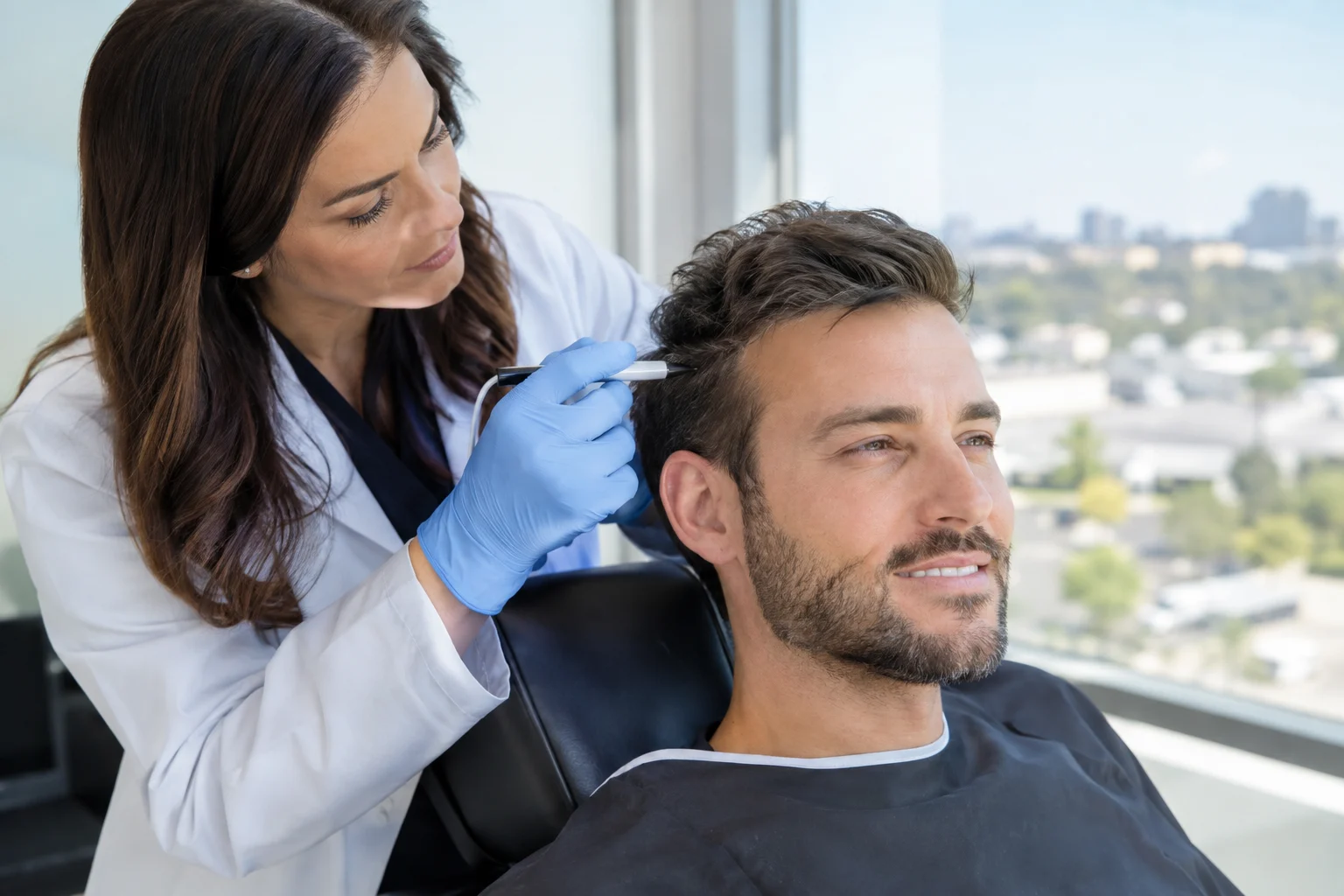
Explore hair restoration options near Frisco
Hair loss can affect people in different ways, and the right next step depends on its cause, pattern, and progression. A hair transplant may be an option for some people, but it is not suitable for everyone. Residents of Frisco can begin by contacting Dr. Slack’s practice to ask about a consultation and confirm the location, availability, and process for arranging care. This direct step helps you understand what is offered and whether an in-person visit is the right starting point.
During a consultation, expect to discuss your concerns and goals, review relevant health and hair-loss history, and ask questions about possible approaches. The provider can assess your situation and explain whether a transplant or another course of care may be appropriate. Treatment recommendations should be individualized; no particular outcome can be guaranteed, and a consultation is the right place to clarify realistic expectations.
What to ask at a consultation
Arriving prepared can help you use the appointment well. Consider bringing a list of current medications and prior hair-loss treatments, along with notes about when you first noticed changes and how they have progressed. You can also write down the result you are hoping for and any concerns about recovery or timing.
- Am I a suitable candidate, and what factors affect that assessment?
- What treatment approaches do you offer, and what are their differences?
- What results are realistic for my hair-loss pattern and donor hair?
- What should I expect before, during, and after a procedure?
- How many follow-up visits may be needed, and how should I plan for them?
- What are the costs, payment options, and policies for rescheduling?
These questions can help you compare options and understand the commitments involved. If a transplant is not recommended, ask what alternatives may be worth discussing and what signs would prompt a future reassessment. Take time to consider the information and seek clarification whenever something is unclear.
Planning care from Frisco
When arranging care near Frisco, confirm practical details with the practice before traveling. Ask for the appointment location and directions, whether an initial consultation can be handled remotely, what records or photographs to bring, and how much time to allow. If a procedure is considered, ask whether you will need someone to accompany you or help with transportation, and whether activity restrictions could affect your work or routine. The practice can provide guidance specific to its process and your treatment plan.
Scheduling around work, school, or family responsibilities may make the experience more manageable. Frisco residents can also ask how follow-up is coordinated and whether all visits take place at the same location. Understanding these arrangements early can help you plan realistically without making assumptions about travel time, appointment length, or recovery.
Understand the procedure and recovery
A hair transplant moves hair follicles from a donor area to areas where additional coverage is desired. The specific method, treatment plan, and expected timeline vary by patient and provider. Ask the clinician to explain the recommended approach in plain language, including the potential benefits, limitations, risks, and alternatives. Discuss how donor hair is evaluated and how continued hair loss could affect the appearance of results over time.
Recovery instructions are individual, so follow the care team’s guidance rather than relying on general online advice. Before committing, make sure you understand how to care for the treated areas, when to return for follow-up, and when normal activities may resume. A clear plan can help you make an informed choice and prepare for the practical parts of treatment.
Take an informed first step
Choosing hair restoration is personal. A thoughtful consultation gives you an opportunity to discuss your priorities, learn what is medically appropriate, and understand the next steps without pressure to decide immediately. Contact Dr. Slack’s practice to ask about hair transplant consultations for people in the Frisco area, verify current service and location details, and find out what information to bring. With those basics confirmed, you can make a decision based on your needs, expectations, and professional guidance.
Hair restoration for Frisco residents
Frisco residents balance careers, family schedules, and active routines, so planning medical care with clear expectations can be helpful. A hair transplant consultation near Frisco offers a chance to discuss hair loss and possible treatment with a provider, while confirming where appointments take place and what follow-up may involve. Since a transplant is not right for every person, an individualized assessment is an important first step before choosing a procedure or setting expectations for results.
Before making plans, contact Dr. Slack’s practice to verify current availability, appointment arrangements, and location details. Ask what records to bring, whether photographs or a medication list would be useful, and how the practice handles follow-up. If treatment is recommended, discuss recovery guidance and any transportation or scheduling considerations that could affect your routine. These practical questions help you evaluate how care may fit into life in Frisco without relying on assumptions about travel or timing.
Whether you are beginning to explore options or comparing recommendations, take time to understand the benefits, limitations, risks, and costs involved. A clear conversation can help you choose a next step that aligns with your health needs and personal goals.
Frequently Asked Questions About Hair Transplant in Frisco, Texas
Who may be a good candidate for a hair transplant in Frisco?
Hair transplantation may be an option for adults with patterned hair loss who have enough healthy donor hair and realistic expectations. Suitability depends on factors such as the cause and stability of hair loss, scalp health, medical history, and the amount of coverage desired. A qualified clinician should assess these details before recommending treatment. Some people may benefit more from medical therapy or evaluation for another cause of hair loss than from surgery.
What is the difference between FUE and FUT hair transplant techniques?
FUE removes individual follicular units from the donor area, while FUT removes a narrow strip of scalp from which follicular units are prepared. Both approaches move a person’s own hair follicles to thinning or bald areas, but they differ in how donor hair is collected and the type of scarring that may result. The better option depends on your scalp, hair characteristics, goals, and preferences. Discuss healing, trade-offs, and expected donor-area appearance with your clinician.
What should I expect at a hair transplant consultation?
A consultation typically includes a review of your hair-loss history, health conditions, medications, and goals, along with an examination of your scalp and donor area. The clinician should explain whether transplantation is appropriate, what coverage may be realistic, which technique could fit, and what risks and aftercare involve. Bring a list of medications and questions, and mention any recent or rapidly changing hair loss. You can also ask how future hair loss may affect the plan.
How much time should I plan away from work after a hair transplant?
Time away from work varies with the procedure, your comfort, and the kind of work you do. Some people return to desk-based duties relatively soon, while physically demanding work may require a longer break. Swelling, redness, or small scabs can be visible during early healing, so consider your schedule and comfort with being seen. Follow the treating clinician’s instructions about washing, activity, and protective headwear, and ask when it is appropriate to resume exercise.
When will I see results from a hair transplant?
Results develop gradually rather than appearing immediately. Transplanted hairs commonly shed during the early healing period, while follicles remain beneath the skin and may later produce new growth. Visible change can take several months, and maturation may continue for a year or longer; individual timing and density vary. Your clinician can explain what is reasonable for your starting pattern and treatment plan. Keep follow-up appointments and contact the clinic if healing concerns arise.
How is the cost of a hair transplant determined, and does insurance cover it?
The total cost generally depends on the treatment plan, the amount of work involved, the technique, and the provider’s fees. Because needs vary, request a written estimate after an individual assessment and clarify what follow-up care or additional charges are included. Hair transplantation is usually considered elective, so health insurance may not cover it, but coverage depends on the policy and reason for treatment. Check directly with your insurer before making financial decisions.
Can women or people with diffuse thinning have a hair transplant?
Some women and people with diffuse thinning may be candidates, but the cause and pattern of hair loss need careful evaluation first. Widespread thinning can affect the donor area too, and certain medical or hormonal conditions may need attention before surgery is considered. A clinician should assess scalp findings, health history, and likely progression rather than relying on appearance alone. In some cases, medical treatment or further testing may be more appropriate than transplantation.
What questions should I ask before choosing a hair transplant provider in Frisco?
Ask who will evaluate you and perform each part of the procedure, what technique is proposed and why, and what risks, limitations, and recovery steps apply to your case. Request a clear explanation of expected coverage, donor-area effects, follow-up arrangements, and the full fee. Ask how the plan accounts for continued hair loss over time. Take time to compare answers and seek another medical opinion if recommendations or expectations are unclear.