
Dr. Slack: Plastic Surgeon Near McLendon-Chisholm, Texas
Residents of McLendon-Chisholm considering plastic surgery can start by arranging a consultation with Dr. Slack. A consultation is an opportunity to discuss what you hope to change, learn whether a procedure may be appropriate, and understand the choices involved before making a decision. The right plan depends on your health, goals, and individual circumstances, so getting clear, personalized information is an important first step.
When looking for a plastic surgeon near McLendon-Chisholm, consider more than distance. Ask about the surgeon’s experience with the procedure you are considering, how care is planned and followed up, what recovery may involve, and which costs or other arrangements to clarify. Before booking, confirm the office location, appointment availability, and any consultation requirements directly with Dr. Slack’s team. Planning ahead can help you make an informed choice and prepare for appointments and recovery while balancing work, family, and travel from the McLendon-Chisholm area.
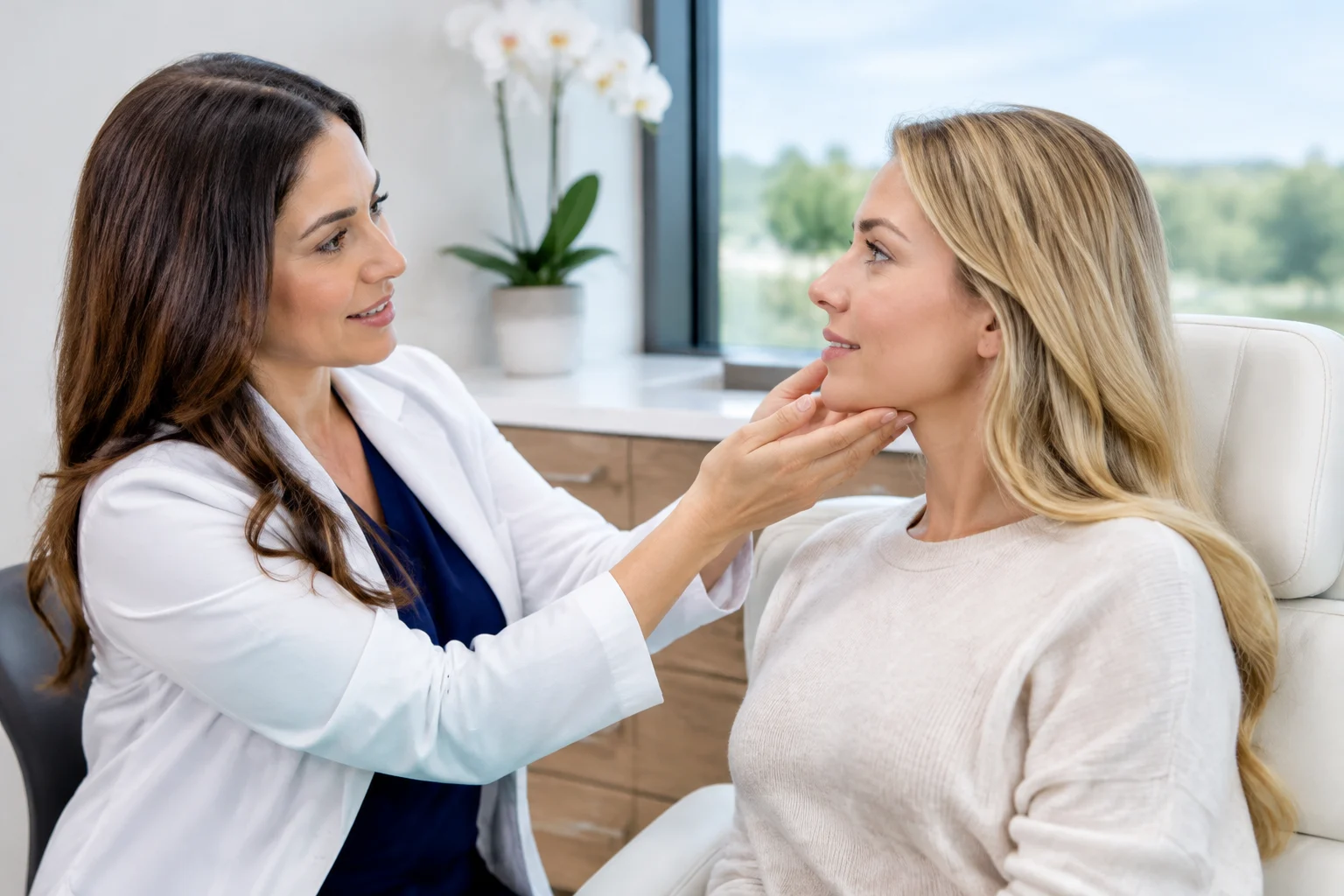
Planning plastic surgery care near McLendon-Chisholm
Choosing a plastic surgeon is a personal decision that deserves time and thoughtful discussion. For people in McLendon-Chisholm, contacting Dr. Slack can be a starting point for learning about consultation availability and the care process. The office can confirm where appointments take place and what information to bring, so you can plan travel from your home or workplace without relying on assumptions about location or scheduling.
A consultation should give you space to describe your goals and ask questions. Your surgeon can review relevant health information, discuss whether a procedure may fit your needs, and explain possible approaches. Individual results and recovery experiences vary, and no procedure can guarantee a particular outcome. Take time to understand potential benefits, limitations, risks, and alternatives before deciding whether to proceed.
What to ask during a consultation
Preparing questions in advance can help you use your appointment well. You may want to ask:
- What experience do you have with the procedure I am considering?
- What options may be appropriate for my goals and health history?
- What are the potential risks, benefits, and limitations?
- What should I expect before, during, and after treatment?
- How will follow-up care be arranged, and whom should I contact with questions?
- What fees or other costs should I understand before making a decision?
Bring a list of medications and supplements, relevant medical history, and any questions about previous procedures. Share your goals honestly, including what you hope to achieve and what concerns you. If you are comparing providers, ask each one similar questions so you can evaluate the information clearly. You are not obligated to choose a procedure at the first visit; an informed decision should feel considered, not rushed.
Making access practical from McLendon-Chisholm
McLendon-Chisholm residents may need to plan appointments around travel, work, caregiving, and other responsibilities. Since the clinic location and appointment details should be confirmed directly, contact Dr. Slack’s office before setting out. Ask about available appointment times, check-in instructions, parking or arrival guidance, and whether records or forms should be completed beforehand. If you are traveling from another part of the community, allow time for the route and any follow-up visits discussed during your consultation.
If a procedure is being considered, ask how it could affect daily routines and what support may be useful during recovery. Depending on the treatment and your personal circumstances, you may need to arrange time away from work, transportation, or help at home. Your care team can explain what applies to your situation. Avoid making travel or recovery plans based on general expectations alone; follow the instructions given for your specific care.
Choosing care that fits your goals
Plastic surgery can involve elective procedures as well as care intended to address particular concerns. The appropriate options depend on an individual assessment, and not every treatment is right for every person. A careful discussion with Dr. Slack can help you understand whether your goals are realistic, what alternatives may be available, and what additional evaluation may be needed. If surgery is not appropriate, ask about other options or next steps rather than feeling pressured to proceed.
As you consider a plastic surgeon near McLendon-Chisholm, look for clear communication and answers you understand. Confirm who will be involved in your care, how questions are handled, and what follow-up is recommended. Make sure you understand the expected recovery process, relevant risks, and the financial details before committing. Taking these steps can make it easier to compare your options and choose care that aligns with your priorities.
Start with a conversation
To explore plastic surgery care with Dr. Slack, contact the office to ask about consultation availability, location, and preparation. A conversation can help you determine whether a visit is a useful next step and what information you will need. Residents of McLendon-Chisholm can plan locally by confirming practical details in advance and setting aside time to discuss their questions, goals, and health needs.
Plastic Surgery Access for McLendon-Chisholm Residents
McLendon-Chisholm is a community in Rockwall County, where residents may balance local and regional travel for appointments and services. If you are looking for a plastic surgeon near McLendon-Chisholm, the first practical step is to contact Dr. Slack’s office to confirm the appointment location, availability, and consultation process. That information can help you plan a visit from your part of town and avoid relying on unconfirmed details.
Plastic surgery consultations can be useful for people who want to understand their options before making a decision. A conversation with Dr. Slack can provide an opportunity to discuss personal goals, health considerations, possible procedures, and questions about risks and recovery. Because each person’s needs are different, recommendations should be based on an individual evaluation rather than general promises. Residents can also ask about follow-up appointments and any arrangements that might affect work, family schedules, transportation, or support at home.
Whether you are beginning to research a procedure or comparing providers, take time to verify the details that matter to you. Ask clear questions, review the information provided, and decide at your own pace. This approach helps McLendon-Chisholm residents explore plastic surgery care with realistic expectations and a plan that fits their circumstances.
Frequently Asked Questions About Plastic Surgeon in McLendon-Chisholm, Texas
What procedures can a plastic surgeon discuss with me?
Plastic surgeons may provide cosmetic procedures, reconstructive surgery, or both, but available services vary by clinician. Common topics include changes to the face, breasts, or body, as well as reconstruction after injury, illness, or prior surgery. During a consultation, describe what you hope to change and ask which options are appropriate, including nonsurgical alternatives if relevant. A surgeon should explain likely benefits, limitations, risks, and whether a procedure fits your goals.
How can I choose a plastic surgeon serving patients in McLendon-Chisholm?
Start by confirming the surgeon’s training and credentials through reliable professional or government sources, and ask about experience with the specific procedure you are considering. Review how the clinician explains risks, alternatives, and expected results; clear, balanced answers matter more than promises. Ask where procedures are performed and who provides follow-up care. You can also seek another qualified opinion before deciding, especially if you feel pressured to proceed.
What should I bring to a plastic surgery consultation?
Bring a list of your goals, questions, medical conditions, allergies, prior surgeries, and all medicines or supplements you take. If you have relevant records or imaging, ask ahead whether the office would like them. Be ready to discuss smoking or nicotine use and any previous anesthesia issues, since these can affect planning. It may help to write down what matters most to you and bring someone you trust to help remember the discussion.
How do I know whether I am a suitable candidate for plastic surgery?
Suitability depends on the procedure, your health, your anatomy, and what you expect to achieve. A plastic surgeon should review your medical history, examine the relevant area, and discuss potential complications and alternatives before recommending a plan. Be candid about health conditions, medications, and nicotine use. It is reasonable to postpone a decision if you need more information or if your expectations are uncertain; a consultation does not commit you to surgery.
What should I plan for during recovery after plastic surgery?
Recovery varies considerably with the procedure and your individual health. Before scheduling, ask what discomfort, activity limits, wound care, and follow-up visits to expect, and when you may be able to resume work, driving, exercise, or caregiving. Arrange help at home if your surgeon advises it, and follow the clinician’s instructions rather than relying on another person’s experience. Ask whom to contact about concerns and what symptoms require urgent medical attention.
Does health insurance cover plastic surgery, and what costs should I ask about?
Coverage depends on the reason for surgery, your policy, and the insurer’s rules. Cosmetic procedures are often treated differently from medically necessary reconstruction, so do not assume a procedure will be covered or excluded. Ask the surgeon’s office and your insurer what documentation, referrals, or prior authorization may be needed. Request a written estimate that clarifies which professional, facility, anesthesia, and follow-up charges are included, and ask how costs could change if care needs change.
What is the difference between cosmetic and reconstructive plastic surgery?
Cosmetic surgery generally aims to change or refine appearance, while reconstructive surgery seeks to restore form or function affected by conditions such as injury, illness, or a congenital difference. The distinction can matter for treatment planning and insurance review, but coverage is determined by the insurer and the details of the case. A plastic surgeon can explain the medical purpose of a proposed procedure, discuss alternatives, and help identify what records your insurer may request.
Do I need a referral to see a plastic surgeon?
A referral may or may not be required. It depends on the surgeon’s intake process and, if you plan to use insurance, the terms of your health plan. Check with the insurer and the practice before booking, and ask whether records from your primary care clinician or another specialist would be useful. If you are seeking reconstructive care, gather relevant treatment notes or imaging when available. Confirming these details beforehand can help avoid administrative delays.