
Explore Hair Transplant in Parker, Texas
Hair loss can affect confidence, appearance, and the way you feel in everyday situations. For Parker residents considering a hair transplant, the first step is a personalized consultation with a qualified hair-restoration provider. A specialist can assess the pattern and cause of hair loss, review your health history, and explain whether a surgical procedure or another treatment is appropriate. Because treatment plans and provider locations vary, you may want to compare options in Parker and nearby North Texas communities and confirm travel, consultation, and follow-up arrangements before booking.
A hair transplant moves hair follicles from a donor area, usually the back or sides of the scalp, to areas with thinning or hair loss. The goal is a natural-looking result that suits your hairline and future needs, not simply increased density in one area. Ask about the clinician’s experience, the techniques offered, expected recovery, total costs, and what results are realistic for you. Taking time to understand these details can help you make a more informed decision and plan care around work, family, and other commitments.
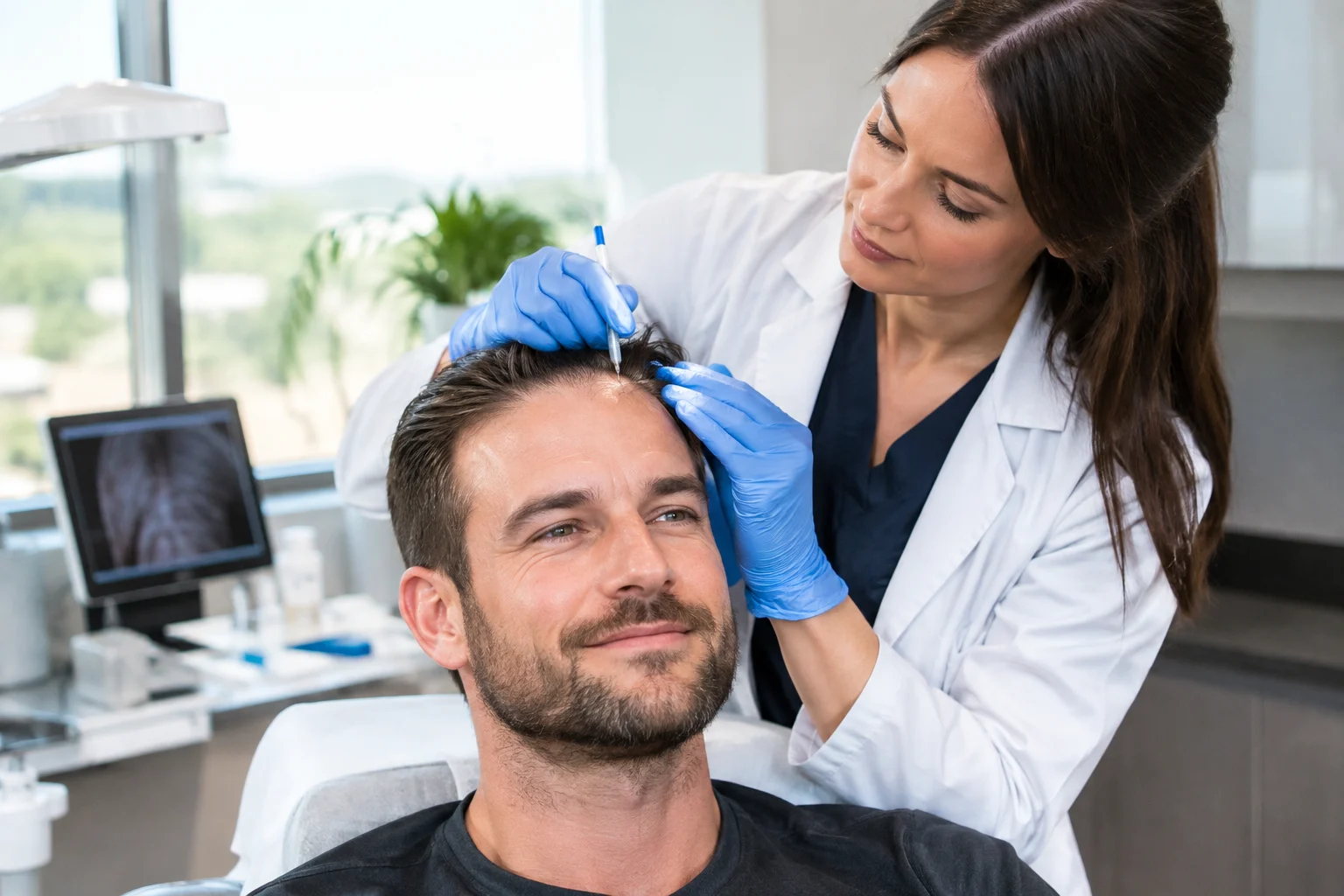
Finding hair transplant care near Parker
Parker is part of the broader North Texas area, so residents may consider providers in town as well as in nearby communities. Availability, services, and travel times differ, and a provider may require more than one visit. When researching options, check the clinic’s current location and whether consultations, the procedure, and postoperative reviews take place at the same site. Ask how the care team can be reached if you have questions after returning home.
Start with a consultation rather than choosing a procedure based only on online photos or an advertised price. A qualified clinician should examine your scalp, discuss your medical history and goals, and explain the limits of transplantation. Hair loss can have different causes, and a transplant may not be suitable for everyone. If the cause is unclear or changing, the clinician may recommend evaluation or treatment before surgery.
What to ask during a consultation
A thorough discussion gives you a clearer picture of the proposed plan and helps you compare providers. Consider asking:
- Who will evaluate me, plan the hairline, and perform each part of the procedure?
- What training and experience does the clinician have in hair restoration?
- Which technique is recommended for my needs, and why?
- How many grafts may be appropriate, and what can the donor area safely provide?
- What are the possible risks, recovery expectations, and follow-up arrangements?
- What is included in the quoted cost, and are medicines or later visits billed separately?
Ask to see examples of results from patients with hair characteristics and loss patterns similar to yours, while remembering that individual outcomes vary. Clear answers, realistic expectations, and time to consider your options are important parts of good care.
Understanding common transplant techniques
Follicular unit extraction (FUE) involves removing individual follicular units from a donor area and placing them in areas being treated. Follicular unit transplantation (FUT) involves removing a narrow strip of scalp from the donor area, then preparing follicular units for placement. Both approaches have potential advantages and trade-offs, including differences in scarring, hairstyle considerations, recovery, and suitability. The best choice depends on your scalp, goals, donor supply, and the clinician’s assessment; no method can guarantee a particular result.
Some people also benefit from nonsurgical approaches, either instead of surgery or alongside it. A provider can discuss evidence-based options and whether ongoing treatment may help protect existing hair. Be cautious about claims of guaranteed growth or pressure to make a quick decision.
Planning treatment and recovery
Before scheduling, ask for written instructions about preparing for the procedure, medications, transportation, and time away from usual activities. Follow the clinician’s guidance about washing, sleeping, exercise, sun exposure, and scalp care after treatment. The early healing period may include temporary redness, swelling, scabbing, or tenderness. Contact the care team promptly if you have symptoms they identify as concerning.
Transplanted hair commonly sheds during an early phase before new growth develops, so visible change takes time. The timeline and final appearance differ from person to person. Follow-up appointments allow the provider to review healing and answer questions. If you live in Parker and choose a clinic elsewhere in the region, plan how you will manage those visits and whom to contact between appointments.
Costs and making an informed choice
Hair transplantation is commonly considered elective, and coverage varies by insurance plan and circumstances. Do not assume a procedure is covered: ask your insurer and the provider for an itemized estimate, payment terms, and any costs for follow-up care. Compare the complete care plan rather than price alone. Choosing a licensed, appropriately trained medical professional and understanding the risks can support safer decision-making.
For Parker residents, access means more than finding an available appointment. It includes selecting a provider whose approach fits your needs, understanding where care will take place, and having a practical plan for recovery and follow-up. A consultation can help you decide whether a hair transplant is a reasonable option and what next steps make sense.
Hair Restoration for the Parker Community
Parker offers a residential setting within the larger North Texas region, where residents may balance work, family responsibilities, and travel between neighboring communities. For someone exploring hair restoration, that makes practical planning part of the decision: confirm where consultations and procedures are held, how many visits may be needed, and whether follow-up can be arranged in a way that works with your schedule. Because provider locations and services can change, verify current details directly rather than relying on assumptions about what is available nearby.
A hair transplant may appeal to people seeking a lasting way to address certain types of hair loss, but it is a medical procedure with individual results and recovery needs. Parker residents can use a consultation to compare surgical and nonsurgical options, discuss realistic goals, and learn how the plan may fit their health and lifestyle. Taking time to evaluate clinician qualifications, communication, costs, and aftercare can make it easier to choose care with confidence. Whether you consult in Parker or elsewhere in the surrounding area, look for a provider who gives clear explanations and does not promise a guaranteed outcome.
Frequently Asked Questions About Hair Transplant in Parker, Texas
Am I a good candidate for a hair transplant in Parker?
Candidacy depends on the cause and pattern of hair loss, the amount and quality of donor hair, your health, and your expectations. A consultation typically includes a review of your medical history and an examination of the scalp. Some people may benefit more from treating an underlying condition or stabilizing hair loss before considering surgery. Ask the clinician to explain whether transplantation is appropriate for you and what results are realistically achievable.
What is the difference between FUE and FUT hair transplant techniques?
FUE and FUT are two ways of collecting donor hair follicles for transplantation. With FUE, follicles are removed individually, while FUT involves removing a strip of scalp and separating follicles from it. The approaches can differ in scarring, recovery, and suitability depending on your donor area and goals. Neither method is right for everyone. A qualified clinician can explain the trade-offs, likely scar pattern, and why a particular technique may fit your situation.
How much does a hair transplant cost, and what affects the price?
The cost varies by factors such as the extent of hair loss, the number of grafts recommended, the technique used, and what is included in the treatment plan. A reliable estimate requires an individual assessment rather than a standard figure based only on location. Before deciding, request a written breakdown of fees and ask whether consultations, follow-up visits, or prescribed aftercare are included. Compare treatment plans and clinical explanations, not price alone.
How long should I plan to recover after a hair transplant?
Recovery varies with the procedure and the individual. Your clinician should provide instructions on scalp care, washing, activity, and when to resume work or exercise. Some visible redness, scabbing, or tenderness may occur during early healing, but follow the clinic’s guidance about what is expected and when to seek advice. If you live in Parker, plan transportation and time away from routine activities according to your provider’s specific instructions rather than assuming recovery will take the same time for everyone.
When will I see results after a hair transplant?
A transplant does not create an immediate finished look. Transplanted hairs commonly shed during the early healing period, and visible regrowth develops gradually over subsequent months. The pace and final appearance vary by person, procedure, and hair characteristics. Your clinician should explain the expected timeline for your case and arrange appropriate follow-up. Ask how progress will be assessed and what changes should prompt you to contact the care team.
Can a hair transplant treat thinning hair in women?
Some women may be candidates, but the cause and pattern of thinning need careful evaluation first. Diffuse hair loss or an untreated medical cause may make surgery unsuitable or limit the result. A clinician can review your health history, examine donor and recipient areas, and discuss non-surgical options when appropriate. If you are considering treatment in Parker, ask what evaluation is needed before recommending surgery and how the plan addresses ongoing hair loss.
Is a hair transplant painful, and what anesthesia is used?
The procedure is generally performed with local anesthesia, though the exact approach depends on the provider and treatment plan. You may feel injections or pressure, and some soreness or tightness can occur afterward. Ask what sensations to expect, how discomfort is managed during recovery, and whether any medication instructions apply to you. Share your medical conditions, allergies, and current medicines during consultation so the clinician can discuss relevant risks and precautions.
What should I ask at a hair transplant consultation near Parker?
Ask what is causing your hair loss, whether you are a suitable candidate, which technique is recommended, and why. Request a clear explanation of expected coverage, limitations, risks, recovery, follow-up, and the full cost of the proposed plan. You can also ask who performs each part of the procedure and how ongoing hair loss will be considered. Take time to review the information and seek another opinion if important questions remain unanswered.