
Explore Your Hair Transplant Options Near Celina
For Celina residents considering a hair transplant, the first step is understanding whether surgery is appropriate for their pattern of hair loss, health, and goals. Hair restoration is a medical procedure, so a consultation with a qualified clinician can help explain likely outcomes, limitations, costs, and alternatives. You can begin by looking for providers who serve Celina or the wider North Texas area, then confirm where consultations and procedures take place and what follow-up care is available.
A thoughtful search can make it easier to compare options without rushing into treatment. Ask about the clinician’s training and experience, the techniques offered, how candidacy is assessed, and what the recovery process involves. Because results develop over time and vary from person to person, a provider should set realistic expectations rather than promise a particular appearance. Planning around travel, time away from work, and follow-up appointments can also help you decide whether a local or nearby option fits your needs.
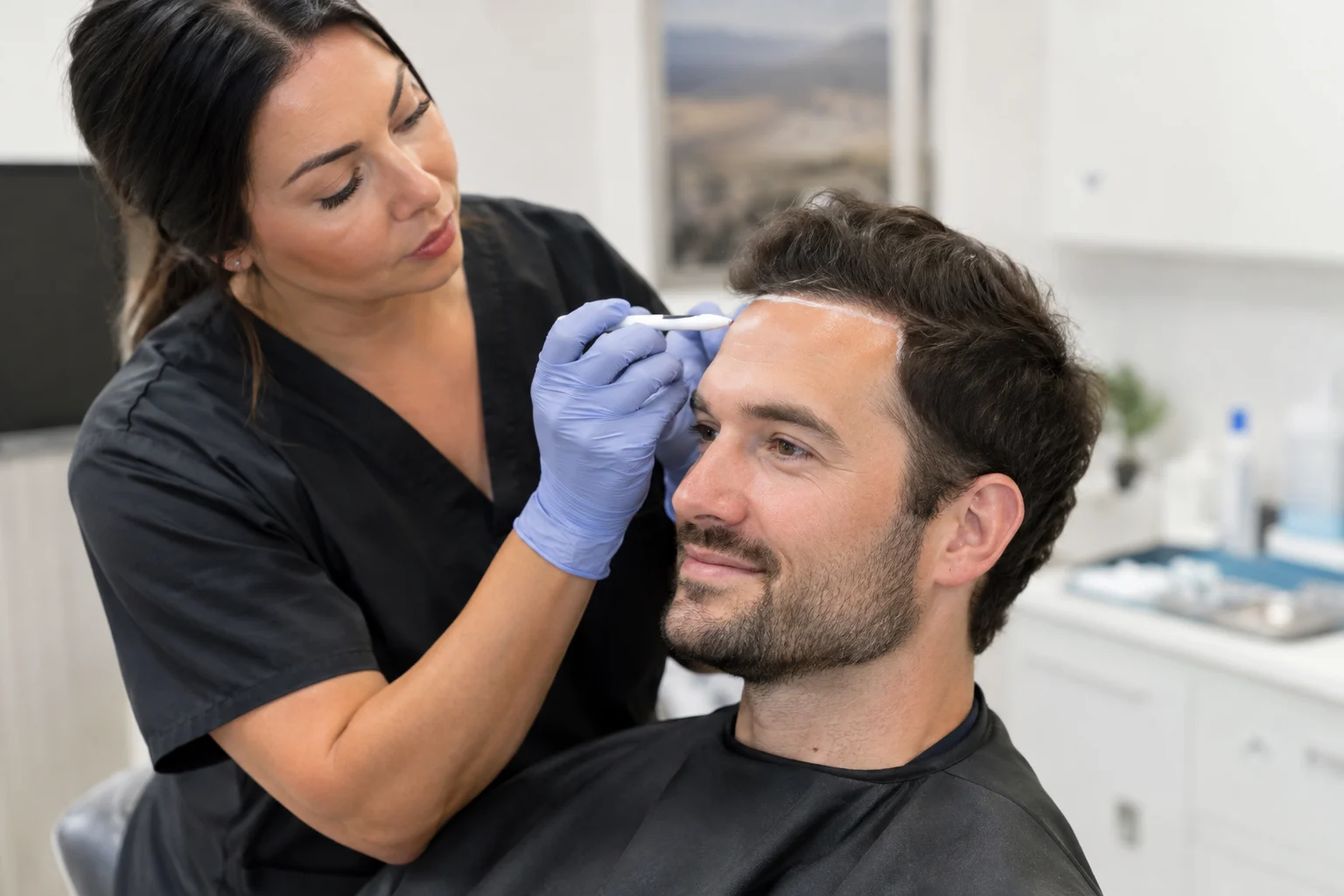
How to begin exploring hair restoration
Hair loss can have different causes, and a hair transplant is not the right choice for everyone. Start with an assessment from a qualified hair-restoration clinician or medical professional. They can review your medical history, examine the pattern and stability of your hair loss, and discuss whether surgery, another treatment, or further evaluation may be appropriate. This initial conversation is a chance to describe what you hope to change and ask what a realistic result could look like for you.
When searching from Celina, look for providers who clearly explain their credentials, the clinician’s role in the procedure, and the location of consultations, surgery, and follow-up visits. Some people may find suitable care in or around Celina; others may need to travel elsewhere in North Texas. Confirming details directly is important because service locations and offerings can change.
Questions to ask at a consultation
A consultation should be informative and individualized. Consider bringing a list of questions and asking for clear explanations in language you understand. Useful topics include:
- Who evaluates candidacy and who performs each part of the procedure?
- What causes of hair loss have been considered, and is additional evaluation recommended?
- Which approach, if any, may suit your hair characteristics and goals?
- What results are realistic, and what factors could affect them?
- What are the possible risks, side effects, and limitations?
- What will recovery involve, including instructions about activity and follow-up?
- What is included in the quoted cost, and could there be additional expenses?
Ask to review relevant examples of outcomes and learn how they relate to people with similar characteristics. Examples can support a conversation, but they do not guarantee that you will have the same result. Take time to compare answers and seek another professional opinion if you are uncertain or feel pressured to make a quick decision.
Planning for care from Celina
Practical arrangements matter as much as the procedure itself. Before choosing a provider, confirm the consultation format, procedure location, expected visit schedule, and how questions are handled after treatment. If care is outside Celina, consider the travel time for the initial appointment and any required follow-ups. Ask whether you will need someone to accompany you or help with transportation on the day of a procedure, and what arrangements are recommended for returning home.
Discuss the recovery timeline with the clinical team before making work, family, or travel plans. Follow the provider’s specific instructions rather than relying on general advice online. Make sure you know whom to contact if you have concerns after treatment and what symptoms require prompt medical attention. If a provider cannot explain its follow-up process, that is a reason to ask more questions before proceeding.
Compare options with care
Hair transplant costs and services vary, and a low advertised price alone does not show whether an option is suitable. Request a written explanation of the proposed plan, fees, and any services not included. Check that the clinician discusses alternatives and the possibility that you may not be a candidate. A responsible consultation should give you room to consider your choices without pressure.
For Celina residents, a convenient option is one that combines qualified care with clear communication and manageable follow-up—not simply the closest location. Use consultations to understand your options, verify provider details directly, and decide at your own pace. The goal is an informed choice that reflects your health, expectations, and practical needs.
Hair Transplant Care for Celina Residents
Celina residents have access to a growing range of services across the wider North Texas region, but hair-transplant availability and procedure locations should be confirmed directly with each provider. Depending on where a clinician practices, you may be able to arrange an initial consultation close to home or need to travel to another nearby community. Ask whether appointments can begin virtually, what requires an in-person visit, and how follow-up care is coordinated.
For people balancing work, family responsibilities, and travel, planning is an important part of choosing care. Before booking, consider the trip for consultations and treatment, the number of return visits, transportation after a procedure, and the time you may need for recovery. A provider who explains these details clearly can help you assess whether the arrangement is manageable from Celina.
The best option is not necessarily the nearest one. Compare clinician qualifications, individualized assessment, transparent pricing, realistic discussion of outcomes, and access to follow-up support. Taking time to ask questions can help you make a confident decision about whether a hair transplant or another approach to hair loss is right for you.
Frequently Asked Questions About Hair Transplant in Celina, Texas
How do I know whether I’m a good candidate for a hair transplant in Celina?
Candidacy depends on the cause and pattern of hair loss, your overall health, the quality and amount of donor hair, and your expectations. A qualified hair-restoration clinician can examine your scalp, review your medical history, and discuss whether hair loss is stable enough for surgery. Some people benefit more from treating an underlying condition or using nonsurgical options first. A consultation is the right place to compare realistic outcomes and decide whether a transplant makes sense for you.
What is the difference between FUE and FUT hair transplant procedures?
FUE removes individual follicular units from the donor area, usually leaving small, scattered marks; FUT removes a narrow strip of scalp from which follicles are prepared for placement. Both methods can create a natural-looking result when planned and performed appropriately, but they differ in scarring, recovery considerations, and how donor hair is harvested. The best choice depends on your hair characteristics, hairstyle preferences, donor supply, and clinical assessment. Ask the clinician to explain the trade-offs for your case.
How should I prepare for a hair transplant consultation?
Bring a list of medications and supplements, relevant medical history, and details about when your hair loss began and how it has changed. If you have tried treatments, note what you used and whether it helped or caused side effects. Be ready to describe the result you hope for and your preferred hairstyle. Photos showing earlier hair patterns may help with the discussion. The clinician should assess your scalp and explain candidacy, options, risks, and likely limitations before you decide.
What is recovery like after hair transplant surgery?
Recovery varies by technique and individual, so follow the treating clinician’s instructions rather than relying on a general timeline. You may have temporary tenderness, swelling, scabbing, or redness in treated areas. Instructions commonly address washing, sleeping position, activity, and protecting the scalp while it heals. Ask when you can resume exercise, work, and regular hair care, and which symptoms warrant a call to the clinic. Plan your schedule so you can follow aftercare without rushing the early healing period.
When will I see results from a hair transplant?
A transplant does not produce an immediate full head of hair. The transplanted hairs commonly shed during the early healing period, and visible regrowth develops gradually over subsequent months. The pace and final appearance vary with the person, the treatment plan, and the hair characteristics. Your clinician should explain what changes to expect at different stages and how progress will be reviewed. Avoid judging the outcome too soon; follow-up guidance can help distinguish expected changes from concerns that need assessment.
How much does a hair transplant cost, and what affects the estimate?
The cost depends on factors such as the procedure selected, the amount of work planned, the characteristics of the donor area, and what is included in the treatment and follow-up plan. There is no reliable price to infer without an individual assessment. Ask for a written, itemized estimate and clarify whether consultation, medications, aftercare, or later treatments are included. Also ask how the plan accounts for future hair loss, since a transplant does not stop untreated hair from thinning.
What risks and limitations should I understand before surgery?
Hair transplant surgery can involve discomfort, bleeding, infection, scarring, changes in sensation, or an unsatisfactory growth pattern; individual risks depend on health and technique. Donor hair is limited, and transplanted follicles cannot create unlimited density. Existing hair may continue to thin, so a longer-term plan matters. Discuss your medical history, potential complications, the clinician’s approach to managing them, and what happens if growth is less than expected. Make sure you understand the risks before consenting to treatment.
Can I continue treating hair loss after a transplant?
A transplant redistributes hair follicles; it does not necessarily address the process causing other hair to thin. A clinician may discuss medical or other nonsurgical treatments to help manage ongoing loss, but suitability depends on your health, diagnosis, and preferences. Do not start, stop, or change a medication on your own, especially around surgery. Ask how any recommended treatment fits with your transplant plan, what benefits and side effects to expect, and how progress should be monitored.