
Get Started With Hair Transplant Near Lake Dallas, Texas
Because treatment involves surgery and a personalized plan, the first step is usually an evaluation of hair loss, health history, donor hair, and goals—not a commitment to a procedure. Depending on the provider, an initial discussion may be available remotely, while an in-person examination may be needed before treatment is recommended.
Planning ahead can help make the process more manageable. Ask how often you will need to travel for consultation, surgery, and follow-up, and clarify which parts of care can be handled remotely. A thoughtful evaluation can explain whether transplantation is appropriate, what results may realistically look like, and what other options could be considered. Comparing credentials, communication, treatment plans, and total costs can help Lake Dallas residents make an informed decision that fits their needs.
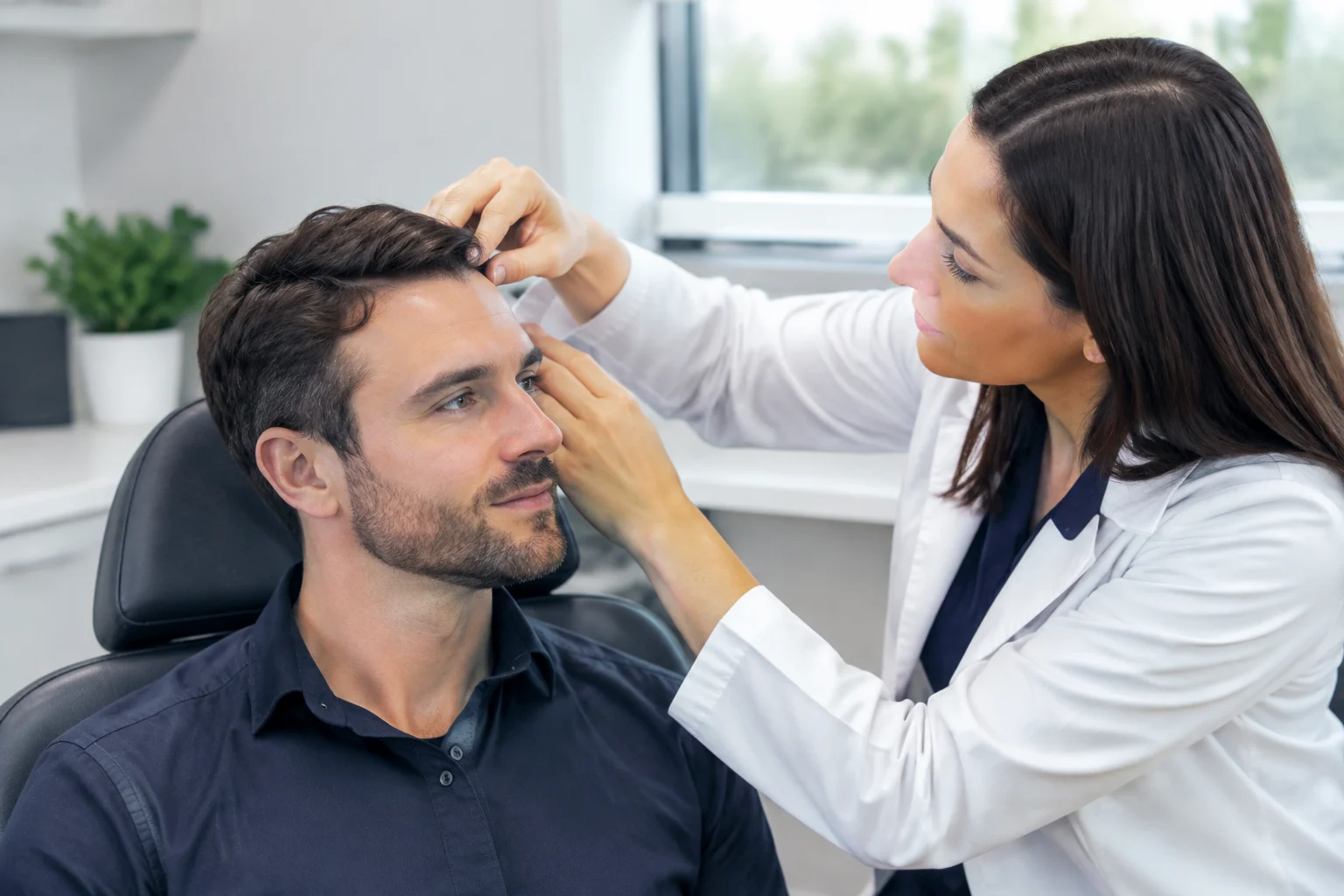
Starting your hair transplant search from Lake Dallas
Hair transplant care is individualized, so begin with a consultation rather than relying on a price estimate or online photographs alone. Residents of Lake Dallas can look for experienced hair-restoration providers serving North Texas and ask whether an initial consultation can be completed virtually. A remote conversation may help you understand the provider’s approach, but it does not replace an appropriate medical examination. Confirm where evaluations and procedures take place and how you would reach the clinic for appointments.
At an evaluation, the provider may review your pattern and history of hair loss, general health, medications, and expectations. They may assess the donor area—the part of the scalp from which follicles could be taken—and discuss whether transplantation is suitable. Hair loss can continue over time, so a responsible plan should consider both current thinning and possible future changes. Not everyone is a candidate, and a qualified clinician should explain the reasons for any recommendation.
What to ask during a consultation
Use consultations to understand the proposed care, not just to compare promotional offers. Consider asking:
- Who evaluates me, performs the procedure, and provides follow-up care?
- What training and experience does the clinician have with hair transplantation?
- Which technique is being recommended, and why does it fit my situation?
- What are the likely benefits, limitations, risks, and recovery considerations?
- How might ongoing hair loss affect the appearance of the result over time?
- What is included in the quoted cost, and could additional expenses arise?
- How many visits should I plan for, and what support is available after I return home?
Ask for clear explanations and time to consider your options. Before-and-after images can be useful discussion tools, but they cannot guarantee that your outcome will be the same. Be cautious about pressure to book immediately or claims that promise a particular result.
Understanding treatment and recovery
Hair transplantation moves follicles from a donor area to areas where more coverage is desired. Providers may use different approaches, such as removing individual follicular units or taking a strip of scalp and preparing grafts from it. The appropriate method depends on clinical factors and the provider’s assessment. Your clinician should explain the procedure, anesthesia, expected healing, potential side effects, and any instructions to follow before and after treatment.
Recovery and visible changes take time, and transplanted hair may shed before later growth becomes noticeable. Results vary from person to person. Follow the care instructions you receive, keep scheduled check-ins, and contact your care team with concerns. If you live in Lake Dallas and receive treatment elsewhere in the region, plan transportation and time away from work or regular activities according to the clinic’s guidance. Ask in advance how urgent questions will be handled once you are back home.
Compare the full value of care
Cost matters, but it should be considered alongside clinical qualifications, individualized planning, communication, and aftercare. Request a written explanation of what the fee covers, including consultation, procedure, follow-up, and any recommended services. Ask whether financing is offered and review its terms independently. Hair transplantation is generally an elective service, and coverage can vary; check directly with your insurer and provider rather than assuming a benefit is included.
Some people may be advised to consider nonsurgical treatments or to wait and monitor changes instead of proceeding with surgery. Discuss alternatives with a qualified clinician, including their likely role, limitations, and ongoing costs. A careful comparison helps you choose a plan based on your health and priorities—not simply on convenience or an advertised price.
Making access practical from Lake Dallas
When comparing providers, consider the complete journey: how to arrange an evaluation, where care is delivered, how many in-person visits may be needed, and what follow-up looks like. Check travel time and appointment availability using your own schedule, since locations and access arrangements differ. If a provider offers virtual appointments, ask which decisions can be made remotely and when an in-person assessment is necessary.
Taking these steps gives Lake Dallas residents a practical starting point for exploring hair transplant care. A good provider should answer questions openly, set realistic expectations, and help you understand both the procedure and alternatives before you decide.
Hair Restoration Planning for Lake Dallas Residents
Lake Dallas residents exploring hair restoration can compare providers serving the broader North Texas area while considering the practical details of traveling for evaluation, treatment, and follow-up. Clinic locations, appointment formats, and care arrangements vary, so confirm these directly with each provider. If an initial virtual consultation is available, ask what information it can establish and whether an in-person assessment will still be needed before a treatment plan is finalized.
A local search can be more useful when it focuses on fit rather than distance alone. Review the clinician’s qualifications, ask who will perform each part of care, and seek a clear discussion of candidacy, risks, costs, recovery, and realistic outcomes. Make sure you understand how to contact the care team after returning home and whether follow-up visits require additional travel. Comparing these details can help you balance convenience with the quality and continuity of care.
Hair transplantation may suit some people who want to address hair loss, but it is not right for everyone and cannot guarantee a specific appearance. A qualified medical professional can assess your circumstances and discuss surgical and nonsurgical options. With careful planning and informed questions, Lake Dallas residents can explore treatment in a way that respects their health, goals, schedule, and budget.
Frequently Asked Questions About Hair Transplant in Lake Dallas, Texas
Am I a good candidate for a hair transplant in Lake Dallas?
Candidacy depends on the cause and pattern of hair loss, the amount and quality of donor hair, scalp health, and your expectations. A clinician should assess these factors before recommending surgery; some types of hair loss or medical conditions may need evaluation or treatment first. Age alone does not determine suitability. If your hair loss is changing quickly, ask whether it makes sense to monitor or stabilize it before planning a transplant.
What is the difference between FUE and FUT hair transplant techniques?
With FUE, follicles are removed individually from the donor area, leaving many small extraction marks. With FUT, a narrow strip of scalp is removed and divided into follicular units, which can leave a linear scar. Both methods move a patient's own hair follicles, but they differ in how grafts are collected, scarring, and recovery considerations. A qualified clinician can explain which approach, if either, fits your hair characteristics and goals.
What should I ask during a hair transplant consultation?
Ask what is causing your hair loss, whether a transplant is appropriate, and what results are realistic for your donor supply and hair pattern. Discuss the proposed technique, who performs each part of the procedure, likely scarring, potential risks, recovery instructions, and the possibility of future hair loss. Request a clear explanation of the treatment plan and all expected charges before deciding. Take time to compare recommendations rather than feeling pressured to book.
How much does a hair transplant cost near Lake Dallas?
The cost varies by the number of grafts, the technique used, the complexity of the case, and what the provider includes in the treatment plan. Because these details differ from person to person, a consultation and written estimate are needed for an accurate figure. Ask whether medications, follow-up visits, or other services are separate charges. Avoid choosing a procedure based only on a low advertised price; understand the clinician's plan and credentials.
What is recovery like after a hair transplant?
Recovery varies with the procedure and the individual. Temporary tenderness, swelling, redness, scabbing, or numbness may occur, and the donor and recipient areas need careful handling while they heal. Follow the clinic's specific washing, activity, and medication instructions, and ask when you can resume exercise, work, or wearing headwear. Contact your care team if symptoms worsen or you are concerned. Plan transportation and time away from strenuous activities as advised.
When will I see results from a hair transplant?
A transplant does not create an immediate finished look. The transplanted hairs commonly shed during the early healing period, while follicles remain beneath the skin; visible regrowth develops gradually over subsequent months. The pace and final appearance vary with the person, the treatment plan, and hair characteristics. Your clinician can outline a realistic follow-up schedule and explain how progress will be assessed. Ask when to contact the clinic if healing or growth differs from expectations.
Can hair loss continue after a transplant?
Yes. A transplant moves selected follicles but does not stop other hair from thinning, so surrounding hair may continue to change over time. This can affect how the result looks later and is one reason planning should account for likely future loss, donor supply, and age. Ask whether nonsurgical treatments may be appropriate for you and discuss their benefits, limitations, and risks with a clinician before starting or changing medication.
How should I prepare for a hair transplant procedure?
Preparation depends on your health, medications, and the procedure planned. Give the clinician a complete medication and supplement list, disclose relevant medical conditions and allergies, and follow their directions about eating, drinking, smoking, and hair care. Do not stop prescribed medication or begin a supplement unless your clinician advises it. Confirm the procedure-day instructions, transportation arrangements if needed, and whom to contact with questions so you are not relying on general advice alone.