
Get Started With Hair Transplant Near Shady Shores, Texas
People in Shady Shores who are considering hair restoration can begin by learning what a hair transplant can—and cannot—do. The procedure moves hair follicles from a donor area, usually the back or sides of the scalp, to areas with thinning or hair loss. Because suitability depends on factors such as the cause and pattern of hair loss, donor hair availability, health, and personal goals, an evaluation with a qualified medical professional is an important first step.
Residents can compare providers serving the wider Denton County and North Texas area, then confirm where consultations and procedures take place. Ask whether an initial conversation can be held remotely, if that option is offered, and what in-person visits are required. A careful consultation should explain likely outcomes, alternatives, recovery expectations, risks, and the full cost before you decide. Taking time to compare credentials and care plans can help you choose an approach that fits your needs and travel preferences.
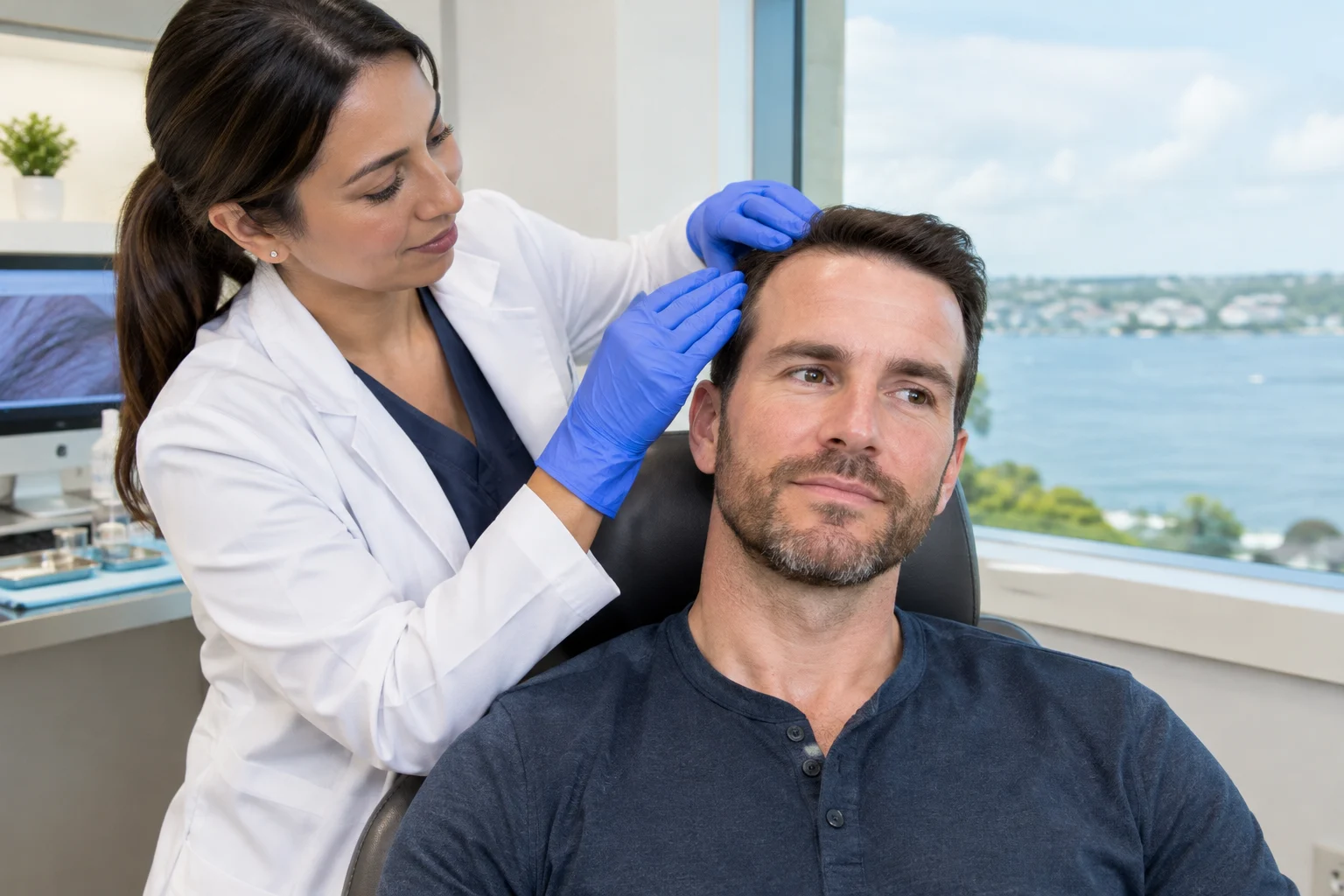
Getting started with hair restoration near Shady Shores
For Shady Shores residents, accessing a hair transplant usually starts with researching qualified providers who serve the surrounding North Texas area. Search for clinicians with relevant training and experience in hair restoration, and confirm that the person evaluating you is appropriately licensed to provide the care being discussed. A provider’s website can help you understand services, but a direct consultation is needed to determine whether surgery is appropriate for you.
Before scheduling, ask where consultations, procedures, and follow-up appointments are held. Shady Shores residents may need to travel to another community for in-person care. Confirm the location directly rather than assuming that a provider who serves the area has a nearby office. If a remote introductory consultation is available, ask what can be assessed remotely and whether an in-person examination is still necessary. Plan for transportation and time away from usual activities around the procedure and early recovery.
What happens during an evaluation?
A hair transplant is not a universal solution for hair loss. During an evaluation, a clinician may review your medical history, examine your scalp, discuss the pattern and progression of hair loss, and assess the donor area. These details help determine whether there is enough suitable donor hair and whether the expected result aligns with your goals. The clinician should also discuss the possibility that hair loss can continue in untreated areas over time.
Ask for a clear explanation of the proposed plan, including the areas to be treated, the approach to donor hair, expected healing, and how results may develop. Transplanted hairs commonly shed after the procedure before new growth appears; visible results take time and vary from person to person. No responsible consultation should promise a particular density or outcome.
Compare techniques, care, and cost
Common approaches include follicular unit extraction (FUE), in which individual follicular units are removed, and follicular unit transplantation (FUT), in which a strip of scalp is used to obtain follicular units. Each has considerations related to scarring, recovery, donor management, and suitability. The best option depends on your circumstances and the clinician’s assessment, not simply on a technique’s name or marketing claims.
When comparing providers, consider the complete care experience—not only the procedure fee. Ask who performs each part of the treatment, what follow-up is included, how questions are handled after surgery, and whether recommended medications or additional procedures carry separate costs. Request a written estimate and understand the payment and cancellation policies. A transplant is generally considered elective, so check directly with your insurer and provider about coverage rather than assuming it will be paid for.
- Verify the clinician’s credentials and experience with hair restoration.
- Ask about realistic benefits, limitations, risks, and alternatives, including non-surgical options.
- Request an individualized plan and a clear, itemized cost estimate.
- Confirm procedure and follow-up locations, travel needs, and aftercare instructions.
Plan for recovery and long-term hair care
Your provider should give you specific instructions for caring for the scalp, washing, sleeping, activity, and any prescribed medication. Follow those instructions and contact the care team if you have concerns during recovery. Ask in advance what symptoms are expected and what changes require prompt medical attention. Because recovery and work or social plans differ, discuss a realistic schedule rather than relying on a standard timeline.
Hair transplantation redistributes follicles; it does not stop future hair loss or create an unlimited donor supply. A clinician may discuss ongoing hair-loss management or future planning, but treatment choices should be based on an individual medical evaluation. For people in Shady Shores, choosing a provider who explains long-term considerations and makes follow-up arrangements clear can make the process easier to manage. Take time to compare options, bring questions to your consultation, and make a decision only when you understand the plan and its trade-offs.
Hair restoration for the Shady Shores community
Shady Shores is a small Denton County community near Lake Lewisville, and residents may look beyond town limits when comparing specialized medical services. For hair transplant care, that can mean considering providers who serve the broader North Texas area and checking where each stage of care is actually delivered. Since a transplant may involve an initial assessment, a procedure, and follow-up, practical details such as travel time, appointment availability, and aftercare access deserve attention alongside clinical credentials.
A local search is a useful starting point, but proximity alone does not establish quality or suitability. Ask whether the provider offers an initial remote discussion, if available, and what examinations must happen in person. Confirm the procedure location and how post-procedure questions are handled when you are back home in Shady Shores. Planning these details can help you compare options without assuming that a listed service has an office in town.
Hair restoration may appeal to adults seeking a lasting way to address certain patterns of hair loss, but outcomes depend on individual factors and future hair changes. A thorough consultation can help residents understand candidacy, alternatives, costs, recovery, and realistic expectations before traveling or committing to treatment. The right next step is an informed conversation with a qualified clinician, not a one-size-fits-all promise.
Frequently Asked Questions About Hair Transplant in Shady Shores, Texas
How do I know whether I’m a good candidate for a hair transplant in Shady Shores?
Candidacy depends on factors such as the cause and pattern of hair loss, the amount and quality of donor hair, scalp health, and your expectations. Hair loss that is still changing may affect planning, since transplanted hair does not prevent nearby natural hair from thinning. A qualified hair-restoration clinician can review your medical history, examine your scalp, and discuss whether surgery or another approach is more appropriate. An assessment is needed to make an individual recommendation.
What is the difference between FUE and FUT hair transplant procedures?
FUE removes individual follicular units from the donor area, while FUT removes a narrow strip of scalp that is divided into grafts. Both methods aim to move hair follicles to thinning areas, but they differ in how donor hair is collected and in the resulting scar pattern. The right option depends on your scalp, donor supply, hairstyle preferences, and treatment plan. Ask the clinician to explain likely scarring, recovery, and graft planning for each method.
How much does a hair transplant usually cost?
The cost of a hair transplant is generally based on the treatment plan, including the number of grafts, the technique used, the complexity of the case, and what is included in care. A consultation is needed to estimate your needs; a general figure may not reflect your situation. When comparing estimates, ask what the quoted amount covers, whether follow-up visits are included, and whether additional care could involve separate charges. Avoid choosing solely by the lowest price.
What should I expect during recovery after a hair transplant?
Recovery varies by procedure and individual. You may have temporary redness, swelling, tenderness, or small scabs in treated areas, and your care team should provide instructions for washing, sleeping, activity, and protecting the scalp. Follow those directions rather than relying on generic timelines, and ask when you can return to exercise or work that involves physical exertion. Contact the treating clinic if symptoms concern you or seem to worsen instead of improving.
When will I see results from a hair transplant?
A transplant is not an instant change in appearance. The newly moved hairs may shed during an early period, while follicles can later produce new growth gradually. The timing and visible result differ among people and depend on the treatment plan and individual healing. Your clinician should explain what changes to expect at each stage and when progress can be reviewed. Plan for a gradual process, and discuss concerns before judging the final outcome.
If I live in Shady Shores, how should I plan travel and follow-up care?
Before scheduling, ask the clinic how many visits are expected, which appointments need to be in person, and whether any follow-up can be handled remotely. Plan transportation and time away from work around the procedure and the specific recovery instructions you receive. If you will travel after surgery, confirm when it is appropriate and how to reach the care team with questions. These details can help you choose a practical appointment plan without assuming a particular clinic is nearby.
Will a hair transplant be noticeable while it heals?
The treated areas may look different temporarily because of redness, scabbing, short donor-area hair, or changes in hairstyle. How noticeable this is depends on the technique, the area treated, your hair length, and how your scalp heals. Ask the clinician what the donor and recipient areas may look like during the first days and weeks, and whether a particular haircut or time away from public-facing activities would help. Healing appearance is individual, so no exact timeline can be promised.
What risks or health considerations should I discuss before surgery?
Before proceeding, share your medical conditions, allergies, medications, supplements, smoking status, and any history of scalp problems with the treating clinician. Possible concerns can include infection, bleeding, scarring, changes in sensation, uneven growth, or an unsatisfactory cosmetic result; individual risk varies. Ask how risks are reduced, what warning signs require medical attention, and whether your medications should be adjusted. Do not stop prescribed medication or begin a treatment without guidance from the clinician responsible for your care.