
Get Started With Plastic Surgeon Near Murphy, Texas
Choosing a plastic surgeon is a personal decision that deserves careful research and an unhurried conversation. For Murphy residents, finding care may mean comparing practices in Murphy with options in nearby communities, then considering the surgeon’s training, the services offered, appointment availability, and how follow-up care would fit into daily life. A consultation is an opportunity to discuss your goals, learn about suitable options, and understand potential benefits, limitations, risks, and recovery needs before making a decision.
Plastic surgeons may provide cosmetic procedures, reconstructive care, or both. The right place to start depends on why you are seeking care, your health history, and whether the service is appropriate for you. Verify credentials through reliable professional sources, ask where procedures take place, and request clear information about fees and aftercare. No procedure is right for everyone, and a qualified surgeon should welcome questions and help you make an informed choice without pressure.
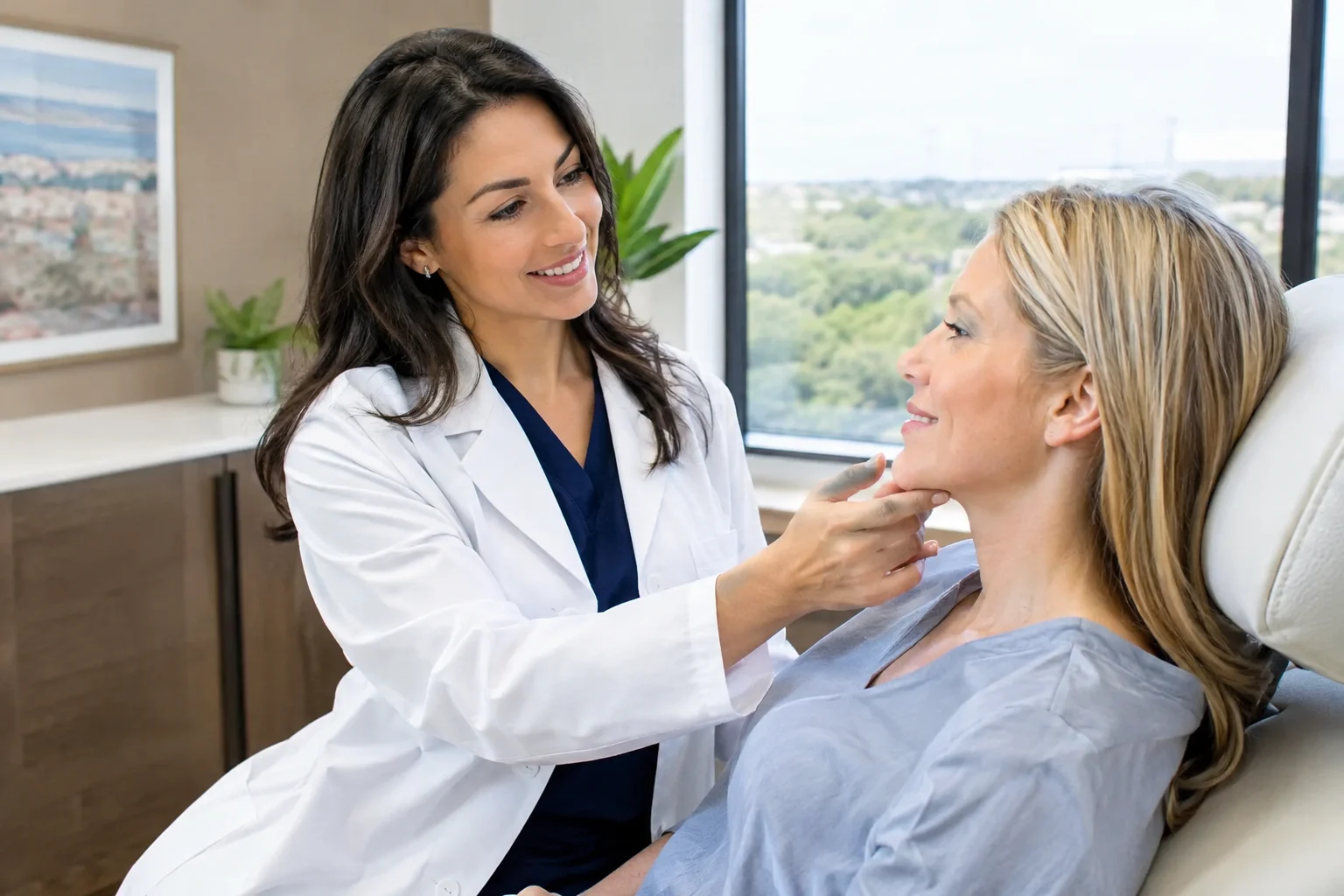
How to find plastic surgery care near Murphy
Start by identifying the type of care you are seeking. Cosmetic surgery focuses on changing or refining appearance, while reconstructive surgery may address changes related to injury, illness, a prior procedure, or a condition present from birth. Some practices offer both. If you are unsure which category fits your needs, contact a practice and ask whether it evaluates your concern; a consultation can clarify whether surgery, another treatment, or no treatment is appropriate.
Search for plastic surgeons serving Murphy and the surrounding area, and compare more than proximity alone. A nearby office may make consultations and follow-up visits easier to manage, but the surgeon’s relevant experience, communication style, facility arrangements, and aftercare plan are also important. Confirm that the practice is currently accepting patients and ask whether an initial visit is in person or, when available and suitable, remote. An online conversation does not replace an examination when one is needed.
Check qualifications and ask about experience
Before booking, verify the surgeon’s credentials and training using dependable sources. You can ask whether the surgeon is certified by the American Board of Plastic Surgery and confirm the information through the board’s official directory. Ask how often the surgeon performs the procedure or provides the kind of care you are considering, what results are realistic for someone with your circumstances, and what alternatives may be available. Professional credentials are one part of your decision; clear answers and a willingness to discuss risks matter too.
During a consultation, bring a list of questions and share relevant medical history, medications, allergies, previous procedures, and your goals. Be candid about factors that may affect healing, such as nicotine use or other health conditions. The surgeon should explain the proposed approach in language you understand, including possible complications and what would happen if you decide not to proceed. Take time to consider the information, and seek another qualified opinion if you want help comparing recommendations.
Understand costs, coverage, and scheduling
Ask for a written estimate that explains what is included and what may be billed separately. Fees can vary by procedure and individual treatment plan. Confirm whether the estimate includes the surgeon, anesthesia, facility, tests, follow-up appointments, and any prescribed supplies or garments. Ask about payment timing, cancellation terms, and financing options if offered; review any agreement carefully before committing.
Insurance coverage depends on the reason for treatment, the plan’s rules, and documentation. Cosmetic procedures are often not covered, while some reconstructive care may qualify under specific circumstances. Contact your insurer and the practice to understand any referral, prior authorization, medical-record, or eligibility requirements. Do not assume a procedure is covered until your insurer confirms the details in writing.
Plan for the procedure and recovery
If surgery is recommended, ask where it will take place and whether the facility is appropriately accredited or licensed for the planned care. Discuss anesthesia, preparation instructions, expected recovery, follow-up appointments, and whom to contact with concerns. Recovery varies by procedure and person, so request guidance tailored to your situation rather than relying on general timelines found online.
- Arrange a responsible adult or other support if your care team says you will need help getting home or during early recovery.
- Plan time away from work, caregiving, exercise, and other regular responsibilities according to your surgeon’s instructions.
- Make sure you know how routine follow-up will work and how to reach the care team after hours, if applicable.
- Follow your clinician’s instructions on medication, activity, wound care, and when to seek urgent medical attention.
For Murphy residents, travel time and dependable transportation can be practical considerations, particularly when appointments or post-procedure visits are required. Ask the practice how many visits are typically recommended for your specific plan and whether all follow-up must occur in person. If a complication or urgent concern arises, follow the care team’s instructions and seek emergency care when appropriate; do not wait for a routine appointment if you believe you need immediate help.
Make a decision that feels informed
A trustworthy consultation should leave you with a clearer understanding of your options, not a sense that you must decide immediately. Take home written information, review it with someone you trust if helpful, and compare recommendations, costs, and recovery arrangements. Be cautious of promises of guaranteed results or pressure to book quickly. Choosing a plastic surgeon near Murphy is not simply about finding the closest appointment; it is about selecting qualified care that fits your goals, health needs, and ability to manage treatment and follow-up.
Plastic Surgery Options for Murphy Residents
Murphy is a suburban community in Collin County, within the wider Dallas–Fort Worth area. Residents looking for a plastic surgeon can begin with practices serving Murphy and compare options in surrounding communities when a particular service, appointment time, or specialist experience is important. Since availability and services vary by practice, contact offices directly to confirm whether they provide the care you are considering and what steps are needed to arrange a consultation.
For people balancing work, family, and other commitments, access includes more than getting to an initial appointment. Consider the location of consultations and procedure facilities, transportation needs, time required for follow-up, and support at home during recovery. Ask whether the practice can coordinate visits around your schedule and explain how to contact the team with questions. Cosmetic and reconstructive care each require an individualized assessment, so a local consultation can help you understand options without committing to treatment. Comparing qualifications, communication, costs, and aftercare can help Murphy residents choose care that is practical as well as appropriate to their needs.
Frequently Asked Questions About Plastic Surgeon in Murphy, Texas
How can I choose a plastic surgeon serving Murphy, Texas?
Start by checking a surgeon’s training, current credentials, and experience with the specific procedure you are considering. You can verify certification directly with the relevant certifying organization and check professional licensing through the appropriate Texas state resources. During a consultation, ask how often the surgeon performs the procedure, what results are realistic for you, and where surgery would take place. Review before-and-after examples carefully, and make sure you feel comfortable asking questions.
What should I expect during a plastic surgery consultation?
A consultation is a chance to discuss what you hope to change, your health history, and whether surgery is an appropriate option. The surgeon may examine the area, explain possible approaches, and discuss expected results, limitations, risks, and recovery. Bring a list of medications and questions, and be open about prior procedures and relevant health conditions. You should have time to consider the information; a consultation does not obligate you to proceed.
Does insurance cover plastic surgery?
Coverage depends on why a procedure is being considered and on the terms of your individual insurance plan. Procedures performed primarily to change appearance are often treated differently from surgery needed to address injury, disease, or a functional problem. Ask the surgeon’s office whether documentation or prior authorization may be needed, then confirm benefits directly with your insurer before scheduling. Request an explanation of any expected fees so you understand what may be your responsibility.
What kinds of procedures does a plastic surgeon perform?
Plastic surgery can include cosmetic procedures intended to change appearance and reconstructive procedures that restore form or function after conditions such as injury or illness. The exact services offered vary by surgeon, so do not assume a particular procedure is available locally. If you have a specific goal, ask whether the surgeon regularly performs that operation, what alternatives may be appropriate, and whether another type of specialist should be involved in your care.
How do I assess the safety of a planned plastic surgery procedure?
Ask the surgeon to explain the risks that apply to your health and the procedure, including anesthesia, possible complications, and how concerns are handled after surgery. Find out who will provide anesthesia, where the operation will occur, and what safety standards apply to that facility. Share your complete medical history, medications, supplements, and tobacco or nicotine use. If you do not understand an answer or feel pressured, pause and seek clarification before deciding.
How should I plan for recovery after plastic surgery?
Recovery varies with the procedure, your health, and how your body heals, so ask for an individualized estimate rather than relying on a general timeline. Before surgery, discuss when you may resume work, driving, exercise, and normal household tasks. Arrange transportation if needed and consider help with caregiving or daily activities during the early recovery period. Follow your surgeon’s wound-care and activity instructions, and ask whom to contact if symptoms concern you.
How much does plastic surgery cost, and what should an estimate include?
The total cost depends on the procedure and the care required, so a specific estimate should come from the practice after evaluation. Ask for a written breakdown that explains which professional fees, facility charges, anesthesia, follow-up visits, and other items are included or billed separately. Also ask how changes to the plan could affect the total. If insurance may apply, confirm coverage with your insurer; do not assume financing or coverage is available.
What should I do before plastic surgery to prepare?
Preparation instructions depend on the operation and your health, so follow the plan provided by your surgical team rather than general advice online. Tell the surgeon about prescription and nonprescription medicines, supplements, allergies, prior anesthesia problems, and any recent changes in your health. Ask which medicines or habits need adjustment and when, and do not stop prescribed medication without guidance. Confirm fasting instructions, arrival arrangements, and whom to contact with questions before the procedure.