
Get Started With Plastic Surgeon Near Plano, Texas
Choosing a plastic surgeon is a personal decision that calls for careful research, clear communication, and time to consider your options. If you live in Plano, begin by identifying what you hope to address and whether you are seeking cosmetic surgery, reconstructive care, or a consultation to learn what may be appropriate. A qualified surgeon can discuss possible approaches, expected recovery, risks, and alternatives based on your individual health and goals.
You can look for plastic surgeons who serve Plano and nearby communities through professional directories, health plan resources, and referrals from clinicians you trust. Before scheduling, confirm the surgeon’s training, certification, current medical license, and experience with the procedure you are considering. Ask where surgery would take place and whether the facility meets appropriate accreditation standards. A thorough consultation should leave room for questions, realistic expectations, and an unhurried decision. Comparing more than one qualified professional may help you feel informed and comfortable with your next step.
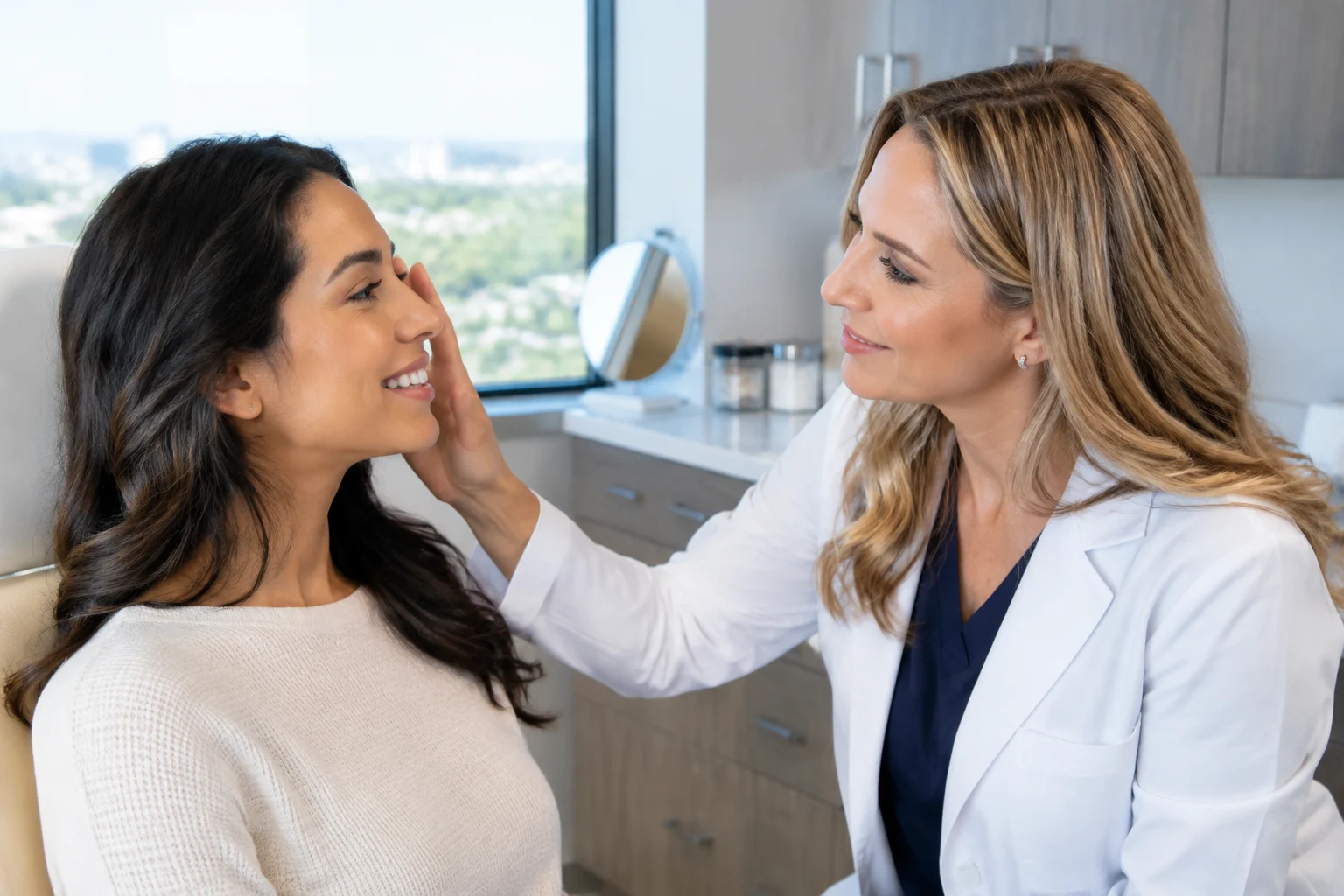
How to find plastic surgery care near Plano
Residents searching for a plastic surgeon near Plano can start with the specific kind of care they need. Plastic surgery includes a range of cosmetic and reconstructive procedures, and a surgeon’s experience may differ by procedure. Use professional medical directories, your health plan’s provider search, and referrals from a primary care clinician or specialist as starting points. These resources can help you identify professionals who see patients in or around Plano, but you should independently confirm current details and credentials.
Check whether the surgeon is certified by the American Board of Plastic Surgery, and verify an active Texas medical license through the relevant state resources. Ask about training and experience with the procedure you are considering, including how often the surgeon performs it and what alternatives may be available. Credentials are an important first screen, not a guarantee of a particular outcome. A direct conversation can help you understand whether the surgeon’s approach and communication style fit your needs.
What to expect at a consultation
A consultation is an opportunity to explain your goals, share relevant medical history, and learn what options may be appropriate. The surgeon may discuss your health, medications, prior procedures, and factors that could affect healing. Be open about your expectations and ask for a plain-language explanation of likely benefits, limitations, risks, and recovery. No ethical consultation should promise a specific result or pressure you to make a quick decision.
Consider bringing written questions and, if you wish, a trusted support person. Ask who will provide care before and after a procedure, how follow-up visits are arranged, and whom to contact if a concern arises. If surgery is proposed, clarify the planned location and confirm that the operating facility is appropriately accredited or licensed for the services it provides. Understand the full cost before committing, including professional fees, facility charges, anesthesia, follow-up care, and possible additional expenses.
Questions to ask before choosing a surgeon
- Are you certified by the American Board of Plastic Surgery, and can I verify your Texas license?
- What experience do you have with this specific procedure, and what other options should I consider?
- What are the common risks, possible complications, and expected recovery requirements?
- Where would the procedure take place, and what emergency arrangements are available?
- How will follow-up care work, and who should I contact with questions after treatment?
- What is included in the written fee estimate, and which costs may be separate?
Planning for care and recovery
Convenience matters, but it should not replace qualifications and a careful evaluation. When comparing options near Plano, consider travel time for consultations and follow-up appointments, transportation arrangements for the day of a procedure, and practical support during recovery. Ask the care team what time away from work or usual activities may be needed; recovery varies by procedure and individual health. Do not rely on a general timeline in place of instructions from your own clinician.
For reconstructive care, ask whether the practice can coordinate with other clinicians involved in your treatment. If you plan to use insurance, contact your insurer before proceeding to learn whether the service is covered, whether a referral or prior authorization is required, and what costs may remain your responsibility. Cosmetic procedures are often handled differently from medically necessary care, so request written information rather than assuming coverage.
Make an informed local choice
Take time to compare qualified surgeons and review the information you receive. A trustworthy practice should answer questions clearly, explain uncertainty, discuss alternatives, and give you time to decide. Be cautious of guarantees, unclear pricing, or pressure to book immediately. If something is not clear, ask for clarification or seek another qualified opinion. The right next step is one that reflects your health, goals, and comfort with the proposed plan.
Plastic Surgery Options for Plano Residents
Plano residents can explore plastic surgery care by searching for qualified clinicians who serve the city and surrounding North Texas communities. Depending on the procedure and provider, an appointment may involve travel within the area, so consider how easily you can attend an initial consultation and any recommended follow-up visits. When comparing options, focus first on relevant training, experience, communication, and facility standards; then weigh scheduling and travel convenience. Confirm each practice’s current location and services directly rather than relying on an old directory listing.
As a large suburban community in the Dallas–Fort Worth area, Plano includes people with varied schedules, health needs, and reasons for seeking surgical consultation. Some may be exploring a cosmetic procedure, while others may need reconstructive care or guidance after another treatment. A local search can make it easier to identify clinicians to contact, but the closest option is not automatically the best fit. Ask whether the surgeon regularly treats concerns like yours, how care is coordinated, and what follow-up entails. If insurance may apply, check coverage and authorization requirements before making plans. Taking time to compare qualified options can help Plano patients make a considered choice that fits their medical needs and practical circumstances.
Frequently Asked Questions About Plastic Surgeon in Plano, Texas
How do I choose a plastic surgeon in Plano?
Start by identifying a surgeon whose training and experience match the procedure you are considering. Ask about relevant credentials, how often they perform that procedure, where surgery would take place, and who provides anesthesia. Review before-and-after photos as examples of results, not promises of what you will achieve. During a consultation, notice whether the surgeon discusses risks, alternatives, and realistic outcomes, and gives you time to ask questions without pressure.
What should I expect at a plastic surgery consultation?
A consultation usually begins with a discussion of your goals, medical history, medications, and prior procedures. The surgeon may examine the area of concern and explain suitable options, likely limitations, risks, and recovery needs. Bring a list of questions and be candid about health conditions and expectations. You should leave understanding the proposed plan and next steps; it is reasonable to request time to consider your options or seek another opinion.
Which procedures can a plastic surgeon discuss with me?
Plastic surgeons may provide consultations about both cosmetic and reconstructive concerns, but the procedures offered vary by individual practice and surgeon training. Depending on your needs, a discussion might involve facial, breast, or body procedures, reconstruction, or nonsurgical treatments. Ask whether the surgeon personally performs the service you are considering and what alternatives may be appropriate. A consultation can help determine whether a procedure fits your goals and health, or whether referral to another specialist is advisable.
How much does plastic surgery cost in Plano, Texas?
The cost depends on the procedure, its complexity, anesthesia, facility fees, and any follow-up care. Because those details differ from one treatment plan to another, request an itemized estimate after an evaluation rather than relying on a general figure. Ask what the estimate includes, what could create additional charges, and what payment or financing options are available. Cosmetic procedures are often not covered by insurance, while coverage for reconstructive care depends on the plan and medical circumstances.
How long is recovery after plastic surgery?
Recovery varies substantially with the procedure, your health, and the nature of your work and daily activities. Before scheduling, ask the surgeon about expected discomfort, wound care, activity restrictions, follow-up visits, and when you may return to driving, work, or exercise. Arrange help at home if the care plan calls for it. Follow the instructions you receive, and contact the care team if you have concerns rather than changing restrictions based on general online timelines.
What risks should I discuss before having plastic surgery?
Every operation has risks, and the specific concerns depend on the procedure and your health. Ask about complications such as bleeding, infection, scarring, anesthesia-related problems, changes in sensation, and the possibility of revision when relevant. Discuss how risks may be affected by medications, smoking, or existing conditions, and how complications would be managed. Make sure you understand the expected benefits, alternatives, and recovery demands before deciding; informed consent should include a clear opportunity to ask questions.
How can I prepare for plastic surgery?
Preparation begins with following the surgeon's personalized instructions, since requirements differ by procedure and medical history. Share a complete list of prescriptions, supplements, allergies, and health conditions, and ask before stopping or starting any medication. Clarify whether you need to avoid eating or drinking, arrange a ride, or have someone assist you afterward. Confirm the plan for follow-up and whom to contact with concerns. Do not rely on generic preparation advice when your care team has given specific directions.
Will insurance cover plastic surgery?
Coverage depends on whether the care is considered medically necessary under your policy and on the details of the proposed treatment. Cosmetic surgery is commonly excluded, while some reconstructive procedures may qualify when policy requirements are met. Ask the surgeon's office for documentation or billing guidance, then contact your insurer directly to verify benefits, prior authorization, exclusions, and potential out-of-pocket costs. Request confirmation in writing when possible, since a consultation or estimate alone does not guarantee that a claim will be covered.