
Hair Transplant and Your Options Near McKinney
Hair loss can affect confidence and daily life, but the right next step depends on its cause, pattern, and progression. McKinney residents considering a hair transplant can start with a consultation from a qualified hair-restoration physician, either locally or with a provider elsewhere in the North Texas area. An evaluation can help determine whether surgery is appropriate, what results may be realistic, and whether nonsurgical care should be considered first.
A hair transplant moves hair follicles from a donor area, often the back or sides of the scalp, to areas with thinning or loss. Techniques, candidacy, cost, and recovery vary from person to person. Before choosing a provider, ask who performs each part of the procedure, what follow-up is included, and how the plan addresses future hair loss. Comparing options thoughtfully can help you make a decision that fits your health, schedule, and goals.
How to explore hair transplant care near McKinney
For people in McKinney, researching hair restoration can begin with a conversation with a physician who evaluates hair loss and performs or oversees transplant procedures. Some residents may look for appointments in McKinney or nearby communities, while others may compare providers across the wider North Texas region. Availability and travel distance depend on the provider, so confirm the consultation location and whether an initial discussion can be held remotely.
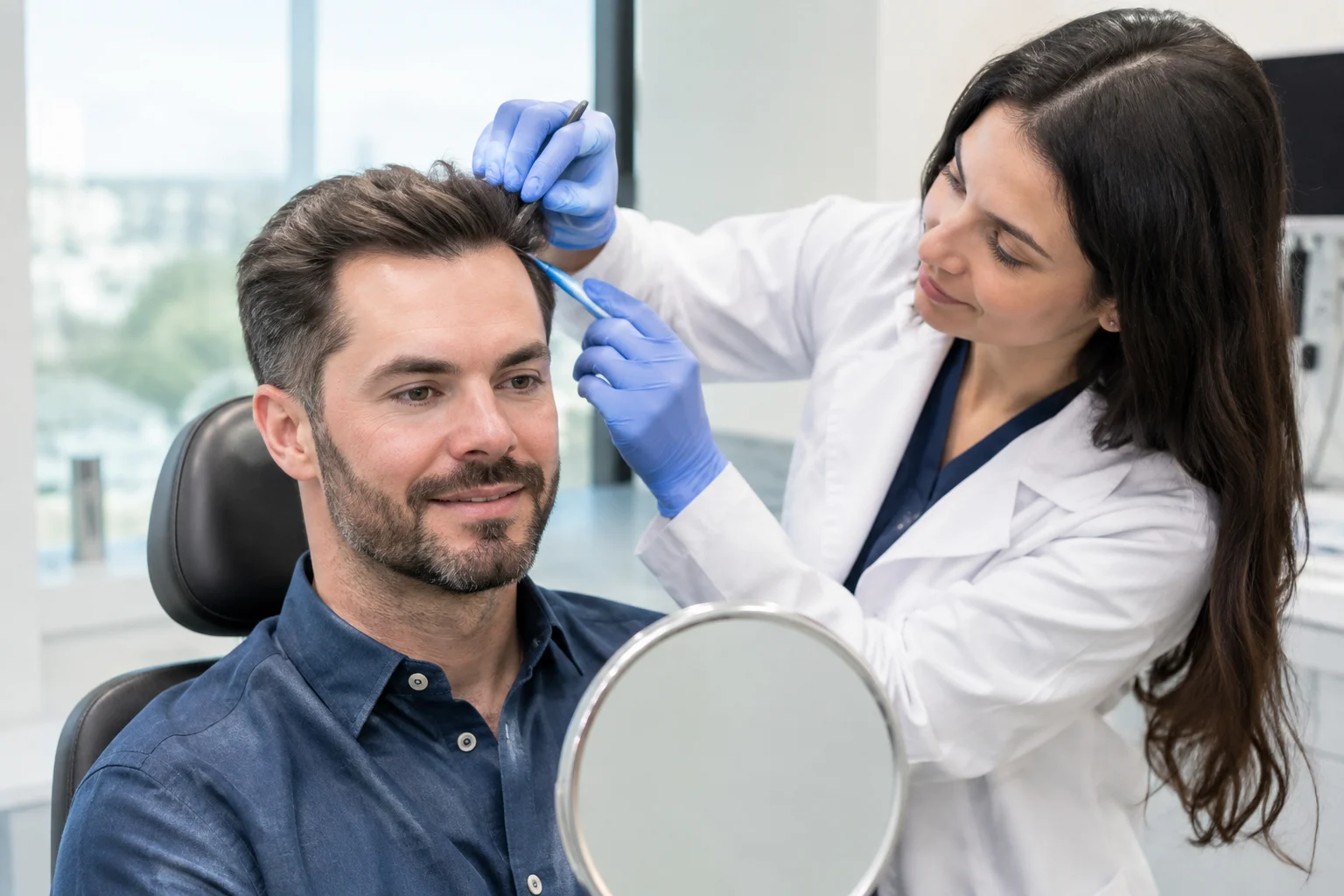
A useful first visit should focus on more than a quote. The clinician can review your medical history, examine your scalp, discuss the pattern and duration of hair loss, and ask about your goals. Hair loss can have different causes, and a transplant is not the right option for everyone. A careful assessment helps identify whether surgery is suitable now, whether treatment or monitoring should come first, and what outcomes are reasonable for your situation.
Understand the procedure options
Hair transplantation generally involves moving follicles from a donor area to areas where more coverage is desired. Two commonly discussed approaches are follicular unit extraction (FUE) and follicular unit transplantation (FUT). With FUE, individual follicular units are removed from the donor area. With FUT, a strip of scalp is removed and divided into follicular units. Each approach has different considerations, including the type and visibility of scarring, the way grafts are collected, and suitability for a particular patient.
Ask the provider to explain which method they recommend and why. The plan should account for donor-hair availability, the size and location of thinning areas, hair characteristics, and the possibility of continued hair loss. A responsible consultation should also explain limitations: transplanted hair does not create unlimited density, and results vary. Your clinician can describe the expected timeline, possible complications, and what care is needed before and after the procedure.
Questions to ask before choosing a provider
Comparing providers can help you understand both the medical plan and the practical details of care. Consider asking:
- What qualifications and experience does the physician have in hair restoration?
- Who plans the hairline, performs the procedure, and oversees the clinical team?
- How will the clinician assess donor supply and the likely progression of hair loss?
- What results are realistic for my hair type and the areas I want to address?
- What are the risks, recovery expectations, and instructions for follow-up?
- What does the quoted fee include, and are medications or later visits separate?
- Can the provider explain the plan in writing and give me time to consider it?
Be cautious of pressure to book quickly or promises of guaranteed results. Before-and-after images may help you discuss style and coverage, but they cannot predict your individual outcome. Verify credentials and ask who is medically responsible for your care. If you are uncertain, seeking another qualified opinion is a reasonable way to compare recommendations.
Plan for recovery and follow-up
Although many procedures are scheduled as outpatient care, recovery instructions and time away from normal activities differ. Ask how long you may need to avoid strenuous exercise, how to protect the scalp, and when you can return to work or regular routines. If you would travel from McKinney to another North Texas community for treatment, plan transportation and follow-up appointments in advance. Confirm whom to contact with questions after the procedure and what arrangements are available if you need an in-person review.
Hair growth after transplantation takes time, and the visible change is gradual rather than immediate. Your provider should set expectations for the healing and growth process and explain how progress will be monitored. Since hair loss can continue in untreated areas, ask whether ongoing medical management may be appropriate. Do not start, stop, or change medication without discussing it with a qualified clinician.
Compare surgery with other approaches
A transplant is one option among several. Depending on the cause of hair loss and your health, a clinician may discuss prescription or over-the-counter treatments, scalp care, cosmetic coverage, or simply monitoring changes. Nonsurgical options may be appropriate on their own or alongside a surgical plan, but they have their own benefits, limits, and possible side effects. An individualized evaluation can help you compare choices without assuming that a procedure is necessary.
For McKinney residents, the most practical route is to identify qualified providers, arrange an evaluation, and compare recommendations, costs, travel requirements, and follow-up support. Taking time to understand the plan can make it easier to choose care that aligns with your priorities and allows for informed decisions at every stage.
Hair Restoration Options for McKinney Residents
McKinney is part of the growing North Texas community, where residents balance work, family, and other commitments. When considering a hair transplant, convenience matters, but the quality of the evaluation and the continuity of care matter just as much. Depending on availability, residents can explore consultations in McKinney or compare qualified providers in nearby communities and the wider Dallas-area region. Confirm locations, appointment formats, and follow-up arrangements directly with each provider rather than assuming every service is offered close to home.
A local starting point can be a discussion with a healthcare professional who can help assess hair loss and explain whether a specialist evaluation may be useful. When comparing options, consider travel for the initial consultation, procedure, and any recommended follow-up. Ask whether remote consultations are available for preliminary discussions, while recognizing that an in-person examination may be needed to make a treatment plan. Reviewing qualifications, communication style, costs, and recovery guidance can help you choose care that fits your needs.
Hair restoration is a personal decision, and not every person with thinning hair is a candidate for surgery. McKinney residents benefit from taking time to understand the cause of their hair loss, compare surgical and nonsurgical approaches, and set realistic expectations. A thoughtful process supports informed choices without pressure and helps ensure that any plan accounts for both immediate goals and possible changes over time.
Frequently Asked Questions About Hair Transplant in McKinney, Texas
How can I tell whether I’m a good candidate for a hair transplant?
Candidacy depends on the cause and pattern of hair loss, the amount and quality of donor hair, your health, and your expectations. A clinician will typically review your history and examine your scalp before recommending a procedure. Hair loss that is still changing may affect planning, and some conditions are better treated in other ways. A consultation can help clarify suitable options for you in McKinney, including whether further evaluation is needed.
What is the difference between FUE and FUT hair transplant techniques?
FUE removes individual follicular units from the donor area, while FUT removes a narrow strip of scalp that is divided into grafts. Both methods aim to place follicles into areas with thinning or hair loss, but they differ in how donor hair is collected and the types of scars they may leave. The appropriate approach depends on factors such as your scalp, hairstyle preferences, and treatment goals. Ask a qualified clinician to explain which options are available and why.
What should I expect during a hair transplant consultation in McKinney?
A consultation generally includes a discussion of your hair-loss history, health, medications, goals, and expectations. The clinician may examine your scalp and donor area, explain possible approaches, and discuss limitations, risks, recovery, and likely costs. Bring a list of medications and any questions, including whether your hair loss needs medical evaluation before surgery. A useful consultation should give you time to understand the plan and make an informed decision without feeling pressured.
How much does a hair transplant cost?
The cost varies with factors such as the number of grafts recommended, the technique used, the complexity of the procedure, and what the provider includes in the treatment plan. There is no reliable price that applies to everyone. Ask for an itemized written estimate and clarify whether consultation, medications, follow-up visits, or additional care are included. Comparing plans is most helpful when you understand what is proposed and why, rather than comparing a price alone.
How much time should I plan for recovery after a hair transplant?
Recovery varies by person and procedure. The treated areas may be tender or swollen, and small scabs can form around grafts; your clinician should explain how to care for them and when to resume normal activities. Some people return to desk-based work within a few days, but this is not universal. Follow the clinic’s specific instructions about washing, exercise, and sun exposure, and contact your care team if symptoms seem severe or unexpected.
When will I see results from a hair transplant?
Visible change takes time. Transplanted hairs commonly shed during the early healing period, and new growth develops gradually over the following months. Many people begin noticing growth around several months after treatment, while the appearance can continue to mature for a year or longer. Individual timelines differ, and results depend on factors such as healing and the treatment plan. Ask your clinician what milestones to expect and when follow-up assessments are recommended.
What risks or side effects should I consider before surgery?
Possible effects include temporary discomfort, swelling, bleeding, infection, changes in scalp sensation, scarring, or an uneven or unnatural-looking result. The likelihood and significance of risks vary with the person and procedure. A clinician should discuss your medical history, explain how risks are managed, and tell you which symptoms need prompt attention after treatment. Make sure you understand the consent information and have a way to contact your care team with recovery questions.
Will a hair transplant stop my hair loss from progressing?
A transplant redistributes follicles; it does not necessarily prevent untreated hair from continuing to thin. Hair in the donor area may be more resistant to loss, but surrounding native hair can change over time, which may affect the overall appearance. Your clinician can discuss whether medical treatment or monitoring may be appropriate alongside surgery and how future hair loss could influence planning. No procedure can guarantee a particular density or that additional treatment will never be needed.