
Hair Transplant at Dr. Slack’s Practice Near Heath
Hair loss can affect confidence and everyday choices, and finding out whether a hair transplant is appropriate begins with a personal medical assessment. Residents of Heath can contact Dr. Slack’s practice near Heath to ask about consultation availability, the office location, and what to expect before scheduling. A consultation is an opportunity to discuss your hair-loss history, goals, health, and the options the practice currently offers—not a commitment to proceed with treatment.
Planning locally can make it easier to fit an appointment into work, family, and other responsibilities. When you call, ask how much time to allow, whether photographs or medical records are useful, and what travel or preparation details to keep in mind. The clinician can explain potential benefits, limitations, risks, recovery considerations, and costs based on your individual situation. Hair transplant results and candidacy vary, so a careful discussion helps you make an informed decision that reflects your needs.
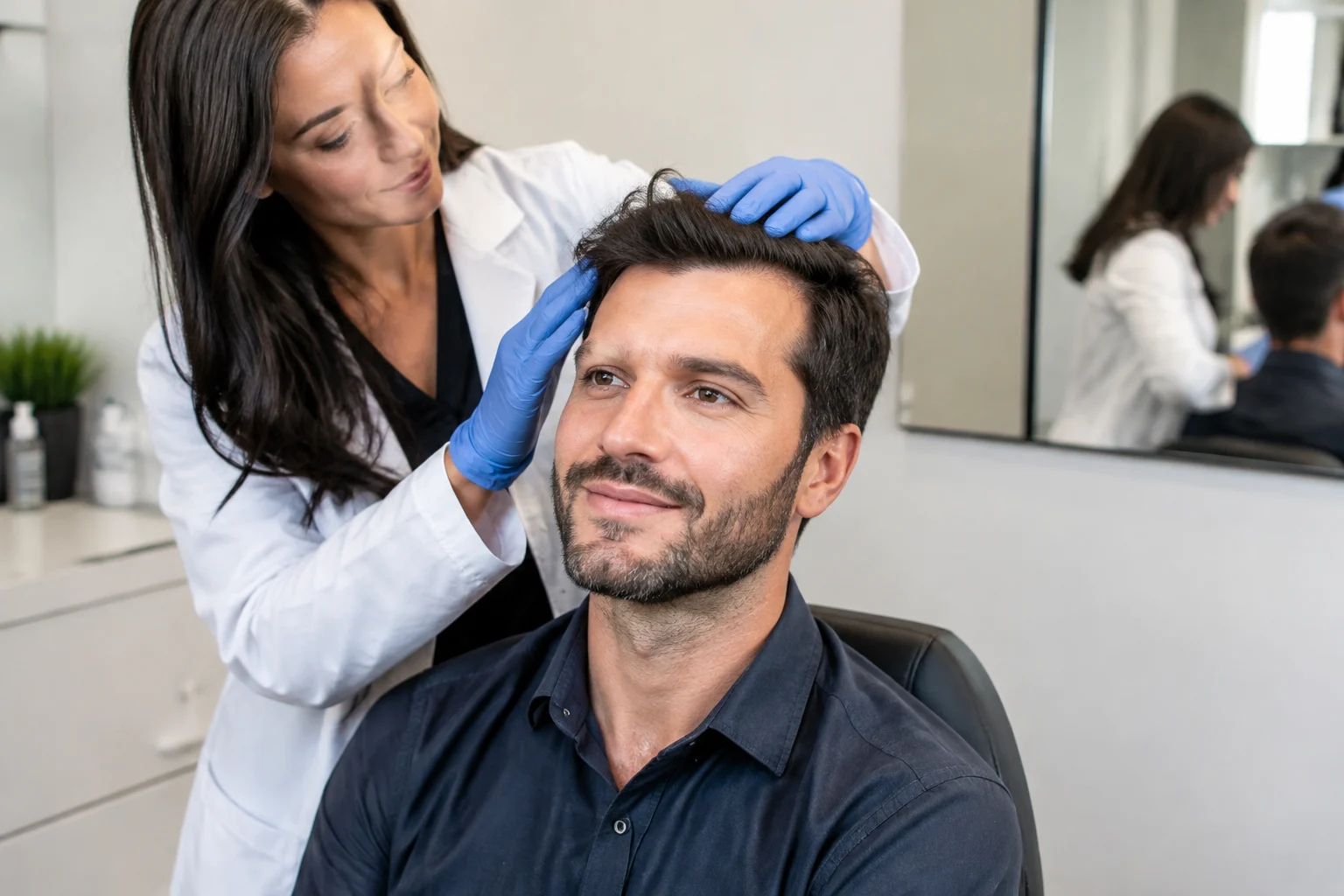
Accessing a hair transplant consultation near Heath
For people living in Heath, the first step is to contact Dr. Slack’s practice near Heath and confirm current consultation availability and location details. Because appointments and services can change, ask the practice directly about scheduling, directions, and any information to bring. A consultation gives you time to describe your concerns and learn whether surgical hair restoration may be a reasonable option for you.
Before booking, consider noting when you first noticed hair loss, how it has changed, and whether close relatives have experienced similar changes. Bring a list of medications, supplements, relevant medical conditions, and previous hair-loss treatments. These details help the clinician understand your circumstances and determine whether additional evaluation or a different approach is appropriate.
What happens during an evaluation
A hair transplant consultation generally includes a review of your health and hair-loss history, an examination of the scalp and donor area, and a discussion of your expectations. The clinician may explain the pattern and likely progression of hair loss, the amount of donor hair available, and how those factors affect a possible treatment plan. Ask how the practice evaluates candidacy and whether other causes of hair loss should be considered before surgery.
Hair transplantation moves hair follicles from a donor area to areas where added coverage is desired. Different surgical methods may be available, but the appropriate technique depends on the patient and the practice’s current offerings. Ask the clinician to explain which options, if any, could fit your needs, what each involves, and what trade-offs to consider. A transplant does not stop all future hair loss, and the appearance of results can vary from person to person.
Questions to ask before deciding
Use the appointment to understand both the potential benefits and the practical demands of treatment. Clear answers can help you compare options without feeling rushed. You may want to ask:
- Am I a suitable candidate, and what factors could affect my result?
- Which procedures does the practice offer, and why might one be recommended?
- What risks, side effects, recovery time, and follow-up visits should I expect?
- When might new growth become noticeable, and what outcomes are realistic?
- Could I need additional treatment or ongoing care for continued hair loss?
- What is included in the cost, and what payment or financing information is available?
Results are not guaranteed. A qualified clinician should explain the limits of surgery, discuss alternatives where appropriate, and give you time to consider your decision. Be cautious of promises of a particular density or a guaranteed outcome; individual healing and growth differ.
Planning appointments from Heath
Once you have confirmed the practice location, plan your visit around the time needed for the consultation and any follow-up the clinician recommends. If you are traveling from Heath, ask the office for current directions and arrival instructions rather than relying on assumptions about the route or parking. You can also ask whether an initial conversation can take place by phone or online, if that is an option, and which visits must be in person.
If surgery is recommended and you choose to proceed, discuss scheduling and recovery plans before setting a date. Ask how long to keep your calendar flexible, whether you should arrange help getting home, and what restrictions may apply to work, exercise, or routine activities. Follow the practice’s specific pre- and post-procedure instructions, and contact the clinical team if you have concerns during recovery. Planning ahead can make care more manageable while keeping expectations grounded in medical guidance.
Making an informed choice
A hair transplant is a personal decision, not the only response to hair loss. Depending on your diagnosis and goals, the clinician may discuss nonsurgical care or recommend further assessment. Take time to review the information, ask follow-up questions, and consider whether the proposed plan fits your health, preferences, and budget. Residents near Heath can begin by contacting Dr. Slack’s practice to learn about current services and arrange a conversation with the care team.
Hair restoration care for Heath residents
Heath is a community in the greater Rockwall area of Texas, where residents balance local commitments with access to services across the surrounding region. For someone considering hair restoration, a practice near Heath may offer a convenient starting point for discussing hair loss without assuming that surgery is right for everyone. Contacting Dr. Slack’s practice directly helps confirm where appointments take place, what consultation times are available, and how to prepare for a visit.
Hair loss concerns can be personal, and the right next step depends on factors such as health, the cause and pattern of hair loss, donor hair, and individual expectations. A one-to-one consultation can help Heath residents understand possible treatment approaches, limitations, risks, recovery needs, and costs. It also gives patients a chance to ask whether further evaluation or nonsurgical options should be considered. Local access can make it easier to plan an initial discussion and any follow-up, while direct communication with the practice ensures that travel and appointment details are current.
Whether you are researching a transplant or simply looking for reliable information, take time to make a decision that feels informed and appropriate. Ask questions, review the clinician’s recommendations, and remember that results vary. The practice can explain its current services and help you determine what conversation to have next.
Frequently Asked Questions About Hair Transplant in Heath, Texas
Who may be a good candidate for a hair transplant in Heath?
A transplant may suit adults with stable, pattern-related hair loss and enough healthy donor hair, usually at the back or sides of the scalp. Suitability depends on the cause and pattern of hair loss, scalp health, medical history, and expectations. A clinician should assess these factors before recommending surgery; some types of hair loss need medical treatment or further evaluation instead. Age alone does not determine candidacy, and a transplant cannot prevent future hair loss in untreated areas.
What happens during a hair transplant consultation?
A consultation typically includes a review of your health and hair-loss history, an examination of the scalp, and discussion of donor hair, goals, and likely limitations. The clinician may explain surgical options and whether additional evaluation or treatment is appropriate. Bring a list of medications and relevant health conditions, and be ready to describe when the hair loss began. Ask how the plan accounts for possible future thinning, what recovery involves, and what costs are included before deciding.
What is the difference between FUE and FUT hair transplant methods?
FUE removes individual follicular units from the donor area, while FUT removes a narrow strip of scalp from which follicular units are prepared. Both methods place follicles into thinning or bald areas, but they differ in how donor tissue is collected and the resulting scar pattern. The right approach depends on your scalp, hair characteristics, goals, and clinician assessment. Discuss expected scarring, recovery, donor-hair limits, and the experience of the clinician performing each step.
How should I prepare for hair transplant surgery?
Follow the treating clinician’s instructions, since preparation can vary by procedure and personal health. Share all prescription medicines, supplements, allergies, and medical conditions; do not stop or change medication unless your clinician advises it. Ask whether you should avoid alcohol, smoking, or particular medicines before surgery, and arrange transportation if sedation or post-procedure discomfort could make driving unsafe. Confirm what to wear, when to wash your hair, and what supplies or aftercare instructions you should have at home.
What is recovery like after a hair transplant?
After surgery, the scalp may be tender, swollen, or temporarily numb, and small scabs can form around transplanted follicles. Your clinician should give specific instructions for washing, sleeping, activity, and protecting the grafts. Follow those directions rather than rubbing or picking at the area. Ask when you can return to work, exercise, and normal hair care, since timing varies with the procedure and individual healing. Contact the care team if symptoms seem severe or worsen instead of improving.
When will I see results from a hair transplant?
Visible growth takes time. Transplanted hairs commonly shed during the early healing period, which does not necessarily mean the follicles have failed. New growth develops gradually over subsequent months, and the appearance continues to mature. The pace and final coverage vary with the person, donor supply, hair characteristics, and treatment plan. At consultation, ask what milestones are realistic for your case and how progress will be monitored; avoid judging the outcome during the initial shedding phase.
How much does a hair transplant cost, and what affects the estimate?
The cost depends on factors such as the extent of hair loss, the amount of donor hair needed, the planned technique, and what care is included. An estimate should follow an assessment rather than a general online figure, because the appropriate plan differs from person to person. Ask for a written breakdown of surgical fees, any consultation or follow-up charges, and payment terms. Also clarify whether recommended medicines or other treatments are separate from the procedure cost.
Can a hair transplant treat hair loss caused by a medical condition?
Not every kind of hair loss is appropriate for transplantation. Hair loss related to an active scalp condition, inflammation, illness, medication, or another medical cause may need diagnosis and treatment first. Moving follicles does not address the underlying cause, and surgery could be unsuitable until the condition is controlled. In Heath, as elsewhere, seek an assessment from a qualified clinician who can review your history and scalp, explain alternatives, and refer you for further evaluation when needed.