
Hair Transplant at Dr. Slack’s Practice Near Lewisville
People in Lewisville considering a hair transplant can explore care through Dr. Slack’s practice, located near the city. The first step is to contact the practice and ask about consultation availability, location, and the treatment options offered. A consultation gives you an opportunity to discuss your hair-loss history, goals, health considerations, and whether a surgical approach may be appropriate. It is also a chance to understand what the process involves before deciding whether to proceed.
Planning care near Lewisville can make it easier to fit appointments into work, family, and other North Texas routines. Before scheduling, ask how many visits may be recommended, what preparation and follow-up involve, and what to expect during recovery. Hair transplant results and candidacy vary from person to person, so individualized medical guidance matters. Taking time to compare information, ask questions, and understand the possible benefits and limitations can help you make a considered decision.
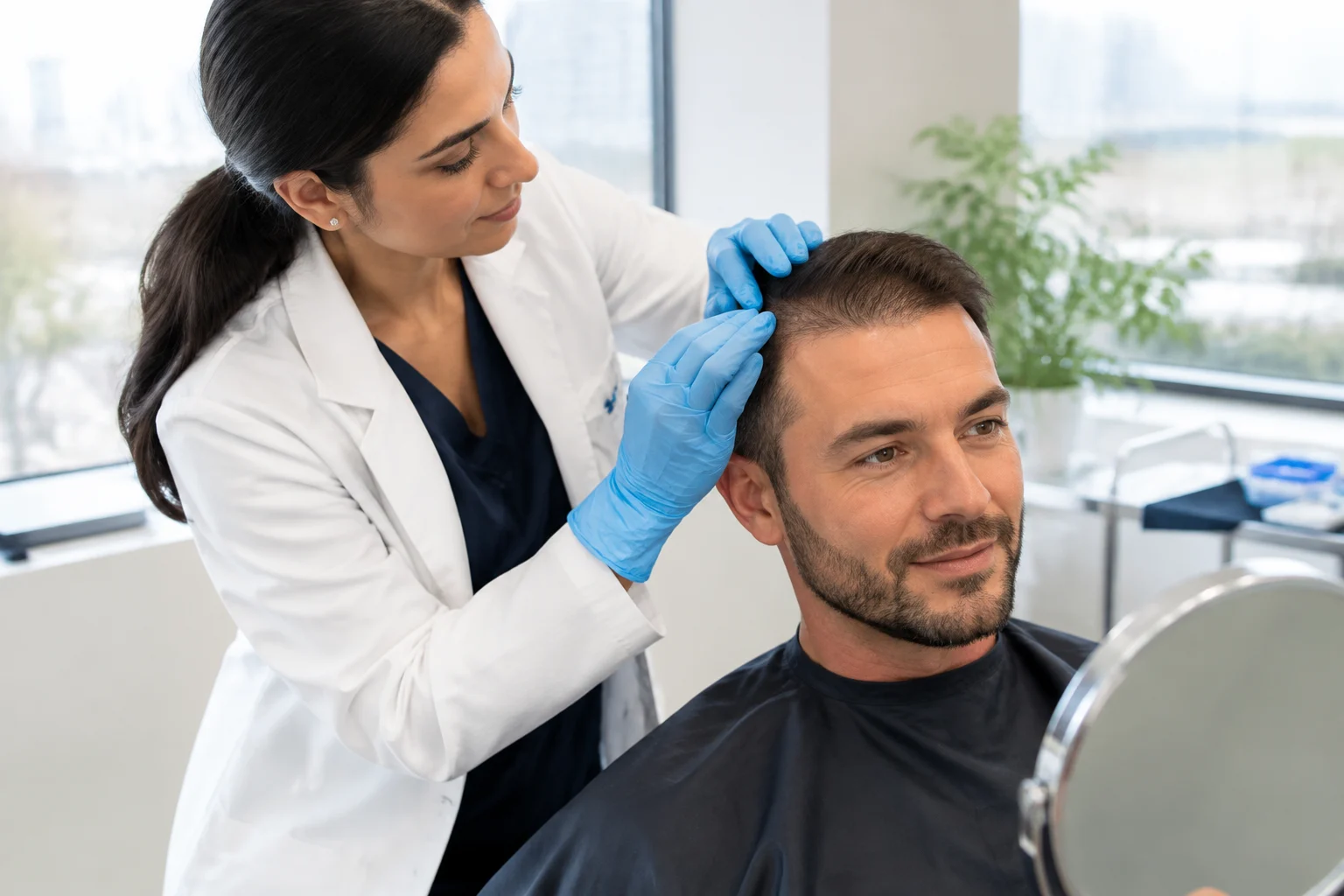
Exploring hair transplant care near Lewisville
Hair loss can affect people in different ways, and the right response depends on its cause, pattern, and progression. For Lewisville residents interested in a hair transplant, a consultation with Dr. Slack’s practice near the city can be a starting point for learning about available care. Contact the practice directly to confirm where appointments take place, current availability, and which services are offered. This helps you plan locally without assuming that every treatment or appointment type is available.
A hair transplant is a surgical procedure that relocates hair follicles from one area of the scalp to another. Whether it may suit you depends on factors such as the pattern of hair loss, the supply of donor hair, general health, and personal expectations. A qualified clinician can assess these factors and explain whether transplantation, another approach, or further evaluation may be more appropriate. No procedure can promise a particular result, and individual outcomes differ.
What to expect from an initial consultation
The first appointment is an opportunity to discuss your concerns and receive an individualized assessment. Be ready to describe when you noticed hair loss, whether it has changed over time, relevant medical history, medications, and any previous treatments. You can also explain what kind of change you hope to achieve. The clinician may examine your scalp and discuss likely causes, suitability, alternatives, and the limits of treatment. Ask which details can be assessed during the consultation and whether additional evaluation is needed.
Consider bringing a written list of questions so you can compare the information you receive with your priorities. Topics may include:
- Which hair restoration options are available through the practice, and who may be a candidate?
- What does the recommended procedure involve, including preparation and aftercare?
- What risks, side effects, or limitations should be considered?
- How many visits may be needed, and what follow-up is recommended?
- What costs may apply, and what payment or insurance information should you confirm?
Clear answers can help you make an informed choice without feeling rushed. If an option is not suitable, ask about non-surgical approaches or whether a referral or additional medical evaluation would be useful.
Planning appointments from Lewisville
Because the practice is described as near Lewisville, confirm its location and appointment details before making travel plans. Ask about available consultation times, how long to allow for the visit, and whether any records or photographs should be brought. If you are considering a procedure, find out whether you will need someone to accompany you or help you get home, and whether you should plan time away from work or regular activities. These arrangements depend on the recommendations provided for your specific care.
Residents can make the process more manageable by grouping practical questions together when contacting the office. Confirm scheduling, directions, parking or arrival instructions, and the best way to reach the practice with follow-up questions. If you live elsewhere in the Lewisville area or nearby North Texas communities, allow for travel time and ask whether follow-up visits can be arranged in a way that fits your schedule. Do not rely on online descriptions alone for current office information; the practice can provide the details that apply to your appointment.
Making a decision that fits your goals
A hair transplant is a personal medical decision, not simply a cosmetic appointment. Take time to understand the proposed plan, recovery guidance, expected timing, and the possibility that results may not match your ideal outcome. Ask how the clinician will evaluate progress and what to do if you have concerns after treatment. If you are uncertain, it is reasonable to ask for clarification or seek another professional opinion before proceeding.
For Lewisville residents, access to a practice nearby can offer a convenient way to begin that conversation and learn what options may be appropriate. The value of a local consultation is the opportunity to get information tailored to your situation and to plan care with practical travel and follow-up needs in mind. Contact Dr. Slack’s practice to confirm services and discuss whether a hair transplant consultation is a suitable next step for you.
Hair Restoration for Lewisville Residents
Lewisville residents balance work, family commitments, and everyday travel across a growing North Texas area. When considering a hair transplant, finding out about care near home can make it easier to arrange an initial consultation and plan any recommended follow-up. Dr. Slack’s practice is described as near Lewisville; contact the office to verify its location, appointment availability, and the services currently offered. Confirming those details directly is especially helpful before arranging transportation or time away from your usual routine.
Hair loss affects people differently, so local access is most useful when it supports a careful, personal discussion rather than a one-size-fits-all plan. At a consultation, you can ask about candidacy, alternatives, preparation, recovery, possible risks, and costs. You can also discuss how appointments might fit with your schedule and what travel arrangements may be needed. A nearby option may reduce some logistical friction, but suitability and results depend on individual factors and should be evaluated by a clinician. Taking time to understand the choices can help you decide whether to pursue treatment or consider other next steps.
Frequently Asked Questions About Hair Transplant in Lewisville, Texas
Am I a good candidate for a hair transplant in Lewisville?
Candidacy depends on the cause and pattern of hair loss, the amount of stable donor hair, your health, and your expectations. A transplant may be considered for some people with pattern hair loss, but it is not suitable for every type of hair loss or every stage. A qualified clinician should assess your scalp and medical history before recommending treatment. Ask whether nonsurgical options or waiting for hair loss to stabilize may be more appropriate.
What is the difference between FUE and FUT hair transplant procedures?
FUE involves removing individual follicular units from the donor area, while FUT removes a narrow strip of scalp from which follicular units are prepared. Both methods relocate hair follicles, but they differ in how donor hair is collected and in the type of scarring that may result. The appropriate option depends on your hair characteristics, goals, and clinical assessment. Ask the clinician to explain likely benefits, limitations, healing, and scarring for each method in your case.
What should I expect at a hair transplant consultation?
A consultation usually involves discussing your hair-loss history, health, medications, goals, and previous treatments. The clinician may examine your scalp and donor area, then explain whether transplantation is suitable and what results may realistically be achievable. You can ask about the proposed technique, risks, recovery, follow-up care, and total treatment costs. Bring a list of medications and questions, and share any changes in your hair loss so the assessment can be more informed.
How much does a hair transplant cost in Lewisville?
The cost varies by the treatment plan, the amount of work involved, the technique used, and what care is included. A reliable estimate requires an individual assessment, so a general figure may not reflect your situation. Before deciding, request a written breakdown covering the procedure, consultations, follow-up visits, and any recommended additional care. Ask whether financing or payment arrangements are available, and compare plans based on what is included rather than price alone.
How long is recovery after a hair transplant, and when can I return to work?
Recovery varies with the procedure, your health, and the demands of your job. You may have temporary scalp tenderness, swelling, redness, or small scabs, and your clinician will give instructions for washing, sleeping, activity, and protecting the treated area. Some people return to desk work sooner than to physically demanding work, but there is no single timeline for everyone. Plan time away based on your clinician’s guidance, and contact the care team if symptoms concern you.
When will I see results from a hair transplant?
A transplant does not produce an immediate finished result. Transplanted hairs commonly shed during the early healing period, and new growth develops gradually over subsequent months. The timing and visible outcome vary by person, treatment area, and individual healing. Your clinician should explain the expected stages and when to attend follow-up appointments. Take progress photos under similar lighting if recommended, and avoid judging the outcome too early or comparing your timeline directly with someone else’s.
Can hair loss continue after a transplant?
Yes. A transplant moves selected follicles into treated areas, but it does not necessarily stop the surrounding, non-transplanted hair from thinning. This can affect how the overall result looks over time and may influence where grafts are placed. Discuss a long-term plan with the clinician, including whether medical treatment or monitoring is appropriate for you. Ask how future hair loss could change the appearance and whether additional treatment might ever be considered.
What questions should I ask before choosing a hair transplant provider near Lewisville?
Ask who will assess you and perform each part of the procedure, what method is recommended and why, and what risks or limitations apply to your situation. Request a clear explanation of the expected result, donor-area planning, recovery instructions, follow-up arrangements, and all costs. Also ask how the provider handles complications and what alternatives exist if transplantation is not appropriate. Take time to review the answers and make sure you understand them before committing.