
Hair Transplant for the Little Elm Community
Hair loss can affect confidence, appearance, and the way you feel in everyday situations. For people in Little Elm considering a hair transplant, the first step is learning whether a surgical approach suits the cause and pattern of their hair loss. A qualified hair-restoration provider can review your health history, examine your scalp, discuss your goals, and explain what results may realistically be possible. Hair transplants are not appropriate for everyone, and a consultation can help you compare surgery with medical or other nonsurgical options.
Residents can begin by researching qualified providers serving the wider North Texas area and asking about consultation arrangements, credentials, treatment methods, costs, and follow-up care. Because a transplant involves planning and recovery—not just a procedure—consider how you would travel to appointments and arrange time to follow post-operative instructions. Understanding the process in advance can make it easier to decide whether to proceed, wait, or explore alternatives. The right plan should be individualized, transparent, and based on your needs rather than a promised outcome.
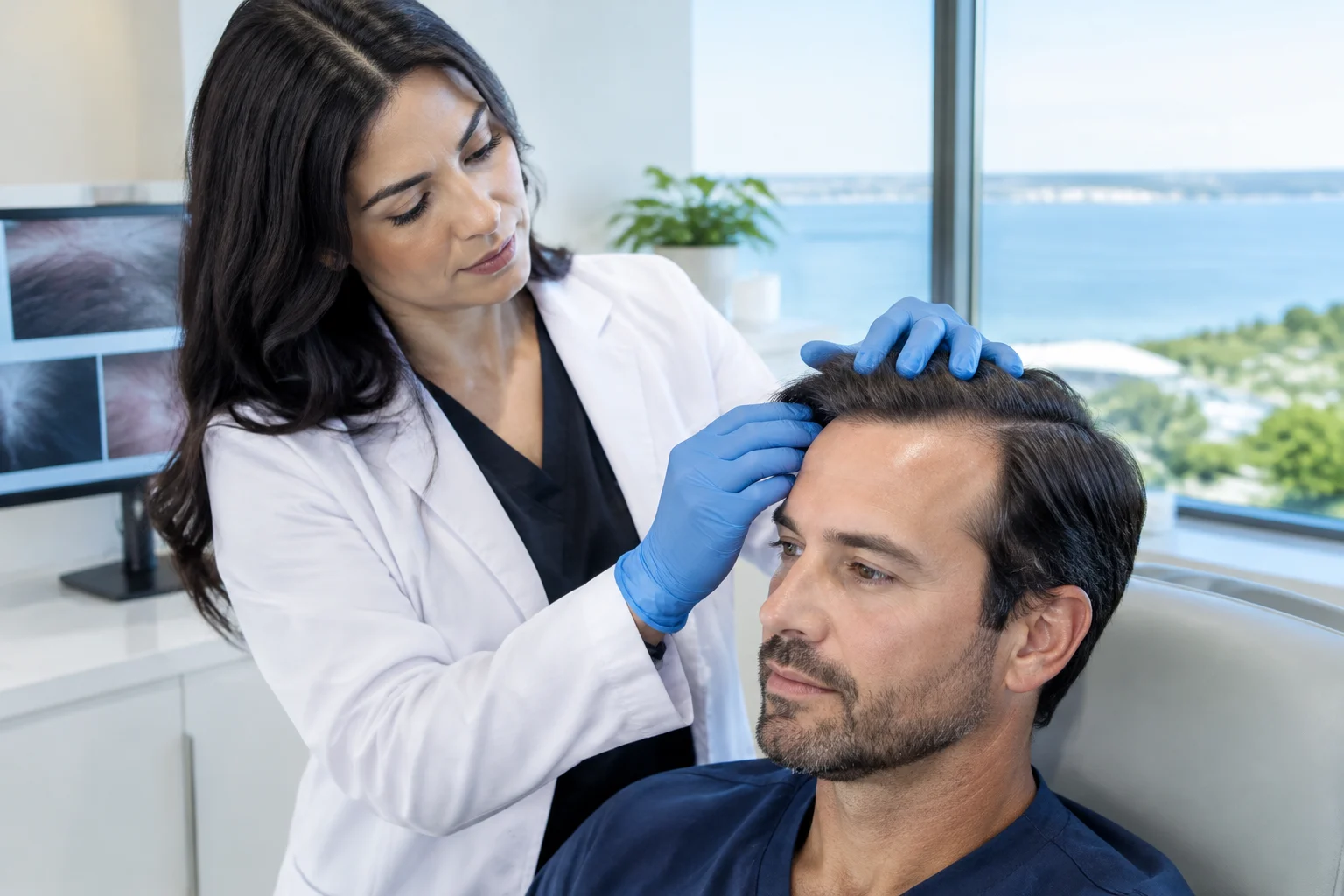
Understanding hair transplant treatment
A hair transplant is a surgical procedure that moves hair follicles from a donor area, usually a part of the scalp with more stable growth, to areas affected by thinning or hair loss. Common approaches include follicular unit extraction and follicular unit transplantation. The methods differ in how donor follicles are collected, and suitability depends on factors such as your hair-loss pattern, donor supply, scalp characteristics, medical history, and preferences. A provider should explain the proposed technique and why it may or may not fit your case.
Transplanted follicles may grow over time, but the process is gradual and results vary. Existing hair can continue to thin, and some people may need ongoing treatment or additional planning. A responsible consultation covers likely benefits, limitations, risks, recovery, and alternatives without guaranteeing a particular density or appearance.
How Little Elm residents can get started
Little Elm residents can look for hair-restoration practices that serve patients from across North Texas. Start with a consultation rather than choosing based only on advertising or a low quoted price. Ask who evaluates you, who performs each part of the procedure, what training and experience they have, and how the practice handles follow-up questions. If an initial discussion is remote, confirm whether an in-person examination is needed before a treatment recommendation is made.
Prepare for a useful appointment by noting when hair loss began, any changes you have observed, relevant health conditions, medications, and previous treatments. Bring questions about expected results and the care plan. You may also want to ask:
- Am I a suitable candidate, and what are the reasons for your assessment?
- Which procedure do you recommend, and what alternatives should I consider?
- What risks, recovery steps, and follow-up visits should I plan for?
- What is included in the quoted cost, and could additional expenses arise?
- How should I contact the care team if I have a concern after treatment?
These questions help you compare options on more than convenience or appearance. You can take time to review written information, seek another qualified opinion, and discuss the decision with people you trust.
Planning appointments and recovery
When comparing providers, consider the full care pathway: consultation, procedure, check-ins, and access to advice during recovery. Little Elm residents may need to travel beyond town for specialized surgical care, so confirm the provider’s location directly and estimate the time needed for each visit. Ask whether someone should accompany you on procedure day and whether driving is appropriate afterward. Do not assume that every practice has the same schedule or aftercare arrangements.
Follow the clinical team’s instructions about washing, activity, medications, and protecting the scalp. Recovery guidance is specific to the procedure and your health, so use instructions from your treating provider rather than general online advice. Contact the practice promptly if you experience symptoms that concern you, and ask in advance which situations require urgent medical attention.
Choosing a thoughtful, individualized plan
A transplant may be one option for people seeking a lasting change in areas of hair loss, but it is not a cure for every cause of thinning. A clinician may recommend assessment for underlying causes or discuss medications and other approaches. A sound plan considers future hair loss as well as the current appearance, preserving donor hair and setting realistic expectations.
For Little Elm residents, access means more than finding a procedure nearby. It means choosing a qualified team, understanding the costs and trade-offs, and having a clear route to follow-up care. Take time to compare providers, confirm details directly, and make a decision that reflects your health, goals, and comfort with surgery.
Hair Restoration for the Little Elm Community
Little Elm is a growing community in the Dallas–Fort Worth region, where residents balance work, family, and day-to-day commitments. People exploring hair restoration may value clear information and a care plan that can be coordinated around their schedule. Since specialized hair-transplant services may involve travel outside town, it is useful to check appointment availability, consultation format, procedure-day requirements, and follow-up expectations before selecting a provider. Confirm travel details with the practice rather than relying on assumptions about where treatment is offered.
Hair loss has different causes and progresses differently from person to person. A consultation can help Little Elm residents understand whether transplantation is appropriate, what donor hair may be available, and what other options could be considered. The conversation should address realistic outcomes, potential risks, total costs, and care after the procedure. Those details are particularly important when planning visits from Little Elm and arranging support during recovery. Take time to review the recommendation and ask for clarification if anything is unclear.
A local search can be a starting point, but the best choice is not necessarily the closest provider. Look for qualified professionals who explain their approach, answer questions directly, and provide a defined follow-up process. With careful research and an individualized evaluation, residents can make an informed decision about hair transplant care that fits their health needs and personal priorities.
Frequently Asked Questions About Hair Transplant in Little Elm, Texas
Am I a good candidate for a hair transplant in Little Elm?
Candidacy depends on more than how much hair you have lost. A clinician will typically assess the pattern and stability of your hair loss, the amount and quality of donor hair, your scalp health, medical history, and expectations. Some people may need to address an underlying cause of hair loss before considering surgery. A consultation can help determine whether transplantation is appropriate or whether another approach should be considered.
What is the difference between FUE and FUT hair transplant procedures?
FUE involves removing individual hair follicles from a donor area, while FUT removes a narrow strip of scalp from which follicles are then separated. Both methods relocate follicles to areas with thinning or loss, but they differ in how donor hair is collected and in the type of scarring that may result. The right option depends on your hair characteristics, goals, and preferences. Ask a clinician to explain the trade-offs for your situation.
How much time should I plan to recover after a hair transplant?
Recovery varies by procedure and individual. It is common to have temporary scalp tenderness, swelling, redness, or small scabs, and your clinician should provide specific instructions for washing and caring for the area. Plan your time away from work and strenuous activity according to those instructions rather than assuming a fixed recovery period. If you live in Little Elm, consider arranging transportation and any needed help for the procedure day in advance.
When will I see results from a hair transplant?
A transplant does not usually create an immediate visible change. Transplanted hairs may shed during the early healing period, and new growth develops gradually over subsequent months. The timing and fullness of results vary with the individual, the procedure, and ongoing hair loss. Your clinician can explain what changes to expect at different stages and when follow-up assessments are appropriate. Avoid judging the outcome too early or comparing your progress with someone else’s.
How should I prepare for a hair transplant consultation or procedure?
For a consultation, bring a list of medications and supplements, relevant medical history, and questions about your goals and concerns. Before a procedure, follow the clinician’s instructions about medicines, smoking, alcohol, eating, and scalp care; do not stop prescribed medication unless your clinician directs you to. Ask what clothing is practical, whether you need a ride home, and what supplies or assistance may be useful during the first days of recovery.
How is a natural-looking hairline planned?
Hairline planning should take account of your facial proportions, age, existing hair, donor supply, and the possibility that hair loss may continue. A conservative design may help preserve options for future treatment, while an overly low or dense plan can use donor hair that may be needed later. Discuss your preferred appearance with the clinician and review how the proposed plan fits your long-term goals, not just the current area of thinning.
What affects the cost of a hair transplant?
The cost can depend on the technique used, the extent of hair loss, the number of grafts recommended, and what care is included before and after the procedure. Because these factors differ from person to person, an estimate should follow an individual evaluation rather than a general assumption. Ask for a written breakdown of fees, what is included, and whether follow-up visits or treatment for ongoing hair loss are separate.
What risks should I understand before getting a hair transplant?
As with any procedure, a hair transplant can involve risks such as bleeding, infection, swelling, scarring, changes in sensation, or an unsatisfactory cosmetic result. Temporary shedding and continued loss of non-transplanted hair may also affect how the result looks over time. Ask the clinician to explain risks specific to your health and proposed technique, how complications are handled, and what signs after the procedure should prompt you to seek medical advice.