
Hair Transplant Information for Nevada, Texas
Hair transplant information for Nevada, Texas, can help residents understand the procedure and how to explore care options in the broader North Texas region. Hair transplantation is a surgical treatment for certain types of hair loss. Common techniques move hair follicles from a donor area, usually the back or sides of the scalp, to areas where hair is thinning. Whether someone is a suitable candidate depends on factors such as the cause and pattern of hair loss, donor-hair availability, overall health, and personal goals. A consultation with a qualified medical professional can help clarify these factors and explain possible results, limitations, risks, recovery, and costs. Nevada is a small community east of Dallas, so people comparing providers may also look at practices in nearby cities and the wider Dallas–Fort Worth area. When researching, check the clinician’s credentials and experience with hair restoration, ask who performs each part of the procedure, and request clear information about follow-up care and total fees. Results take time to develop, and outcomes vary from person to person. This page offers general educational information, not a diagnosis or recommendation; discuss individual concerns with a licensed healthcare professional before deciding on treatment.
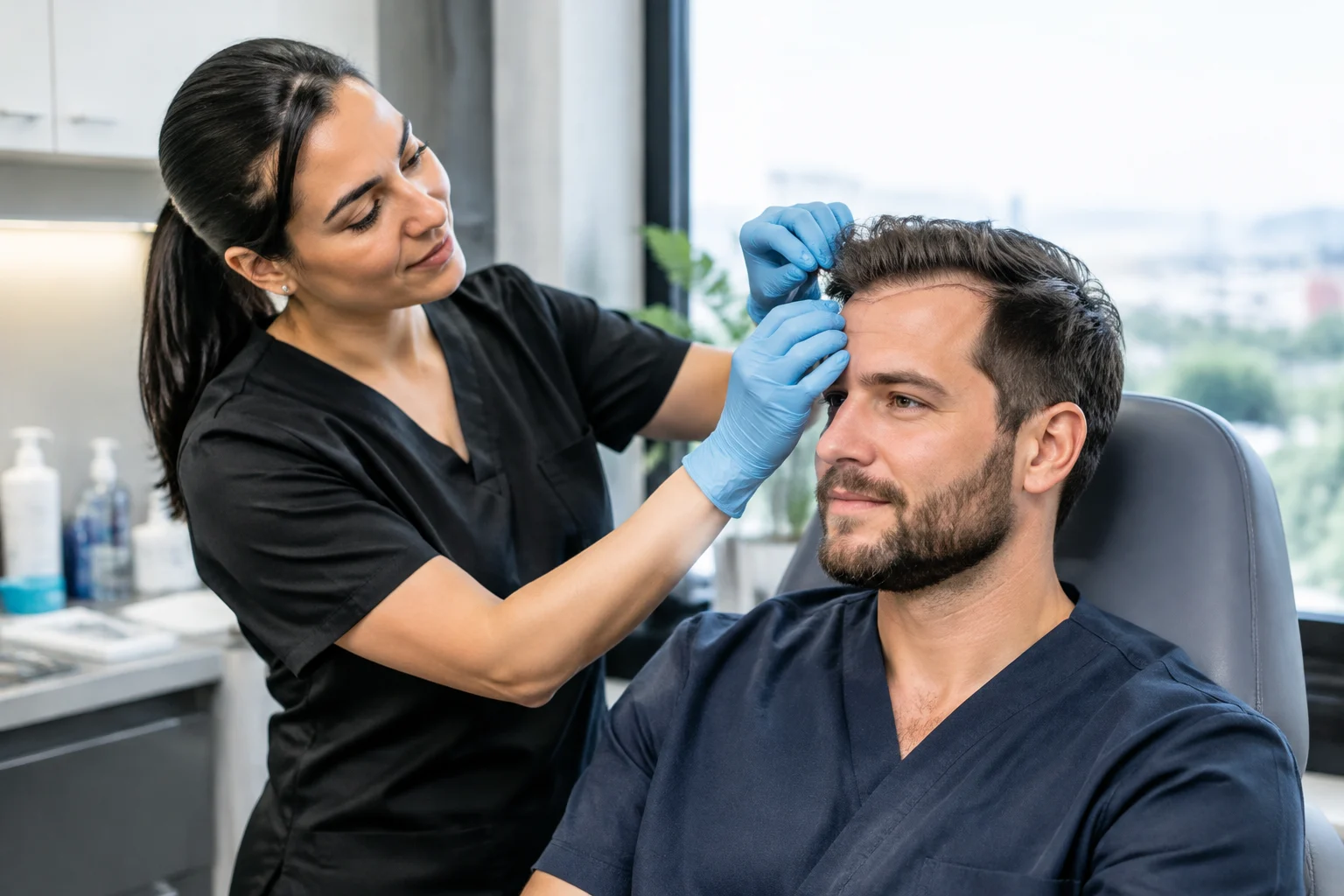
Understanding hair transplant options
A hair transplant moves follicles from a donor area, usually the back or sides of the scalp, to areas affected by thinning or hair loss. The two commonly discussed approaches are follicular unit transplantation (FUT) and follicular unit extraction (FUE). With FUT, a narrow strip of scalp is removed and divided into grafts. With FUE, individual follicular units are removed from the donor area. The appropriate method depends on factors such as hair characteristics, donor supply, desired coverage, and the clinician’s assessment.
Transplant surgery does not stop all future hair loss, and results vary. A consultation should include a discussion of realistic density, possible scarring, healing, and how changes in native hair may affect the appearance over time. A provider may also discuss non-surgical treatments or recommend waiting if a person is not yet a suitable candidate.
Finding care from Nevada, Texas
Nevada residents can compare hair restoration practices serving North Texas, including providers in larger regional communities. Since a procedure may require an initial assessment, surgery, and follow-up care, consider the full travel commitment rather than choosing based on a consultation alone. Ask where appointments take place, whether follow-up can be coordinated remotely, and what to do if a concern arises after returning home.
Before booking, verify the clinician’s medical credentials, training, and experience with the specific procedure being offered. Ask who performs each part of the surgery and who is responsible for medical oversight. A clear, pressure-free consultation should give you time to understand alternatives and make an informed decision. Be cautious of guarantees, unusually aggressive sales tactics, or claims that every person can achieve the same result.
Questions to ask at a consultation
Bring a list of questions and, if useful, notes about when hair loss began and any treatments tried. A thorough appointment should cover your goals, donor-area limitations, expected healing, and the possibility of ongoing hair loss. Consider asking:
- What may be causing my hair loss, and should it be evaluated before surgery?
- Am I a suitable candidate now, and what are the alternatives?
- Which technique do you recommend for my situation, and why?
- Who will perform the procedure and provide follow-up care?
- What results are realistic, and how long may they take to become visible?
- What are the potential risks, aftercare instructions, and total costs?
- How should I plan travel to and from the clinic and any return visits?
Planning for recovery and follow-up
Recovery instructions differ by procedure and individual circumstances, so follow the care team’s guidance rather than relying on general timelines. Before scheduling, ask how long to set aside for rest, when normal activities may resume, and how to care for the scalp. Clarify restrictions related to exercise, sun exposure, washing, and work. If you are traveling from Nevada, arrange transportation and overnight plans as advised by the clinic, especially if medication or post-procedure discomfort could affect driving.
Make sure you know how to contact the provider after surgery and which symptoms require prompt medical attention. Ask how follow-up appointments will be handled if you live outside the provider’s immediate area. A written treatment plan, itemized estimate, and aftercare instructions can help you compare options and prepare without rushing.
Costs and informed decisions
The price of hair transplantation can depend on the treatment plan, number of grafts, technique, clinician, and what services are included. Request a written estimate that explains what the fee covers and whether consultation, medications, or follow-up visits are billed separately. Insurance coverage should not be assumed for elective hair restoration; confirm payment details directly with the provider and your insurer if relevant.
Take time to compare consultations and review the risks as well as potential benefits. The goal is to identify care that fits your health needs, expectations, and ability to attend follow-up—not to select a procedure simply because it is available. Residents of Nevada, TX, can use these questions to approach regional providers with confidence and make a considered choice.
Hair Restoration Access for Nevada Residents
Nevada is a community in Collin County, and residents considering hair restoration may need to look beyond town limits to compare specialized medical services. Exploring providers across North Texas can offer a wider choice of clinicians and techniques, while still allowing you to plan appointments around home, work, and family responsibilities. Availability, travel time, and consultation format vary by practice, so confirm those details directly before making plans. A remote introductory discussion may help you understand a provider’s process, but it does not replace an appropriate medical evaluation when one is needed.
For people living in or near Nevada, practical planning is an important part of choosing a hair transplant provider. Consider how you will reach the clinic, whether you will need someone to accompany you, and how follow-up will work after you return home. Ask for clear written information on the procedure, potential risks, expected recovery, and total costs. Taking time to compare options can help residents make a decision based on qualified care and realistic expectations rather than convenience or promotional promises. Hair transplantation may suit some people, but a clinician should determine whether it is appropriate for your individual circumstances.
Frequently Asked Questions About Hair Transplant in Nevada, Texas
How do I know whether I’m a good candidate for a hair transplant?
Candidacy depends on factors such as the pattern and stability of hair loss, the amount of healthy donor hair, scalp condition, and overall health. A qualified clinician should assess these in person or through an appropriate consultation before recommending surgery. Age alone does not determine suitability. If hair loss is still progressing, the clinician may discuss managing it first or planning conservatively so a transplant is less likely to look uneven as surrounding hair changes.
What is the difference between FUE and FUT hair transplant procedures?
FUE removes individual follicular units from the donor area, while FUT removes a narrow strip of scalp from which follicular units are prepared. Both methods aim to place grafts in thinning or bald areas, but they differ in how donor hair is collected and in the resulting scarring and recovery considerations. The better option depends on your hair characteristics, goals, and medical assessment. Ask the clinician to explain expected trade-offs for your specific case.
What should I expect at a hair transplant consultation?
A consultation usually includes a review of your hair-loss history, health and medications, examination of the scalp, and discussion of your goals. The clinician may assess donor hair and explain whether surgery is appropriate, which technique might fit, and what limitations to expect. Bring a list of medications and relevant health conditions, along with questions about recovery, risks, and follow-up. You can also ask how the treatment plan accounts for possible future hair loss.
How much does a hair transplant cost, and what affects the price?
The cost varies by the treatment plan, number of grafts, technique, clinician, and what care is included. A reliable estimate requires an individual assessment; an advertised starting price may not reflect your needs or the full cost. Ask for an itemized written quote and clarify whether consultation, medications, aftercare, or follow-up visits are included. If you are considering care near Nevada, Texas, compare the overall plan and follow-up arrangements, not price alone.
How long is recovery after a hair transplant?
Recovery differs by person and procedure. Many people need a few days of reduced activity, while scalp tenderness, swelling, scabbing, or temporary redness may take longer to settle. Your clinician should give specific instructions for washing, sleeping, exercise, sun exposure, and returning to work. Follow those directions rather than relying on a generic timeline, and contact the care team if symptoms seem unusual or worsen. Plan transportation and time off according to your clinician’s guidance.
When will I see results from a hair transplant?
A transplant does not produce an immediate final appearance. Transplanted hairs commonly shed during the early healing period, and visible regrowth develops gradually over subsequent months. The timing and degree of change vary with the individual, procedure, and hair characteristics. Your clinician can outline a realistic schedule for progress reviews and explain what to expect at each stage. Take consistent photos under similar lighting if you want to track changes, and avoid judging the outcome too early.
What risks should I consider before getting a hair transplant?
Potential risks include bleeding, infection, scarring, swelling, temporary numbness, poor graft growth, and an unnatural-looking hairline. Some people also experience temporary shedding of nearby hair. The likelihood and seriousness of complications vary, so ask the clinician to review your personal risk factors and how complications are handled. Make sure you understand the limits of surgery, the possibility of needing further treatment, and the aftercare required before deciding whether to proceed.
If I live in Nevada, Texas, how should I plan for treatment and follow-up?
Before booking, confirm where consultations and procedures take place, how many visits may be needed, and whether follow-up can be handled in person or remotely. Ask who to contact with concerns after surgery and what to do if you need an examination. If travel is involved, plan enough time for the procedure and early recovery, and arrange transportation if advised. Do not assume every stage can be completed in one visit; ask for a written schedule.