
Hair Transplant Near Carrollton | Dr. Slack
Hair loss can affect confidence and daily routines, but deciding what to do is personal. For people in Carrollton considering a hair transplant, the first step is a professional consultation to understand the cause of hair loss, review health and treatment history, and discuss whether surgery may be appropriate. Dr. Slack can help patients explore their options and develop a plan based on their goals and individual circumstances.
Residents can begin by contacting the practice to ask about consultation availability, where appointments take place, and what records or photos to bring. Because the practice location and travel arrangements should be confirmed directly, patients can plan a visit from Carrollton around their own schedule. A consultation is also a chance to ask about the process, recovery expectations, costs, and follow-up care before making a decision. Hair transplant surgery is not suitable for everyone, and results vary; a qualified clinician can explain potential benefits and limitations.
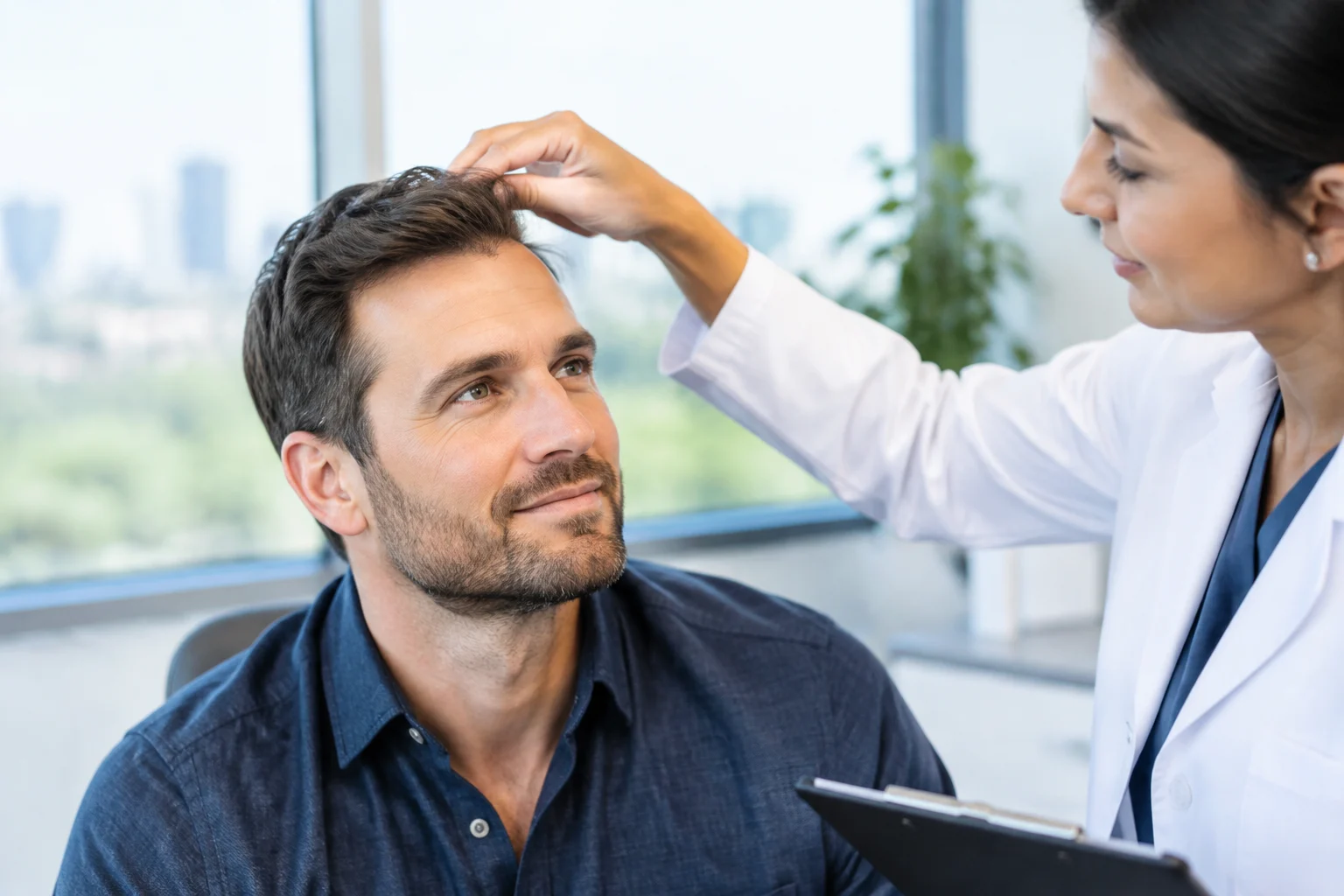
Exploring hair transplant care near Carrollton
A hair transplant is a surgical approach to hair restoration that moves hair follicles from one area of the scalp to areas affected by thinning or hair loss. Whether it is a suitable option depends on factors such as the pattern and progression of hair loss, the availability of donor hair, overall health, and personal expectations. A consultation with Dr. Slack gives Carrollton-area patients an opportunity to discuss these factors and learn what a realistic treatment plan might involve.
Rather than choosing a procedure based on photographs or general information alone, patients should seek an individualized evaluation. Hair loss can have different causes, and a transplant may not address every cause or prevent future thinning. The clinician can review relevant history, explain whether further evaluation is needed, and discuss surgical and nonsurgical approaches where appropriate.
How to get started from Carrollton
Start by contacting Dr. Slack’s practice to request information about scheduling a consultation and confirming the appointment location. Since no specific office address or travel details should be assumed, verify those directly before arranging transportation. Ask whether an initial appointment is in person or offered in another format, and whether there are forms or records to prepare in advance.
For a productive visit, consider writing down questions and bringing a list of medications, relevant medical history, and details about previous hair-loss treatments. If you have noticed changes over time, sharing when they began and how they have progressed can help guide the discussion. You may also want to clarify your priorities, such as improving the appearance of a particular area or understanding how hair loss could change in the future.
- Ask what evaluation is recommended and whether you may be a candidate for transplant surgery.
- Discuss the approach being considered, expected recovery, possible risks, and follow-up requirements.
- Request clear information about fees, what is included, and any additional costs before committing.
- Confirm the practice location, appointment timing, and any travel or aftercare arrangements.
What to discuss during a consultation
A useful consultation should leave room for questions and an honest conversation about likely outcomes. Ask how the clinician assesses the donor area and plans hair placement, and what factors could affect the final appearance. If particular surgical techniques are being considered, ask how they differ and which, if any, may suit your situation. The appropriate method depends on the individual evaluation, so avoid assuming that one technique is right for every patient.
It is also important to understand that transplanted hair and existing hair may change over time. The clinician can explain how ongoing hair loss may influence the plan and whether other treatments might be discussed. Results take time to develop, and recovery experiences vary. Ask when normal activities may resume, what follow-up is recommended, and whom to contact if concerns arise during recovery. Clear answers can help you weigh the possible benefits against the time, expense, and risks involved.
Benefits of an individualized plan
Working with a qualified hair restoration professional can help patients make decisions based on their own health, hair-loss pattern, and goals rather than relying on a one-size-fits-all promise. A tailored discussion can clarify whether surgery is appropriate, what improvement may be realistic, and what alternatives to consider. It also gives patients a chance to understand the practical steps involved before traveling from Carrollton or scheduling treatment.
Choosing to proceed is entirely personal. Some people may benefit from exploring transplant surgery, while others may decide to wait, seek additional evaluation, or consider nonsurgical care. Take time to compare the information provided, understand the consent process, and ask follow-up questions if anything is unclear. No responsible consultation can guarantee a particular result, but a careful evaluation can support a more informed decision.
Planning appointments and follow-up
When arranging care from Carrollton, consider how many visits may be needed and how you will manage transportation and recovery. Confirm appointment details with the practice, including the location, timing, preparation instructions, and contact process for follow-up. If treatment is recommended, ask whether someone should accompany you and whether you will need help getting home or managing routine tasks afterward. The answers depend on the planned care and your individual circumstances.
By asking practical questions early, Carrollton residents can approach hair restoration with a clearer understanding of the process. Dr. Slack’s consultation can be a starting point for learning about candidacy, options, and next steps without pressure to make an immediate decision.
Hair Restoration for Carrollton Residents
Carrollton residents considering hair restoration may be balancing work, family commitments, and the practicalities of traveling for medical appointments. A consultation with Dr. Slack can help clarify whether a hair transplant fits their needs and what the next steps could involve. Before booking, patients should confirm the appointment location and format directly with the practice, then plan travel and time away from regular activities accordingly.
The right approach to hair loss is different for every person. A professional assessment can consider the pattern of thinning, available donor hair, health history, and desired appearance, while explaining that results and recovery vary. This individualized discussion can be useful for anyone comparing options, preparing questions, or deciding whether to pursue treatment now or later.
For people in Carrollton, access begins with a conversation: ask about candidacy, treatment planning, risks, costs, and follow-up care. Having clear information in advance can make it easier to decide whether to schedule an evaluation and how to fit care into local routines. Confirm all logistical details with the practice rather than relying on assumptions about office location or services.
Frequently Asked Questions About Hair Transplant in Carrollton, Texas
Am I a good candidate for a hair transplant in Carrollton?
Candidacy depends on the cause and pattern of hair loss, the amount of healthy donor hair available, your general health, and your expectations. A clinician should assess your scalp and medical history before recommending surgery. Some people may benefit more from treating an underlying condition or stabilizing ongoing hair loss first. During a consultation, ask how your hair loss may progress and whether the proposed plan is appropriate for your needs.
What hair transplant methods might a clinic offer?
Common approaches include follicular unit extraction (FUE), which removes individual follicular units, and follicular unit transplantation (FUT), which removes a narrow strip of scalp for graft preparation. Availability and suitability vary by practice and patient. Neither method is automatically best for everyone; donor characteristics, hairstyle preferences, scarring considerations, and the treatment plan matter. Ask the clinician to explain the recommended method, alternatives, and what visible scarring or donor-area changes may be expected.
What happens during a hair transplant procedure?
The process generally begins with planning the hairline and recipient areas, followed by preparing donor follicles and placing grafts into the scalp. The exact steps depend on the technique and the individual plan. The team should explain anesthesia, expected appointment length, comfort measures, and any preparation instructions before the procedure. In Carrollton, as anywhere, confirm who will perform each part of the treatment and whom to contact if you have questions afterward.
How much does a hair transplant cost in Carrollton, Texas?
The total cost can vary with the number of grafts recommended, the technique, the complexity of the case, and what is included in the treatment plan. There is no reliable price to assume without an individual assessment. Request a written estimate that separates the procedure fee from any additional consultations, medications, or follow-up care. Also ask what could change the estimate and whether financing terms, if offered, have fees or conditions.
What is recovery like after hair transplant surgery?
Recovery instructions are specific to the procedure and should come directly from your care team. Patients are commonly given guidance on scalp washing, sleeping position, activity, and protecting the treated area, along with information about expected redness, swelling, or scabbing. Plan time to follow those instructions and ask when you can return to work, exercise, or normal hair care. Contact the clinic promptly about symptoms that concern you or differ from its guidance.
When will I see results, and will the transplanted hair look natural?
A hair transplant does not create an immediate finished look. Transplanted hairs may shed during the healing phase, and visible growth develops gradually over subsequent months; timing and density differ from person to person. A natural-looking result depends on thoughtful hairline design, graft placement, donor supply, and how hair loss changes over time. Ask to review realistic examples and discuss what density is achievable for your scalp, rather than relying on a guaranteed outcome.
How should I prepare for a hair transplant consultation?
Bring a list of medications and supplements, relevant health history, and questions about your hair-loss pattern and goals. If available, note when thinning began and any treatments you have tried. Ask what diagnosis the clinician suspects, whether further evaluation is needed, what options exist besides surgery, and how many grafts are being considered. A useful consultation should leave you understanding the proposed plan, likely limitations, risks, recovery, and follow-up arrangements before you decide.
Can I return to normal activities soon after a hair transplant?
The timing depends on the procedure, your recovery, and the activity involved. Your care team may advise avoiding strenuous exercise, heavy lifting, or activities that could rub, bump, or expose the scalp while it heals. Ask for specific guidance on work, workouts, swimming, headwear, and sun exposure rather than relying on a general timeline. If you are traveling to or from an appointment in the Carrollton area, plan transportation and recovery time according to the clinic's instructions.