
Hair Transplant Services in Mesquite, Texas
Hair loss can affect confidence and everyday comfort, and deciding what to do about it is personal. For Mesquite residents considering a hair transplant, the first step is a consultation with a qualified medical provider who can assess the cause and pattern of hair loss, discuss goals, and explain whether surgery is appropriate. A consultation may be available in Mesquite or through a provider serving the area; confirm the clinic location, appointment format, and follow-up arrangements before making plans.
A hair transplant moves hair follicles from a donor area, often the back or sides of the scalp, to areas with thinning or hair loss. Results depend on factors such as donor-hair availability, ongoing hair loss, health, and the treatment plan. Comparing providers can help you understand options such as follicular unit excision (FUE) and follicular unit transplantation (FUT), expected recovery, total costs, and alternatives. A careful evaluation helps set realistic expectations and supports a decision based on your needs rather than promises of a particular result.
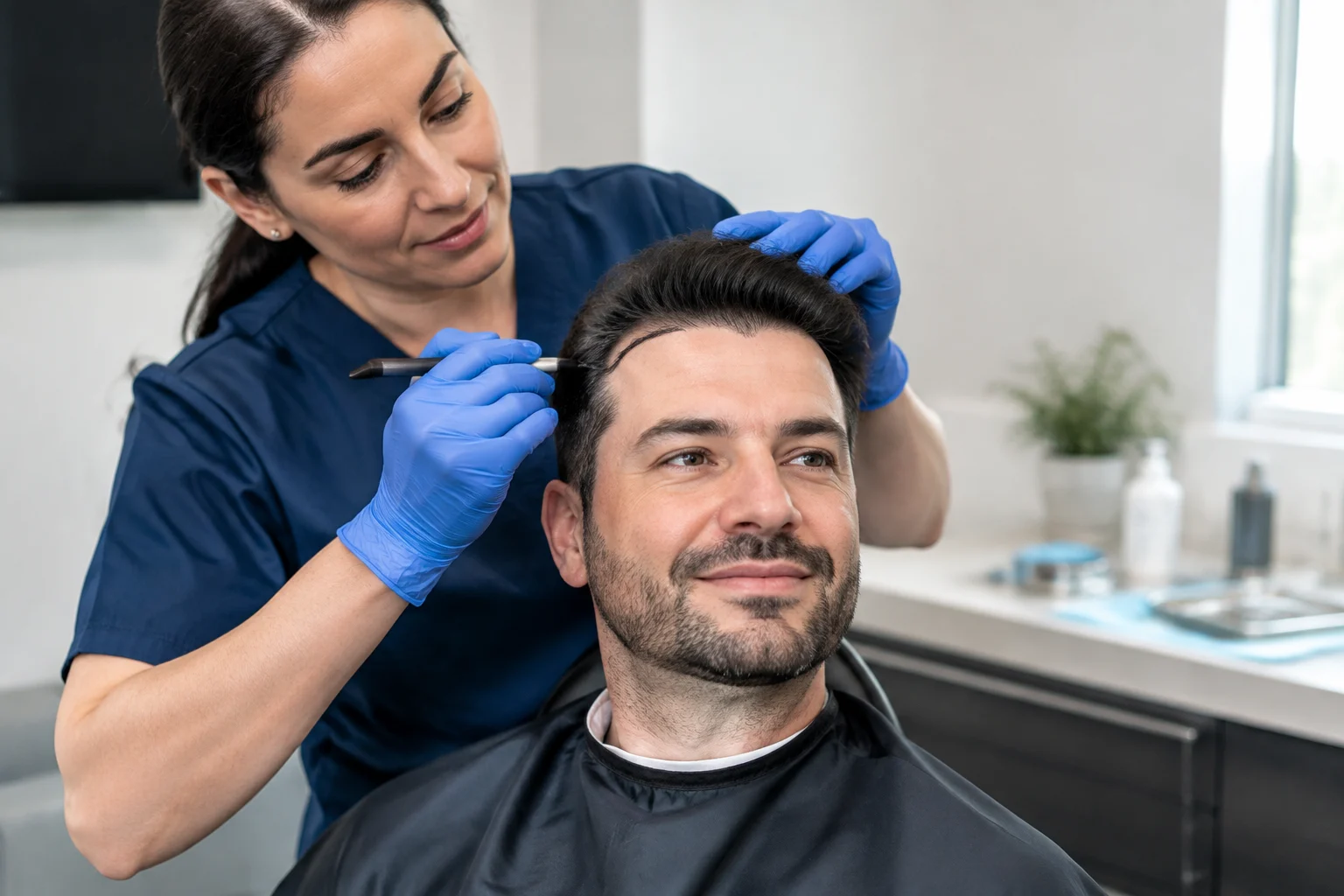
Finding hair transplant care near Mesquite
Residents looking for hair transplant services in Mesquite can begin by identifying medical practices that explicitly offer hair restoration consultations and confirming where procedures are performed. Some providers may see patients in the city, while others may serve Mesquite from a nearby location. Ask about the consultation address, whether an initial discussion can be held remotely, and where in-person examinations, surgery, and follow-up visits take place. Do not assume that an advertised service is available at every office associated with a provider.
When comparing options, consider the full care pathway—not just the distance to an initial appointment. Hair restoration may involve assessment, preoperative instructions, a procedure, and follow-up. Knowing how often you will need to return, who to contact with questions, and how urgent concerns are handled can make care easier to plan around work, family responsibilities, and transportation.
What to expect during a consultation
A consultation is an opportunity to discuss your hair-loss history, health, medications, goals, and concerns. The clinician should examine your scalp and donor area, explain possible causes of hair loss, and determine whether a transplant is suitable. A transplant may not be the right choice for everyone. For example, limited donor hair, certain medical conditions, or hair loss that is still changing may affect candidacy or timing. A responsible provider should be willing to recommend further evaluation or non-surgical options when appropriate.
Ask for a clear explanation of the proposed plan, including the areas to be treated, the approach to donor hair, expected limitations, and the possibility that additional treatment could be considered later. Results develop over time and vary from person to person. Be cautious of guarantees, pressure to book quickly, or claims that overlook individual differences.
Understanding common transplant approaches
Two commonly discussed techniques are FUE and FUT. With FUE, individual follicular units are removed from the donor area. With FUT, a strip of scalp is removed and divided into follicular units for placement. Each approach has potential advantages and trade-offs, including differences in scarring, healing, and how donor hair is collected. The right option depends on your scalp, goals, hairstyle preferences, and the clinician’s assessment. Ask who performs each part of the procedure and what training and experience they have in hair restoration.
Some people may also discuss medication or other non-surgical approaches with a clinician. These options do not replace a transplant, and their suitability depends on the individual. A thorough conversation can help you compare likely benefits, limitations, risks, and ongoing costs before choosing a plan.
Planning for cost, recovery, and follow-up
Before committing, request a written estimate and ask what it includes. Clarify whether the quoted amount covers the consultation, procedure, anesthesia or other clinical fees, follow-up visits, and any recommended products or medicines. Ask about payment terms and whether insurance applies; elective hair restoration may not be covered, but coverage depends on the circumstances and plan. Avoid making a decision based only on a low advertised price.
Providers should explain preparation and aftercare in language you understand. Recovery instructions may address scalp care, activity, washing, and when to contact the clinic. Follow the clinician’s directions, and ask how to handle concerns if they arise outside normal appointment hours. Plan transportation and time away from usual activities according to the guidance you receive, rather than relying on a generic recovery timeline.
Choosing a provider serving Mesquite
For a sound decision, verify the clinician’s credentials and ask about experience with the technique being recommended. You can also request to review examples of results that are relevant to your hair type and treatment goals, while remembering that another person’s outcome cannot predict yours. Look for a provider who explains risks, answers questions without rushing, and provides a clear plan for follow-up. If anything is unclear, a second opinion can help you compare recommendations.
- Confirm the procedure location and how follow-up care is arranged.
- Ask who evaluates you, who performs the procedure, and what credentials they hold.
- Discuss candidacy, likely limitations, risks, recovery, and alternatives.
- Get a written cost estimate and understand what is—and is not—included.
- Take time to review the plan before scheduling treatment.
By checking these details, Mesquite residents can make a more informed choice and find care that fits their goals and practical needs. A consultation is a starting point for understanding your options, not an obligation to proceed.
Hair Restoration Options for Mesquite Residents
Mesquite residents considering hair restoration can explore providers that serve the city and compare them with options elsewhere in the Dallas-area region. Availability, office locations, and appointment formats can change, so confirm directly where consultations and procedures take place. Before arranging a visit, ask whether follow-up appointments are handled at the same location and how to reach the care team between visits. These details can be especially useful when planning transportation and time away from daily responsibilities.
A local or regionally accessible provider may make it more convenient to attend consultations and postoperative check-ins, but convenience should be balanced with medical qualifications and a clear treatment plan. Compare providers on their approach to candidacy, experience, communication, costs, and follow-up—not simply how close an office is. If the first provider you contact does not offer the procedure at a location that works for you, ask whether they can explain their service area or direct you to an appropriate alternative.
Hair transplants are individualized medical procedures, and not every person experiencing hair loss is a candidate. Mesquite residents can use an initial consultation to learn about the source and progression of hair loss, discuss surgical and non-surgical options, and understand realistic outcomes. Taking time to ask questions and review recommendations helps make the process more manageable and supports a decision that reflects personal priorities.
Frequently Asked Questions About Hair Transplant in Mesquite, Texas
How do I know whether I’m a good candidate for a hair transplant?
Candidacy depends on the cause and pattern of hair loss, the stability of shedding, your overall health, and whether you have enough healthy donor hair. A consultation should include a scalp and hair assessment, medical history, and discussion of realistic goals. Some people may benefit more from treating an underlying condition or managing ongoing hair loss before considering surgery. If you are exploring options in Mesquite, ask how the evaluation will address both donor supply and future hair loss.
What is the difference between FUE and FUT hair transplant procedures?
FUE removes individual follicular units from the donor area, while FUT removes a narrow strip of scalp that is divided into grafts. Both approaches move hair follicles to areas of thinning, but they differ in how donor hair is collected, the resulting scars, and aspects of recovery. The best fit depends on your scalp, hairstyle preferences, donor supply, and goals. Ask the clinician to explain likely trade-offs for your situation rather than choosing a method based on its name alone.
What should I expect during a hair transplant consultation?
A useful consultation typically covers your hair-loss history, health and medication information, examination of the scalp, donor-area capacity, and the results you hope to achieve. You should also be able to discuss the proposed treatment plan, possible risks, recovery instructions, and whether ongoing hair-loss treatment may be appropriate. Bring questions and a list of medications or supplements. Before making a decision in Mesquite or elsewhere, make sure you understand who will perform each part of the procedure and what follow-up is planned.
How much does a hair transplant cost, and what affects the estimate?
The cost cannot be determined reliably without an assessment and a specific treatment plan. Estimates may depend on the number of grafts recommended, the procedure used, the complexity of the work, and what care or follow-up is included. Ask for a written breakdown and clarify what is not included, such as medications or additional visits. Avoid comparing quotes by price alone: the planned coverage, donor-area limitations, clinician’s approach, and realistic expected outcome matter when evaluating options in Mesquite.
How long does recovery take, and when can I return to work?
Recovery varies with the procedure, the amount of work performed, and your individual healing. You may have temporary tenderness, swelling, redness, or scabbing, and the donor and recipient areas need careful handling while they heal. Your provider should give specific instructions on washing, sleeping, activity, and follow-up. Ask how long to plan away from work and exercise, since those recommendations may differ. Do not resume strenuous activity or alter wound care based solely on general advice online.
When will transplanted hair grow, and how long do results take?
A hair transplant does not create an immediate finished look. Transplanted hairs commonly shed during the early healing period, and visible regrowth develops gradually over subsequent months. The timing and final appearance vary from person to person, and existing non-transplanted hair may continue to thin. Your clinician should explain the expected timeline for your plan and how progress will be assessed. In Mesquite, as anywhere, take dated photos under consistent lighting if you want to compare changes over time.
Can I have a hair transplant if I take medication or have a health condition?
Tell the clinician about all prescription medicines, over-the-counter drugs, supplements, allergies, and health conditions before a procedure is considered. Some factors can affect bleeding, healing, or whether surgery is suitable, so medication changes should only be made with guidance from the prescribing clinician and surgical team. Do not stop a medicine on your own. If you are considering a transplant in Mesquite, ask how your medical history will be reviewed and what steps are needed to plan safely.
Can women have hair transplants, or are they only for men?
Women may be candidates, but suitability depends on the reason for hair loss, its pattern, donor-hair quality, and whether shedding is still active. Diffuse thinning or an untreated medical cause may make surgery less appropriate, so assessment is important before discussing a transplant. A clinician can review possible causes and explain non-surgical options as well as surgical considerations. If you are seeking care in Mesquite, ask whether the evaluation will identify the type of hair loss rather than assuming one treatment fits everyone.