
Hair Transplant Services in Travis Ranch, Texas
Hair loss can affect confidence and everyday routines, and exploring treatment is a personal decision. Residents of Travis Ranch can begin by learning whether a hair transplant may suit their pattern of hair loss, health history, and expectations. The first step is usually a consultation with a qualified medical professional who can examine the scalp, discuss possible causes, and explain both surgical and nonsurgical options.
Because treatment availability and clinic locations can change, people in Travis Ranch may need to consider providers in nearby communities or the wider Dallas–Fort Worth area. Ask whether an initial appointment can be held remotely, where any in-person evaluation and procedure would take place, and what follow-up care is available. Comparing more than one provider can help you understand the recommended approach, total costs, recovery expectations, and potential risks before making a commitment.
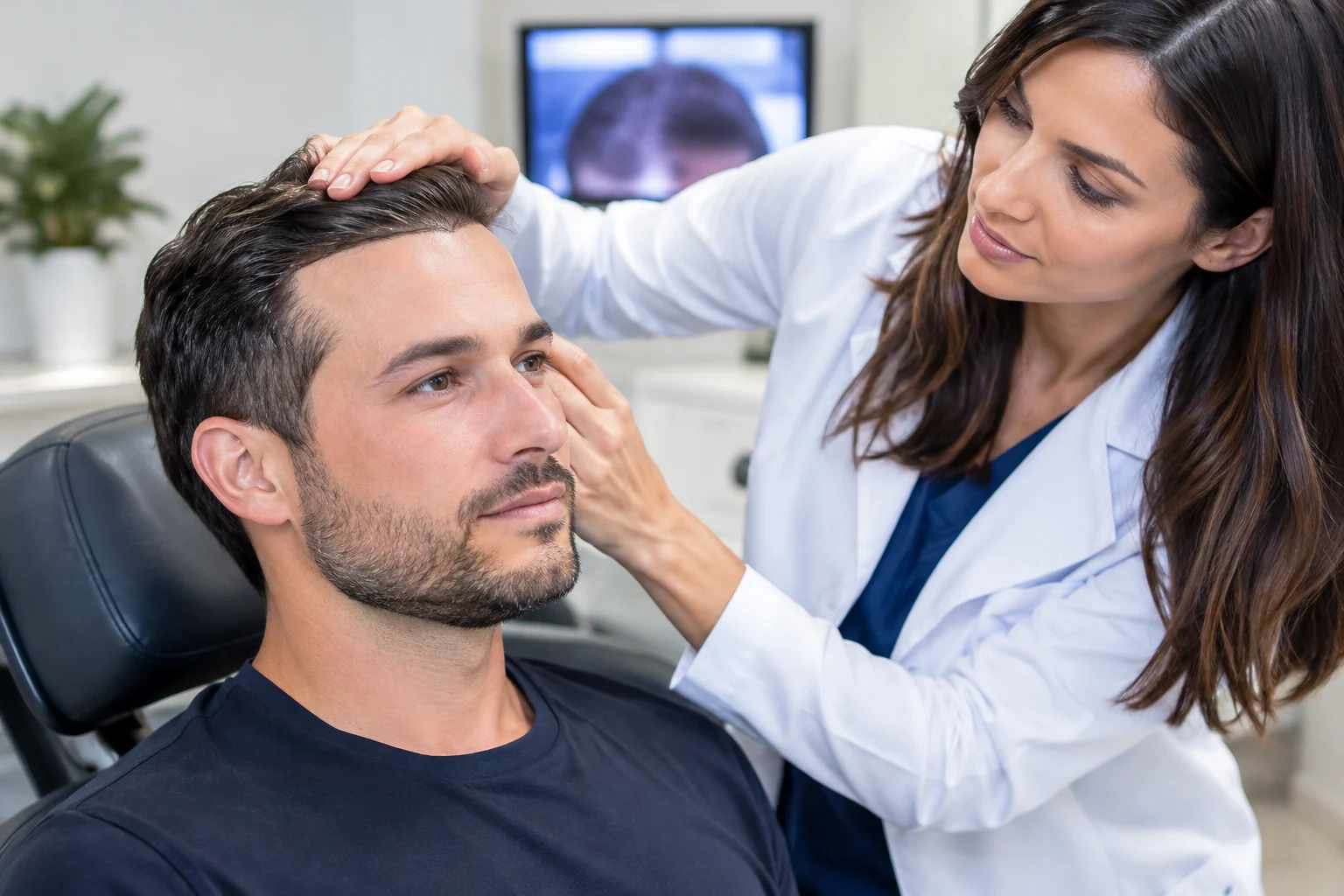
Getting started with hair restoration near Travis Ranch
A hair transplant moves hair follicles from a donor area, often the back or sides of the scalp, to areas with thinning or hair loss. It is a medical procedure, not a quick cosmetic fix: results develop over time, and candidacy depends on factors such as the cause and stability of hair loss, donor-hair supply, scalp health, and personal goals. A consultation can help clarify whether surgery is appropriate or whether another treatment should be considered first.
Travis Ranch residents can search for hair-restoration providers serving the local area and nearby parts of North Texas. Do not assume that a consultation office is also the place where surgery is performed. Confirm the procedure location, who performs each part of the treatment, and how you will reach the care team if questions arise after your appointment.
What to expect during a consultation
A responsible consultation should include a review of your medical history, an examination of your scalp, and a discussion of your hair-loss pattern. The clinician may ask when the thinning began, whether it has changed recently, and whether hair loss runs in your family. They should explain the likely donor area, the proposed treatment plan, realistic limits on coverage, and whether future hair loss could affect the appearance of the result.
Bring a list of medications and supplements, relevant health information, and questions about recovery. If offered, a remote introductory consultation may help you understand the process, but an in-person assessment may still be needed before a treatment plan is finalized. You should have time to consider your options without pressure to book surgery.
Common techniques and considerations
Follicular unit extraction (FUE) and follicular unit transplantation (FUT) are commonly discussed techniques. FUE removes individual follicular units, while FUT removes a strip of scalp that is divided into grafts. Each method has different considerations, including incision or scarring patterns, recovery, and suitability for a particular patient. The right choice depends on an individual evaluation, not simply on a technique’s name or a marketing claim.
A provider should also explain that transplanted hair typically takes months to grow and that outcomes vary. A transplant does not stop ongoing hair loss in untreated areas. Some people discuss medication or other supportive treatments with a clinician to help manage future thinning; these options have their own benefits, limitations, and possible side effects.
How to compare providers
- Verify the treating clinician’s medical license and relevant training, and ask who plans and performs the procedure.
- Request a clear explanation of the recommended technique, expected coverage, limitations, and possible complications.
- Ask for an itemized estimate that identifies what is included, such as consultation, procedure, medications, and follow-up visits.
- Confirm the procedure setting, travel requirements, recovery guidance, and how urgent or routine concerns are handled afterward.
- Review before-and-after images as examples, while remembering that another patient’s outcome cannot guarantee yours.
Planning for treatment and recovery
Before scheduling, ask how much time to allow for travel and recovery, especially if your provider is outside Travis Ranch. Follow the care team’s instructions about washing, activity, medications, and sun exposure; do not rely on general online advice in place of your clinician’s directions. Arrange transportation if the provider advises against driving after treatment, and understand which symptoms require prompt medical attention.
Hair transplant surgery is often considered elective, so insurance may not cover it. Coverage varies by plan and circumstance; ask your insurer and the provider about costs before proceeding. A careful comparison of qualifications, communication, treatment plans, and follow-up support can help Travis Ranch residents make an informed decision about hair restoration.
Hair Restoration for the Travis Ranch Community
Travis Ranch is a residential community in the Forney area, east of Dallas. For residents considering hair restoration, local access may involve looking beyond the immediate neighborhood and comparing providers who serve nearby communities or the broader North Texas region. Since clinic locations, appointment formats, and services can change, confirm current details directly with each provider rather than relying on assumptions about where consultations or procedures take place.
The area’s suburban setting makes practical planning an important part of care. Consider drive time for an initial evaluation, the procedure itself, and any recommended follow-up appointments. Ask whether a provider offers a remote introductory visit, but verify whether an in-person examination is required before surgery. If treatment takes place farther from home, ask about recovery instructions and how the care team will support you once you return to Travis Ranch.
Hair restoration may suit some adults who want to address pattern hair loss, but it is not the right choice for everyone. A thorough assessment can help distinguish transplant surgery from medical or other treatment options and set realistic expectations. Taking time to compare credentials, costs, proposed care, and follow-up arrangements helps residents choose based on safety and fit—not convenience or promotional promises alone.
Frequently Asked Questions About Hair Transplant in Travis Ranch, Texas
Am I a good candidate for a hair transplant if I live in Travis Ranch?
Your address does not determine candidacy. A qualified hair-restoration clinician will assess the cause and pattern of hair loss, the amount and quality of donor hair, your health history, and your expectations. Some people benefit from waiting until hair loss is more stable or addressing an underlying condition first. A consultation can help clarify whether surgery is appropriate and what alternatives may be worth considering.
What is the difference between FUE and FUT hair transplant surgery?
FUE removes individual follicular units from the donor area, while FUT removes a narrow strip of scalp that is divided into grafts. Both methods can be used to move hair to thinning areas, but they differ in how donor tissue is collected and in the type of scarring they may leave. The appropriate option depends on factors such as your scalp, hair characteristics, goals, and the clinician’s assessment.
How long does it take to see results after a hair transplant?
Transplanted hairs commonly shed during the early healing period, so an initial change in appearance does not necessarily show the final result. New growth develops gradually over subsequent months, and the timing varies by person and procedure. Your clinician can explain what to expect at each stage and when to schedule follow-up visits. Plan for a gradual process rather than an immediate increase in visible hair.
How much time should I take off work after a hair transplant?
Recovery time varies with the procedure, the size of the treatment area, your work duties, and how you feel afterward. Desk-based work may be manageable sooner than work involving heavy exertion, protective headgear, or dusty conditions. Before scheduling, ask the clinician what activity limits apply and how long to avoid strenuous exercise. If you work in or commute from Travis Ranch, consider those practical demands when planning your recovery.
What affects the cost of a hair transplant?
The total cost depends on details such as the extent of hair loss, the number of grafts recommended, the technique used, and what is included in the treatment plan and follow-up care. A personalized evaluation is needed for a meaningful estimate; a general figure may not reflect your needs. Ask for a written breakdown, clarify whether additional visits or medications are separate, and avoid choosing a procedure based on cost alone.
Can a hair transplant help if my hair loss is still progressing?
A transplant moves existing follicles into selected areas; it does not prevent untreated hair from continuing to thin. If hair loss is actively progressing, the clinician may discuss stabilizing it or monitoring the pattern before deciding on surgery. Planning also matters because future thinning can change how the transplanted area looks. Ask about nonsurgical options, the long-term plan, and whether treatment should be staged rather than done all at once.
What should I bring to a hair transplant consultation?
Bring a list of medications and supplements, relevant medical history, and notes about when hair loss began and how it has changed. If you have tried treatments, share what you used and for how long. Photos from earlier years can help illustrate the pattern, if available. Prepare questions about candidacy, technique, risks, recovery, expected results, and total costs so you can compare the clinician’s recommendations with your goals.
Does Texas sun and heat affect recovery after a hair transplant?
Sun exposure, sweating, and strenuous outdoor activity may need to be limited while the scalp heals. Follow the treating clinician’s specific instructions about when to resume exercise, wear a hat, or use sunscreen; timing can depend on the procedure and your healing. If you spend time outdoors around Travis Ranch, plan ahead for shade and avoid guessing about scalp protection. Contact the clinic if redness, pain, or swelling worsens rather than improves.