
Hair Transplant Treatment Options Near St. Paul
Choosing a hair transplant is a personal decision that starts with understanding why hair loss is happening and what results may be realistic. For people in St. Paul, Texas, accessing care may involve arranging a consultation with a qualified hair-restoration clinician in the wider North Texas area. A thorough evaluation can help determine whether transplantation is appropriate, what technique may fit, and whether other treatments should be considered first.
Hair transplant care is not one-size-fits-all. A provider should review your medical history, pattern of hair loss, scalp health, donor hair, goals, and budget before recommending a plan. Ask about the clinician’s training and role in the procedure, expected recovery, possible risks, and follow-up arrangements. Planning ahead can make it easier to compare options, coordinate travel from St. Paul, and decide whether a surgical approach fits your needs and schedule.
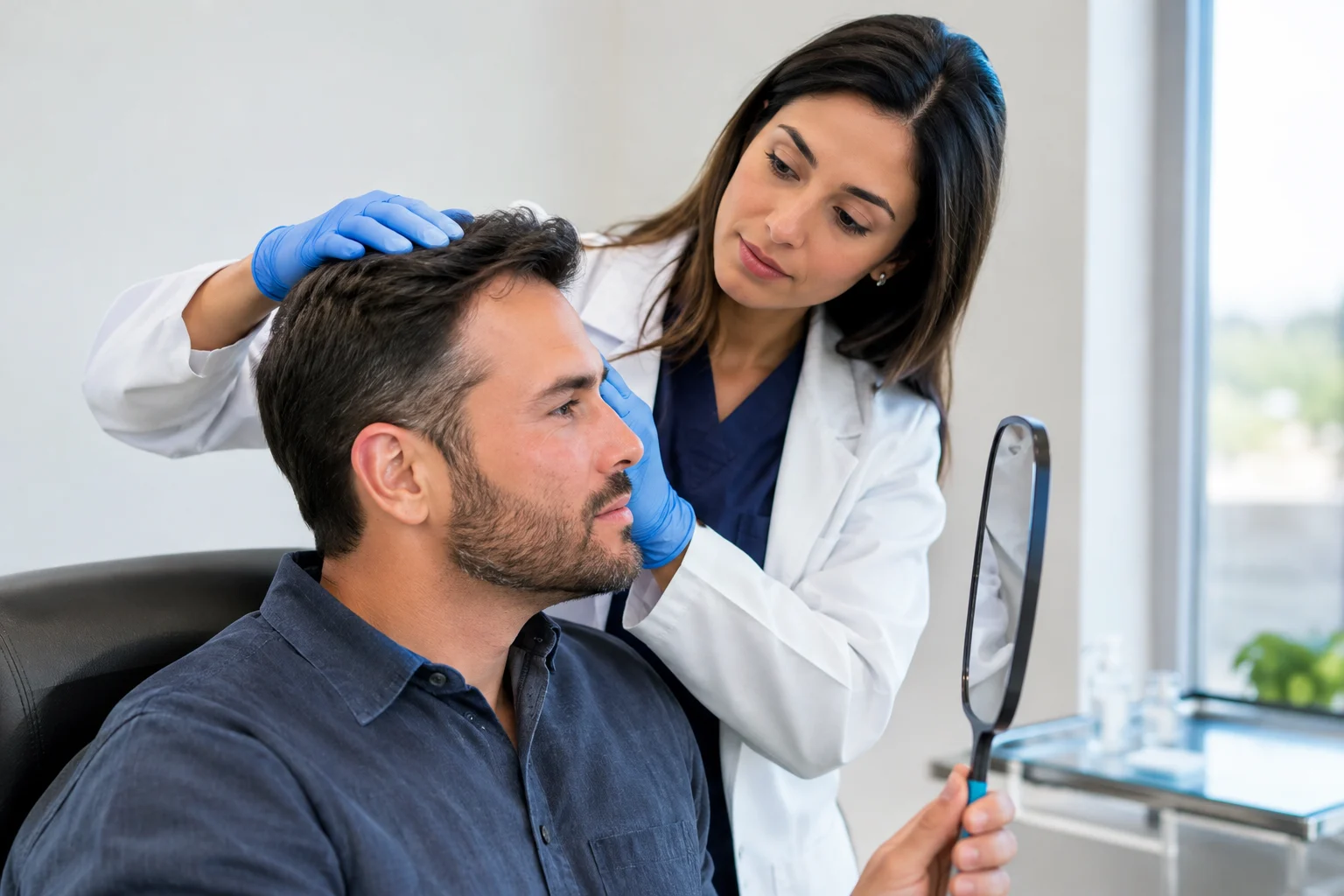
How to access hair transplant care from St. Paul
Residents of St. Paul can begin by researching qualified hair-restoration providers serving Collin County and the broader North Texas region. Because procedures are performed in clinical settings and may require more than one visit, the right choice is not necessarily the closest listing. Look for clear information about the treating clinician, consultation process, treatment options, costs, and follow-up care. Verify credentials through appropriate professional or licensing resources, and ask who will perform each part of the procedure.
A first consultation should be an evaluation rather than a promise of a particular result. The clinician may ask when hair loss began, whether it is changing, what treatments you have tried, and whether relevant health conditions or medications could affect care. They may examine the scalp and donor area, discuss your goals, and explain whether transplantation is suitable now or whether other steps should come first. Bring a current medication list and questions you want answered.
Understanding common treatment approaches
Hair transplantation moves hair follicles from a donor area, often at the back or sides of the scalp, to areas with thinning or hair loss. Two commonly discussed approaches are follicular unit extraction (FUE) and follicular unit transplantation (FUT). In FUE, individual follicular units are removed, while FUT involves removing a strip of scalp from which follicular units are prepared. Each method has different considerations, including incision patterns, scarring, recovery, and suitability for an individual. A clinician should explain the trade-offs in relation to your scalp and goals rather than presenting one method as best for everyone.
Not everyone with hair loss is a good candidate. Donor hair may be limited, hair loss can continue over time, and some medical causes need to be assessed before surgery is considered. A provider may discuss medication or other nonsurgical options, either as alternatives or as part of a broader plan. Transplanted hair does not prevent untreated hair from thinning, and outcomes vary. Ask for a realistic discussion of likely coverage, timing, limitations, and the possibility of additional treatment.
Questions to ask before choosing a provider
- Who will assess me, plan the procedure, and perform each surgical step?
- What training and experience does the responsible clinician have in hair restoration?
- Why do you recommend FUE, FUT, another treatment, or no procedure at this time?
- What risks, side effects, recovery needs, and follow-up visits should I expect?
- What is included in the quoted cost, and could additional expenses arise?
- How will you protect donor hair and plan for possible future hair loss?
Use the consultation to compare the quality and completeness of the answers, not just the quoted price or advertised before-and-after images. If you feel pressured to book quickly, are promised guaranteed density, or cannot get straightforward information about the clinician and risks, consider seeking another opinion. A careful provider should allow time to understand the plan and make an informed decision.
Plan for travel, recovery, and follow-up
For St. Paul residents considering care elsewhere in North Texas, ask how many in-person appointments are required and whether an initial discussion can take place remotely. A remote conversation may help you understand the process, but it does not replace an appropriate clinical evaluation. Confirm the procedure location, transportation recommendations, post-procedure instructions, and how to contact the care team with concerns. Avoid assuming that all follow-up can be handled from home; the schedule depends on the provider and your treatment plan.
Before committing, review written estimates and consent materials carefully. Costs can depend on the recommended approach and scope of treatment, and insurance coverage should be confirmed directly because hair restoration is often considered elective. Plan time for recovery in line with the clinician’s advice, and follow instructions about washing, activity, medications, and scalp care. Taking these practical steps can help residents choose care with clearer expectations and maintain continuity after returning to St. Paul.
Hair Restoration Access for St. Paul Residents
St. Paul is a Collin County community in North Texas, where residents may look beyond their immediate area when seeking specialized services such as hair transplantation. That can provide an opportunity to compare clinicians and treatment approaches across the region, while making it important to plan for consultation and follow-up visits. Rather than choosing solely by convenience, consider the provider’s qualifications, the clarity of the treatment plan, and the availability of ongoing support.
For people balancing work, family, and other commitments, practical planning matters. Ask how often you will need to travel, whether any preliminary appointment can be completed remotely, and what recovery guidance you should follow after returning home. Confirm transportation needs and how to reach the clinical team if questions arise. These details can help you decide whether a particular option is manageable from St. Paul before you schedule a procedure.
Hair loss concerns vary, so local access is most useful when it leads to individualized advice—not a one-size-fits-all promise. A qualified clinician can help assess your goals, donor hair, health history, and alternatives, then explain whether transplantation makes sense. Taking time to compare options gives St. Paul residents a more informed way to pursue hair restoration while keeping expectations, cost, and follow-up needs in view.
Frequently Asked Questions About Hair Transplant in St. Paul, Texas
How do I know whether I’m a good candidate for a hair transplant in St. Paul?
Candidacy depends on the cause and pattern of hair loss, the amount and quality of donor hair, your health, and your expectations. A consultation should include a review of your medical history and scalp, along with a discussion of whether hair loss is stable enough for a lasting plan. A transplant may not be suitable for everyone, and some people benefit from medical treatment or another approach first. Ask how future hair loss could affect the overall result.
What is the difference between FUE and FUT hair transplant methods?
FUE removes individual follicular units from the donor area, typically leaving many small marks rather than one linear scar. FUT removes a narrow strip of scalp, from which grafts are prepared; it usually leaves a linear scar that can be concealed by longer hair. Both methods relocate follicles, and neither is automatically best for every person. The choice depends on donor characteristics, hairstyle preferences, goals, and the clinician’s assessment. Ask about healing and scarring for each option.
How much does a hair transplant cost, and what affects the estimate?
The cost is usually based on factors such as the number of grafts recommended, the method used, the complexity of the case, and what care is included. An appropriate graft count should follow an examination and a realistic treatment plan, rather than a guess based only on photographs. When comparing estimates in the St. Paul area, ask for an itemized explanation of fees, follow-up care, and any separate costs. Confirm what happens if your plan needs adjustment.
What happens during a hair transplant procedure?
The team generally reviews the agreed hairline and treatment plan, prepares the donor and recipient areas, and uses local anesthesia before extracting and placing grafts. The procedure can take several hours, depending on the number of grafts and the technique. You should receive instructions about eating, medications, transportation, and aftercare in advance. Ask who performs each part of the procedure, how breaks are handled, and whom to contact if you have a concern after you leave.
How long should I plan to recover before returning to work or exercise?
Recovery varies with the procedure, your health, and your work duties. Some people return to desk work relatively soon, while physically demanding work may require more time and careful planning. Follow the specific instructions you receive about washing, sleeping, activity, and protecting the scalp. Avoid restarting strenuous exercise or activities that could bump or irritate the grafts until your care team says it is appropriate. If your job involves outdoor exposure around St. Paul, ask how to protect your scalp from sun and heat.
When will I see results after a hair transplant?
A transplant does not produce immediate full-looking growth. Transplanted hairs commonly shed during the early healing period, and new growth develops gradually over subsequent months. The timing and final appearance differ among individuals, and the hair may continue to mature over a longer period. Your clinician can explain what changes to expect at each stage and when progress should be reviewed. Ask how to document your results consistently and what signs would warrant contacting the clinic sooner.
Does a hair transplant hurt, and what risks should I understand?
Local anesthesia is commonly used, so discomfort during the procedure is often limited, though injections and soreness afterward can occur. Temporary swelling, redness, scabbing, numbness, or itching may happen during healing. Less common complications can include infection, bleeding, poor graft growth, or an unsatisfactory cosmetic result. Individual risks depend on your health and treatment plan. Before deciding, discuss your medical history, possible complications, scar expectations, and the steps to take if healing does not go as expected.
How should I prepare for a hair transplant consultation?
Bring a list of medications and supplements, relevant health conditions, prior hair-loss treatments, and questions about your goals. Be ready to discuss when hair loss began and how it has changed; family history may also help provide context. Photos showing your hair over time can be useful if you have them. Ask for an examination-based assessment, a clear explanation of alternatives, and a written plan outlining expected graft placement, limitations, recovery guidance, and follow-up.