
Hair Transplant Treatment Options Near University Park
Hair loss can affect people at different ages and for different reasons, and the right response depends on your health, hair-loss pattern, goals, and available donor hair. University Park residents can explore surgical hair restoration with providers serving the wider Dallas area, where consultations can help clarify whether a transplant is appropriate and what results may realistically be possible. A careful evaluation is more useful than choosing a procedure based on a name or a before-and-after image alone.
Treatment planning may include follicular unit extraction (FUE), follicular unit transplantation (FUT), medication, or a combination of approaches. Each option has different considerations for scarring, recovery, cost, and the number of grafts that may be needed. Start by discussing your concerns with a qualified medical professional, asking who performs each part of treatment, and confirming where consultations and procedures take place. This gives you a practical way to compare local access, understand follow-up needs, and make an informed decision without assuming that surgery is the best choice for everyone.
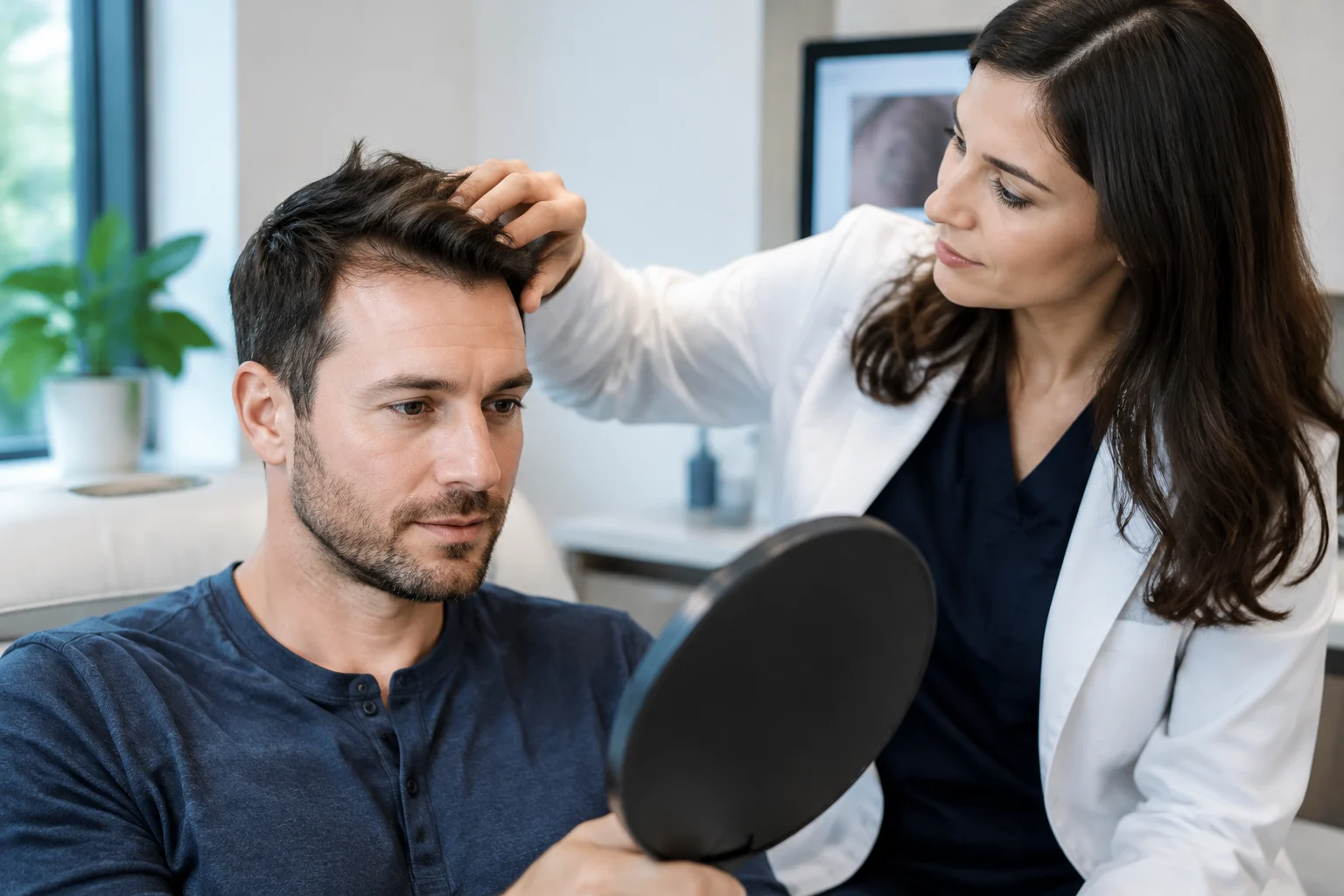
How to explore hair restoration near University Park
For residents of University Park, finding hair transplant care usually means comparing qualified providers across the Dallas area and confirming which services are available in person. Begin with a consultation that includes a review of your medical history, pattern of hair loss, scalp, and goals. A clinician can explain whether your hair loss appears stable enough for surgery, whether you have suitable donor hair, and whether other causes should be assessed before planning treatment.
Ask about the provider’s training and experience, who evaluates candidacy, and who performs the extraction, recipient-site creation, and placement of grafts. Request a clear explanation of likely benefits, limitations, risks, recovery, and total fees. A responsible consultation should leave room for questions and should not promise a specific density or guaranteed outcome.
Common hair transplant treatment options
Hair transplantation moves follicles from a donor area, commonly the back or sides of the scalp, to areas affected by thinning. The two widely discussed surgical methods are FUE and FUT. The suitable method depends on individual factors, the treatment plan, and the clinician’s assessment.
- FUE: Follicular unit extraction removes follicular units individually. It avoids a linear donor-area incision, though small dot-like scars can remain. The procedure may involve shaving some or all of the donor area, depending on the plan.
- FUT: Follicular unit transplantation removes a narrow strip of scalp from the donor area, which is then divided into grafts. It leaves a linear scar and may be considered in some treatment plans when a larger number of grafts is needed.
- Medical or non-surgical care: A clinician may discuss prescription or other evidence-based treatments to help manage ongoing hair loss. These treatments do not transplant hair, and suitability, side effects, and expected benefits should be reviewed with a medical professional.
Transplanted hair does not stop native hair from continuing to thin. A long-term plan may therefore include ongoing monitoring or medical treatment. Ask how the provider accounts for future hair loss when designing a hairline and allocating donor hair.
Planning consultations and follow-up
Before scheduling, confirm whether an initial assessment is in person, remote, or offered in more than one format. A remote conversation can be useful for introductory questions if a provider offers it, but candidacy and treatment planning may require an in-person scalp examination. Ask where the procedure would take place, how many visits are expected, and whether follow-up appointments are included.
Because University Park is within the Dallas area, residents can compare providers across nearby communities rather than limiting a search to the city boundary. Check the actual office and procedure locations, travel time, parking or transit arrangements, and whether you will need someone to accompany you after treatment. These practical details matter, especially when a clinic recommends avoiding driving immediately after a procedure or asks you to return for early follow-up.
Questions to ask before choosing a provider
- What is causing my hair loss, and should it be evaluated or treated before surgery?
- Am I a suitable candidate for FUE, FUT, another approach, or no transplant at this time?
- What are the likely benefits, risks, scars, recovery needs, and limitations for my case?
- Who performs each part of the procedure, and what follow-up care is provided?
- What costs are included, and could additional visits or treatments add to the total?
Compare answers and written treatment plans, not just advertised graft counts or photographs. If you have a medical condition, take medications, or have concerns about healing, disclose this during the evaluation. A second opinion can be helpful when recommendations differ or you feel pressured to decide quickly.
What to expect from recovery and results
Recovery instructions vary by procedure and provider. You may receive guidance about washing, activity, sleeping position, and protecting the scalp. Follow the instructions from your treating clinician and ask whom to contact if you notice unexpected symptoms. Transplanted hairs commonly shed before new growth develops, and visible change takes time; the timeline and final appearance vary from person to person. Results cannot be guaranteed, and a transplant may not restore the density or hairline someone had earlier in life.
For University Park residents, the most useful first step is a thorough consultation with a qualified hair-restoration professional who explains options in plain language. Understanding candidacy, costs, travel, and follow-up before committing can make it easier to choose care that fits both your needs and your routine.
Hair restoration access for University Park residents
University Park is part of the Dallas area, so residents considering hair transplant treatment can look beyond the city’s boundaries when comparing consultations and procedure options. This broader search can help you assess providers based on qualifications, communication, treatment approach, and follow-up care rather than convenience alone. Confirm each provider’s actual consultation and procedure locations, since these may not be the same, and plan travel for any required visits.
Hair restoration can involve more than the procedure itself. A consultation, pre-treatment instructions, recovery guidance, and follow-up may all shape how manageable treatment feels alongside work, family, and daily routines. Ask whether a companion is recommended, how soon you can resume normal activities, and what arrangements are needed if you have to return for care. Residents should also compare the full cost and ask whether medical evaluation or nonsurgical treatment may be appropriate before surgery. A local, informed decision starts with a clear plan that fits your health and expectations—not with a promise of a particular result.
Frequently Asked Questions About Hair Transplant in University Park, Texas
How do I know whether I’m a good candidate for a hair transplant in University Park?
Candidacy depends on the cause and pattern of hair loss, the amount and quality of available donor hair, your health, and your expectations. A qualified clinician should review your medical history and examine your scalp before recommending treatment. Hair loss that is still changing may need to be stabilized or monitored first. Ask how the proposed plan accounts for future thinning, since transplanted hair does not prevent untreated native hair from continuing to recede.
What is the difference between FUE and FUT hair transplant procedures?
FUE removes individual follicular units from the donor area, generally leaving small scattered marks; FUT removes a narrow strip of scalp that is then divided into grafts, leaving a linear scar. Both methods place follicles into thinning areas, but they differ in how grafts are obtained, scarring, and suitability for different patients. The right approach depends on your scalp, hair characteristics, hairstyle preferences, and goals. Ask the clinician to explain why a method fits your case.
What affects the cost of a hair transplant?
The cost can depend on the number of grafts recommended, the technique, the complexity of the treatment area, and what the quoted fee includes. Because plans vary, request an individualized written estimate after an examination rather than relying only on a general price or graft count. Clarify whether consultation, medications, follow-up visits, or any additional procedures are included. If you are comparing providers around University Park, compare the proposed plan and inclusions as well as the total.
What should I expect during recovery after a hair transplant?
Expect some tenderness, swelling, redness, or scabbing while the scalp heals; the extent and duration vary by person and procedure. Your clinic should give you specific instructions about washing, sleeping, activity, and protecting the grafts. Follow those directions and contact the care team if symptoms concern you. Ask how soon you can return to work, exercise, and normal hair care, since timing depends on your treatment and healing rather than a universal schedule.
When will I see results from a hair transplant?
Visible change takes time. Transplanted hairs commonly shed during the early healing period before new growth begins, so an initial shed does not by itself mean the procedure failed. Growth develops gradually over subsequent months, and the appearance continues to mature. Your clinician can give a more relevant timeline based on your procedure and hair characteristics. Ask how progress will be reviewed and what changes are expected at each stage, rather than judging the outcome too early.
Can women with hair loss get a hair transplant?
Some women may be candidates, but hair thinning can have many causes, and a transplant is not appropriate for every pattern. A clinician should assess the scalp, donor area, medical history, and likely cause before discussing surgery. Depending on the findings, evaluation or treatment for an underlying condition may be more appropriate. If you are considering a transplant in the University Park area, ask what diagnostic steps are recommended and how the plan addresses ongoing or widespread thinning.
How should I prepare for a hair transplant consultation?
Bring a list of medications and supplements, relevant medical history, and questions about your goals, recovery, risks, and likely long-term plan. Be ready to explain when hair loss began and whether it has changed recently. Do not stop prescribed medicines or start new treatments solely for the appointment unless your clinician advises you to. Clear photos from earlier stages of hair loss may also help the provider understand how your pattern has developed.
What should I look for when comparing hair transplant providers near University Park?
Look for a consultation that includes a careful scalp and donor-area assessment, a clear explanation of the proposed technique, and realistic discussion of risks and limitations. Ask who performs each part of the procedure, what follow-up is provided, and how the plan accounts for future hair loss. Request examples relevant to your hair type and pattern, while recognizing that individual results differ. Be cautious of pressure to decide quickly or promises of a guaranteed outcome.