
Hair Transplant Treatments Near Princeton, Texas
Choosing whether to restore thinning hair is a personal decision, and it helps to understand the process before arranging treatment. Princeton residents can explore hair transplant care by comparing qualified providers serving the area, asking about consultation options, and learning whether surgery is appropriate for their pattern of hair loss. A consultation is an opportunity to discuss goals, medical history, likely results, costs, and the time needed for recovery without committing to a procedure.
Hair transplantation moves follicles from a donor area—usually the back or sides of the scalp—to areas affected by hair loss. The approach, expected coverage, and number of treatment sessions vary from person to person. Because transplanted hair takes time to grow and results develop gradually, planning ahead is important. Whether you are researching treatment nearby or considering providers elsewhere in the greater North Texas region, focus on clinical credentials, clear communication, and realistic guidance rather than promises of a particular outcome.
Finding hair transplant care near Princeton
Princeton residents can begin by identifying hair restoration practices that accept patients from Collin County and confirming where consultations and procedures take place. A provider may offer an initial discussion remotely, in person, or through a combination of visits; ask directly about current options and whether an in-person scalp assessment is required. Before traveling, confirm the clinic location, appointment schedule, parking or transit arrangements, and what preparation is needed.
When comparing providers, look for a licensed medical professional with relevant experience in hair restoration and a clear explanation of who will perform each part of the procedure. Ask how the practice evaluates donor hair, designs a natural-looking hairline, and plans for possible future hair loss. Reviewing examples of results may help you understand a provider’s approach, but individual outcomes differ and photographs are not a guarantee of your result.
What happens during a consultation?
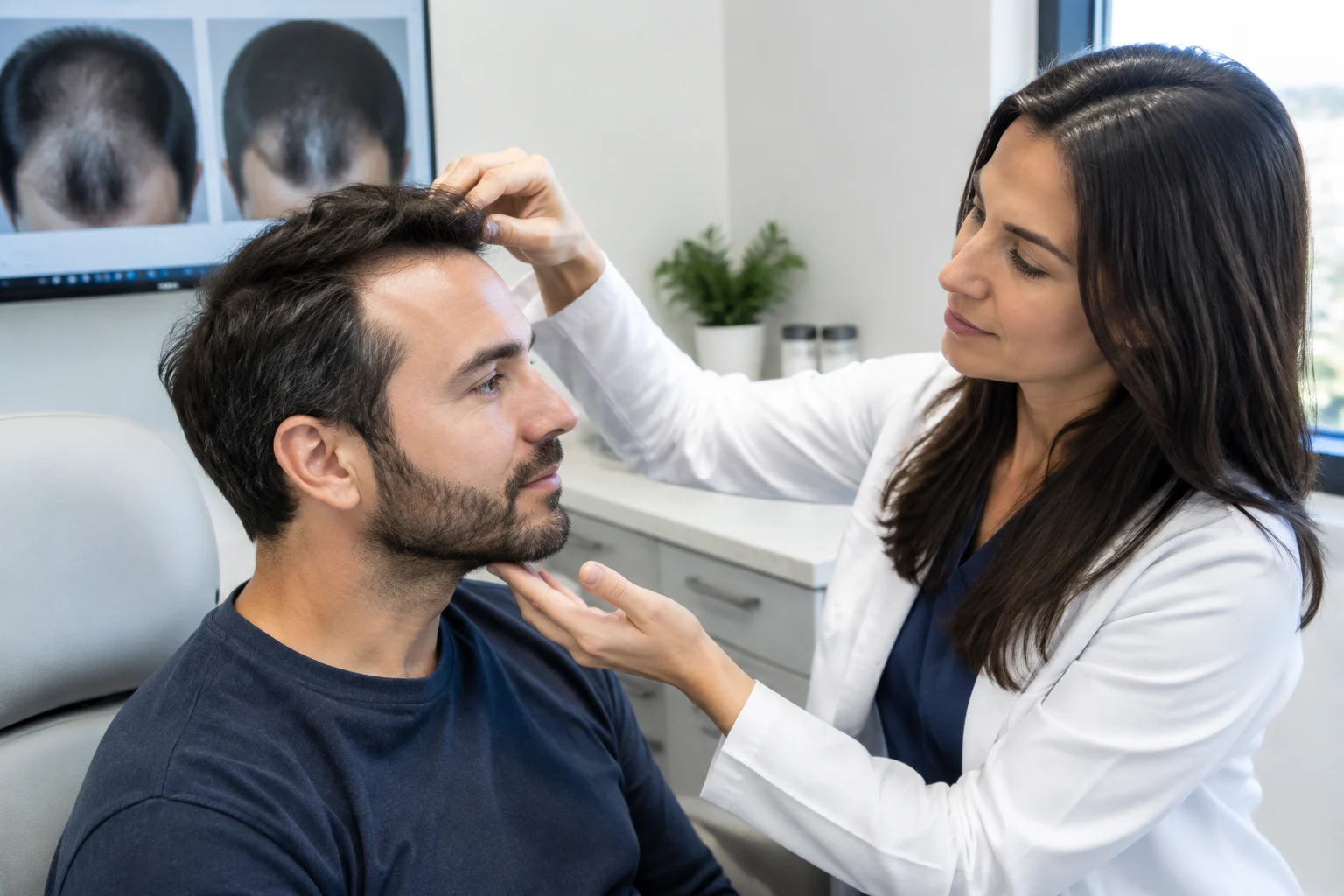
A consultation typically covers your hair-loss history, health, medications, expectations, and treatment goals. The clinician may examine the scalp and donor area and discuss whether a transplant is suitable. Hair loss can have different causes, and not everyone is a candidate for surgery. A provider may recommend further assessment, nonsurgical options, or waiting until the pattern of loss is clearer.
Useful questions to ask include:
- Which technique do you recommend for me, and why?
- Who performs the extraction and placement of follicles?
- What results are realistic for my donor supply and hair-loss pattern?
- What are the potential risks, side effects, and follow-up arrangements?
- What is included in the quoted price, and could additional sessions be needed?
- How long should I plan for recovery and any follow-up visits?
Understanding common transplant techniques
Follicular unit extraction (FUE) involves removing individual follicular units from a donor area and placing them in areas that need coverage. Follicular unit transplantation (FUT), sometimes called strip surgery, removes a narrow strip of scalp from the donor area, from which follicular units are prepared for placement. Each method has different considerations, including scarring, healing, and suitability for a person’s goals and hair characteristics. A qualified clinician can explain the trade-offs; the best approach is not the same for everyone.
Hair transplants are generally intended to redistribute existing follicles, not create new hair. A fuller appearance depends on factors such as donor supply, hair characteristics, the area being treated, and future hair loss. Some people may discuss medication or other treatments with a clinician to help manage ongoing loss. Do not start or stop medication without appropriate medical advice.
Planning for treatment and recovery
Ask the clinic for written pre- and post-procedure instructions and a clear point of contact for concerns. Recovery guidance is specific to the procedure and provider. You may need to arrange transportation, time away from work or usual activities, and a comfortable place to rest after treatment. If traveling from Princeton to a clinic elsewhere in the region, consider how you will manage the journey home and any scheduled follow-up appointments. Confirm these details before booking.
Newly transplanted hairs commonly shed before later growth develops, so visible change is gradual rather than immediate. The timeline and final appearance vary. Follow the clinician’s instructions for washing, activity, and scalp care, and contact the practice if symptoms concern you. Understand the risks before proceeding; possible complications can include infection, bleeding, scarring, or an unsatisfactory cosmetic result.
Costs and choosing with confidence
Hair transplant pricing depends on the treatment plan, provider, technique, and other factors. Request an itemized estimate and ask whether consultations, medications, aftercare, or future sessions are included. Because hair restoration is often considered elective, insurance may not cover it, but coverage rules differ; check with your insurer and the clinic rather than assuming. Take time to compare recommendations and seek another qualified opinion if you feel pressured or if claims sound guaranteed.
For Princeton residents, a well-planned search can make access more manageable: establish your goals, verify provider qualifications, understand travel and follow-up needs, and make a decision based on individualized medical guidance. A careful consultation helps you judge whether treatment fits your expectations, health, schedule, and budget.
Hair restoration planning in Princeton
Princeton is a growing community in Collin County, and residents may weigh local convenience against the range of services available in nearby North Texas communities. Hair transplant procedures are specialized, so the closest option is not automatically the right fit. It can be helpful to compare qualified providers who serve the area, confirm where they see patients, and ask whether the consultation can begin remotely. Verify travel and follow-up arrangements directly with each clinic, since procedures and appointment locations vary.
For people balancing work, family responsibilities, and travel, advance planning can make treatment easier to navigate. Ask how many visits may be involved, what recovery could mean for your routine, and whether follow-up can be coordinated around your schedule. If a provider is outside Princeton, include the journey and any return appointments when comparing options. Do not choose solely on convenience or price; clinical experience, individualized planning, transparent costs, and accessible aftercare are important considerations.
Hair loss affects people differently, and a transplant is not suitable for everyone. A thorough consultation can help Princeton residents understand the cause and pattern of hair loss, available choices, and realistic expectations. Taking time to compare advice and ask questions supports a more informed decision, whether you ultimately pursue surgery, consider nonsurgical care, or decide to wait.
Frequently Asked Questions About Hair Transplant in Princeton, Texas
Who may be a good candidate for a hair transplant?
Candidacy depends on the cause and pattern of hair loss, the amount of healthy donor hair, overall health, and expectations for coverage. A transplant may not be appropriate for hair loss that is still changing rapidly or caused by a condition that needs treatment first. In Princeton, Texas, as elsewhere, an in-person assessment with a qualified hair-restoration clinician can help determine whether surgery, medical treatment, or another approach is more suitable.
What is the difference between FUE and FUT hair transplant methods?
FUE removes individual follicular units from the donor area, while FUT removes a narrow strip of scalp that is then divided into grafts. Both methods move the patient’s own follicles to areas with thinning or hair loss, but they differ in how donor tissue is collected, likely scarring, and recovery considerations. The best option depends on factors such as hair characteristics, donor supply, hairstyle preferences, and the clinician’s assessment—not simply on which method sounds less invasive.
What should I expect during a hair transplant consultation?
A consultation typically includes a review of your hair-loss history, health, medications, and goals, along with an examination of the scalp and donor area. The clinician should explain whether you are a candidate, discuss likely limitations, outline the proposed technique, and review risks and aftercare. Bring a list of medications and questions, and mention any previous treatments. Ask who will perform each part of the procedure and what follow-up care is available.
How much time should I plan for recovery after a hair transplant?
Recovery varies by technique and individual, so follow the care instructions given by your treatment team. You may have temporary redness, swelling, tenderness, or small scabs, and you will need to protect the grafts while they heal. Ask when you can wash your hair, exercise, wear a hat, and return to work. If you live in Princeton, plan any travel or time away around the clinician’s specific instructions and follow-up schedule.
When will I see results from a hair transplant?
A transplant does not create an immediate full head of hair. The transplanted hairs commonly shed during the early healing period, and new growth develops gradually over subsequent months. The final appearance can take a year or longer to assess, though timing differs among individuals. Results also depend on donor supply, graft placement, and ongoing hair loss. Ask your clinician what a realistic outcome and progress schedule would be for your specific pattern.
What affects the cost of a hair transplant, and will insurance cover it?
The total cost can depend on the technique, number of grafts recommended, clinician and facility fees, anesthesia, and any follow-up or related treatment. There is no reliable estimate without an evaluation and written treatment plan. Hair transplantation is often considered elective, so insurance may not cover it; coverage varies by plan and medical circumstances. Before committing, request an itemized estimate and ask what is included, what could add expense, and what payment policies apply.
Can hair loss continue after a hair transplant?
Yes. A transplant redistributes existing follicles; it does not stop hair loss in untreated areas. Native hair may continue to thin, which can change the overall look over time. A clinician may discuss monitoring or medical treatments to help manage ongoing loss, but suitability and risks depend on your health. Before surgery, ask how the plan accounts for future thinning and whether maintenance treatment or another procedure might be considered later.
How can I compare hair transplant providers when I live in Princeton?
Compare providers by the quality of their evaluation and the clarity of their treatment plan, not by promotional claims alone. Ask about the clinician’s relevant training and experience, who performs extraction and placement, how risks are handled, and how follow-up is arranged. Review realistic examples that resemble your hair-loss pattern, and make sure you understand the limits of those results. Take time to compare written recommendations and avoid pressure to decide during a first visit.