
Hair Transplant: What Farmersville Patients Should Know
Hair loss can affect confidence, grooming choices, and how comfortable you feel in everyday situations. For some people, a hair transplant may be an option when hair loss is stable and enough healthy donor hair is available. The first step is a consultation with a qualified hair-restoration clinician who can assess your scalp, discuss your health history, and explain whether surgery is likely to meet your goals. A transplant is not appropriate for everyone, and results vary from person to person.
Farmersville residents can begin by comparing qualified providers who serve the wider North Texas area, then ask about consultation arrangements, travel requirements, and follow-up care before choosing a clinic. A thorough evaluation should cover the cause and pattern of hair loss, expected density, treatment alternatives, costs, and potential risks. Understanding the process in advance can help you make a considered decision and plan appointments around work, family responsibilities, and travel. Avoid choosing based on a single promotional photo or a promise of guaranteed results; clear communication and realistic expectations matter.
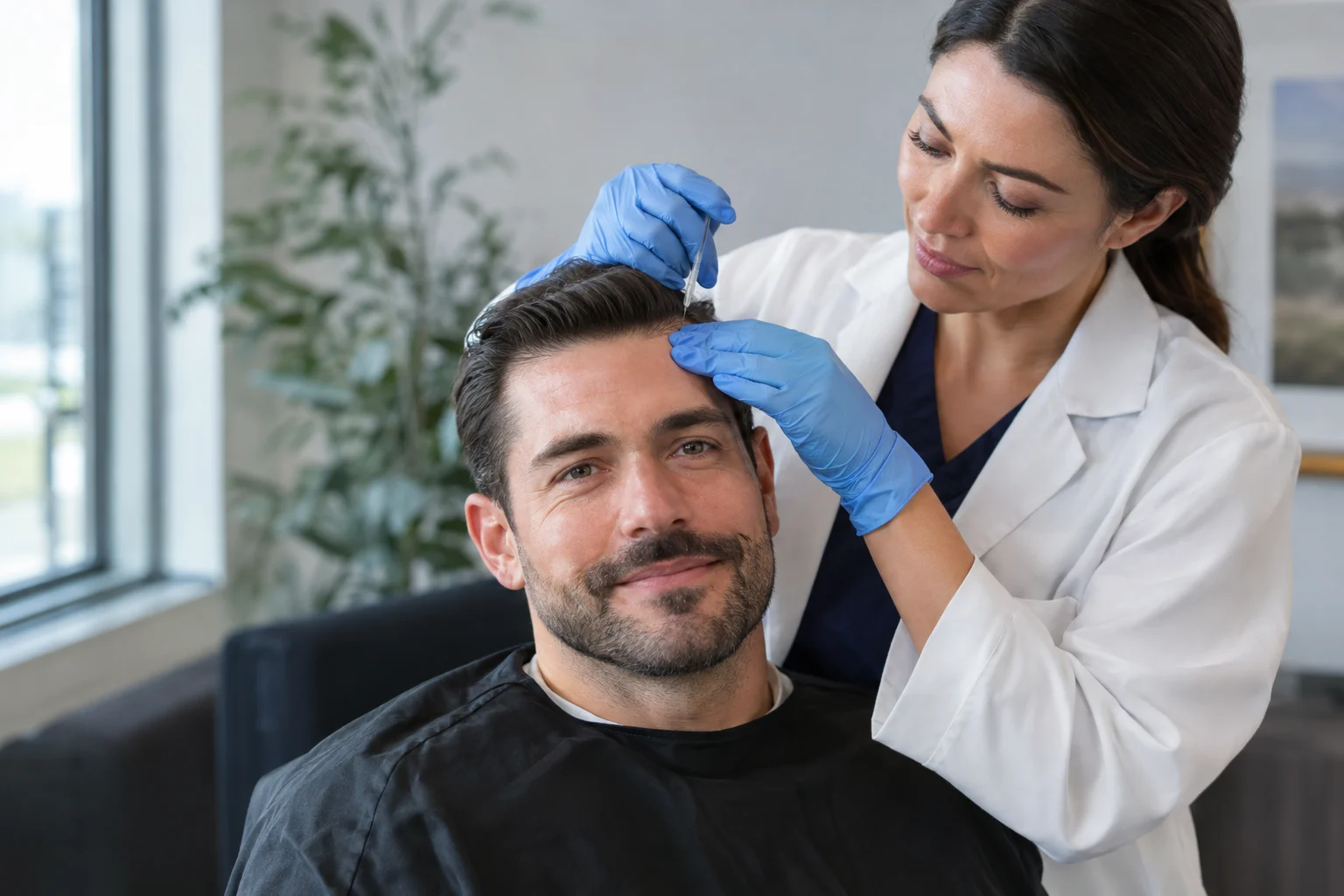
Understanding hair transplant treatment
A hair transplant is a surgical procedure that moves hair follicles from a donor area—often the back or sides of the scalp—to areas with thinning or no hair. The transplanted follicles may continue to grow in their new location, but the outcome depends on factors such as donor-hair supply, the pattern of hair loss, scalp health, and individual healing. A consultation helps determine whether this approach is suitable and what kind of result may be realistic.
Clinicians commonly discuss follicular unit extraction (FUE) and follicular unit transplantation (FUT). With FUE, follicles are removed individually; FUT involves removing a strip of scalp from the donor area and separating it into follicular units. Each technique has different considerations, including scarring, recovery, and how the donor area is managed. Ask the clinician to explain which approach they recommend for you and why, rather than assuming one method is best for everyone.
Finding care from Farmersville
Farmersville residents may need to look beyond town when comparing hair-restoration services. Search for appropriately qualified clinicians and practices that serve Farmersville or the surrounding North Texas region. Before scheduling, confirm where the consultation and procedure take place, whether an in-person assessment is required, and how post-procedure checks are handled. If an initial conversation is offered remotely, ask whether an in-person examination will still be needed before treatment is planned.
When comparing providers, review their credentials, experience with the procedure being considered, and approach to patient safety. Ask who performs each part of the procedure, what support is available if you have concerns after surgery, and whether the clinic can show examples of results for patients with similar hair-loss patterns. Photographs can help guide a discussion, but they cannot guarantee your own result. Take time to read consent documents and make sure you understand the proposed plan.
Questions to ask at a consultation
- What may be causing my hair loss, and should I have it evaluated before considering surgery?
- Am I a suitable candidate now, and could ongoing hair loss affect the long-term appearance?
- Which technique do you recommend, and what are its benefits, limitations, and risks for me?
- What result is realistic, how many sessions might be considered, and when could growth become noticeable?
- What is included in the quoted cost, and are medicines, follow-up visits, or additional procedures separate?
- What travel and recovery arrangements should I plan for after treatment?
Recovery, results, and alternatives
Hair transplantation is not an instant change. The scalp needs time to heal, and transplanted hairs may shed before new growth develops. The timing and final appearance vary, so ask your clinician what recovery typically involves and which symptoms should prompt you to contact the practice. Follow the aftercare instructions closely, including guidance about washing, activity, sun exposure, and prescribed medicines. Plan transportation and time away from routine responsibilities according to the provider’s advice.
Possible risks include bleeding, infection, scarring, swelling, discomfort, or an outcome that does not match expectations. Discuss your medical conditions and medications honestly, and do not stop prescribed medication without advice from the clinician who manages it. A provider should explain risks and alternatives before you decide. Depending on the cause of hair loss, alternatives may include medical treatment, cosmetic approaches, or simply monitoring changes over time. Some people may benefit from treatment to manage ongoing hair loss even after a transplant; only a qualified clinician can advise on an appropriate plan.
Making a practical decision
For people in Farmersville, access is about more than finding a consultation. Consider the full journey: evaluation, procedure location, transportation, recovery time, and follow-up. Request written information about the plan and total expected costs, and compare providers without pressure to book immediately. A careful consultation can help you understand whether a hair transplant fits your goals, health, and schedule—and whether another option may be more suitable.
Hair Restoration Planning in Farmersville
Farmersville is a community in Collin County, where residents balance local routines with trips to services across the broader North Texas region. Because hair-transplant procedures may require specialized surgical care, people considering treatment may need to compare providers outside their immediate neighborhood. The most useful first step is to identify qualified clinicians who serve the area and confirm where evaluations, procedures, and follow-up appointments take place. Do not assume a provider is nearby or that every stage can be completed remotely; verify those details directly.
Planning ahead can make the process more manageable for Farmersville patients. Ask how many visits may be needed, how long you should allow for recovery, and whether someone should accompany you after a procedure. Consider travel time when scheduling follow-up care, and make sure you can reach the practice if a question arises during recovery. These practical details are important alongside credentials, experience, and a clear explanation of risks and expected outcomes.
A hair transplant may suit some people seeking a lasting approach to specific patterns of hair loss, but it is not a guaranteed or universal solution. A personalized assessment can help clarify candidacy and alternatives. By comparing care options carefully and setting realistic expectations, Farmersville residents can make an informed decision that fits their health needs, personal goals, and day-to-day commitments.
Frequently Asked Questions About Hair Transplant in Farmersville, Texas
How can I tell whether I’m a good candidate for a hair transplant?
A transplant may be an option if you have stable hair loss, enough healthy donor hair, and realistic expectations about coverage. Suitability depends on the cause and pattern of hair loss, scalp condition, medical history, and whether loss is likely to continue. A qualified clinician should assess these factors before recommending surgery. If you’re exploring treatment in Farmersville, prepare to discuss your hair-loss history and any medications or health conditions during a consultation.
What is the difference between FUE and FUT hair transplant methods?
FUE removes individual follicular units from the donor area, while FUT removes a narrow strip of scalp from which grafts are prepared. Both methods relocate a patient’s own hair, but they differ in how donor hair is collected, the type of scarring, and recovery considerations. Neither approach is best for everyone. A clinician can explain which method fits your hair characteristics, goals, donor supply, and preferences after examining your scalp.
What should I expect at a hair transplant consultation near Farmersville?
A consultation usually includes a review of your health and hair-loss history, an examination of your scalp, and a discussion of your goals. The clinician should explain whether surgery is appropriate, what coverage may be realistic, which technique could suit you, and what recovery involves. Ask who performs each part of the procedure, what follow-up care is available, and what risks apply to you. You should have time to consider the information before deciding.
How much time should I plan to take off after a hair transplant?
Recovery varies with the procedure, your healing, and the kind of work or activities you do. Many people need a short period away from work, especially if their job involves strenuous activity or public-facing duties, but your clinician should give you an individualized plan. Follow instructions about washing, exercise, and protecting the scalp. If your work around Farmersville involves outdoor exposure, ask specifically when it is safe to resume it and how to protect healing skin.
What affects the cost of a hair transplant?
Costs can vary according to the number of grafts recommended, the technique, the complexity of the case, and what care is included. The lowest quote may not reflect the full treatment plan or follow-up needs. Ask for a written explanation of fees, what is included, and whether additional visits or treatments may cost extra. A clinician should first determine whether a transplant is appropriate; a price estimate alone cannot show whether the proposed plan suits your needs.
When will I see results after a hair transplant?
Newly transplanted hairs commonly shed during the early healing period, so this does not necessarily mean the grafts have failed. Visible growth takes time, and changes generally develop gradually over several months; the final appearance can take a year or longer. Timing varies by person and procedure. Follow your clinician’s aftercare instructions and attend recommended checkups. Ask how progress will be assessed and when to raise concerns such as unusual pain, worsening redness, or signs of infection.
What are the possible risks of hair transplant surgery?
Possible risks include bleeding, infection, swelling, discomfort, scarring, numbness, uneven growth, or an appearance that differs from your expectations. Some transplanted hairs may not grow as hoped, and existing hair loss can continue. Individual risk depends on your health and the procedure. Before agreeing to surgery, ask the clinician to explain risks, how complications are handled, and what results are realistically achievable for your donor supply and pattern of hair loss.
Are there alternatives to a hair transplant if I’m not ready for surgery?
Depending on the cause of hair loss, options may include approved topical or prescription treatments, addressing an underlying medical issue, or using cosmetic approaches such as hair fibers or a hairpiece. These choices do not work for everyone, and medications can have side effects or require ongoing use. A clinician can help identify the cause and discuss appropriate options. Avoid starting or stopping treatment based only on online advice, particularly if hair loss is sudden or patchy.