
Hair Transplant With Dr. Slack Near Richardson
For Richardson residents considering hair restoration, a hair transplant may be one option to discuss with a qualified provider. The first step is a personal consultation with Dr. Slack to review the pattern and cause of hair loss, understand your goals, and determine whether a transplant is appropriate. Hair loss can have different causes, and not every person is a candidate for surgery, so an individualized assessment matters more than a one-size-fits-all plan.
You can begin by contacting Dr. Slack’s office to ask where consultations and procedures take place, what information to bring, and whether an initial visit can be arranged around your schedule. During the consultation, ask about the proposed approach, expected recovery, possible risks, costs, and follow-up care. Clear answers can help you compare options and make an informed decision without pressure. This page explains what Richardson-area residents can consider when exploring hair transplant care and how to prepare for the next step.
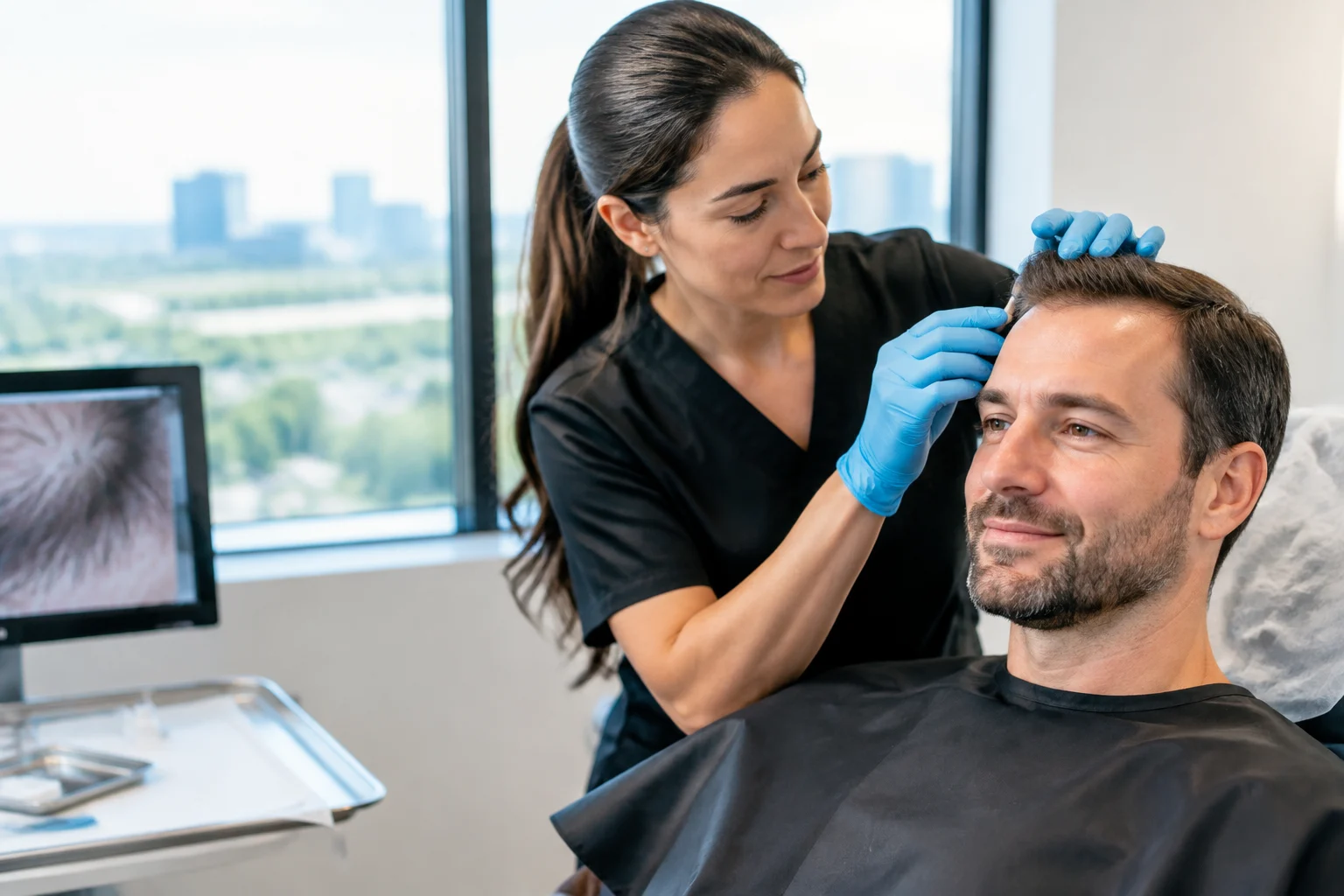
Starting your hair transplant journey
A hair transplant consultation is an opportunity to discuss your concerns and learn whether surgery may suit your needs. Hair restoration commonly involves moving hair follicles from a donor area to areas where hair is thinning or absent. The exact method, plan, and expected outcome depend on your individual circumstances. Dr. Slack can explain which options may be relevant after reviewing your hair loss, health history, and goals.
Before scheduling, contact the office to confirm the consultation location and available appointment options. Do not assume that the consultation and procedure take place at the same location, or that every service is offered at a particular site. Ask whether there are preliminary forms or records to provide, and whether you should bring a list of medications, prior treatments, or relevant medical information.
What to discuss during a consultation
A thoughtful consultation should give you time to ask questions and understand the reasoning behind a recommended plan. Consider discussing:
- What may be causing your hair loss and whether further evaluation is appropriate.
- Whether you are a suitable candidate for a transplant, and what factors could affect that decision.
- Which technique, if any, is being considered and why it may fit your situation.
- What results are realistic, how long growth may take, and whether additional treatment could be needed.
- Potential risks, side effects, recovery expectations, and instructions for aftercare.
- The full cost, what is included, payment arrangements, and the schedule for follow-up visits.
It can help to write down your priorities in advance, such as improving coverage in a particular area or understanding how hair loss may change over time. Bring questions about ongoing hair thinning as well as the transplant itself. A transplant does not stop all future hair loss, so ask how the plan accounts for long-term changes and what non-surgical options may be worth discussing.
Planning from Richardson
Richardson residents can make the process more manageable by confirming practical details before committing to an appointment. Ask for the exact consultation location and directions, available appointment times, and any instructions for arrival. If a procedure is recommended, confirm where it will be performed, how long to allow for the visit, and whether you will need someone to accompany you or help with transportation afterward. These details depend on the plan and the provider’s instructions.
Also ask how follow-up care is arranged for patients who live in Richardson. Find out which visits are expected, how to contact the care team with questions, and what to do if you have a concern during recovery. Knowing how communication and follow-up work can help you choose care that fits your schedule and comfort level. Avoid making travel or recovery plans until you have received instructions specific to your treatment.
Recovery and realistic expectations
Recovery varies by person and by procedure. Before deciding, request written aftercare instructions and ask when you can return to work, exercise, and your usual hair-care routine. Follow the provider’s guidance rather than relying on general timelines, and contact the care team if you are unsure whether a symptom is expected. Hair growth after a transplant takes time, and the final appearance is not immediate. Your provider should explain the anticipated timeline and the limits of what can be achieved.
Choosing a hair transplant is a personal decision. Residents near Richardson can benefit from taking time to understand the proposed care, compare relevant options, and confirm costs and follow-up arrangements. The best next step is a direct conversation with Dr. Slack about your candidacy and priorities, rather than assuming that a particular procedure or result is right for everyone.
Hair Restoration Options for Richardson Residents
Richardson is part of the Dallas–Fort Worth region, where residents balance work, family responsibilities, and everyday commitments. For someone exploring hair restoration, convenient access means more than finding a provider: it also means understanding where appointments occur, how follow-up is handled, and how treatment fits into a realistic schedule. Contact Dr. Slack’s office to confirm current locations and appointment arrangements before making plans. This helps you evaluate the practical side of care without relying on assumptions about where a consultation or procedure will take place.
Hair loss concerns are personal, and people in Richardson may have different goals, health histories, and preferences. A one-to-one discussion can help clarify whether a hair transplant is appropriate, what alternatives may be considered, and what results are realistic. Asking about recovery, ongoing hair loss, costs, and follow-up can make it easier to weigh the commitment alongside local work and home routines. The right choice is based on an individual assessment, not simply on proximity.
If you are comparing hair transplant options near Richardson, use the first conversation to understand the full process. Confirm the care team’s communication arrangements and the steps for getting help after treatment. With clear information about candidacy, logistics, and expectations, local residents can make a more confident and informed decision about whether to proceed.
Frequently Asked Questions About Hair Transplant in Richardson, Texas
Who may be a good candidate for a hair transplant in Richardson?
Candidacy depends on the cause and pattern of hair loss, the amount of healthy donor hair available, overall health, and expectations for coverage. A clinician should assess these factors and discuss whether hair loss is stable enough for surgery or whether another approach is more appropriate. Age alone does not determine eligibility. If hair loss is sudden, patchy, or accompanied by scalp symptoms, seek a medical evaluation before considering a transplant.
What happens during a hair transplant consultation?
A consultation typically includes a review of your medical history, medications, hair-loss pattern, and goals, along with an examination of the scalp and donor area. The clinician can explain whether transplantation may be suitable, what technique is being considered, and what limitations to expect. Bring questions and a list of medications or supplements. Ask how the plan accounts for future hair loss, since transplanted hair does not prevent existing hair from thinning.
What is the difference between FUE and FUT hair transplant techniques?
FUE removes individual follicular units from the donor area, while FUT removes a narrow strip of scalp from which follicular units are prepared. Both methods involve placing grafts into areas with hair loss, but they differ in how donor tissue is collected and in the resulting scar pattern. Suitability depends on factors such as hair characteristics, donor supply, hairstyle preferences, and clinical assessment. Ask the clinician to explain trade-offs for your situation.
How long does recovery from a hair transplant usually take?
Recovery varies with the procedure, the extent of treatment, and individual healing. Temporary redness, swelling, tenderness, scabbing, or numbness may occur, and the clinician should explain which symptoms are expected and when to call for help. You will receive instructions about washing, activity, and protecting the scalp. Before scheduling, ask how much time you may need away from work or strenuous activities and follow your care team's specific guidance.
When should I expect to see results after a hair transplant?
Hair growth after transplantation is gradual, so the result is not immediate. The transplanted hairs may shed during early healing before new growth develops, and visible change can take months. The pace and amount of growth differ among individuals and depend on factors such as healing and the treatment plan. At consultation, ask what timeline is realistic for your case, how progress will be assessed, and whether additional treatment could be discussed later.
How much does a hair transplant cost in Richardson?
There is no single price that applies to every hair transplant. The estimate can depend on the amount of coverage planned, the number of grafts, the technique, and what care is included. Request a written, itemized estimate after an individualized assessment, and ask whether follow-up visits, medications, or possible future procedures are separate costs. Avoid comparing quotes by graft count alone; make sure you understand the proposed plan and its limitations.
What risks should I discuss before choosing hair transplant surgery?
As with any surgery, a hair transplant can involve risks, including bleeding, infection, scarring, changes in sensation, uneven growth, or an appearance that does not meet expectations. The likelihood and significance of risks vary by person and procedure. Ask the clinician to explain risks specific to your health history, how complications are managed, and what signs after surgery need prompt attention. A careful discussion should include alternatives, not only the potential benefits.
How should I prepare for a hair transplant appointment?
Follow the care team's instructions, since preparation can vary by technique and medical history. Share all prescription medicines, over-the-counter drugs, supplements, allergies, and relevant health conditions; do not stop or change medication unless the clinician advises you to. Ask whether you should adjust smoking, alcohol, or activity before the procedure, and confirm what to bring and how to arrange transportation if needed. Clear instructions help you prepare safely and avoid assumptions.