
Hair Transplant With Dr. Slack Near Wylie
Hair loss can affect confidence, personal style, and the way you feel in everyday situations. If you live in Wylie, Texas, and are exploring a hair transplant, a consultation with Dr. Slack can help you understand whether surgical restoration may suit your pattern of hair loss, goals, and overall health. The first step is a conversation—not a commitment—about your concerns and the options that may be appropriate for you.
Because treatment details and appointment locations can vary, contact Dr. Slack’s team directly to confirm where consultations and procedures take place, what the visit involves, and how to plan travel from Wylie. A thoughtful evaluation should cover your medical history, hair-loss progression, donor hair, expected recovery, potential risks, and realistic outcomes. Asking questions in advance can help you prepare, compare options, and decide whether to move forward at a pace that feels right for you.
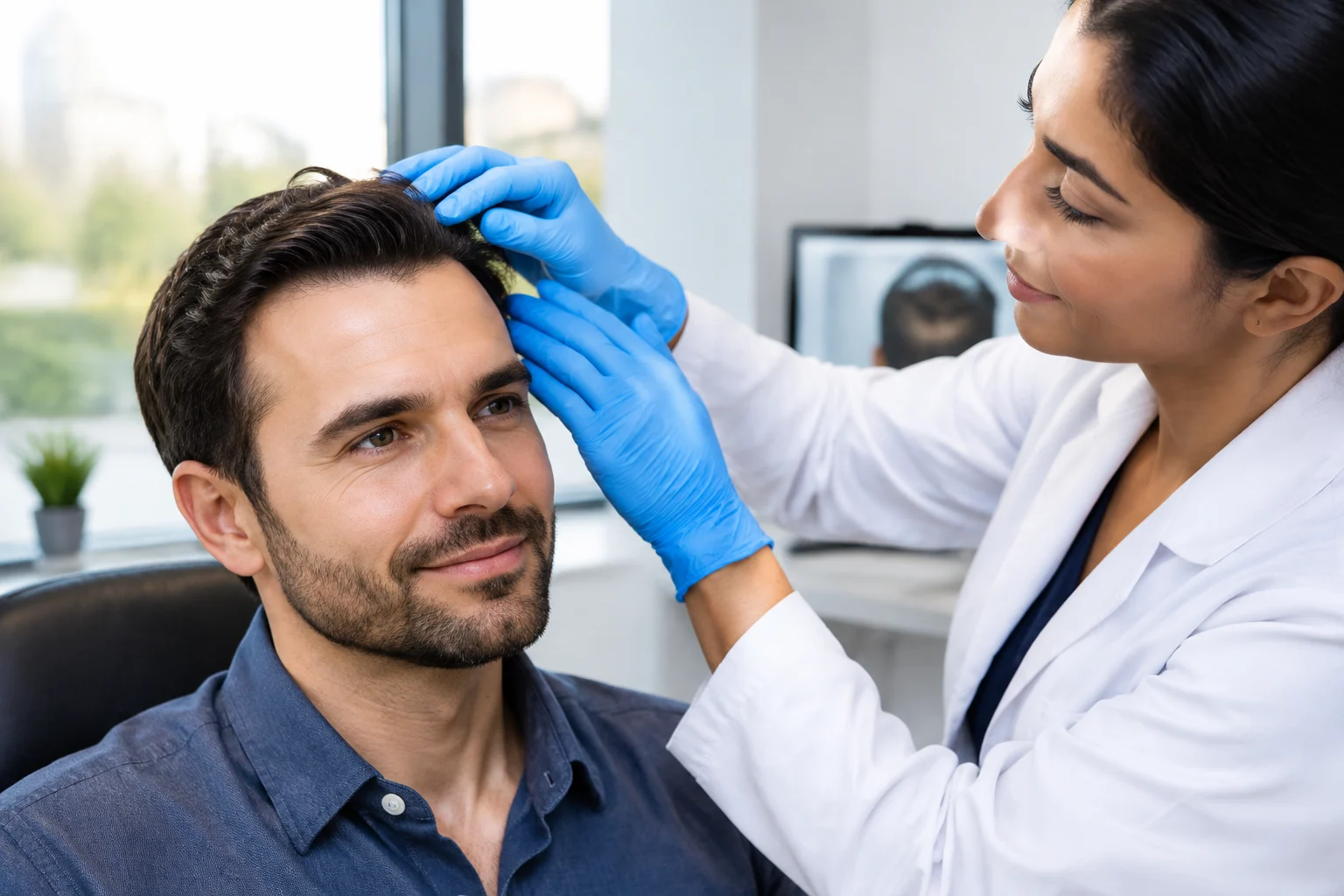
Explore hair restoration options near Wylie
People considering a hair transplant near Wylie often want more than a quick overview of a procedure. They want to know whether they are a suitable candidate, what results might reasonably look like, and how treatment could fit around work, family, and other responsibilities. A consultation with Dr. Slack is an opportunity to discuss those questions with a qualified provider and learn what next steps, if any, make sense for your situation.
Hair transplantation typically involves moving hair follicles from a donor area to areas affected by thinning or hair loss. The approach, treatment plan, and likely results depend on individual factors. No technique is right for everyone, and a consultation should explain the potential benefits as well as limitations, risks, and alternatives. A transplant also does not stop every cause of future hair loss, so ask how long-term planning may affect your goals.
What to expect at a consultation
Your initial appointment is a chance to review your concerns and gather information before deciding about treatment. Dr. Slack’s team can explain how its evaluation works and whether an in-person assessment is needed. Be prepared to discuss when you first noticed hair loss, how it has changed, relevant health conditions, medications, previous treatments, and what you hope to achieve. The provider may assess your scalp and donor hair to determine whether surgery could be appropriate.
Useful questions to bring include:
- What may be contributing to my hair loss, and should I consider a medical evaluation?
- Am I a candidate for transplantation, or might another approach be more suitable?
- Which procedure is being considered, and why does it fit my circumstances?
- What outcomes are realistic, and how might hair loss change over time?
- What are the possible risks, recovery needs, and follow-up arrangements?
- What costs are involved, and what is included in the quoted treatment plan?
Clear answers can help you make an informed choice. If you feel rushed or are unsure about a recommendation, it is reasonable to ask for clarification or take time to consider your options.
Planning treatment from Wylie
Before booking, confirm the consultation and procedure location with Dr. Slack’s office. The name of a nearby service area does not necessarily mean appointments take place within Wylie, and arrangements can change. Ask about available appointment times, what records or photographs to bring, whether an initial discussion can be held remotely, and how many visits may be needed. If travel is required, plan for the appointment and any recommended follow-up rather than assuming that all care can be completed in one visit.
For a procedure, ask the care team for specific instructions about transportation, time away from work, activity restrictions, and post-treatment care. Recovery varies, so avoid scheduling around a fixed return-to-normal date until you receive guidance tailored to your treatment. If someone may need to accompany you, check this with the office beforehand. Having practical details in writing can make planning easier for you and your household.
Benefits of a personalized approach
Hair restoration decisions are personal. An individualized assessment can help distinguish your priorities—such as a natural-looking hairline, coverage, or a plan that accounts for ongoing thinning—from assumptions based on advertisements or other people’s results. It can also clarify whether a transplant is likely to meet your expectations and what maintenance or additional care may be discussed. Results are not guaranteed, and the final outcome depends on individual circumstances and healing.
Choosing a provider based on clear communication, appropriate evaluation, and transparent discussion can be valuable for Wylie residents comparing options across the region. Ask who will perform each part of care, how the team handles questions after treatment, and whom to contact if you have a concern. Before proceeding, review all recommendations and costs, and make sure you understand the benefits, risks, alternatives, and follow-up plan. The right next step may be treatment, more time to decide, or a different form of care.
Take the next step
To explore a hair transplant with Dr. Slack near Wylie, contact the office to ask about consultation availability, the service location, and the evaluation process. Share your goals and request information about candidacy, procedure options, recovery, and costs. A direct conversation can help you determine whether a consultation is a good fit and what to expect before making any decisions.
Hair Transplant Care for Wylie Residents
Wylie is a growing community in the Dallas–Fort Worth area, where residents balance work, family commitments, and travel across the region. For someone considering hair restoration, convenience matters—but so does having enough time to understand the treatment and make a considered decision. Exploring a consultation with Dr. Slack gives local residents a starting point for discussing hair loss, learning about candidacy, and asking what care may involve.
When arranging a visit, confirm the exact appointment location and travel expectations directly with the office. Depending on where consultations or procedures are offered, you may need to plan for travel beyond Wylie or return visits for follow-up. Ask about scheduling, preparation, recovery guidance, and how the team answers questions after an appointment. These details are especially useful when coordinating treatment with work or home responsibilities.
A hair transplant is a personal medical decision, not a one-size-fits-all service. Wylie residents can use a consultation to compare their goals with a provider’s recommendations, understand realistic outcomes, and review alternatives and potential risks. Taking time to get clear answers helps you decide whether to proceed, seek another opinion, or consider a different approach to hair loss.
Frequently Asked Questions About Hair Transplant in Wylie, Texas
How do I know if I’m a good candidate for a hair transplant?
Candidacy depends on the cause and pattern of hair loss, the quality and amount of donor hair, your general health, and your expectations. A clinician should assess your scalp and discuss whether hair loss is stable enough for a lasting plan. Some people may benefit more from medical treatment or another approach, especially if hair loss is diffuse or still progressing. An in-person evaluation can help clarify realistic coverage and possible limitations.
What is the difference between FUE and FUT hair transplant methods?
With FUE, individual hair follicles are taken from the donor area and placed into thinning areas. FUT removes a narrow strip of scalp from the donor area, from which follicles are prepared for placement; it generally leaves a linear scar, while FUE can leave small dot-like scars. Both methods have trade-offs, and neither is right for everyone. Ask a qualified clinician which approach fits your donor hair, hairstyle preferences, and treatment goals.
How much does a hair transplant cost in Wylie, Texas?
The cost varies by the amount of hair loss, the number of grafts recommended, the technique used, and what is included in the treatment plan. A reliable estimate requires an assessment rather than a general figure, since graft counts and clinical needs differ. When comparing quotes, ask what services and follow-up care are included, whether additional treatment may be recommended, and how the provider explains the proposed plan. Avoid choosing based on price alone.
What should I expect during recovery after a hair transplant?
Most people need a short period of reduced activity while the scalp begins to heal, but recovery instructions and timing vary by technique and individual circumstances. Temporary redness, swelling, tenderness, scabbing, or numbness may occur. Follow the clinician’s directions for washing, sleeping, exercise, and protecting the grafts, and ask when it is appropriate to resume work or strenuous activity. Contact the care team if symptoms seem severe, worsen, or concern you.
When will I see results from a hair transplant?
Results develop gradually rather than appearing immediately. Transplanted hairs commonly shed in the early healing period, while follicles remain beneath the skin and may later produce new growth. Visible change can take several months, with further maturation over a longer period; the timeline differs among individuals. Your clinician can explain what progress to expect for your treatment plan and when follow-up assessments are appropriate. Be cautious of promises about a precise date or final density.
How should I prepare for a hair transplant consultation?
Bring a list of medications and supplements, relevant health conditions, and questions about your hair-loss history and goals. If available, note when thinning began and how it has changed; photographs from earlier years may help show the pattern. Ask about the recommended technique, donor-area limits, likely recovery, risks, total costs, and follow-up. Do not stop prescribed medication or change your routine before the appointment unless the clinician who manages your care advises you to.
What are the possible risks or side effects of hair transplantation?
Possible risks include infection, bleeding, swelling, discomfort, scarring, changes in scalp sensation, uneven growth, or an appearance that does not meet expectations. Some transplanted hairs may not grow as hoped, and existing hair can continue thinning over time. Individual risk depends on health, technique, and healing. Before proceeding, ask the clinician to explain the risks relevant to you, how complications are handled, and what care is needed after the procedure.
What should I ask a hair transplant provider before choosing one near Wylie?
Ask who will assess you and perform each part of the procedure, how your donor area and long-term hair-loss pattern will shape the plan, and what outcomes are realistic for your case. Request a clear explanation of risks, recovery instructions, total costs, and follow-up arrangements. You can also ask what alternatives are worth considering and how the provider handles concerns after treatment. Take time to compare information and avoid feeling pressured to decide during a consultation.