
Interested in Hair Transplant Near Aubrey, Texas?
Hair loss can affect confidence, personal style, and the way you feel in everyday situations. For Aubrey residents considering a hair transplant, the first step is usually a consultation with a qualified hair restoration professional. That conversation can help clarify the cause of hair loss, whether surgery may be appropriate, and what results are realistic for your individual pattern and goals.
Aubrey residents may need to compare providers across the broader North Texas area, since availability and services vary by clinic. Ask whether an initial consultation can be completed virtually, where in-person evaluation and treatment take place, and how many visits are likely to be needed. Understanding travel, recovery, follow-up care, and total costs in advance can make it easier to choose a plan that fits your health needs and schedule. A careful evaluation should include time for questions and a clear explanation of alternatives—not pressure to proceed.
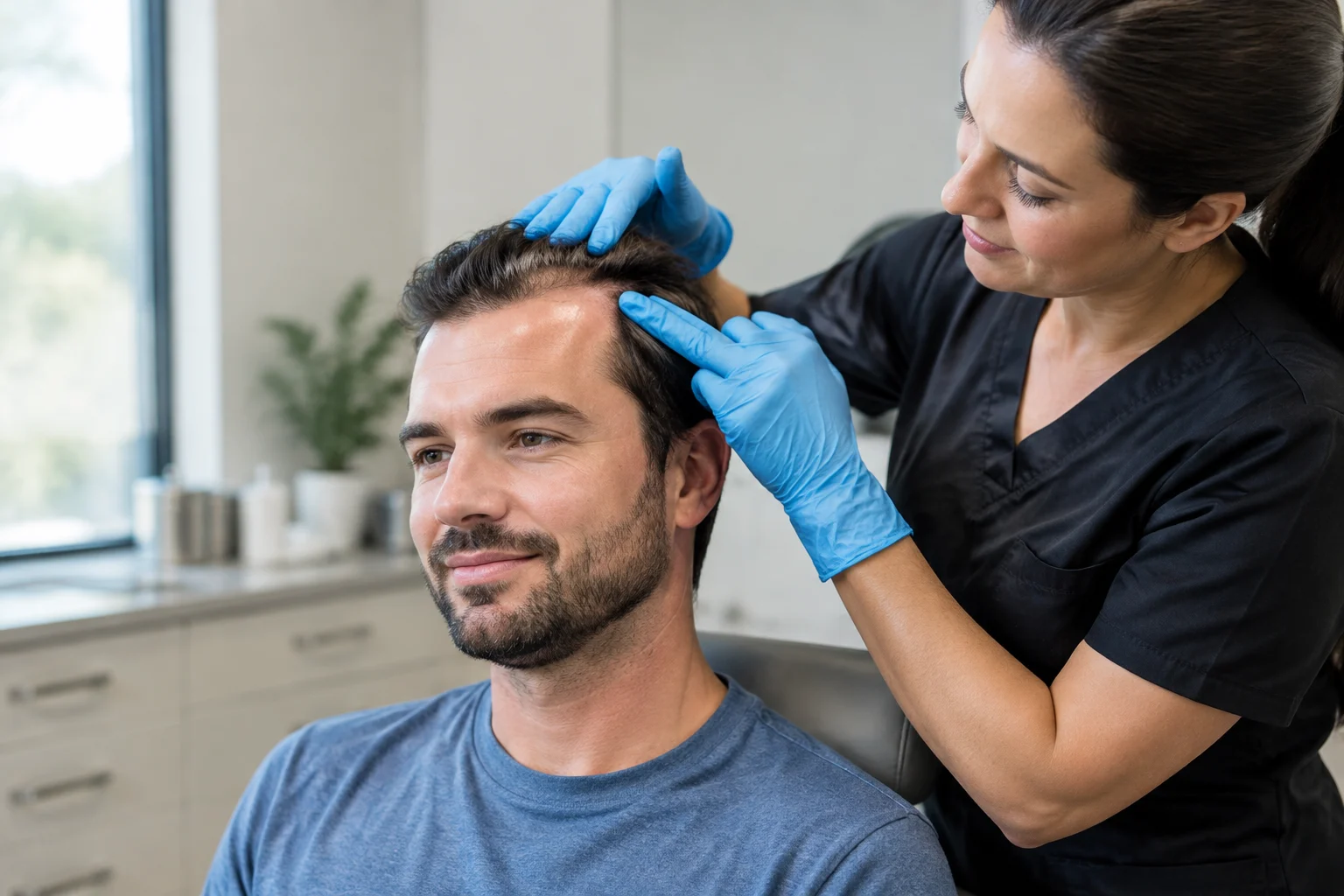
How to explore hair restoration near Aubrey
Hair transplant care typically begins with an assessment rather than a procedure booking. A clinician reviews your medical history, examines your scalp and hair-loss pattern, and discusses your goals. Hair loss can have several causes, and a transplant is not the right solution for everyone. A qualified professional can explain whether further evaluation, medical treatment, or another approach should be considered before surgery.
Because treatment availability differs by provider, Aubrey residents can look at options in nearby North Texas communities as well as clinics elsewhere in the region. Confirm the location of consultations, surgery, and follow-up appointments before making a decision. Some practices may offer an initial remote conversation, but an in-person examination may still be needed to determine candidacy and plan treatment.
What happens during a consultation
A useful consultation should be specific to you. The provider may discuss the extent and progression of hair loss, donor hair availability, scalp health, family history, and the kind of coverage you hope to achieve. Ask who will perform each part of the procedure, what training and experience they have, and what support is available after treatment.
- Request an explanation of the proposed plan, including the expected hairline design and treatment area.
- Ask about likely benefits, limitations, risks, and the possibility that additional treatment may be needed in the future.
- Discuss whether your hair loss appears stable and how ongoing loss could affect the result.
- Get written information about fees, what is included, payment policies, and any costs for follow-up care.
- Ask how to contact the care team if you have questions or concerns during recovery.
Understanding common transplant approaches
Two commonly discussed techniques are follicular unit extraction (FUE) and follicular unit transplantation (FUT). With FUE, individual follicular units are removed from a donor area and placed in areas where added density is desired. With FUT, a narrow strip of scalp is removed from the donor area and divided into follicular units for placement. Each approach has trade-offs, including differences in scarring, healing, and suitability. The right option depends on your characteristics and the clinician’s assessment; a provider should explain why a method is being recommended rather than presenting one technique as best for everyone.
Hair transplant surgery moves existing follicles, so the amount of donor hair is limited. It cannot guarantee a particular density or stop future hair loss in untreated areas. Results develop gradually as transplanted hair sheds and later regrows, and the timeline varies. Ask the clinician what changes to expect at each stage and whether a longer-term plan may be appropriate.
Planning for travel and recovery
When comparing care near Aubrey, include logistics in your decision. Find out how long you should plan to be near the clinic, whether someone should accompany you, and when you can safely return to driving, work, exercise, or outdoor activities. Follow the clinic’s written instructions about washing, sleeping, medications, and protecting the scalp. If you will be traveling after treatment, ask how the provider handles follow-up and what to do if a concern arises once you are back home.
Do not rely on a brief online estimate as a substitute for an examination. Before paying a deposit, make sure you understand the proposed procedure, the clinician responsible for your care, and the full cost. You can take time to compare recommendations and seek another qualified opinion if something is unclear. Be cautious of promises of guaranteed growth, unusually high graft counts without an individualized assessment, or pressure to commit immediately.
Making an informed choice
A hair transplant is an elective medical procedure, so choosing a provider should involve more than comparing promotional photos or headline prices. Look for clear, consistent answers and a realistic discussion of possible outcomes, side effects, and alternatives. Ask whether any before-and-after images represent patients with hair-loss patterns and characteristics similar to yours, and whether the images are shared with appropriate permission.
For Aubrey residents, a well-planned search can balance provider qualifications with practical access to consultations and follow-up. Confirm where care is delivered, how communication works between visits, and whether the treatment plan makes sense for your goals and budget. A thorough evaluation helps you decide whether surgery is appropriate and gives you a clearer understanding of what the process involves before you take the next step.
Hair Transplant Care for the Aubrey Community
Aubrey is a North Texas community where residents may balance work, family, and travel when arranging elective care. Hair transplant providers and treatment locations vary, so people considering the procedure should check which services are available nearby and whether an initial consultation can be arranged remotely. Virtual contact may help with early questions, but it does not replace any examination a clinician needs to assess the scalp and determine candidacy.
Planning ahead is especially useful when treatment involves more than one visit or requires time away from regular activities. Before choosing a clinic, confirm where the procedure and follow-up appointments will take place, how long you may need to stay in the area, and how the care team will remain available after you return to Aubrey. Ask about recovery guidance and how urgent concerns are handled. These details can help you compare options based on both medical suitability and convenience.
A local search does not need to mean choosing the closest advertised option. Residents can compare qualified providers across the wider North Texas region, taking time to review credentials, consultation quality, proposed plans, and transparent pricing. The best fit is a provider who gives clear, individualized advice and makes realistic expectations part of the decision—not one who promises a guaranteed result.
Frequently Asked Questions About Hair Transplant in Aubrey, Texas
Am I a good candidate for a hair transplant in Aubrey?
Candidacy depends on why you are losing hair, how much stable donor hair is available, your health, and what results you hope to achieve. A transplant may not be appropriate for every type of hair loss, and ongoing loss can affect the long-term appearance of transplanted areas. A qualified clinician can assess your scalp and history, discuss alternatives, and explain realistic coverage. Ask whether delaying treatment or addressing an underlying cause should come first.
What is the difference between FUE and FUT hair transplants?
FUE involves removing individual follicular units from the donor area, while FUT removes a narrow strip of scalp that is divided into grafts. Both methods relocate hair follicles, but they differ in how donor tissue is taken, the type of scarring, and suitability for a person’s hair and goals. Neither technique is best for everyone. During a consultation, ask why a method is recommended, what scar pattern to expect, and what recovery involves.
What should I expect at a hair transplant consultation?
A consultation typically includes a discussion of your hair-loss history, health, medications, prior treatments, and desired outcome. The clinician may examine your scalp and donor area, then explain whether surgery is suitable and what limitations apply. Bring a list of medicines and supplements, note when your hair loss began, and prepare questions about the technique, risks, recovery, and follow-up. If you are considering care from Aubrey, confirm how assessments and later check-ins are arranged.
How much recovery time should I plan for after a hair transplant?
Recovery varies with the technique, the size of the procedure, and your individual healing. You may have temporary swelling, tenderness, redness, or small crusts around grafts; your care team should explain how to wash and protect the scalp. Ask when to return to work, exercise, or wearing headwear, since instructions can differ. Arrange a way home if sedation or medication affects your ability to drive, and contact the clinic about symptoms that concern you.
When will I see results from a hair transplant?
Transplanted hairs commonly shed during the early healing period, which does not necessarily mean the follicles have failed. New growth usually takes months to become noticeable, and the result develops gradually; many people assess progress around 6 to 12 months, though timing varies and maturation may take longer. Follow the care plan and attend recommended reviews. Ask your clinician what progress is reasonable for your pattern of hair loss and when to discuss concerns.
How is hair transplant cost determined, and does insurance cover it?
The estimate can depend on the number of grafts recommended, the technique, the clinician’s plan, and what care or follow-up is included. Request a written breakdown and ask whether consultations, medicines, or later sessions are separate charges; do not compare estimates by graft count alone without understanding the plan. Hair restoration is often considered elective, so coverage may be limited, but policies differ. Check directly with your insurer and ask the provider about payment terms before deciding.
How should I prepare for a hair transplant procedure?
Follow the clinic’s written pre-procedure instructions, because preparation depends on your health and the planned technique. Share all prescription medicines, over-the-counter products, supplements, allergies, and relevant medical conditions. Do not stop a prescribed medicine or start a supplement unless your clinician advises it. Ask whether you should avoid alcohol, smoking, or particular activities before surgery, and confirm eating, washing, clothing, and transportation instructions. Clear guidance in advance helps you plan safely.
How can I choose a hair transplant provider if I live in Aubrey?
Compare providers by the clarity of their evaluation, the clinician’s experience with hair restoration, the explanation of risks and alternatives, and the quality of the aftercare plan—not by promotional images alone. Ask who evaluates you, who performs each part of the procedure, how complications are handled, and how follow-up is managed. If the clinic is outside Aubrey, consider how you will attend visits and reach the care team after surgery. Take time to review the plan before committing.