
Interested in Hair Transplant Near Hebron, Texas?
Residents of Hebron who are considering a hair transplant can explore consultations with qualified hair-restoration providers serving the surrounding North Texas area. Because surgical practices may be located in nearby communities rather than within Hebron itself, it helps to compare providers based on credentials, consultation options, treatment approach, and the travel involved for both the procedure and follow-up care. Start by confirming that a provider evaluates hair loss in person or through an appropriate consultation process and explains whether transplantation may suit your situation.
A hair transplant moves hair follicles from a donor area, usually the back or sides of the scalp, to areas affected by thinning or hair loss. Results and suitability vary. A careful evaluation can clarify likely causes, donor-hair capacity, expected coverage, costs, recovery needs, and alternatives. Before making a decision, ask about the clinician who will perform each part of the procedure, potential risks, and how the practice supports patients after they return home to Hebron.
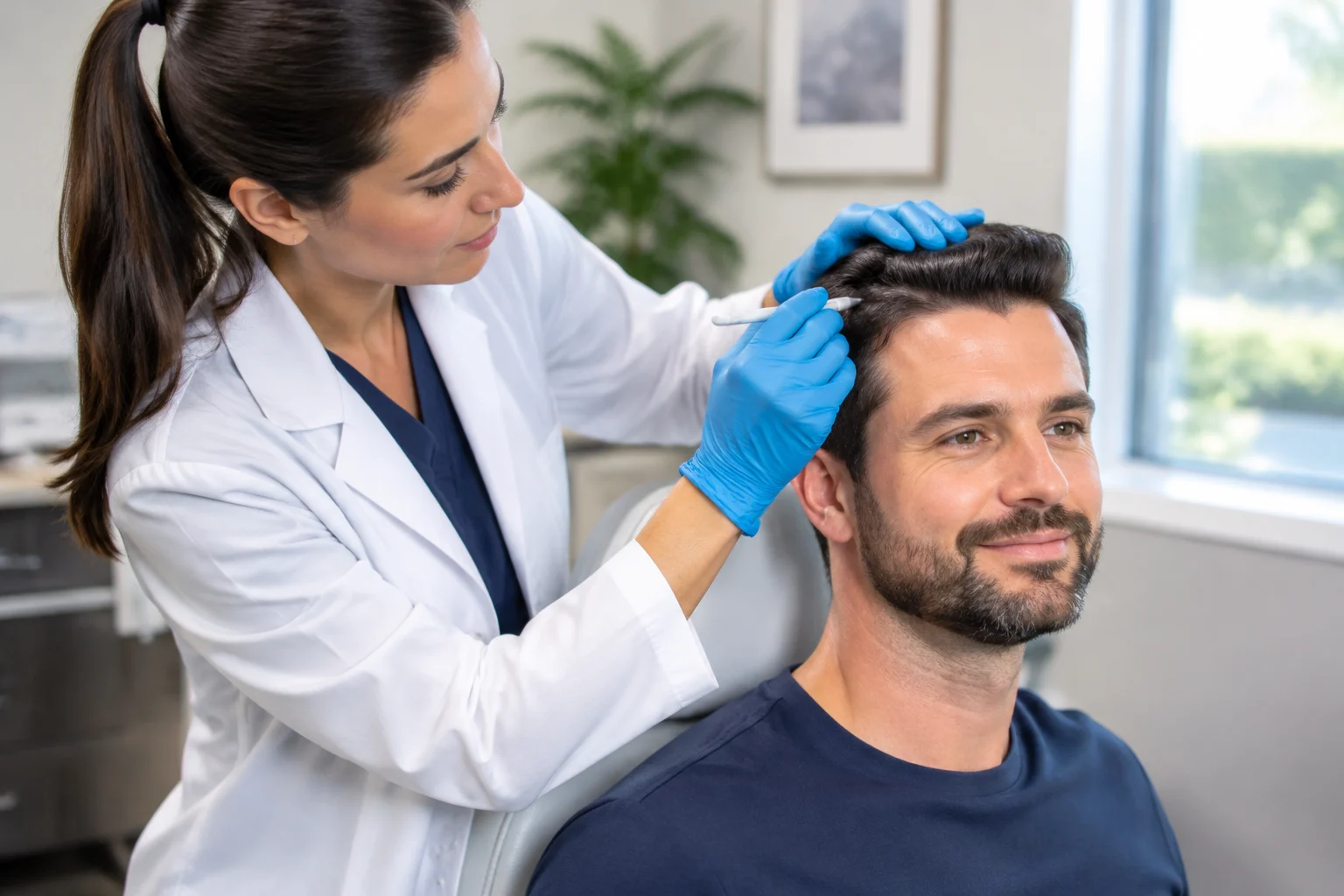
Finding hair transplant care near Hebron
Hebron residents can look for hair-restoration consultations in the nearby North Texas communities and broader Dallas–Fort Worth area. The right practice may not be in Hebron, so consider the complete care journey rather than only the initial appointment: consultation, treatment planning, procedure-day travel, and postoperative check-ins. Contact practices directly to confirm their current location, services, appointment format, and whether they routinely see patients who travel from nearby communities.
When comparing options, verify the qualifications and experience of the medical professional responsible for your care. Ask who evaluates you, who performs the surgery, and who handles follow-up. A reputable consultation should include a discussion of your medical history, pattern and cause of hair loss, donor area, goals, and realistic limitations. Be cautious of guarantees or pressure to book before you have had time to understand the plan.
What to expect at a consultation
A consultation is an opportunity to learn whether a transplant is appropriate, not a promise that surgery is the best option. Hair loss can have different causes, and a clinician may recommend additional evaluation or a non-surgical approach. If a transplant is being considered, the provider should explain the proposed technique, the areas that may be treated, the expected appearance over time, and how future hair loss could affect the result.
Useful questions to bring include:
- What may be causing my hair loss, and should it be evaluated by another specialist?
- Am I a suitable candidate based on my donor hair, health, and goals?
- Who will perform each part of the procedure, and what training and experience do they have?
- What are the possible risks, recovery expectations, and follow-up arrangements?
- What is included in the quoted price, and could additional visits or treatments cost extra?
Bring a list of medications and relevant health conditions, along with questions about your desired result. If photographs or records are requested, ask how they are stored and used. A clear, individualized plan should distinguish likely outcomes from guarantees and give you time to consider your choices.
Planning treatment and follow-up from Hebron
For a procedure outside Hebron, plan transportation and time away from work or regular activities according to the provider’s instructions. Ask whether you will need someone to accompany you, whether you can drive afterward, and when it is safe to resume exercise or other routines. These details depend on the procedure and your individual circumstances, so follow the treating clinician’s guidance rather than relying on general timelines.
Before scheduling, understand the practice’s arrangements for questions or concerns after surgery. Ask how follow-up appointments are handled if you live in Hebron, whether any visits can be remote when clinically appropriate, and how urgent concerns are addressed. Remote appointments may not replace an examination, and availability varies by provider. Confirm the plan in advance so travel requirements and aftercare are manageable.
Understand techniques, costs, and alternatives
Providers may discuss methods such as follicular unit extraction or follicular unit transplantation. These approaches differ in how donor follicles are collected and may involve different considerations for scarring, recovery, hairstyle preferences, and treatment planning. The technique name alone does not establish quality or suitability. Ask why a particular method is recommended for you and what trade-offs apply.
Request a written estimate that explains what is included, the payment schedule, and the practice’s policies for cancellations or changes. Compare the full plan, clinician involvement, communication, and follow-up—not just a headline price. Depending on the cause and pattern of hair loss, a clinician may also discuss medication, other treatments, or waiting before surgery. Do not start or stop medication without discussing it with a qualified healthcare professional.
Taking time to research providers can help Hebron residents make a more informed choice. Check relevant professional credentials through appropriate licensing or professional organizations, read materials critically, and ask for clear answers about risks and realistic outcomes. A careful consultation should leave you better informed, whether you decide to proceed, seek another opinion, or choose a different approach.
Hair Restoration Access for Hebron Residents
Hebron is a community in Denton County within the northern Dallas–Fort Worth area, with nearby communities including Carrollton and Lewisville. That regional setting gives residents options to explore consultations across the surrounding area, while making it important to confirm where a provider is located and how appointments are arranged. A convenient first step is to identify practices that clearly describe their medical team, evaluation process, treatment options, and follow-up support.
Hair transplant care often involves more than one interaction, so local planning matters. Before booking, consider the time and transportation needed for an initial consultation, the procedure, and any recommended in-person review. Ask whether the practice offers remote discussions for appropriate parts of care, but confirm which assessments must happen in person. Clear instructions for recovery and a reliable way to contact the care team can be especially helpful when traveling back to Hebron after treatment.
The best choice depends on individual health, the cause of hair loss, donor-hair availability, goals, and budget—not simply on distance. Residents can use consultations to compare personalized recommendations and learn about surgical and non-surgical options. Taking time to verify credentials, understand costs, and discuss realistic outcomes can make it easier to choose care that fits both personal needs and the practicalities of living in Hebron.
Frequently Asked Questions About Hair Transplant in Hebron, Texas
How can I tell whether I’m a good candidate for a hair transplant?
Candidacy depends on the cause and pattern of hair loss, the amount and quality of donor hair, scalp health, and your expectations. A clinician will review your medical history and examine both the thinning areas and potential donor areas before recommending treatment. Some people may benefit from addressing active hair loss or another health issue first. A consultation can help determine whether transplantation is suitable or whether another approach is more appropriate.
What is the difference between FUE and FUT hair transplant procedures?
FUE removes individual follicular units from the donor area, while FUT removes a narrow strip of scalp that is separated into grafts. Both methods aim to move hair follicles to areas with thinning or loss, but they differ in how donor tissue is collected and in the type of scarring that may result. The better option depends on your hair characteristics, hairstyle preferences, donor supply, and clinical assessment. Ask the clinician to explain the trade-offs for your case.
What affects the cost of a hair transplant?
The total cost can depend on the number of grafts needed, the technique used, the complexity of the hair-loss pattern, and what is included in the treatment plan and follow-up. A personalized assessment is needed before an accurate estimate can be given; online averages may not reflect your situation. When comparing estimates, ask what services are included, whether additional visits or medications are separate, and how the proposed graft count was determined.
Is a hair transplant painful, and what happens during the procedure?
The procedure is generally performed with local anesthesia, so discomfort during treatment is often limited, though injections and pressure may be noticeable. Individual experiences vary, and the clinical team should explain pain-control options and what sensations to expect. Treatment length depends on the plan and number of grafts. Before proceeding, discuss relevant health conditions, medications, allergies, and any concerns about anesthesia so the clinician can advise you safely.
How much time should I plan to take off work after a transplant?
Recovery needs vary with the procedure, your job, and how you feel afterward. Many people need a short period to rest and manage visible redness, swelling, or scabbing, while physically demanding work may require a longer break based on clinical advice. If you live in Hebron, plan transportation and time away from work around the specific instructions you receive, rather than assuming you can resume normal activities immediately. Confirm when exercise and routine washing can restart.
When will I see results from a hair transplant?
A transplant does not create an immediate finished result. The transplanted hairs commonly shed during the early healing period, and new growth develops gradually over subsequent months. The timing and final appearance differ from person to person and depend on factors such as hair characteristics, the treatment plan, and ongoing hair loss. Your clinician should explain a realistic timeline, how progress will be reviewed, and whether medical treatment may help protect existing hair.
What risks or side effects should I understand before treatment?
Possible effects include temporary swelling, redness, tenderness, itching, scabbing, or numbness. Less common complications can include infection, poor graft growth, noticeable scarring, or an uneven appearance. Risks vary with your health and the procedure, so ask the clinician to discuss how they apply to you and what warning signs need prompt attention. Share your medical history and follow pre- and post-procedure instructions carefully; seek medical advice if symptoms worsen or concern you.
What should I ask during a hair transplant consultation?
Ask what is causing your hair loss, whether it is stable, and why a particular technique and graft plan are being recommended. Clarify expected coverage, limitations, recovery instructions, possible risks, follow-up arrangements, and the full cost before deciding. Bring a list of medications, supplements, prior treatments, and relevant health conditions, along with questions about your goals. A useful consultation should give you time to understand alternatives and make a decision without pressure.