
Interested in Hair Transplant Near Plano, Texas?
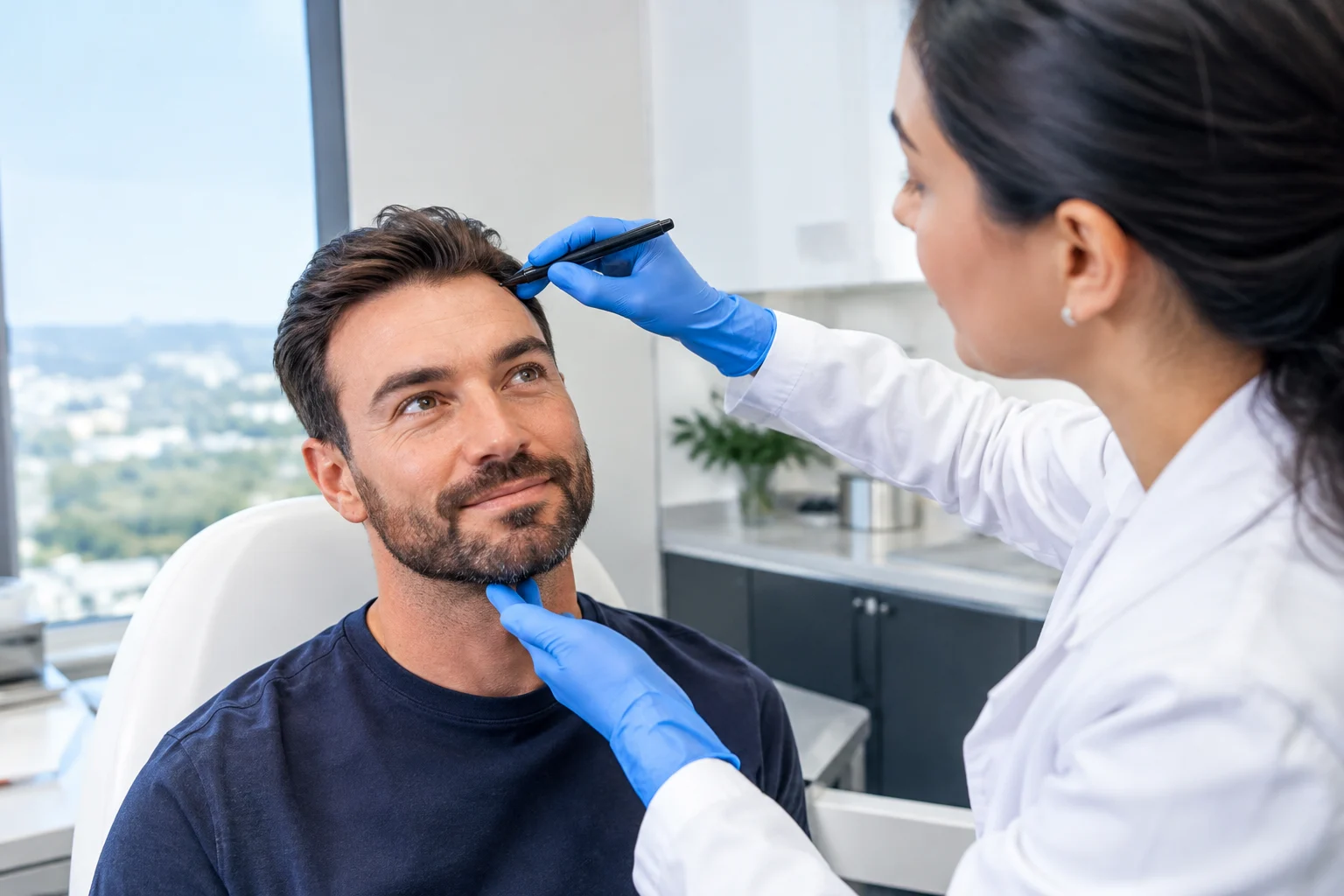
For Plano residents considering a hair transplant, the first step is a personalized consultation with a qualified hair-restoration clinician. An evaluation can help determine whether thinning or hair loss is suitable for surgery, what results may be realistic, and whether other approaches should be considered first. Hair transplants use follicles from a donor area—usually the back or sides of the scalp—to add coverage where hair has become thinner. The right plan depends on factors such as the pattern and cause of hair loss, the available donor hair, scalp health, and personal goals.
You can compare providers in Plano and the surrounding North Texas area, then ask about the clinician’s training, experience with the proposed technique, follow-up care, total fees, and recovery expectations. Some consultations may be available remotely, but an in-person assessment may be needed before a treatment plan is finalized. Taking time to understand the procedure and alternatives can help you make an informed decision without feeling rushed.
Finding a hair transplant provider near Plano
Residents looking for a hair transplant near Plano can start by identifying clinics or medical practices in Plano and nearby North Texas communities that offer hair-restoration consultations. Availability, services, and appointment arrangements vary by provider, so contact each practice directly to confirm what it offers and whether an initial consultation can be held in person or remotely. A virtual meeting can be a convenient first conversation, but it may not replace an examination, review of your medical history, or assessment of your donor hair.
Before booking, check who will evaluate you and who will perform any procedure. Ask about the clinician’s relevant qualifications, experience treating your type of hair loss, and the support available after surgery. Request a clear explanation of the recommended plan and costs. A careful provider should discuss both potential benefits and limitations rather than promise a particular density or outcome.
What to expect during a consultation
A consultation is an opportunity to understand the cause and pattern of hair loss and explore suitable options. The clinician may ask when thinning began, whether it has changed over time, what treatments you have tried, and whether you have relevant health conditions or take medications. They may assess the scalp and donor area, discuss your goals, and explain whether additional evaluation is appropriate. Hair loss can have causes that are not best addressed by transplantation, so diagnosis matters.
If surgery may be appropriate, the clinician can outline a plan based on your hair characteristics and the amount of donor hair available. Common techniques include follicular unit extraction (FUE), in which individual follicular units are removed, and follicular unit transplantation (FUT), which involves removing a strip of scalp for graft preparation. Each has different considerations, including how donor hair is collected, scarring, recovery, and suitability. Ask which method is recommended for you and why; no technique is right for everyone.
Questions to ask before deciding
- Who will plan and perform each part of the procedure, and what are their qualifications?
- What results are realistic for my hair loss pattern and donor supply?
- What are the possible risks, side effects, and alternatives to surgery?
- What is included in the quoted fee, and could follow-up visits or other costs be separate?
- What preparation, time away from usual activities, and aftercare should I expect?
- How will future hair loss be considered in the treatment plan?
Planning for treatment and recovery
Hair transplantation is a medical procedure, and recovery instructions should come directly from your care team. Before scheduling, understand how to prepare, how to protect the treated and donor areas, and when you can return to work, exercise, or other routines. Because Plano residents may travel within the region for consultations or treatment, consider how you will get to and from appointments and whether you may need help following the procedure. Confirm the provider’s process for asking questions or reporting concerns after you return home.
Newly transplanted hairs commonly shed before later growth becomes visible, and the timing and degree of change differ among individuals. Results develop over time rather than immediately. A clinician should explain the expected course for your particular plan and arrange appropriate follow-up. Transplantation does not stop hair loss in untreated areas, so ask whether ongoing medical management or other care may be relevant. Do not start, stop, or change medication without guidance from a qualified healthcare professional.
Making an informed choice near Plano
Choosing care close to home may make consultations and follow-up more manageable, while looking across nearby communities can give you more providers to compare. Convenience should not be the only factor. Consider clinical qualifications, communication, the individualized nature of the plan, safety practices, and the clarity of written information. Be cautious about pressure to book quickly or guarantees of a specific result. A sound decision is one made after you have had time to review your options, understand costs and risks, and ask questions in a setting where your concerns are taken seriously.
Hair Restoration for Plano Residents
Plano residents have access to a range of healthcare and personal-care services, and hair-restoration consultations can be explored locally or in nearby North Texas communities. Because the right treatment depends on the individual, comparing providers across the area may help you find a clinician whose experience, approach, and follow-up arrangements fit your needs. Contact practices directly to confirm their location, consultation format, availability, and the services they currently provide rather than relying on assumptions about local offerings.
A provider within a reasonable distance may make it easier to attend an initial evaluation and return for follow-up, which can be helpful when discussing recovery or questions after treatment. At the same time, a convenient location does not replace careful screening. Review credentials, ask who performs the procedure, and seek a personalized explanation of likely outcomes, risks, alternatives, and total costs. Whether you live or work in Plano, planning appointments around your schedule and arranging transportation or support for the treatment day can make the process more manageable. Take the time you need to make a choice that feels informed and appropriate for your health goals.
Frequently Asked Questions About Hair Transplant in Plano, Texas
How do I know whether I’m a good candidate for a hair transplant in Plano?
Candidacy depends on the cause and pattern of hair loss, the amount of healthy donor hair, your health, and your expectations. A consultation should include a review of your medical history and an examination of your scalp; some people may need testing or treatment for an underlying condition first. A clinician can explain whether transplantation is appropriate, what coverage may be realistic, and whether other options could better suit your situation.
What is the difference between FUE and FUT hair transplant procedures?
FUE and FUT are two ways of collecting donor hair follicles. With FUE, follicles are removed individually, leaving small dot-like marks; FUT removes a narrow strip of scalp, which is divided into grafts and generally leaves a linear scar. Both approaches have potential benefits and limitations, and neither is right for everyone. Ask the clinician how your donor area, hairstyle preferences, healing, and goals affect the recommended method.
What affects the cost of a hair transplant?
The total cost can depend on the number of grafts recommended, the procedure method, the complexity of the case, and what care is included before and after surgery. Prices and package details vary, so a personal assessment is needed for a meaningful estimate. When comparing options in Plano, request a written explanation of the proposed plan, any additional fees, and what follow-up care is included rather than relying on a broad advertised price.
How much time should I plan to take off work after a hair transplant?
Time away from work varies with the procedure, your healing, and the physical demands of your job. Some people return to desk work sooner than they return to strenuous activity, but your clinician should give instructions tailored to your case. Plan for temporary scalp tenderness, swelling, or visible signs of treatment, and ask when you can resume exercise, wear headwear, or spend time in strong sun. Follow the clinic’s aftercare directions.
When will I see results from a hair transplant?
A transplant does not create an immediate finished appearance. The newly placed hairs commonly shed during the early healing period, while follicles remain beneath the skin; visible growth develops gradually over subsequent months. The timing and final density vary from person to person, and more than one treatment may be considered in some cases. At consultation, ask for a realistic timeline for your plan and how progress will be reviewed.
Can I get a hair transplant if my hair loss is still progressing?
Possibly, but ongoing hair loss needs careful planning. Transplanted follicles may continue growing while untreated native hair thins, which can change the appearance over time. A clinician may discuss stabilizing hair loss, preserving donor hair, and designing a hairline that remains appropriate as you age. Do not assume surgery alone will stop future loss; ask what medical or non-surgical options might be relevant and how the plan accounts for long-term changes.
What are the possible risks or side effects of hair transplant surgery?
Possible effects include temporary swelling, discomfort, bleeding, scabbing, numbness, infection, scarring, or uneven growth; individual risks depend on your health and the procedure. Results may also be less dense than expected, and grafts may not all grow. Before deciding, ask the treating clinician to explain risks specific to you, how complications are handled, what aftercare is required, and which symptoms should prompt you to seek medical advice.
What should I ask when comparing hair transplant providers in Plano?
Ask who will assess you and perform each part of the procedure, how the recommended graft number and hairline were chosen, and what results are realistic for your donor supply. Clarify the method, expected recovery, follow-up schedule, total costs, and possible additional treatments. You can also ask how the provider evaluates medical causes of hair loss and manages complications. Take time to compare written plans and make sure you understand the answers before committing.