
Is Plastic Surgeon Right for You? | Rowlett, Texas
Considering a cosmetic or reconstructive procedure is a personal decision. A consultation with a qualified plastic surgeon can help you understand possible options, expected recovery, potential risks, and whether a procedure fits your health and goals. Rowlett residents can begin by looking for surgeons who are appropriately trained and licensed, then checking whether their experience is relevant to the procedure they are considering. Some people seek care for appearance-related goals, while others may need reconstructive treatment after an injury, illness, or previous surgery. A careful discussion should include your medical history, medications, lifestyle, and expectations—not just the procedure itself.
Care may be available in Rowlett or in nearby communities, depending on the surgeon and service. When comparing options, ask where consultations and procedures take place, who provides anesthesia, and how follow-up care is arranged. Confirm credentials through reliable professional and state licensing resources, and make sure you understand the full cost before scheduling. Taking time to compare providers can help you make an informed choice without pressure.
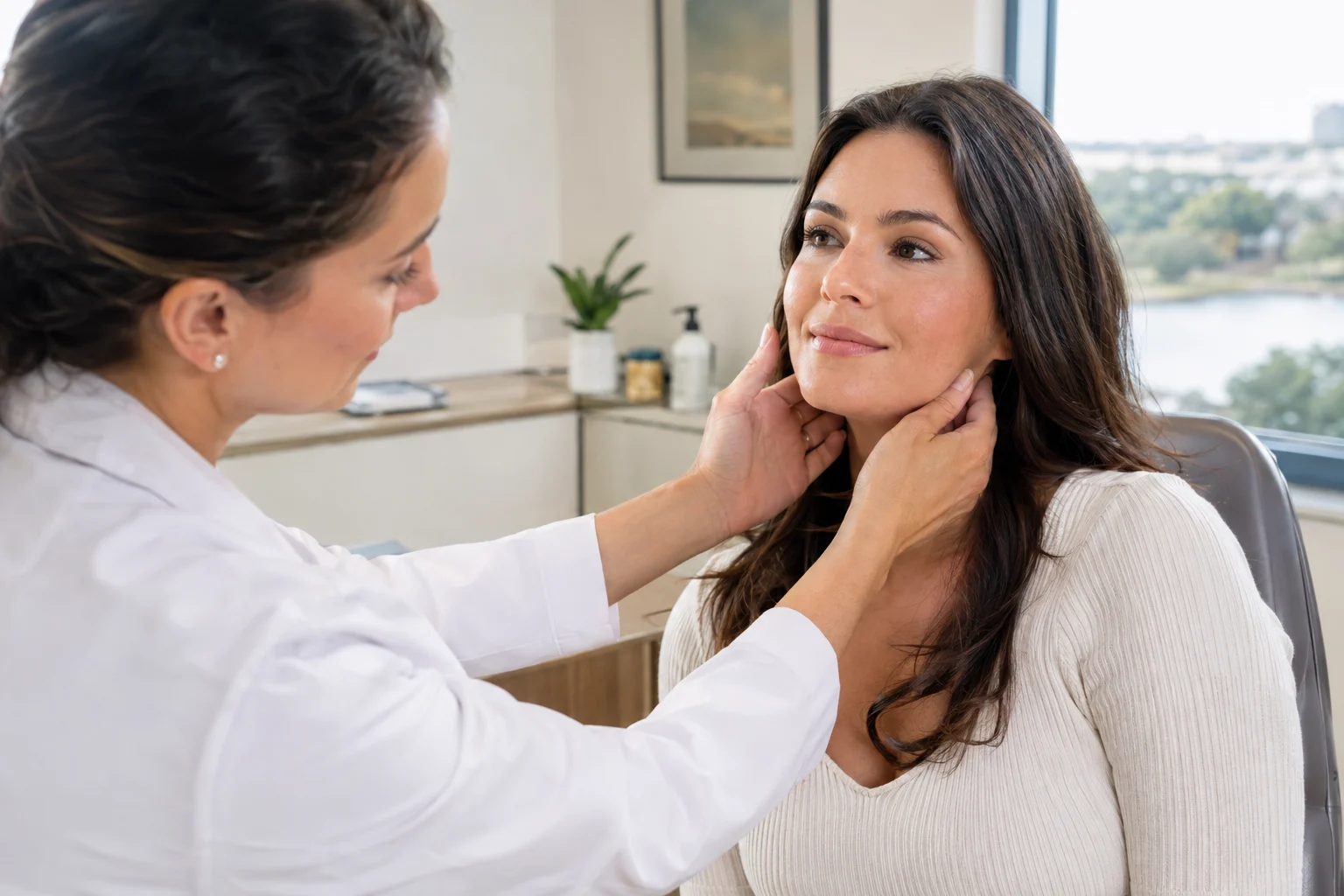
When might a plastic surgeon be a good fit?
A plastic surgeon may be worth consulting when you want to explore a cosmetic change or need reconstructive care. Plastic surgery includes a range of procedures, and the right approach depends on your health, goals, and individual circumstances. A consultation is an opportunity to learn whether surgery is appropriate, whether a nonsurgical option may be considered, or whether waiting is the best choice. You are not obligated to proceed after meeting with a surgeon.
People consider plastic surgery for many reasons, such as addressing a feature that has bothered them, restoring form or function after an injury, or discussing changes following illness or another medical procedure. A responsible surgeon will ask what you hope to achieve and explain realistic outcomes, limitations, and risks. Be cautious of promises of perfect results or pressure to book quickly.
How to find care from Rowlett
Start by identifying the type of care you are seeking and searching for plastic surgeons who serve Rowlett and the surrounding area. Some residents may find a suitable consultation locally; others may need to travel to a nearby community for a particular specialty or procedure. Availability, clinic locations, and services can change, so confirm details directly with each practice rather than relying on an old listing.
Before arranging a visit, consider these practical steps:
- Check that the surgeon holds an active Texas medical license and has training relevant to the procedure.
- Ask about board certification, including the certifying organization, and verify the information independently.
- Find out how often the surgeon performs the procedure and where it would take place.
- Ask who will provide anesthesia and what qualifications that professional has.
- Confirm how the practice handles follow-up visits, after-hours questions, and complications.
- Request a written estimate that explains surgeon, facility, anesthesia, and other fees.
Credentials and experience matter, but so does clear communication. A good consultation should leave you with time to ask questions and consider your options. You may want to bring a list of concerns, a trusted support person, and information about your medications and health history. Ask what preparation is needed, what recovery could involve, and when you might return to work, driving, exercise, or caregiving responsibilities. Recovery varies by procedure and person, so avoid relying on another patient's timeline as a guarantee.
Questions to ask before deciding
Use the consultation to understand benefits as well as drawbacks. Ask what results are realistic for you, what risks are associated with the procedure, and what alternatives exist. Discuss whether your health conditions, nicotine use, medications, or previous operations could affect treatment or healing. If a procedure is elective, you can take time to reflect and seek another qualified opinion.
Also ask how results are assessed and what happens if you are not satisfied or need additional care. Photographs may help explain possibilities, but they cannot promise that your outcome will match someone else's. Make sure you understand instructions for recovery and have a practical plan for transportation, support at home, and follow-up appointments, especially if the procedure requires anesthesia or limits your activity.
Costs, coverage, and safety
Insurance coverage depends on the reason for treatment and the terms of your plan. Cosmetic procedures are often not covered, while some reconstructive services may qualify under specific circumstances. Contact your insurer and the surgeon's office to ask about documentation, prior authorization, payment timing, and possible out-of-pocket expenses. Do not assume a quoted price includes every service or future visit.
Ultimately, a plastic surgeon may be right for you if a consultation helps you make a calm, informed decision that reflects your own priorities. Choose a qualified professional who explains uncertainty, welcomes questions, and discusses safety openly. If you feel rushed, cannot get clear answers, or are uncomfortable with the proposed plan, pause and explore other options.
Plastic surgery options for Rowlett residents
Rowlett residents considering plastic surgery can begin with a local search for qualified providers, then broaden the search to nearby communities if a particular procedure or specialty is not available close to home. Because provider locations, services, and appointment availability can change, contact practices directly to confirm where consultations, procedures, and follow-up visits take place. Ask how travel may affect your recovery plan and who to contact if questions arise after returning home.
Choosing care that fits life in Rowlett means considering more than distance. Think about transportation, time away from work or family responsibilities, access to a support person, and the practical demands of recovery. A surgeon should explain how many visits may be needed and whether any care must happen in person. For residents comparing practices, checking Texas licensure, relevant training, procedure experience, facility arrangements, and communication practices can make the search more manageable.
Plastic surgery is not the right choice for everyone, and residents should never feel pressured to proceed. A thorough consultation can help clarify goals, alternatives, risks, costs, and realistic recovery expectations. Whether you are exploring cosmetic or reconstructive care, take time to compare qualified options serving Rowlett and make a decision based on your health and priorities.
Frequently Asked Questions About Plastic Surgeon in Rowlett, Texas
How can I choose a plastic surgeon serving patients in Rowlett?
Review the surgeon’s education, training, relevant board certification, and experience with the specific procedure you are considering. You can verify credentials through the certifying organization’s official directory and ask where surgery would take place and what safety standards apply. During a consultation, notice whether the surgeon explains risks, alternatives, and limitations clearly, and gives you time to ask questions. Before-and-after photos may help you discuss realistic results, but individual outcomes vary.
What procedures can a plastic surgeon discuss with me?
Plastic surgeons may provide consultations about a range of cosmetic or reconstructive procedures, but the services offered vary by surgeon. Depending on your concerns and medical needs, a discussion might involve surgery for the face, breasts, or body, or non-surgical options if available. Ask which approaches the surgeon personally performs and whether a different specialist may be more appropriate. The right option depends on your goals, anatomy, health history, and willingness to accept recovery time and risk.
What should I expect at a plastic surgery consultation?
A consultation usually begins with a discussion of what you hope to change, your health history, medications, and prior procedures. The surgeon may examine the relevant area and explain possible approaches, expected limitations, risks, recovery, and alternatives, including choosing no procedure. Bring a list of questions and be candid about smoking, supplements, and health conditions. You should leave understanding the proposed plan and next steps; a consultation does not obligate you to proceed.
How much does plastic surgery cost, and will insurance cover it?
Cost depends on the procedure, anesthesia, facility, surgeon’s fees, and any follow-up care, so an estimate requires a discussion of your specific plan. Ask for an itemized written estimate and clarify what could create additional charges. Cosmetic procedures are commonly not covered by insurance, while some reconstructive care may qualify under a plan’s rules. Coverage varies, so confirm benefits and any required approvals directly with your insurer before scheduling.
How do I know whether I am a good candidate for plastic surgery?
Candidacy is determined individually, not by age or a single checklist. A surgeon will consider your health, medications, healing risks, the area you want treated, and whether your expectations are achievable. It is generally important to pursue a procedure for your own reasons and to understand that surgery can improve a concern without guaranteeing a particular result. Share your full medical history and ask whether improving a health factor or considering a non-surgical option makes sense.
What should I ask about anesthesia and surgical safety?
Ask what type of anesthesia is planned, who will administer it, where the procedure will occur, and how your health history affects the safety plan. Discuss allergies, prior reactions to anesthesia, current medicines, and any breathing or heart conditions before surgery. Also ask what monitoring and emergency procedures are available at the facility and whether you need someone to take you home. Your surgeon and anesthesia professional should explain the plan and answer questions before you consent.
How long does recovery from plastic surgery usually take?
Recovery varies substantially by procedure, individual health, and the physical demands of your daily routine. Your surgeon should give you procedure-specific guidance on activity restrictions, wound care, return to work, and when exercise or driving may be appropriate. Arrange help at home if needed and avoid planning travel or strenuous commitments until you have discussed them with the care team. Follow your written instructions rather than comparing your healing timeline with someone else’s.
What follow-up care should I plan for after surgery?
Before proceeding, ask how postoperative visits are scheduled, whom to contact with questions, and what to do if a concern arises outside regular office hours. Keep your written instructions and follow-up appointments, and report changes rather than waiting for the next visit if you are worried. Seek urgent medical care for severe or rapidly worsening symptoms, such as trouble breathing or uncontrolled bleeding. The surgical team can explain which symptoms require immediate attention for your procedure.