
Learn About Hair Transplant With Dr. Slack Near Paloma Creek
Hair loss can affect confidence, appearance, and the way you feel in everyday situations. For Paloma Creek residents considering a hair transplant, the first step is a thoughtful consultation with Dr. Slack to discuss what is causing the hair loss, what results may be realistic, and whether surgery is an appropriate option. A personal evaluation can help distinguish transplant care from other approaches and give you a clearer understanding of the process before making a decision.
Accessing care from Paloma Creek generally means arranging a consultation with the provider and confirming the clinic location, appointment availability, and travel details in advance. Bring questions about your hair-loss history, health, medications, expected recovery, and costs. Hair transplantation is not suitable for everyone, and results vary by individual. A qualified clinician can explain possible benefits, limitations, risks, and alternatives based on your needs, so you can decide whether to proceed without pressure.
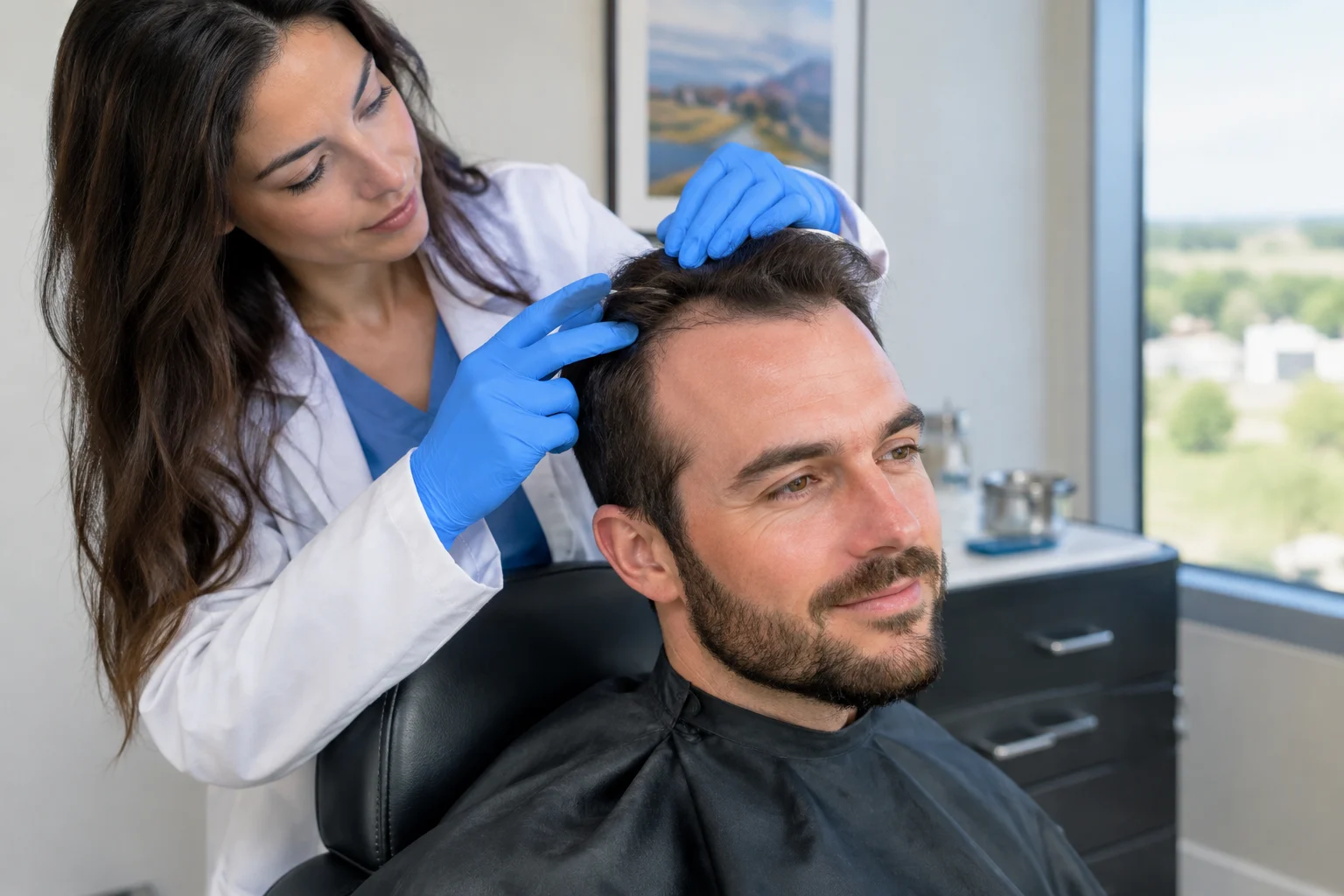
Understanding hair transplant care
A hair transplant is a surgical approach to treating certain types of hair loss. In general, hair follicles are moved from an area with suitable donor hair to areas where additional coverage is desired. The details of a treatment plan depend on factors such as the pattern and cause of hair loss, the quality and availability of donor hair, health history, and personal goals. A consultation with Dr. Slack is an opportunity to review these factors and understand whether transplant surgery may be appropriate for you.
Hair loss has different causes, and a transplant does not address every one of them. A clinician may discuss whether further evaluation or another treatment should be considered before surgery. It is also important to understand that transplanted hair and surrounding hair can change over time. No particular density or appearance can be guaranteed, so a realistic discussion of likely outcomes is an essential part of planning.
How Paloma Creek residents can get started
Begin by contacting the practice to ask about consultation availability, the provider’s location, and how appointments are arranged for people coming from Paloma Creek. Confirm travel time and directions using current information before setting out; do not assume that a consultation or procedure takes place within Paloma Creek itself. If you are comparing providers, ask who evaluates you, who performs any procedure, and how follow-up care is organized.
Before your visit, consider writing down when your hair loss began, how it has changed, and whether close relatives have experienced similar changes. Bring an up-to-date list of medicines and supplements, relevant health information, and any prior treatments you have tried. You may also want to bring questions about the treatment approach and recovery. These details can help make the discussion more useful and help the clinician understand your priorities.
- Ask whether you may be a candidate and what factors inform that assessment.
- Discuss expected benefits, limitations, risks, and non-surgical alternatives.
- Ask what preparation, recovery, and follow-up visits may involve.
- Request clear information about fees and what is included before making a commitment.
- Allow time to consider the information and seek clarification before deciding.
What to discuss during a consultation
A useful consultation should give you a chance to describe the result you hope to achieve and hear an individualized explanation of what may be feasible. Ask how donor hair availability affects the plan and whether future hair loss could change the overall appearance. Discuss the possibility that additional treatment or ongoing care may be relevant, and ask how progress is assessed. The clinician should explain potential complications and the limits of what a transplant can accomplish in language you understand.
Recovery and scheduling are also practical parts of the decision. Ask what you should expect in the period after a procedure, what activity guidance may apply, and whom to contact with concerns. Exact instructions depend on the treatment plan and your circumstances, so follow guidance from your care team rather than relying on general advice. If you have work, family, or travel commitments, mention them when discussing timing.
Making an informed choice
Choosing hair transplant care is personal. Residents near Paloma Creek may value being able to explore specialist care while keeping their home, work, and family routines in view. Planning ahead can make access easier: confirm the clinic location, appointment details, transportation needs, and expected follow-up before booking. If you need more than one visit, ask how those visits are typically coordinated.
Take time to compare your options and make sure you understand the proposed plan, costs, and aftercare. A consultation is a chance to gather information, not an obligation to have surgery. By asking direct questions and discussing your goals openly with Dr. Slack, you can make a decision that reflects your health, expectations, and preferences.
Hair Transplant Options for Paloma Creek Residents
Paloma Creek is a residential community in North Texas, and residents often balance appointments with work, family responsibilities, and travel around the wider area. If you are researching hair transplant care, planning ahead can help make a consultation with Dr. Slack more convenient. Contact the practice to confirm where care is provided, what appointment options are available, and what information to bring. Use current directions and travel estimates when organizing your visit, since the clinic location and local travel conditions should be verified directly.
A hair transplant consultation can be useful for people who want to understand whether surgery fits their type of hair loss and personal goals. It offers a chance to discuss candidacy, donor hair, possible results, recovery, risks, and alternatives with a clinician before deciding. Because hair loss and treatment needs differ, individualized guidance is more useful than assuming the same approach will work for everyone. Paloma Creek residents can prepare by recording their questions and health history, then weighing the information at a pace that feels comfortable. The goal is a clear, informed choice—not a promise of a particular outcome.
Frequently Asked Questions About Hair Transplant in Paloma Creek, Texas
Am I a good candidate for a hair transplant if I live in Paloma Creek?
Candidacy depends on more than where you live or how much hair you have lost. A clinician should assess the pattern and cause of hair loss, your scalp health, medical history, expectations, and the amount and quality of donor hair. Some people may benefit from treating an underlying condition or stabilizing hair loss before considering surgery. During a consultation, ask how the clinician would evaluate your donor area and what outcomes are realistic for your specific situation.
What is the difference between FUE and FUT hair transplant surgery?
FUE and FUT are two ways of collecting donor hair follicles for transplantation. With FUE, follicles are removed individually, usually leaving small dot-like marks; with FUT, a strip of scalp is removed and closed, leaving a linear scar. Both approaches involve placing follicles into areas of thinning or loss, but suitability depends on factors such as donor supply, hairstyle preferences, and the treatment plan. Ask the clinician to explain the trade-offs and likely scars for your case.
How much does a hair transplant cost for someone in Paloma Creek?
The cost varies by the number of grafts recommended, the procedure and care involved, the clinician’s fee structure, and whether additional visits or services are included. A reliable estimate requires an assessment rather than a guess based only on a photo or location. Request an itemized written quote and clarify what the quoted amount covers, what could lead to added charges, and the clinic’s cancellation or follow-up policies. Compare plans carefully, not just headline prices.
What should I expect during recovery after a hair transplant?
Recovery varies with the procedure and the individual. It is common to have temporary scalp tenderness, swelling, redness, scabbing, or numbness, and the transplanted area needs gentle care while it heals. Your care team should give you specific washing, activity, sleeping, and medication instructions, including when to resume exercise or wear headwear. Arrange your schedule so you can follow those directions, and contact the clinic if symptoms worsen or you have concerns rather than changing care on your own.
When will I see results from a hair transplant?
A transplant does not create an immediate full head of hair. The transplanted hairs commonly shed during the early healing period, while follicles may later produce new growth gradually. Visible change can take many months, and the final appearance depends on healing, hair characteristics, donor supply, and the treatment plan. Ask the clinician what milestones to expect and when follow-up assessments are planned. Progress photos taken consistently can help you compare changes without relying on day-to-day impressions.
Can hair loss continue after a transplant?
Yes. A transplant moves selected follicles, but it does not stop hair loss in untreated areas. If native hair continues to thin, the overall pattern can change and may affect how balanced the result looks over time. Discuss your likely progression and whether a longer-term plan is appropriate before surgery. A clinician may discuss nonsurgical treatments, but their benefits, limitations, and suitability vary. Do not start or stop medication without reviewing it with a qualified healthcare professional.
What risks should I consider before choosing hair transplant surgery?
Potential risks include bleeding, infection, scarring, altered sensation, poor growth, an uneven appearance, or dissatisfaction with the density or hairline. The chance and impact of complications vary by person and procedure, and no outcome can be guaranteed. Ask how risks apply to your health and scalp, how complications are handled, and who provides follow-up care. Share your medical conditions, medicines, allergies, and any history of healing problems so the clinician can assess your individual risks.
What should I ask at a hair transplant consultation when traveling from Paloma Creek?
Before traveling for a consultation, confirm whether the assessment is in person, what records or photos to bring, and whether the clinician needs to examine your scalp before recommending treatment. Ask who will perform each part of the procedure, how donor hair and hairline design will be discussed, and what follow-up visits involve. If surgery is proposed, clarify recovery instructions and how to reach the care team with concerns after you return home. Avoid committing before your questions are answered.