
Learn More About Hair Transplant Near Weston
Considering a hair transplant near Weston, Texas? A hair transplant is a surgical option for some people experiencing pattern hair loss or lasting hair thinning. The procedure moves hair follicles from a donor area, often the back or sides of the scalp, to areas where more coverage is desired. Common approaches include follicular unit extraction (FUE) and follicular unit transplantation (FUT); a qualified clinician can explain which methods may be appropriate for your hair, goals, and medical history. Results take time, and outcomes vary. Transplanted hair may shed initially, with growth developing over subsequent months, while existing hair can continue to thin. If you live in Weston or nearby communities, you may need to compare providers in the wider North Texas area, since availability and travel distance vary. During a consultation, ask about the clinician’s training and experience, candidacy, expected density, risks, recovery, total costs, and follow-up care. A professional evaluation can also help identify other causes of hair loss and discuss nonsurgical options when surgery is not suitable. Avoid relying on guaranteed results or pressure to book quickly. This information is educational and is not a substitute for personalized medical advice; a licensed medical professional can help you decide whether a transplant is right for you.
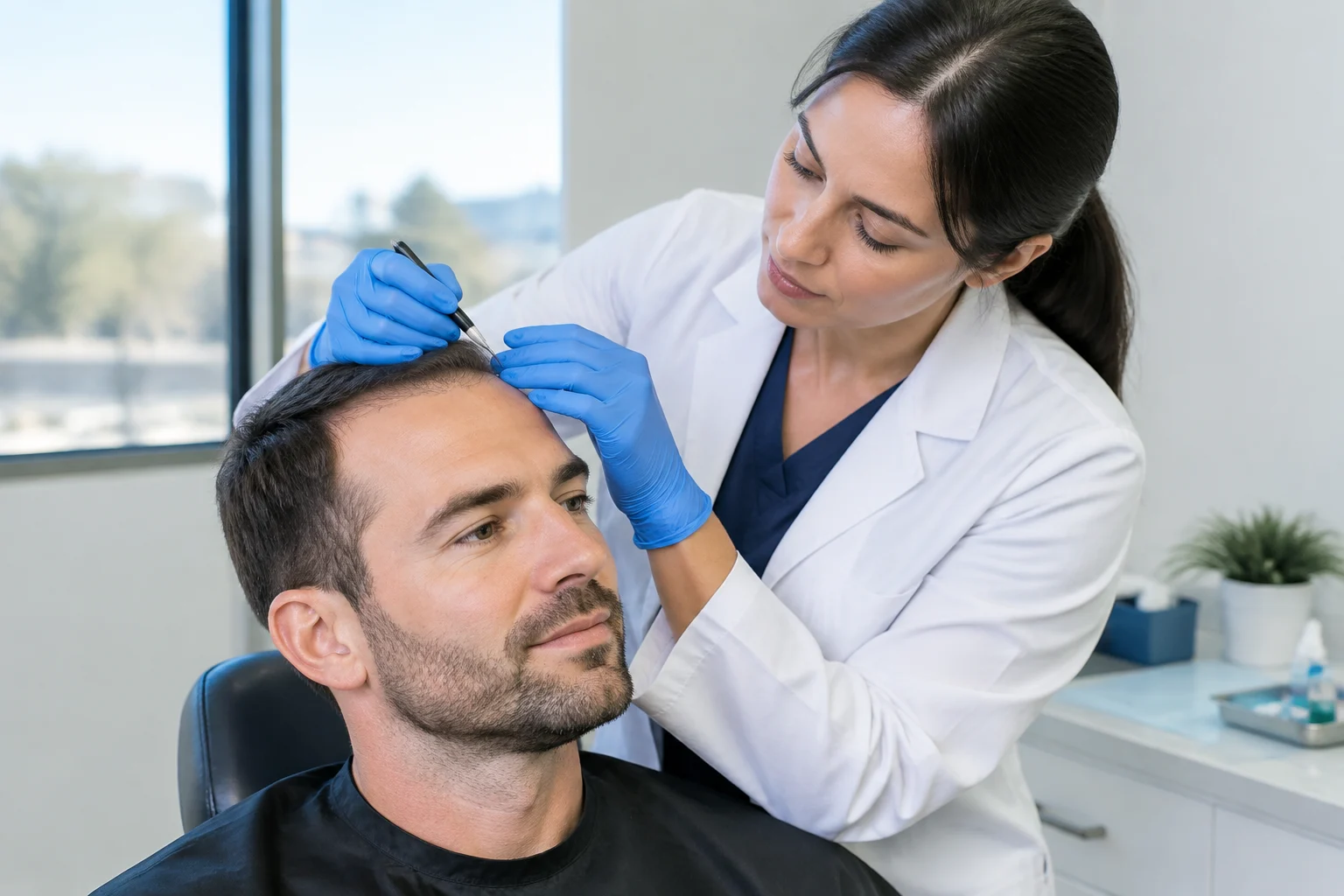
A hair transplant moves hair follicles from a donor area, commonly the back or sides of the scalp, to areas where hair is thinning or absent. The procedure is performed by a medical team and is not suitable for everyone. For people near Weston, the first step is an individual consultation to understand the likely cause of hair loss, review health history, and discuss realistic results. A consultation also gives you a chance to learn whether a provider’s approach and follow-up arrangements fit your needs.
Finding hair transplant care near Weston
Start by looking for a licensed, qualified clinician with relevant experience in hair restoration. You may need to consider providers in the surrounding North Texas area and plan for travel beyond Weston. Ask whether an initial consultation can be held remotely or in person, and confirm where the procedure itself takes place. If you will travel for care, clarify how many visits are expected and how the team supports patients after they return home.
Compare providers on more than price or promotional claims. During your research, consider asking:
- Who evaluates patients, plans the hairline, and performs each part of the procedure?
- What training and experience does the clinician have with the recommended technique?
- What results are realistic for your pattern of hair loss and available donor hair?
- What is included in the quoted cost, and could additional fees apply?
- How can you contact the care team with questions or concerns after treatment?
- What are the possible risks, and what alternatives might be appropriate?
Consultation, candidacy, and treatment planning
Hair loss has several possible causes, so a provider should assess your situation before recommending surgery. They may examine your scalp, discuss when and how your hair changed, review medications and health conditions, and ask about your goals. A transplant may be considered for some people with stable, pattern-related hair loss and enough healthy donor hair. Age, ongoing hair loss, certain medical conditions, and expectations can affect whether surgery is advisable. The clinician should explain the basis for their recommendation rather than promise a particular density or outcome.
Ask how the plan accounts for future hair loss. Transplanted follicles may continue to grow, but hair in untreated areas can thin over time. Some people may discuss medication or other non-surgical options with a clinician, either instead of surgery or as part of a broader plan. These choices depend on individual health and should be reviewed with an appropriate medical professional.
Procedure options and recovery
Common techniques include follicular unit transplantation (FUT), which removes a narrow strip of scalp for follicle preparation, and follicular unit extraction (FUE), which removes follicles individually. Each has different considerations, including incision or extraction patterns, scarring, recovery, and suitability. The names of techniques alone do not establish quality; ask why a particular method is being proposed for you and who will carry it out.
Hair transplantation is a medical procedure, and recovery varies. The team should provide instructions for scalp care, activity, medication, and follow-up. Temporary swelling, discomfort, or shedding may occur, and visible growth takes time rather than appearing immediately. Before booking, make arrangements for transportation if needed, time away from work or usual activities, and follow-up communication. If you live in Weston and must travel to a clinic, include the return trip and any recommended check-ins in your planning.
Make an informed choice
Use the consultation to check that you understand the expected benefits, limitations, risks, recovery, and total cost. Be cautious of guaranteed results, pressure to book quickly, or unclear answers about the clinician’s role. You can seek another professional opinion if you are unsure. A thoughtful evaluation can help you decide whether a hair transplant is a suitable option and whether the practical arrangements work for life in and around Weston.
Hair Restoration Care for Weston Residents
Weston is a North Texas community where residents may need to look beyond town for specialized medical services such as hair transplantation. When researching care, consider providers serving the broader surrounding area and confirm exactly where consultations and procedures take place. Travel time, appointment schedules, and access to follow-up support are practical parts of choosing a provider, particularly for a procedure that involves recovery and ongoing communication with a medical team.
A local search can be a useful starting point, but the closest option is not automatically the best fit. Weston residents can compare clinician qualifications, experience, treatment recommendations, and clear explanations of risks and costs. Ask whether follow-up can be coordinated if you live outside the clinic’s immediate area, and what to do if questions arise after returning home. These details can make care easier to plan while helping you make a decision based on medical suitability rather than convenience alone.
Hair restoration is personal, and results depend on factors such as the cause and extent of hair loss, donor hair, and the treatment plan. A consultation gives you a chance to discuss your goals and understand whether surgery or another approach may be appropriate. Taking time to compare options can help Weston residents find care that fits their health needs, expectations, and travel plans.
Frequently Asked Questions About Hair Transplant in Weston, Texas
Who may be a good candidate for a hair transplant in Weston?
A transplant may be appropriate for someone with stable hair loss, enough healthy donor hair, and realistic expectations about coverage. A clinician should assess the cause and pattern of hair loss, scalp health, medical history, and likely future thinning before recommending surgery. Younger people or those with rapidly changing hair loss may need to wait or consider other approaches first. A consultation helps determine whether transplantation is suitable or whether another treatment is more appropriate.
What is the difference between FUE and FUT hair transplant procedures?
FUE removes individual follicular units from the donor area, generally leaving many small marks rather than one linear incision. FUT removes a narrow strip of scalp, which is divided into grafts and can leave a linear scar. Both methods relocate a person's own follicles, and neither is automatically best for everyone. The choice depends on donor supply, hairstyle preferences, scalp characteristics, and the treatment plan. Ask the clinician to explain expected scarring and recovery for each option.
How long does it take to see results after a hair transplant?
Transplanted hairs commonly shed during the early healing period, so temporary shedding does not by itself mean the grafts have failed. New growth usually develops gradually over the following months, with visible change taking time and the final appearance often requiring a year or longer. Individual timelines vary with healing, hair characteristics, and the procedure. Your clinician should outline what to expect at each stage and explain when to contact them about concerns.
How much time should I plan for recovery before returning to work or exercise?
Recovery depends on the procedure, the size of the treatment, and how your scalp heals. Many people can resume some everyday activities relatively soon, but strenuous exercise, heavy lifting, and activities that could bump or irritate the grafts may need to wait. Follow the treating clinician's specific instructions rather than relying on a general schedule. If you work outdoors or wear head protection, ask how to manage those demands while the scalp heals.
What affects the cost of a hair transplant?
There is no single price that applies to every transplant. The overall estimate can depend on the number of grafts recommended, the technique used, the complexity of the case, and what care is included before and after surgery. A consultation should clarify the proposed treatment plan and provide an itemized explanation of charges and possible additional expenses. Be cautious about comparing quotes based only on a graft count; the plan should also address donor supply and realistic coverage.
Can medication or other treatments help before I consider a transplant?
Depending on the cause of hair loss and your health, a clinician may discuss medications or other nonsurgical treatments before or alongside transplantation. These options may help slow ongoing loss or support existing hair, but suitability, benefits, and side effects vary. A transplant moves follicles; it does not prevent untreated hair elsewhere from continuing to thin. Ask about a diagnosis, treatment alternatives, and how any plan could affect the appearance of your hair over time.
Will a hair transplant use hair from another person?
Hair transplants generally use follicles from your own donor area, commonly the back or sides of the scalp, because donor supply and compatibility matter. The clinician evaluates how much usable hair is available and how it can be distributed without making the donor area look noticeably thin. Donor hair is limited, so a plan should account for possible future loss as well as current goals. Ask how the proposed graft number may affect later treatment options.
What should I ask during a hair transplant consultation near Weston?
Ask what is causing your hair loss, whether you are a suitable candidate, and why the recommended technique fits your needs. Request a clear explanation of the proposed hairline, graft plan, donor-area limits, likely scarring, recovery instructions, risks, and expected timeline. Also ask what follow-up care is included and whom to contact if healing concerns arise. If you are traveling from Weston, discuss appointment and follow-up requirements so you can plan practical transportation and time away.