
Personalized Hair Transplant Care Near Highland Park
Considering a hair transplant near Highland Park, Texas? A thoughtful consultation can help you understand whether hair restoration may suit your goals, hair-loss pattern, and personal circumstances. The process typically begins with a review of your medical history, scalp and donor hair, and expectations. A qualified hair-restoration professional can explain available approaches, such as follicular unit extraction (FUE) or follicular unit transplantation (FUT), and discuss potential benefits, limitations, costs, and recovery considerations. There is no single plan that fits everyone; age, the cause and progression of hair loss, hair characteristics, and future changes can all matter when planning treatment. People in Highland Park and nearby Dallas communities may wish to compare providers, ask who performs each part of the procedure, and review before-and-after photos of patients with similar hair types and concerns. It is also helpful to ask about follow-up care and what results are realistic over time. Hair transplantation is a medical procedure, and candidacy and outcomes vary. Use an appointment to raise questions and discuss alternatives, including non-surgical options, before making a decision. A personalized evaluation can provide clear information so you can choose the next step with confidence.
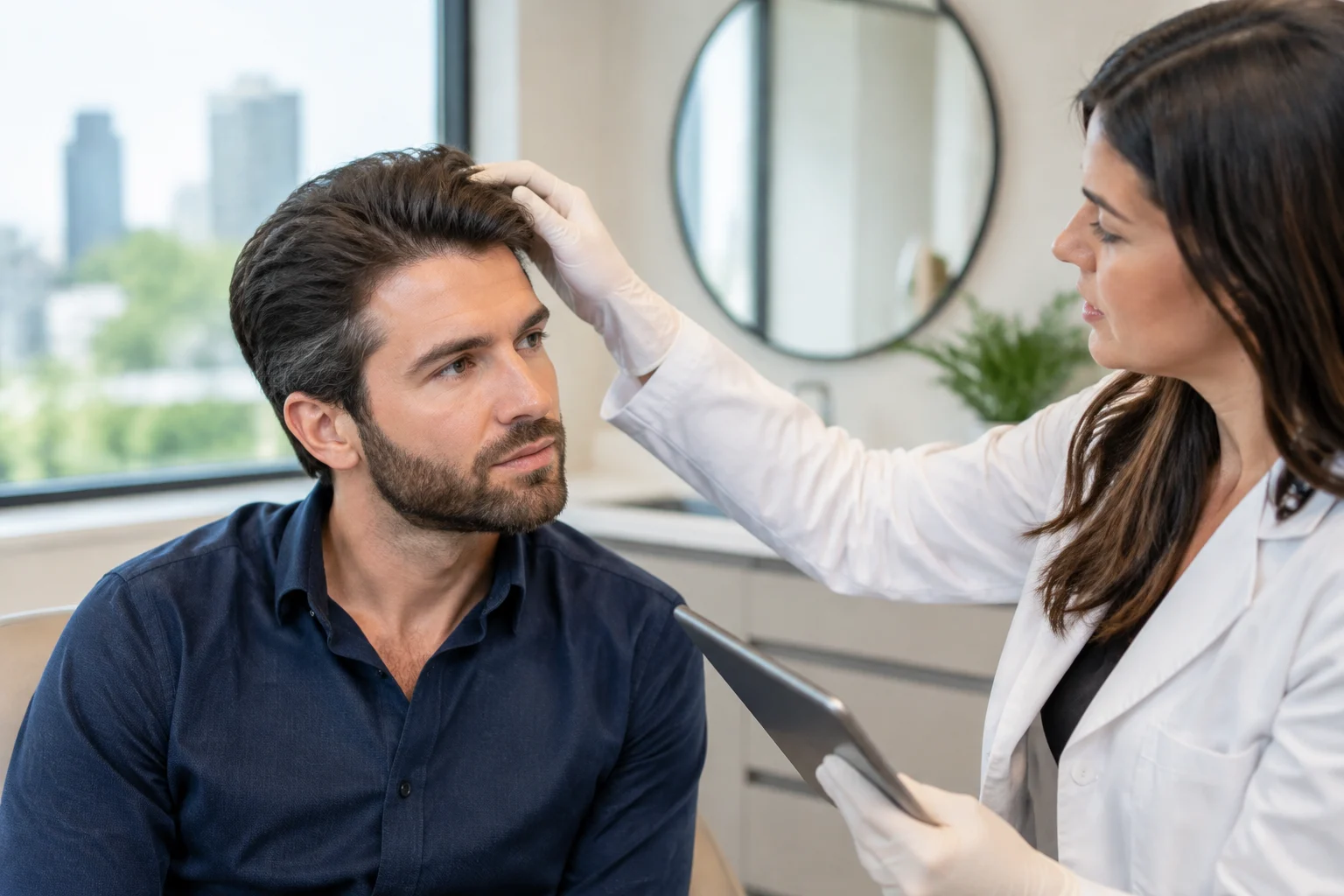
Hair loss can affect people in different ways, and the right plan depends on its cause, progression, and the amount of donor hair available. For Highland Park residents, accessing hair transplant care typically begins with identifying an experienced medical provider in the local Dallas area and scheduling an individual assessment. A consultation can clarify available options, likely costs, recovery considerations, and what results may be realistic for your situation.
Begin with an individualized consultation
A reputable provider should review your health history and examine your scalp before recommending a procedure. The discussion may cover family history, medications, prior treatments, hair-loss pattern, and your goals for coverage or hairline design. Ask who will perform each part of the procedure, what qualifications the clinical team holds, and how the practice handles follow-up care.
Hair transplantation is not appropriate for everyone. A clinician may recommend waiting, addressing an underlying health issue, or considering medical treatment first—especially when hair loss is still changing or donor hair is limited. A consultation should include an honest discussion of benefits, limitations, risks, and alternatives rather than a promise of a particular result.
Understand the procedure and your options
Common approaches include follicular unit extraction (FUE), in which individual follicular units are removed from a donor area, and follicular unit transplantation (FUT), which involves removing a strip of scalp for graft preparation. The method, number of grafts, placement, and recovery plan vary by patient and provider. Ask how the recommended technique relates to your hair characteristics, goals, and tolerance for scarring or downtime.
A hair transplant moves existing hair follicles; it does not stop future hair loss in untreated areas. Your provider can explain whether ongoing medical care may be appropriate and how a long-term plan could account for changes over time. Request clear information about what is included in the quoted fee, such as consultation, procedure, medications, and follow-up visits.
Plan local access and recovery
Highland Park is part of the Dallas area, so residents can compare providers in Highland Park and nearby Dallas communities. When evaluating options, consider the full care journey—not only the procedure location. Check whether an initial consultation can be arranged in person or remotely, if offered, and confirm where the procedure and follow-up appointments take place. Availability and policies vary by provider.
Before booking, ask how many visits are expected and whether someone should accompany you after treatment. Plan transportation, time away from work or regular activities, and a comfortable place to recover. Follow the clinic’s instructions about washing, activity, sun exposure, and medication. Contact the care team promptly if you have concerns during recovery, and keep scheduled follow-up appointments so healing and progress can be reviewed.
Questions to ask before choosing a provider
- Who evaluates my candidacy and performs the procedure?
- What results are realistic for my hair-loss pattern and donor supply?
- What are the risks, alternatives, recovery steps, and expected follow-up?
- What is the complete cost, and what services or visits are included?
- How will the plan address possible future hair loss?
Taking time to compare answers can help you make an informed decision. Choose a provider who explains the process clearly, welcomes questions, and bases recommendations on an examination rather than a one-size-fits-all package. For Highland Park residents, a nearby consultation can be a practical first step toward understanding whether hair transplant care fits your needs.
Hair Restoration Access for Highland Park Residents
Highland Park is a residential community within the Dallas area, giving residents the option to explore hair transplant consultations both in the community and in nearby parts of Dallas. Because the procedure involves assessment, treatment planning, and follow-up, proximity can make it easier to compare providers and plan visits. Confirm each practice’s location, appointment format, procedure site, and aftercare arrangements directly, since these details differ from one provider to another.
A local search can help you find care that fits your schedule while allowing you to ask questions in person and understand the full treatment process. Consider provider experience, communication, transparent pricing, and access to follow-up—not just convenience. Hair restoration is a personal medical decision, and a qualified clinician should assess your health, hair-loss pattern, and goals before suggesting a plan. Highland Park residents can use an initial consultation to learn about surgical and nonsurgical choices, discuss recovery, and decide whether to proceed without pressure.
Frequently Asked Questions About Hair Transplant in Highland Park, Texas
Who is a good candidate for a hair transplant in Highland Park?
Candidacy depends on the cause and pattern of hair loss, the amount and quality of donor hair, scalp health, and your expectations. A clinician should assess whether your hair loss is stable enough and whether donor follicles can support the proposed coverage. Some people may need medical evaluation or treatment before considering surgery. During a consultation, ask how the plan accounts for future hair loss, since transplanted hair does not prevent untreated hair from thinning.
What is the difference between FUE and FUT hair transplant procedures?
FUE and FUT are two ways of harvesting donor follicles. With FUE, follicles are removed individually, usually leaving many small marks; with FUT, a narrow strip of scalp is removed and divided into grafts, leaving a linear scar. Both methods require careful placement of grafts, and neither is best for everyone. A clinician can explain likely scarring, recovery, donor-area limits, and suitability based on your scalp and hairstyle preferences.
What should I expect at a hair transplant consultation?
A consultation typically involves discussing your hair-loss history, health, medications, goals, and any prior treatments. The clinician may examine your scalp and donor area, then explain whether surgery is appropriate and what coverage could realistically be planned. Bring questions about the proposed technique, risks, recovery, follow-up, and the possibility of continued hair loss. If you are considering care in or near Highland Park, confirm where the procedure and follow-up visits would take place.
How long does it take to see results after a hair transplant?
Visible change is gradual rather than immediate. Transplanted hairs commonly shed during the early healing period, and new growth may take several months to become noticeable. The appearance continues to develop over time, so the clinician should outline a realistic timeline for your specific procedure and explain when progress will be reviewed. Results vary with factors such as healing, hair characteristics, and the treatment plan; a transplant cannot guarantee a particular density or appearance.
What affects the cost of a hair transplant?
The overall cost can depend on the number of grafts planned, the harvesting and placement technique, the complexity of the case, and what care is included before and after surgery. A written estimate should clarify what the quoted amount covers and whether follow-up or medications are separate. Rather than comparing only headline prices, ask how the proposed graft count was determined and whether the plan fits your donor supply and long-term hair-loss pattern.
Will I need medication after a hair transplant to keep my hair?
A transplant moves selected follicles; it does not stop other, non-transplanted hair from thinning. A clinician may discuss medical treatments to help manage ongoing hair loss, but the right option depends on your health, goals, and possible side effects. Do not start, stop, or change medication without medical guidance. Ask how the surgical plan would work alongside any treatment you already use and what follow-up is recommended as your hair changes.
Can women have hair transplant surgery for thinning hair?
Some women may be candidates, but diffuse thinning across the scalp can make donor hair and expected coverage more challenging to assess. Hair loss may also have medical or hormonal causes that warrant evaluation before surgery. A consultation should include an assessment of the pattern, donor area, health history, and realistic outcomes, along with discussion of nonsurgical options where appropriate. Surgery is not suitable for every type of hair loss, and candidacy should be individualized.
What questions should I ask before choosing a hair transplant provider near Highland Park?
Ask who will assess you and perform each part of the procedure, what technique is proposed and why, and how the plan protects your donor area. Request a clear explanation of risks, scarring, aftercare, follow-up arrangements, and what happens if healing or growth differs from expectations. Also ask where surgery would occur and whom to contact with concerns afterward. These details help you compare care based on the plan and support, not just convenience.