
Planning for Hair Transplant Near Addison, Texas
Hair loss can affect confidence and daily routines, but a transplant is a significant medical decision that deserves careful planning. Addison residents can begin by arranging an evaluation with a qualified hair-restoration clinician who can identify the likely cause of hair loss, review health history, and discuss whether surgery is appropriate. A consultation should explain realistic outcomes, expected recovery, potential risks, and the possibility that hair loss may continue in untreated areas.
When comparing hair transplant options near Addison, look beyond before-and-after images. Ask who performs each part of the procedure, what technique may suit your needs, how grafts are planned, and what follow-up care is available. Consider travel to and from appointments, time away from work, and support during early recovery. A thoughtful plan helps you weigh surgery against nonsurgical care and make decisions based on your goals, health, and budget rather than pressure or promises.
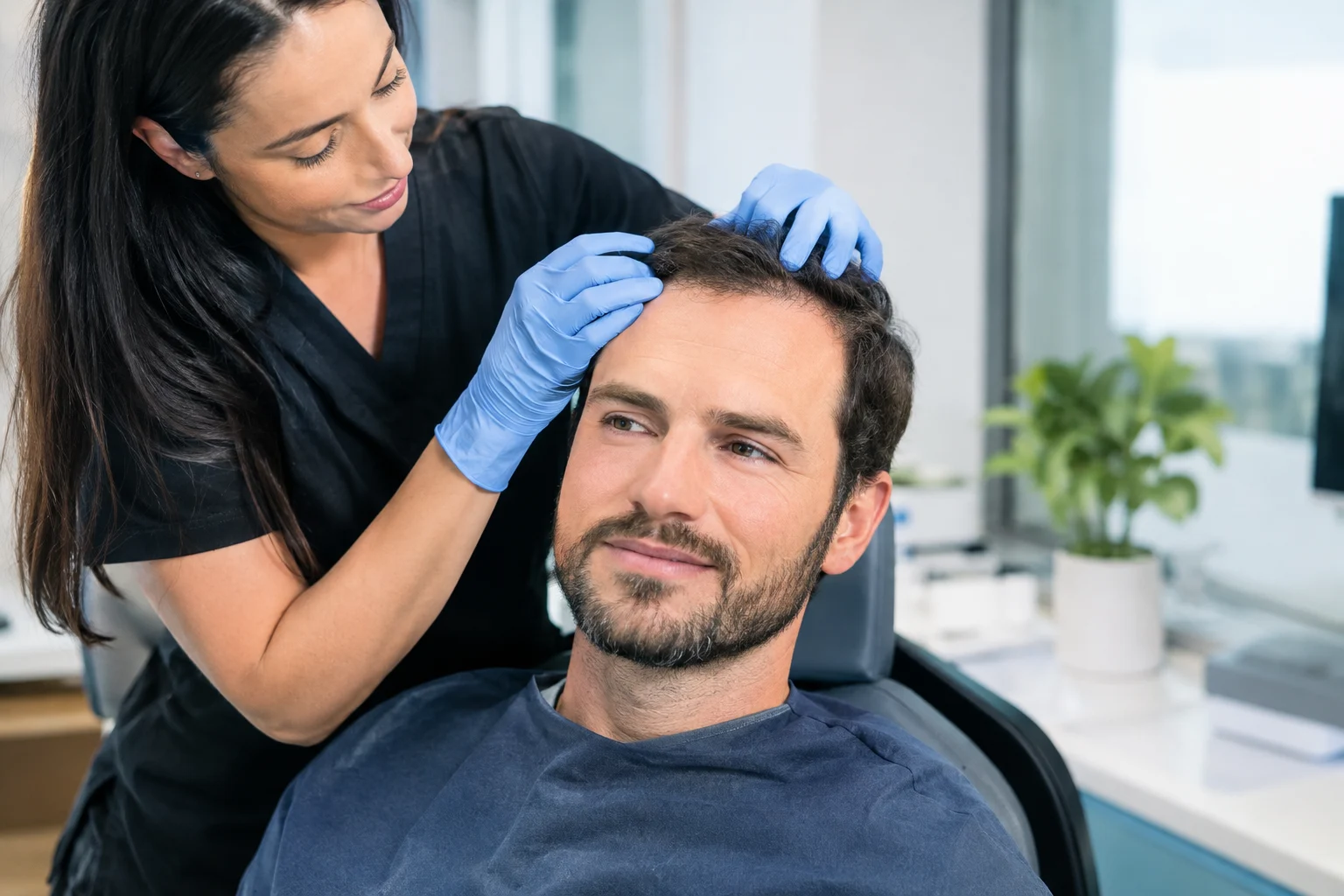
Start with an evaluation, not a procedure
Hair loss has different causes, and a transplant does not treat every type. A useful first step for someone in Addison is a medical consultation focused on diagnosis, pattern, and progression. The clinician may ask when thinning began, review family and medical history, examine the scalp, and discuss treatments you have already tried. If the cause is unclear or there are signs of a medical condition, further evaluation may be appropriate before discussing surgery.
Transplant candidacy depends on factors such as the stability and pattern of hair loss, the availability of donor hair, scalp health, overall health, and expectations. Younger patients or people with rapidly changing hair loss may need a longer-term plan because thinning can continue around transplanted areas. A responsible provider should explain both what a procedure may improve and what it cannot restore.
Compare providers and techniques carefully
Residents searching for a hair transplant near Addison can compare qualified practices in Addison and the wider North Texas area. Verify the clinician’s training, credentials, experience with hair restoration, and role in the procedure. Ask who designs the hairline, extracts or places grafts, provides anesthesia, and manages follow-up. Clear answers help you understand the care team and avoid relying on marketing claims alone.
Ask whether follicular unit extraction (FUE), follicular unit transplantation (FUT), or another approach is being considered and why. These techniques differ in how donor follicles are collected and may involve different trade-offs, scarring patterns, recovery needs, and suitability. The right option depends on an individual assessment; a consultation should not treat one method as best for everyone.
Before deciding, request a plain-language explanation of the proposed plan, including estimated graft numbers, hairline design, expected density, limitations, risks, and possible future procedures. Ask to see relevant examples of results from patients with comparable hair characteristics, while remembering that individual outcomes vary. Be cautious of guaranteed results, pressure to book immediately, or unclear pricing.
Plan for costs, recovery, and follow-up
Hair transplant costs can depend on the treatment plan, technique, provider, and extent of work. Get an itemized estimate and ask what it includes, such as consultations, procedure fees, prescribed products, and follow-up visits. Confirm the payment and cancellation policies before committing. Insurance coverage may vary, so ask the provider and insurer rather than assuming the procedure is covered.
Make a practical recovery plan around your work and responsibilities in Addison. Ask how soon you may drive, return to work, exercise, or resume normal hair care, and follow the clinician’s individual instructions. Arrange transportation if medication or the procedure could affect your ability to drive. If you have a long commute or depend on others for transportation, consider how that affects procedure-day plans and any recommended check-ins.
Follow-up matters because healing and hair growth take time, and the early appearance is not a reliable measure of the final result. Ask how the clinic handles questions after the procedure, which symptoms require prompt attention, and when progress will be reviewed. Do not use products or add-on treatments without discussing their benefits, risks, and evidence with a qualified clinician.
Use the consultation to make an informed choice
- Bring a list of medications, health conditions, prior treatments, and questions about hair loss.
- Ask about the clinician’s qualifications, the procedure team, risks, and aftercare access.
- Compare the full treatment plan and total cost, not just the advertised price or technique.
- Discuss nonsurgical options and whether delaying surgery could be sensible for your situation.
- Take time to review the information and seek another professional opinion if you remain uncertain.
For Addison residents, choosing a provider within a manageable distance can make consultations and follow-up easier, but convenience should not replace careful credential checks. A well-planned process begins with a diagnosis, a realistic discussion of goals, and enough time to compare options. The aim is not simply to schedule a procedure; it is to select care that fits your medical needs and long-term expectations.
Hair Restoration Planning in Addison
Addison residents have access to a range of health and personal care services in the local area and across the wider North Texas region. When exploring hair transplant care, you can consider practices in Addison as well as nearby communities, then compare travel time, appointment availability, and the way each clinic handles consultations and follow-up. No particular location is right for everyone, so use your own schedule and transportation needs when deciding how far you are comfortable traveling.
A local consultation can make it easier to discuss your concerns, ask questions in person, and understand the steps involved before making a decision. Hair transplantation usually requires planning beyond the procedure day, including preparation, recovery instructions, and follow-up. Choosing a provider whose communication and care arrangements work for you may help make that process more manageable alongside work, family, and other commitments in Addison.
Local convenience should be balanced with clinical quality. Confirm the treating clinician’s qualifications, understand who will perform each part of the procedure, and ask for a clear estimate of costs and risks. Residents should also consider whether medical evaluation or nonsurgical options are appropriate before surgery. With careful research and a personalized assessment, Addison residents can make a more informed choice about whether a hair transplant fits their needs and how to pursue care responsibly.
Frequently Asked Questions About Hair Transplant in Addison, Texas
Who may be a good candidate for a hair transplant in Addison?
Candidacy depends on the cause and pattern of hair loss, the amount and quality of donor hair, overall health, and expectations. A transplant may be considered for some people with stable pattern hair loss, but it is not suitable for every type of shedding or scalp condition. A qualified clinician should review your medical history and examine your scalp before recommending treatment. If hair loss is still progressing, they may discuss stabilizing it before planning surgery.
What is the difference between FUE and FUT hair transplant techniques?
FUE involves removing individual follicular units from the donor area, while FUT removes a narrow strip of scalp from which grafts are prepared. Both methods aim to place follicles in areas with thinning or loss, but they differ in how donor hair is collected and in the resulting scar pattern. The better option depends on your hair characteristics, goals, and preferences. Ask the clinician to explain expected scarring, recovery, and limitations for your specific case.
What should I expect at a hair transplant consultation?
A consultation typically includes a discussion of your hair-loss history, health, medications, goals, and prior treatments, along with an examination of your scalp and donor area. The clinician should explain whether transplantation is appropriate, what results are realistic, and what alternatives may be worth considering. Bring a list of medications and questions, and mention any recent changes in hair loss. Before deciding, ask who performs each part of the procedure and how follow-up care is arranged.
How much time should I plan off work after a hair transplant?
Recovery varies with the procedure, your role, and how you feel, so ask your clinician for guidance tailored to your schedule. Some people prefer a few days away from public-facing work while redness, small scabs, or swelling are noticeable; physically demanding work may require different restrictions. Follow the clinic’s instructions about washing, exercise, sun exposure, and protecting the grafts. If you are traveling to or from Addison for care, plan around follow-up visits and avoid rushing your recovery.
When will I see results from a hair transplant?
A transplant is not an immediate cosmetic change. The transplanted hairs commonly shed during the early healing period, and visible regrowth develops gradually over subsequent months. The timing and degree of change differ among individuals and depend on factors such as the treatment plan and ongoing hair loss. Your clinician should explain what milestones to expect and when results can reasonably be assessed. Keep scheduled follow-ups, and contact the care team if healing concerns arise.
How is the cost of a hair transplant determined?
The total cost can depend on the number of grafts recommended, the technique used, the complexity of the case, and what is included in care and follow-up. There is no reliable way to estimate an individual fee without an assessment, and a larger graft count is not automatically the right plan. Request a written breakdown that clarifies any additional charges, payment terms, and follow-up arrangements. Compare treatment plans and clinical explanations, not price alone.
What are the possible risks of hair transplant surgery?
As with other procedures, hair transplantation can involve discomfort, swelling, bleeding, infection, scarring, temporary numbness, or an unsatisfactory or uneven appearance. Results may also be limited by donor hair or continued loss in untreated areas. The likelihood and significance of risks depend on the individual and the procedure. Ask the clinician to review your personal risk factors, how complications are managed, and which symptoms after surgery should prompt a call or urgent medical attention.
How can I compare hair transplant providers when I live in Addison?
When comparing options, focus on the clinician’s experience with your type of hair loss, the proposed plan, clear discussion of risks, and realistic expectations—not just before-and-after images. Ask who evaluates you, who performs the surgery, what follow-up is available, and how concerns are handled after treatment. Confirm where consultations and procedures take place and whether any visits can be remote. These practical details can help you judge whether care is a good fit for your needs.