
Planning for Plastic Surgeon Near Parker, Texas
Choosing a plastic surgeon is a personal decision that benefits from careful research and a clear plan. Parker residents can begin by identifying the reason for seeking care, whether it is a cosmetic goal, reconstruction after an injury or illness, or another concern that a qualified specialist can assess. The right provider should explain suitable options, possible risks, recovery needs, and costs in terms you understand, without pressuring you to make a quick decision.
Accessing care may involve comparing practices in Parker and nearby North Texas communities, since availability and specialties vary. Before booking, check the surgeon’s credentials, the services offered, and where procedures are performed. Ask how consultations and follow-up visits are arranged, especially if you will need to travel. A thoughtful selection process can help you find care that fits your goals and schedule while making it easier to stay connected with your provider throughout treatment and recovery.
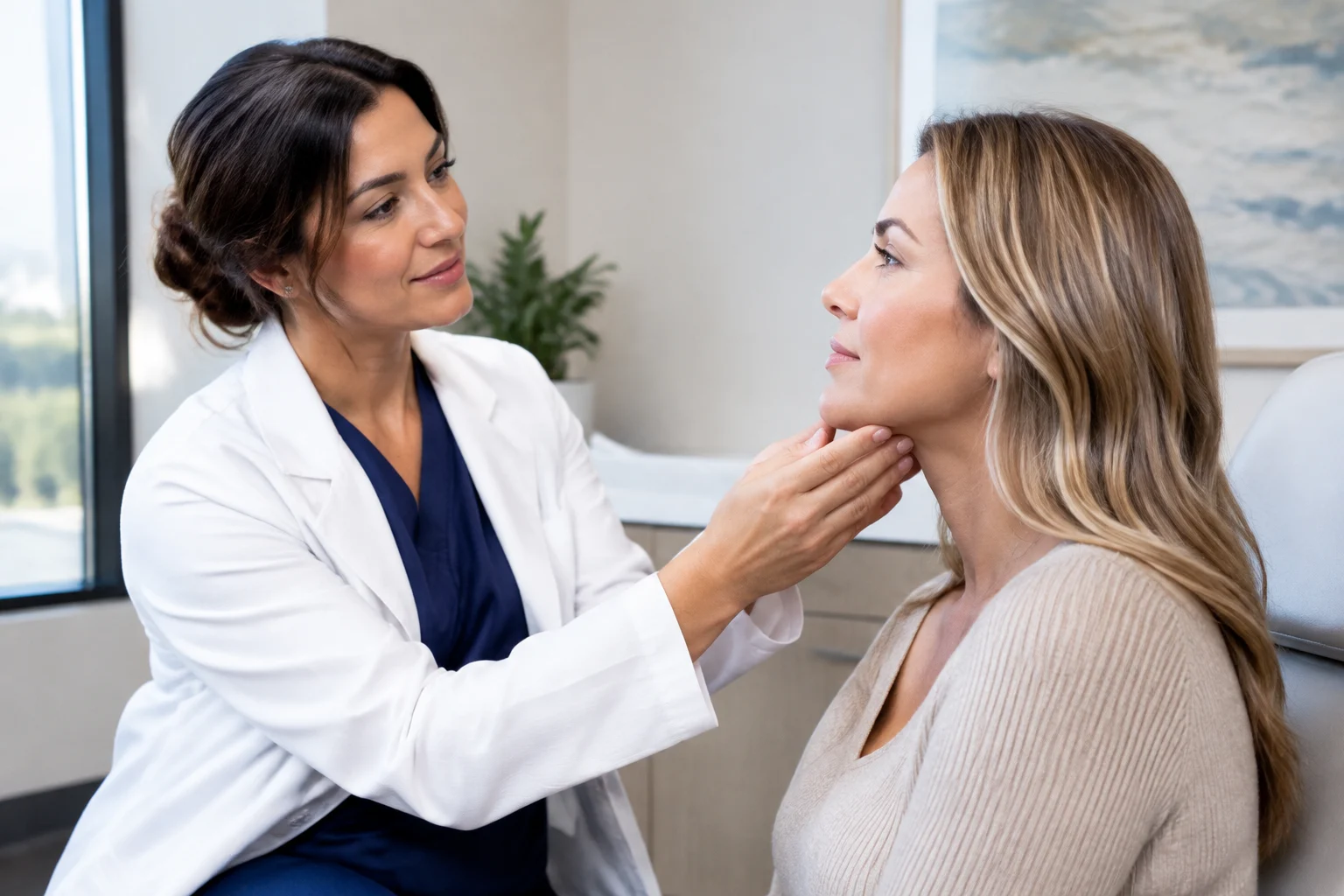
How to find a plastic surgeon near Parker
Start by deciding what kind of care you are looking for. Plastic surgery includes cosmetic procedures as well as reconstructive care, and surgeons may focus on different areas. A consultation can help determine whether a particular procedure is appropriate, whether another treatment should be considered, or whether a referral to a different specialist is needed. You do not need to settle on a procedure before speaking with a qualified professional.
Search for plastic surgeons serving Parker and the surrounding North Texas area, then compare their training, services, office locations, and appointment availability. Because a practice may see patients from several communities, confirm that it accepts new patients and ask where consultations, procedures, and follow-up care take place. If more than one location is offered, clarify which one is appropriate for each stage of care.
Check qualifications and care settings
Credentials are an important starting point, but they are only one part of choosing a surgeon. Look for a physician certified by the American Board of Plastic Surgery, and confirm licensure and disciplinary information through the Texas Medical Board. You can ask the practice about the surgeon’s experience with the specific procedure or concern you have and what kind of facility would be used. For surgery, ask whether the facility is appropriately accredited or licensed for the planned care and who will provide anesthesia.
During a consultation, the surgeon should review your health history, explain realistic options, and discuss potential complications, limitations, and recovery. You should have time to ask questions and consider the information. A second opinion can be useful when you are uncertain or want to compare recommendations. Be cautious of guarantees, pressure to book immediately, or explanations that leave you unclear about risks and costs.
Plan for consultations, travel, and recovery
For Parker residents, practical access means considering more than the initial appointment. Ask how long visits usually take, whether any consultation can be conducted remotely when appropriate, and which appointments must be in person. Telehealth availability depends on the practice and the type of evaluation; it may not replace an examination. Confirm travel arrangements in advance, particularly if a procedure requires someone to accompany you or limits driving afterward.
Before scheduling surgery, understand the expected recovery plan and how to reach the care team with questions. Ask about follow-up timing, after-hours instructions, activity restrictions, and what to do if a concern arises. Make arrangements for transportation, help at home, and time away from work or other responsibilities as advised by your surgeon. Following the care team’s instructions and attending recommended follow-ups can support continuity of care.
Understand costs and coverage
Request a written estimate that separates professional fees, facility charges, anesthesia, tests, prescriptions, and follow-up care when applicable. Ask what is included and whether additional costs could arise. Cosmetic procedures are often not covered by health insurance, while coverage for reconstructive treatment depends on the reason for care and the terms of your plan. Contact your insurer directly to confirm benefits, referrals, prior authorization requirements, and network status. Do not rely on a general estimate as confirmation of coverage.
Comparing providers on qualifications, communication, care setting, accessibility, and transparent pricing can help you make a well-informed choice. The lowest quoted price should not be the only deciding factor. Choose a surgeon who answers your questions clearly and gives you room to decide. If you are unsure whether plastic surgery is right for you, discuss your concerns with a qualified clinician before committing to treatment.
Plastic Surgery Access for Parker Residents
Parker is part of the broader North Texas community, so residents may consider practices in Parker as well as in nearby cities when looking for a plastic surgeon. The most convenient option is not always the best fit: a surgeon’s relevant experience, clear communication, and follow-up arrangements matter alongside travel time. As you compare providers, confirm the office location for each appointment and ask whether consultations, procedures, and postoperative visits happen at the same facility or at different locations.
Planning ahead can make care easier to coordinate with work, family responsibilities, and transportation. This is especially important when a procedure may require a ride home, support during recovery, or repeat visits. Ask a practice about appointment availability, how to contact the clinical team, and what support is offered if you have questions after treatment. For costs, check your insurance benefits directly and request an itemized estimate from the provider. Coverage can vary between cosmetic and reconstructive care, and individual plans have different requirements.
Whether you are exploring a cosmetic option or seeking reconstruction, use the consultation to discuss your goals and medical history openly. A qualified plastic surgeon can explain potential approaches, risks, recovery expectations, and alternatives based on an individual assessment. Parker residents can take time to compare options across the area, verify credentials, and select care that aligns with their needs and comfort level.
Frequently Asked Questions About Plastic Surgeon in Parker, Texas
How can I evaluate a plastic surgeon when looking for care near Parker?
Start by checking the surgeon’s training and credentials, including whether their certification is specifically in plastic surgery; verify claims through the relevant certifying organization. Ask how often they perform the procedure you are considering, where it would take place, and who provides anesthesia. Review before-and-after photos for cases similar to yours, and ask about risks and follow-up care. A careful consultation should leave you informed, not pressured to decide immediately.
What should I expect during a plastic surgery consultation?
A consultation usually begins with a discussion of your goals, medical history, medications, and prior procedures. The surgeon may examine the relevant area and explain suitable options, expected limitations, risks, recovery, and whether additional evaluation is needed. Bring a list of questions and be candid about your health and expectations. Before leaving, make sure you understand the proposed plan and what information or decisions are still outstanding; you do not need to commit at the first visit.
How do I know which plastic surgery procedure is right for me?
The right approach depends on your anatomy, health, goals, and tolerance for recovery and risk—not simply on a procedure’s popularity. During an evaluation, ask what options could address your concern, what each can and cannot change, and whether a nonsurgical approach or no procedure may be reasonable. For patients in Parker, an in-person assessment can help the surgeon make recommendations based on individual findings rather than general descriptions or online photos.
How should I plan for recovery after plastic surgery?
Recovery varies by procedure and by person, so ask for written instructions tailored to your operation. Find out how long you may need to limit work, exercise, driving, lifting, or other activities, and whether someone should stay with you initially. Arrange transportation if medication or anesthesia could make driving unsafe. If you are returning home to Parker after care elsewhere, confirm how follow-up visits and urgent concerns will be handled before scheduling.
How much does plastic surgery cost, and what should an estimate include?
Costs depend on the procedure, anesthesia, facility, and individual treatment plan, so an estimate should be specific to your consultation. Ask whether it includes the surgeon’s fee, anesthesia, facility charges, follow-up visits, and any likely additional expenses. Clarify payment timing and the practice’s policies if plans change. Insurance may cover some medically indicated reconstructive care, but coverage depends on the circumstances and plan; confirm benefits directly with your insurer and the care team.
What risks should I discuss before having plastic surgery?
Every operation has potential risks, and the relevant ones depend on the procedure and your health. Ask the surgeon to explain common complications, serious but less common problems, anesthesia-related concerns, and factors that may affect your personal risk. Discuss smoking, medications, supplements, and medical conditions honestly. Make sure you know which symptoms require prompt medical attention and whom to contact after surgery. Understanding risks is part of informed decision-making, not a reason to feel rushed.
Is plastic surgery only cosmetic, or can it be reconstructive?
Plastic surgery includes procedures intended to change appearance as well as procedures that restore or improve form and function after illness, injury, or other medical circumstances. The purpose of treatment can affect the evaluation, documentation, and possible insurance coverage. If you are considering reconstructive care, ask what records or referrals may be needed and whether your insurer requires prior authorization. Coverage is not automatic, so confirm the details with your plan before proceeding.
What if I am unhappy with my results after plastic surgery?
Before surgery, ask how results are assessed, how long swelling or other healing changes may take to settle, and what follow-up schedule is recommended. If a concern arises, contact the treating team and describe what has changed rather than trying to diagnose it yourself. Ask how complications are evaluated and whether further treatment might ever be considered. Revision procedures are not appropriate in every situation, and their risks, timing, and costs should be discussed individually.