
Plastic Surgeon for Providence Village-Area Patients
Finding a plastic surgeon near Providence Village starts with identifying your goals and understanding which type of care may suit them. A qualified plastic surgeon can discuss cosmetic procedures, reconstructive options, expected recovery, and potential risks during a personal consultation. Whether you are considering a change to your appearance or need care after an injury or prior treatment, the first step is a conversation with a licensed specialist—not a commitment to surgery.
Providence Village residents can compare surgeons who serve the area and confirm where consultations, procedures, and follow-up visits take place. Ask about board certification in plastic surgery, the surgeon’s experience with the procedure you are considering, and the credentials of the facility where surgery would occur. Travel time, transportation, and support during recovery are also practical considerations when care is provided outside town. A clear plan helps you make an informed decision and understand what care will involve before moving forward.
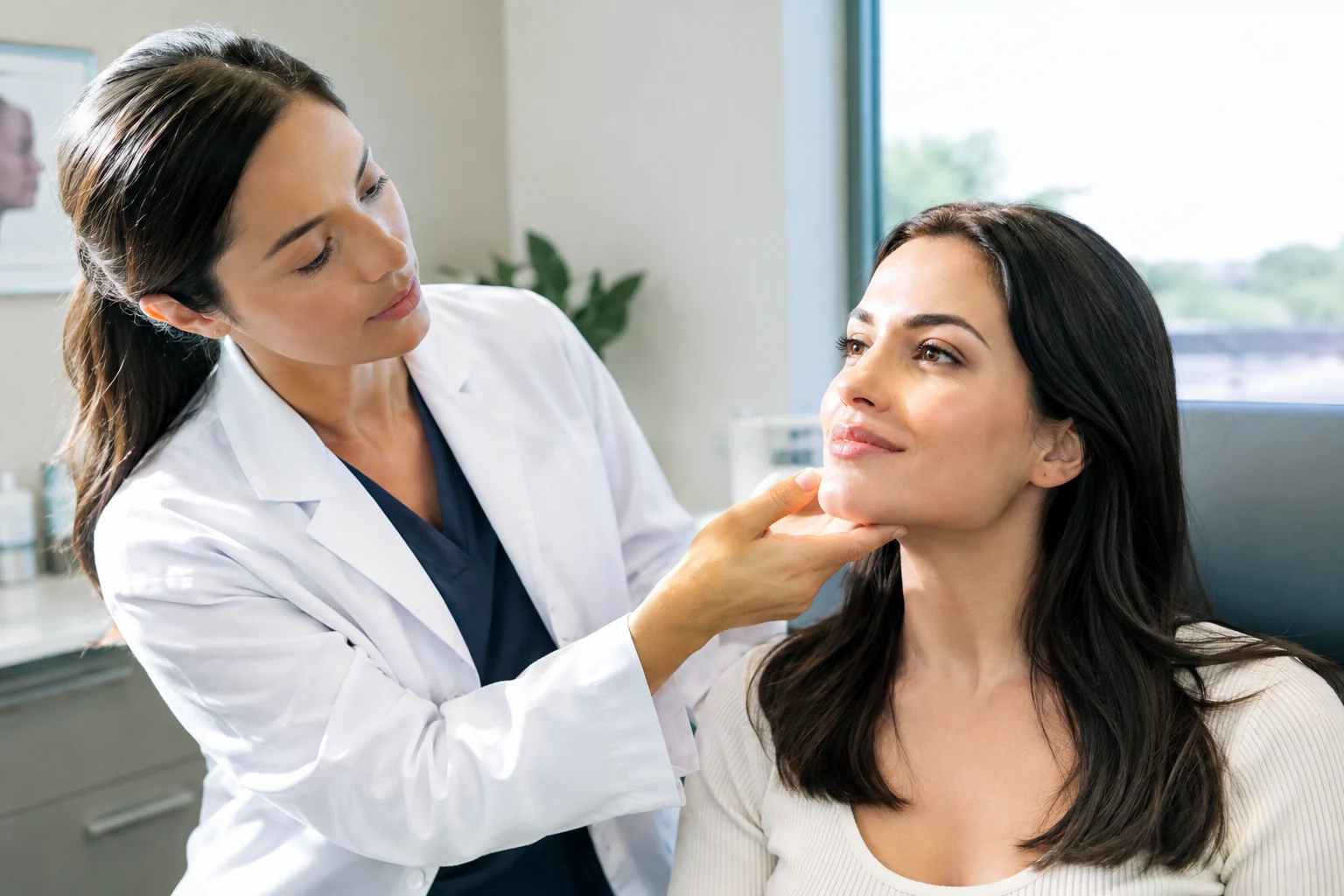
Plastic surgery care for Providence Village patients
People looking for a plastic surgeon in Providence Village, Texas, may find that the right provider serves patients across the surrounding area rather than practicing within town itself. When comparing options, confirm the surgeon’s consultation locations and ask where any procedure and follow-up appointments would take place. This helps you understand the full care pathway before scheduling and plan for travel from home.
Plastic surgery includes both elective cosmetic procedures and reconstructive care. A consultation gives you an opportunity to describe what you hope to address, review suitable options, and discuss whether surgery is appropriate. Depending on your needs, the conversation may also cover nonsurgical approaches, timing, recovery requirements, and the possibility that a different specialist or treatment would be a better fit.
Choosing a qualified plastic surgeon
Credentials and relevant experience are important starting points. Verify that a surgeon is licensed in Texas and ask whether they are certified by the American Board of Plastic Surgery. Board certification is one way to check specialty training, but it does not replace your own review of a provider’s experience and communication style. Ask how often the surgeon performs the procedure you are considering and how they evaluate candidates.
It is also useful to understand where surgery would be performed. Ask whether the facility is appropriately accredited or licensed for the planned care, who will provide anesthesia, and how the team handles urgent concerns. A trustworthy consultation should leave room for questions and provide balanced information about benefits, limitations, risks, and alternatives. Be cautious of pressure to make a quick decision or promises of a particular result.
What to expect at a consultation
Your first appointment is a chance to share your health history and goals, discuss realistic outcomes, and learn what preparation and recovery may involve. The surgeon may ask about medications, previous procedures, allergies, and relevant health conditions. Bring a list of questions and, if helpful, notes about what matters most to you. You can ask for an explanation in straightforward terms and take time to consider the information afterward.
- Clarify the expected benefits, risks, and alternatives for the recommended treatment.
- Ask what recovery may look like, including activity limits and when follow-up visits are needed.
- Confirm the full cost, what is included, and whether insurance may apply to reconstructive care.
- Discuss how to contact the care team with questions before and after a procedure.
Not every person is a candidate for every procedure. A responsible surgeon will consider your health, expectations, and individual circumstances before recommending a plan. You should feel comfortable asking for more time, seeking another opinion, or deciding not to proceed.
Planning care from Providence Village
If a surgeon’s office or surgical facility is outside Providence Village, plan around the entire course of care—not only the initial appointment. Ask how many in-person visits are likely, whether an initial conversation can take place remotely when clinically appropriate, and which visits must be completed in person. Availability varies by provider and by the type of evaluation, so confirm details directly rather than assuming virtual care is offered.
For procedures involving anesthesia or restricted activity, ask whether you will need someone to drive you and remain available afterward. Arrange time away from work or regular responsibilities based on the surgeon’s instructions, and make sure you know where to go for scheduled follow-up. Convenient access means having a clear route to consultation, procedure-day support, and continuing care—not simply choosing the closest listing.
Make an informed next step
Choosing a plastic surgeon is a personal decision. Compare qualifications, ask detailed questions, and take the time you need to weigh the information. Providence Village patients can use an initial consultation to understand available options and decide whether a provider’s approach, location, and follow-up plan suit their needs. The goal is a safe, informed process with expectations grounded in an individualized medical assessment.
Plastic Surgery Access for Providence Village
Providence Village residents looking for plastic surgery can begin by searching for qualified surgeons who serve the community and surrounding North Texas area. Care may involve more than one location: consultations, procedures, and follow-up visits can take place at different offices or facilities. Confirming those details early helps you compare providers based on both clinical fit and the practical journey from home.
For a growing community with varied work and family schedules, planning appointments and recovery in advance can make the process easier to manage. Ask how many visits are typically required, what transportation or at-home support may be needed, and how the practice handles questions between appointments. If an initial remote discussion is offered, confirm whether an in-person examination is still needed before any recommendation or treatment. Availability and care arrangements differ by provider.
A plastic surgeon can help Providence Village patients explore cosmetic and reconstructive options, explain risks and likely recovery, and determine whether a procedure is appropriate. Choosing someone based on verified credentials, relevant experience, clear communication, and a practical follow-up plan can support more confident decision-making. A local search is a starting point; a thorough consultation is what helps you understand your options.
Frequently Asked Questions About Plastic Surgeon in Providence Village, Texas
How can I choose a plastic surgeon serving Providence Village?
Start by confirming the surgeon’s training and whether they are certified by the American Board of Plastic Surgery; you can verify certification through the board’s directory. Ask how often they perform the procedure you are considering, where surgery would take place, and what safety arrangements are in place. Review before-and-after photos of patients with similar goals, and use a consultation to discuss risks, alternatives, and whether the surgeon’s recommendations feel clear and individualized.
What should I expect at a plastic surgery consultation?
A consultation usually begins with a discussion of your goals, medical history, medications, and prior procedures. The surgeon may examine the relevant area, explain options, and describe likely benefits, limitations, risks, and recovery needs. Bring questions and a list of medications or supplements. You should have time to consider the information rather than feel pressured to decide. For Providence Village residents, ask about follow-up arrangements and how to reach the care team with concerns after treatment.
How do I know whether cosmetic surgery is right for my goals?
A useful first step is to identify what you hope to change and what outcome would feel realistic to you. During a consultation, ask whether surgery can address that concern, what alternatives exist, and what trade-offs or visible scars may result. Your health, expectations, and ability to follow recovery instructions also matter. A responsible discussion may conclude that another approach—or no procedure—is preferable. Take time to compare information before making a decision.
Does health insurance cover plastic surgery?
Coverage depends on why a procedure is being considered and on the terms of your specific insurance plan. Cosmetic procedures chosen for appearance are often treated differently from surgery intended to address a medical or functional concern, but coverage is not automatic. Ask your surgeon’s office what documentation may be needed, then confirm benefits, exclusions, prior-authorization rules, and potential out-of-pocket costs directly with your insurer. Request written information before scheduling so you understand your financial responsibility.
What affects the cost of plastic surgery?
The total cost can depend on the procedure, the surgeon’s fee, anesthesia, facility charges, medical testing, prescriptions, and follow-up care. More involved procedures or combined operations may have different costs and recovery requirements. Ask for an itemized estimate and clarify what is included, what could create additional charges, and how revisions or unexpected care are handled. If you are comparing options near Providence Village, compare the full care plan—not only a headline price—and avoid choosing on cost alone.
How should I plan for recovery after plastic surgery?
Recovery varies by procedure and by individual. Before scheduling, ask how much time you may need away from work, when you can drive, lift, exercise, or resume normal activities, and whether you will need help at home. Arrange transportation if sedation or anesthesia is planned, and follow the surgeon’s instructions for medication, wound care, and activity restrictions. If you live in Providence Village, consider how you will manage follow-up visits and contact the care team if symptoms concern you.
What risks should I discuss before having plastic surgery?
Every operation has potential risks, which may include bleeding, infection, reactions to anesthesia, scarring, changes in sensation, delayed healing, or a result that differs from your expectations. The likelihood and seriousness vary with the procedure and your health. Ask the surgeon which risks are most relevant to you, how complications are managed, and what symptoms require urgent attention. Share your complete medical history and ask about alternatives, including postponing surgery, before deciding.
Can non-surgical treatments replace plastic surgery?
Sometimes, but the options address different concerns. Injectables, skin treatments, or other non-surgical approaches may offer modest or temporary changes, while surgery can address issues such as excess skin or structural changes that non-surgical care may not correct. Suitability depends on your goals, health, and the treatment involved. Ask a qualified clinician about expected results, limitations, risks, maintenance, and recovery for each option. A consultation can help you compare approaches without assuming surgery is necessary.