
Plastic Surgeon for the Hebron Community
Choosing a plastic surgeon is a personal decision that deserves careful research, clear communication, and time to consider your options. Hebron residents can begin by identifying surgeons whose practices serve the wider North Texas area, then confirming where consultations and procedures take place. A first appointment is an opportunity to discuss your goals, medical history, possible approaches, recovery needs, and the surgeon’s qualifications—not a commitment to proceed.
Plastic surgery may be considered for cosmetic goals, reconstructive needs, or changes related to injury, illness, or prior treatment. The right plan depends on the individual and should be developed with a qualified physician. Before scheduling, ask whether the surgeon is appropriately board-certified, what facility would be used, and how follow-up care is arranged. By comparing information and planning for travel and recovery, people in Hebron can make a more informed choice about care that fits their needs and circumstances.
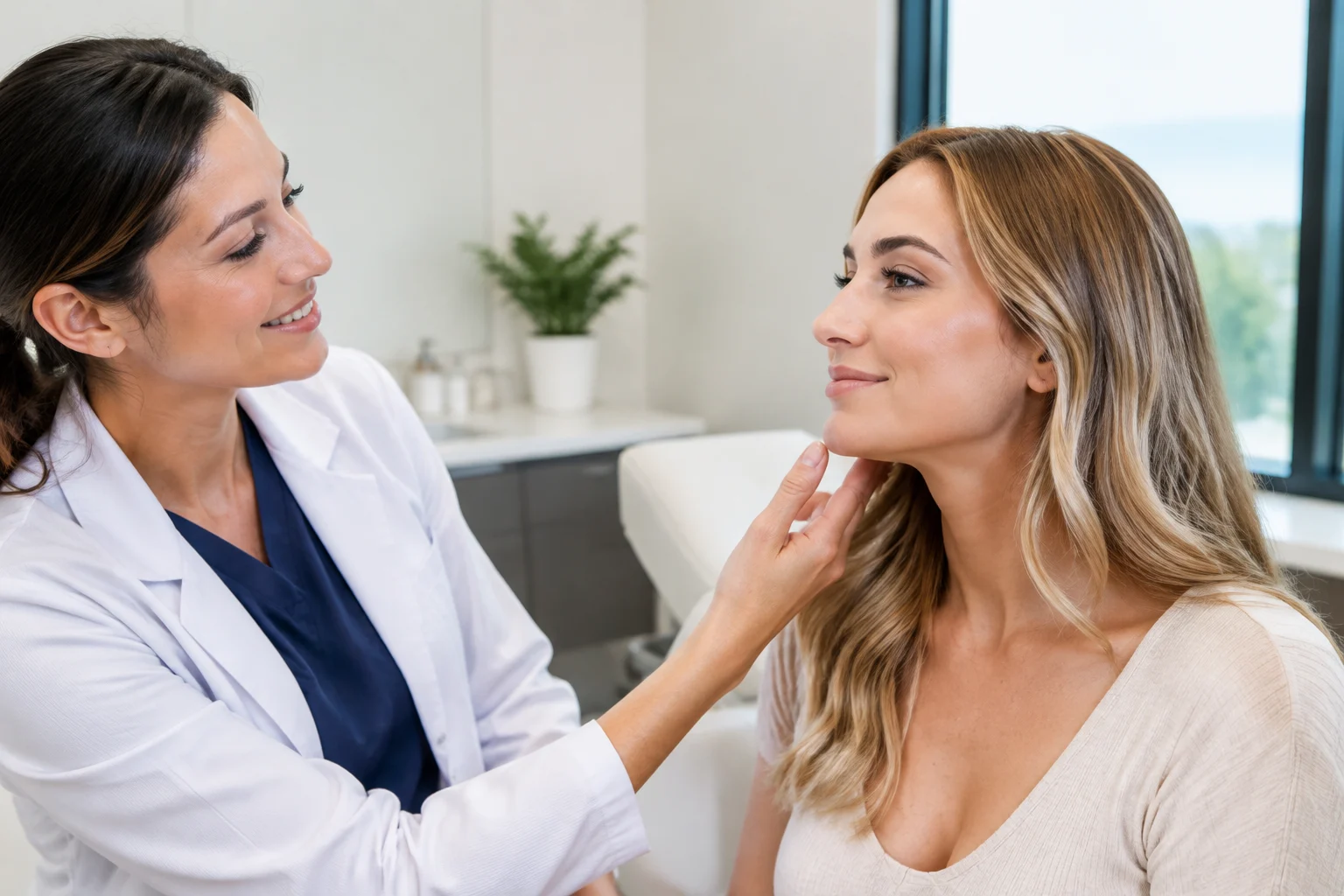
Finding plastic surgery care near Hebron
Hebron residents looking for a plastic surgeon can start with a focused search for physicians who serve the surrounding North Texas region. Because practices may be based in different communities and procedures may take place at separate facilities, confirm the location of each consultation, operation, and follow-up visit before making plans. Ask whether the office can explain its service area and whether the surgeon’s schedule and care model are practical for you.
Use a consultation to assess both the medical fit and the communication fit. A thoughtful surgeon should listen to your concerns, explain reasonable options, and discuss limitations as well as potential benefits. You should have time to ask questions and should never feel pressured to decide during the first visit.
Cosmetic and reconstructive goals
Plastic surgery includes a range of procedures and forms of care. Some people seek a change in appearance, while others need reconstructive treatment following an injury, illness, or another medical event. What may be appropriate depends on the person’s health, anatomy, goals, and clinical assessment. A consultation can clarify whether a procedure is suitable, whether alternatives should be considered, and what outcomes are realistic.
When describing your goals, be specific about what you hope to change and what matters most to you. Ask the surgeon to explain the expected process in plain language, including preparation, anesthesia where relevant, healing, possible risks, and the chance that additional treatment could be needed. A responsible plan accounts for your health and preferences rather than promising a particular result.
What to check before choosing a surgeon
Research qualifications and the setting where care is provided. Confirm board certification directly through an appropriate official certifying organization, and ask about the surgeon’s experience with the procedure you are considering. Also establish who will provide anesthesia, where the procedure will occur, and how urgent concerns are handled after treatment. These details help you understand the complete care arrangement, not only the consultation.
- Confirm the surgeon’s credentials and relevant experience.
- Ask which facility is used and whether it is appropriately accredited for the planned care.
- Request a clear discussion of risks, alternatives, recovery expectations, and costs.
- Find out how follow-up appointments and after-hours questions are managed.
- Review written instructions and consent materials before agreeing to treatment.
Plan for appointments and recovery
For Hebron residents, practical planning can make care easier to manage. Ask the office how many visits are generally expected for evaluation and follow-up, while understanding that your individual schedule may differ. Confirm travel time and parking arrangements with the facility, and consider who can accompany you if transportation or support is needed. For procedures requiring recovery at home, ask in advance about activity restrictions, time away from work or caregiving, and the support you may need during the initial healing period.
Do not rely on general online recovery timelines as a substitute for your surgeon’s instructions. Healing varies by person and procedure. Before treatment, make sure you know whom to contact with questions, which symptoms require prompt attention, and what to do if you have a concern outside regular office hours. If you have existing medical conditions or take medications, share that information with the care team and follow their guidance.
Understand costs and coverage
Coverage depends on the reason for treatment, the specific procedure, and the terms of your health plan. Cosmetic procedures are often handled differently from medically necessary reconstructive care, so ask your insurer and the surgeon’s office to explain applicable benefits, authorization requirements, and out-of-pocket costs. Request an itemized estimate that identifies professional, facility, anesthesia, and follow-up charges when applicable. A written estimate and a clear explanation of what it includes can help you compare options and avoid assumptions.
Taking these steps allows Hebron residents to evaluate plastic surgery care with greater confidence. Focus on sound credentials, an individualized consultation, transparent communication, and a realistic plan for both travel and recovery. If you are unsure whether a procedure is right for you, ask questions and take the time you need before making a decision.
Plastic surgery options for Hebron residents
Hebron is part of the broader North Texas community, and residents may consider medical practices in nearby communities when seeking specialized care. Since a surgeon’s office, consultation location, and procedure facility may not be the same, it is useful to confirm each location directly and understand how visits are coordinated. Checking travel needs before scheduling can help you decide whether a particular care plan is manageable, especially when several appointments or post-procedure visits are expected.
Plastic surgery can address a range of personal and medical concerns, but the appropriate option is different for each patient. Hebron residents can use an initial consultation to discuss goals, health history, potential benefits and risks, recovery support, and costs. Ask for clear information about credentials, facilities, and follow-up arrangements, and verify details with the relevant professional or insurer. A careful, unrushed process helps you choose care based on your individual needs rather than convenience or promotional claims.
Frequently Asked Questions About Plastic Surgeon in Hebron, Texas
What kinds of procedures can a plastic surgeon discuss with patients in Hebron?
Plastic surgeons may provide cosmetic procedures, such as breast or body contouring surgery, facial surgery, and certain nonsurgical treatments, as well as reconstructive care after injury, illness, or a previous operation. The services offered vary by surgeon and practice. A consultation can help determine whether a particular procedure is appropriate, what alternatives exist, and what risks and recovery may involve. Bring your goals and questions so the discussion can focus on your individual needs.
How can I evaluate a plastic surgeon before scheduling a consultation?
Check the surgeon’s training and professional credentials, and confirm board certification through the American Board of Plastic Surgery if that is represented. Ask where procedures are performed and what safety standards apply to that facility. You can also ask how often the surgeon performs the procedure you are considering, review representative before-and-after photos, and discuss potential complications. A careful consultation should leave room for questions and a clear explanation of alternatives, limitations, and follow-up care.
What should I bring up during a plastic surgery consultation?
Describe what you hope to change and what outcomes would feel realistic to you. Share your medical history, past operations, allergies, current medicines and supplements, tobacco or nicotine use, and any relevant health concerns. Ask about the recommended approach, alternatives, expected recovery, risks, follow-up visits, and the total fees involved. It may help to bring written questions and a trusted support person. You should have time to consider the information before deciding whether to proceed.
How should I plan for recovery after plastic surgery?
Recovery depends on the procedure, your health, and your surgeon’s instructions. Before surgery, ask how much help you may need at home, when you can drive, return to work, exercise, or lift, and what follow-up care is required. Arrange transportation if anesthesia or prescribed medication makes driving unsafe, and prepare a comfortable place to rest. Follow the care plan rather than relying on general timelines, and contact your clinical team about concerning symptoms.
How much does plastic surgery cost, and what should a quote include?
Costs vary with the procedure, anesthesia, facility, surgeon’s fees, and individual care needs, so a reliable estimate requires a consultation. Ask for an itemized written quote and clarify whether it includes preoperative appointments, medications, follow-up visits, or possible additional care. Also ask about payment terms and what happens if your plan changes. Avoid comparing prices without comparing what is included, and do not assume a cosmetic procedure will be covered by insurance.
Will insurance cover plastic surgery in Texas?
Coverage generally depends on why the procedure is being considered, the details of your health plan, and its medical-necessity rules. Procedures intended solely to change appearance are often treated differently from reconstructive care, but coverage should not be assumed either way. Ask the surgeon’s office for documentation or billing guidance, then contact your insurer directly to confirm benefits, prior authorization requirements, and possible out-of-pocket costs. Get the insurer’s explanation in writing when possible.
Are there nonsurgical options I could consider instead of surgery?
Depending on your concern, options may include skin treatments, injectable products, or other nonsurgical approaches, but they cannot provide the same results as every operation. Their effects, risks, duration, and maintenance needs differ, and some concerns may not be suitable for treatment without surgery. Ask a qualified clinician to explain what each option can realistically accomplish, who provides it, and what complications to watch for. Compare alternatives based on your goals rather than assuming one is automatically safer or better.
How do I know whether I am a good candidate for plastic surgery?
Candidacy depends on your health, the procedure, your expectations, and whether you can follow the recovery plan. A surgeon may review medical conditions, medications, nicotine use, prior procedures, and factors that could affect healing or anesthesia. Be open about these details; they help the clinician assess risks and suggest safer alternatives if needed. Surgery is not appropriate for everyone, and an evaluation should include a realistic discussion of possible benefits, limitations, complications, and the option to wait.