
Plastic Surgeon Options in University Park, Texas
Choosing a plastic surgeon is a personal decision that benefits from careful research and a clear understanding of your goals. University Park residents can explore both cosmetic and reconstructive care by comparing qualified surgeons in the local area and nearby Dallas communities. The right fit depends on the procedure or concern, the surgeon’s training and experience, communication style, and the setting where care is provided.
Start by identifying what you hope to address, then arrange a consultation to discuss suitable options, possible risks, recovery, and costs. Ask whether the surgeon is board-certified in plastic surgery, what follow-up care is available, and whether the proposed treatment is performed in an appropriately accredited facility. Some residents may find a suitable practice close to home, while others may consider providers elsewhere in the Dallas area. Confirm locations, appointment availability, insurance requirements, and travel arrangements directly with each office before making plans.
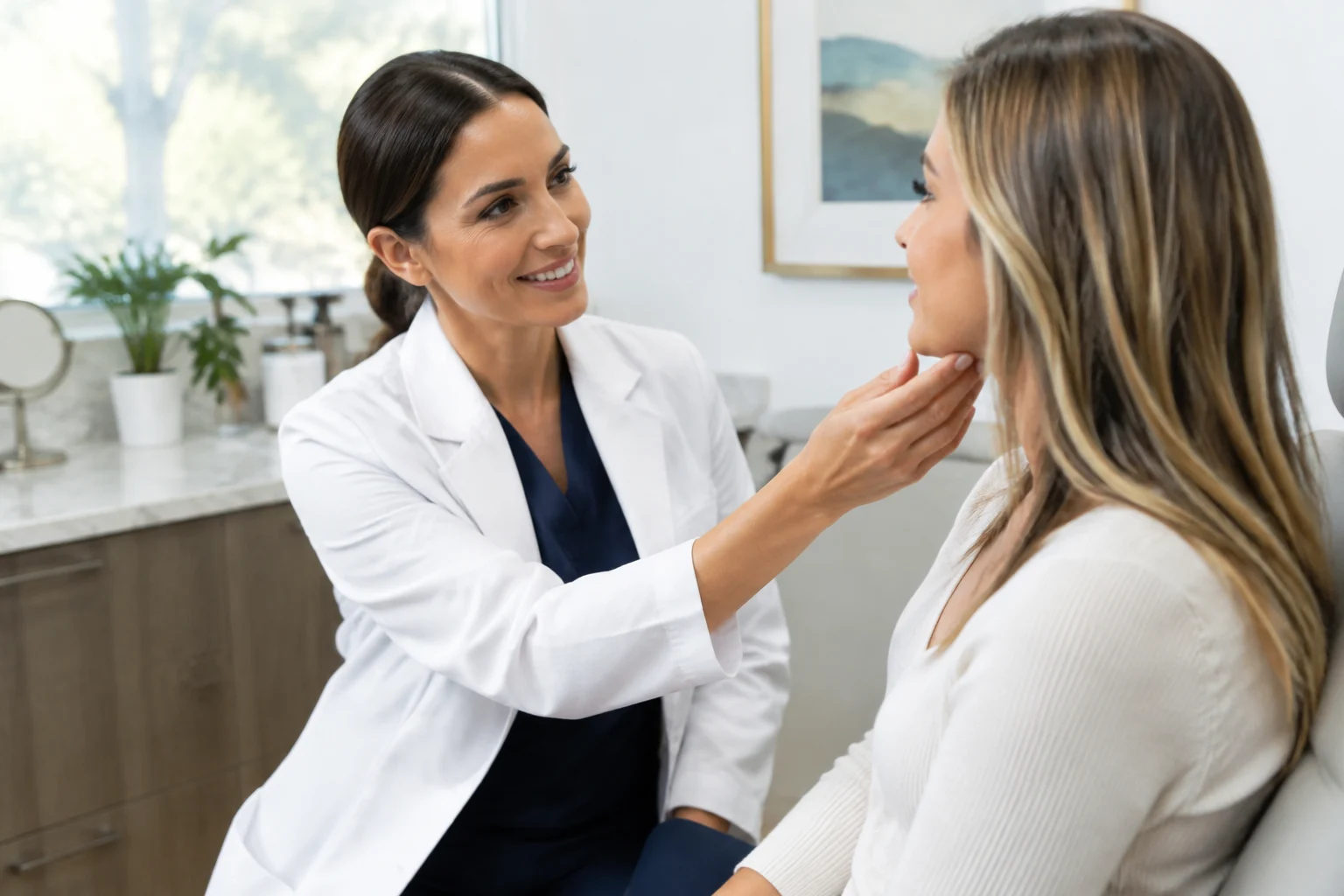
Finding plastic surgery care near University Park
Residents looking for a plastic surgeon in University Park can begin by searching for practices in the community and in neighboring parts of Dallas. A surgeon’s office may be near home, work, or another regular destination, but convenience should be considered alongside qualifications and the quality of the consultation. Search listings can help identify potential providers; verify each practice’s current location and the services it offers directly, since availability can change.
Plastic surgery includes procedures intended to change appearance as well as reconstructive care that may address function or restore areas affected by injury, illness, or a previous procedure. A consultation helps clarify whether a surgeon offers the relevant service and whether it may suit your health, goals, and circumstances. If your concern may be addressed by another type of clinician, ask for guidance or a referral rather than assuming surgery is the only option.
How to compare surgeons and practices
Credentials and relevant experience are important starting points. Ask about board certification specifically in plastic surgery, the surgeon’s experience with the procedure under consideration, and where the procedure would take place. You can also check professional and licensing information through appropriate official sources. A consultation should give you time to ask questions and receive understandable answers without pressure to make an immediate decision.
Consider these practical questions when contacting a practice:
- Does the surgeon perform the procedure or provide the type of reconstructive care I am seeking?
- What benefits, limitations, risks, and alternatives should I understand?
- Who will provide anesthesia, and what are the credentials of the care team?
- Where is the procedure performed, and what accreditation or safety information can the practice provide?
- What follow-up appointments are recommended, and whom should I contact with concerns?
- What is included in the estimated cost, and what payment or insurance arrangements may apply?
Before-and-after images may help you understand a surgeon’s approach, but they cannot predict your individual results. Ask how the images relate to your goals and whether differences in health, anatomy, and healing may affect outcomes. Be cautious of guarantees or pressure to book quickly. A careful provider will discuss uncertainty and make room for an informed decision.
Planning consultations, costs, and recovery
When you contact practices, describe your needs briefly and ask what information to bring. Relevant medical history, a current medication list, and details of prior procedures can help make a consultation more useful. You may want to write down your priorities and questions beforehand, and bring a trusted person if that would help you remember the discussion. Ask whether an initial appointment is in person or may be offered remotely; an online conversation does not necessarily replace an examination or an in-person visit.
Costs and coverage vary by procedure and individual circumstances. Cosmetic procedures are often treated differently from medically necessary reconstructive services, so ask the practice and your insurer how benefits, prior authorization, deductibles, and out-of-pocket costs are handled. Request a written estimate and clarify whether it includes the surgeon, facility, anesthesia, follow-up care, and any other expected charges. Do not rely on a general estimate as a guarantee of final cost or coverage.
Recovery planning matters as much as scheduling the procedure. Ask how much time you may need away from work and usual activities, what support may be needed at home, and whether you should arrange transportation. Follow the care team’s instructions and contact them about symptoms or concerns after treatment. If a practice is outside University Park, consider how you will manage follow-up visits and travel during recovery before choosing a date.
Making a decision that fits your needs
There is no need to select the first provider you contact. Comparing consultations can help you understand different recommendations and feel more confident about the plan. Take time to weigh the expected benefits against risks, recovery demands, and cost. If you feel rushed, do not understand the answers, or are unsure about a recommendation, consider asking further questions or seeking another qualified opinion.
For University Park residents, a practical search can include nearby Dallas-area options while keeping follow-up access in view. Confirm the practice’s location, appointment process, procedure availability, and emergency contact guidance directly. A well-informed choice starts with a qualified surgeon, a transparent discussion, and a care plan that reflects your goals and health.
Plastic Surgery Access for University Park Residents
University Park is a residential community within the Dallas area, so residents may consider providers both in the city and in nearby Dallas neighborhoods when seeking plastic surgery or reconstructive care. The closest option is not automatically the best fit: relevant qualifications, experience with the care you need, clear communication, and an appropriate treatment setting should guide your comparison. Since office locations and services can change, check details directly with each practice before traveling or booking.
Local access also means planning for more than the first appointment. Ask about consultation formats, follow-up schedules, transportation after a procedure, and the support you may need during recovery. If a recommended practice is outside University Park, consider whether you can manage return visits and how you will get home safely after treatment. For questions about insurance or payment, speak with both the practice and your insurer, since coverage depends on the service and your plan. Taking these steps can help residents make a considered choice that balances convenience with safety, personal goals, and continuity of care.
Frequently Asked Questions About Plastic Surgeon in University Park, Texas
How do I choose a plastic surgeon serving University Park?
Look for a surgeon whose training, experience, and approach fit the procedure you are considering. Ask about board certification, how often they perform that procedure, where it would take place, and who provides anesthesia. Review before-and-after photos as examples, not as promises of your result. During a consultation, notice whether the surgeon discusses risks, alternatives, and realistic outcomes, and gives you time to ask questions. Verify credentials independently before making a decision.
What should I expect at a plastic surgery consultation?
A consultation typically includes a discussion of your goals, medical history, medications, and prior procedures, followed by an examination relevant to the treatment. The surgeon should explain possible approaches, expected limitations, risks, recovery, and whether nonsurgical options may be appropriate. Bring questions and a list of medicines or supplements you take. If you are comparing surgeons in or near University Park, consider taking notes so you can assess recommendations and understand what is included in any proposed plan.
Am I a good candidate for cosmetic plastic surgery?
Candidacy depends on your health, the specific procedure, your expectations, and whether you can safely follow pre- and postoperative instructions. A surgeon may ask about chronic conditions, nicotine use, medications, and previous operations; these factors can affect timing or risk. It is also important to have goals that are personal and realistic rather than based on pressure from others. Only an individual evaluation can determine whether surgery is suitable, or whether another option is safer.
How long is recovery after plastic surgery?
Recovery varies substantially by procedure, the extent of surgery, and your individual health. Your surgeon should explain when you can return to desk work, driving, exercise, and other routine activities, as well as how to manage dressings and follow-up visits. Plan for help at home if you may have limited mobility or need someone to accompany you after anesthesia. Before scheduling, ask what symptoms are expected and how to contact the clinical team with concerns.
Does health insurance cover plastic surgery?
Coverage depends on the reason for treatment and the terms of your individual policy. Procedures performed primarily to change appearance are often treated differently from surgery intended to address a medical problem, injury, or functional concern. Do not assume a procedure is covered based on its name alone. Ask the surgeon’s office what documentation may be available, then confirm coverage, authorization requirements, and possible out-of-pocket costs directly with your insurer before proceeding.
What risks should I discuss before plastic surgery?
Every operation has potential risks, which depend on the procedure and your health. Ask about risks such as bleeding, infection, scarring, anesthesia complications, changes in sensation, healing problems, and the possibility of revision, where relevant. Discuss how your medical history, medicines, nicotine use, or supplements may affect safety. Ask what steps are taken to reduce risk, what warning signs need prompt attention, and whom to contact if a concern develops after surgery.
Can I compare surgical and nonsurgical options for my goals?
Yes. The best approach depends on what you want to change, how noticeable or long-lasting a result you seek, your health, and your tolerance for downtime and risk. A consultation can clarify whether surgery, an office-based treatment, or no treatment is appropriate. Ask how options differ in likely results, limitations, maintenance, recovery, and potential complications. A responsible recommendation should explain trade-offs rather than imply that one approach is right for everyone.
When should I schedule plastic surgery if I live in University Park?
Choose timing around your recovery needs, work or school obligations, caregiving responsibilities, and any travel plans. Ask the surgeon how long you should remain nearby for follow-up and when it is safe to travel, since guidance differs by procedure and individual circumstances. You may also need time to arrange transportation after anesthesia and help during early recovery. Avoid setting a date until you understand preparation instructions, medication changes, and the expected limits on activity.