
Plastic Surgeon Questions Answered for Allen Patients
Choosing a plastic surgeon is a personal decision, and Allen residents have practical questions to consider before scheduling a consultation. What procedures does a surgeon perform? What credentials and facility standards should you look for? How much time will recovery require, and what costs may apply? Starting with clear answers can help you compare options and decide whether a procedure fits your goals, health, and schedule. A consultation is an opportunity to discuss these points directly—not a commitment to have surgery.
People in Allen can look for a qualified plastic surgeon in the community or consider providers elsewhere in the wider North Texas area when that better fits their needs. Before booking, confirm the surgeon’s training, experience with the procedure you are considering, and the location where care will be provided. Ask how follow-up visits are arranged and whom to contact with concerns after surgery. These details matter as much as convenience, especially when you are planning time away from work, arranging transportation, or coordinating support at home. The guidance below can help you prepare for an informed conversation and make a careful choice.
What does a plastic surgeon do?
Plastic surgeons provide surgical care for a range of concerns, including cosmetic procedures intended to change or refine appearance and reconstructive procedures that restore form or function after illness, injury, or another medical need. The services offered vary by surgeon. If you are exploring care in Allen, ask whether the surgeon regularly performs the specific procedure you are considering and whether your goals are realistic for your individual health and anatomy.
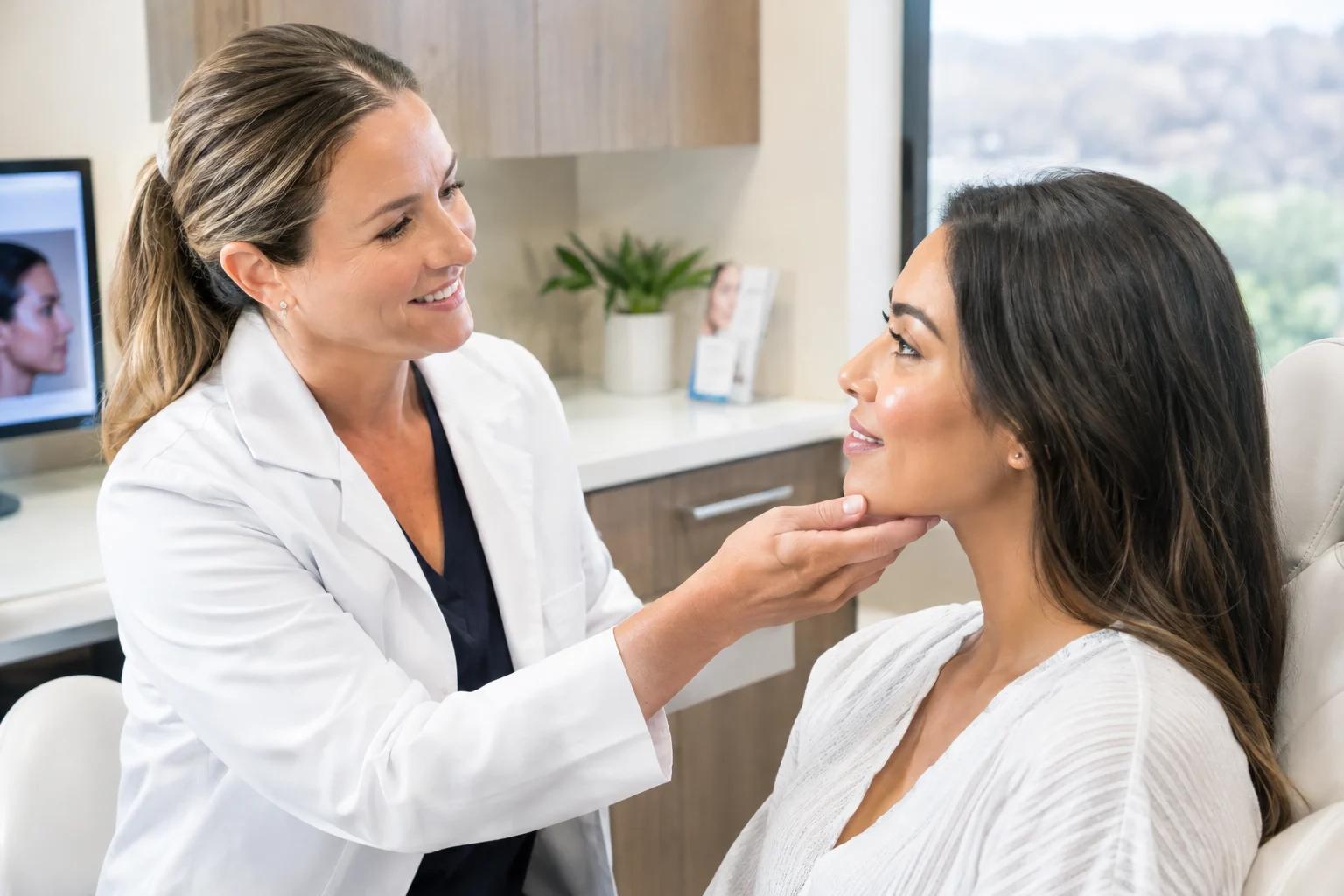
A consultation should include a discussion of your medical history, medications, prior procedures, expectations, possible risks, and alternatives. You should have time to ask questions and receive understandable answers. A responsible surgeon will not promise a particular result or pressure you to decide immediately.
How can Allen residents choose a surgeon?
Begin by checking credentials and the scope of the surgeon’s practice. In Texas, you can use the Texas Medical Board’s public resources to review a physician’s license information and disciplinary history. If a surgeon describes themselves as board-certified in plastic surgery, verify that certification through the American Board of Plastic Surgery. Board certification, experience, and a professional consultation are useful considerations, but no single credential can guarantee an outcome.
Ask where the procedure would take place and whether the facility is appropriately accredited or licensed for the planned care. The surgeon should explain who will provide anesthesia, how safety is managed, and what arrangements are available if a complication occurs. You can also ask how often the surgeon performs the procedure and what follow-up care is included.
- Confirm the surgeon’s Texas license and relevant specialty credentials.
- Ask about procedure-specific experience, risks, alternatives, and expected recovery.
- Learn about the surgical facility, anesthesia team, and after-hours contact process.
- Request a written estimate that explains what is and is not included.
What should you expect at a consultation?
Bring a list of questions, your current medication and supplement information, and details about relevant health conditions or previous surgeries. Be open about your goals and your reasons for considering treatment. The surgeon may discuss whether surgery is appropriate, whether another approach may suit you better, and what limitations or trade-offs to expect.
Before deciding, make sure you understand the proposed procedure, preparation instructions, recovery plan, and follow-up schedule. Ask how long you may need help with daily tasks and when you might be able to return to work, exercise, driving, or other usual activities. Recovery differs by procedure and by person, so use the surgeon’s advice rather than relying on a general timeline. If you feel rushed or your questions remain unanswered, it is reasonable to seek another opinion.
How do cost and recovery affect planning?
Costs depend on the procedure, facility, anesthesia, and individual treatment plan. Ask for an itemized estimate and clarify whether it includes consultations, tests, medications, garments, follow-up visits, or care if a complication occurs. Cosmetic procedures are generally not covered by health insurance, while coverage for reconstructive care depends on the medical circumstances and the terms of a plan. Contact your insurer directly when coverage may apply, and ask the provider about payment policies before making a commitment.
For Allen residents, practical planning can include arranging a responsible adult to help with transportation when required, setting up support at home, and allowing enough time away from work or caregiving responsibilities. Consider the drive to the surgeon and facility, as well as how you will attend follow-up appointments. Ask whether visits can be coordinated around your schedule and what to do if you need help between appointments. Convenience is valuable, but it should not replace careful review of qualifications, safety, and communication.
When should you seek medical advice?
A plastic surgeon consultation is for discussing elective or reconstructive care; it is not a substitute for urgent medical treatment. If you have a sudden or severe health concern, seek appropriate urgent or emergency care. After a procedure, follow the surgeon’s written instructions and use the contact pathway provided for post-operative questions. Before proceeding, make sure you know whom to reach, when to call, and what symptoms require immediate attention.
Comparing qualified providers in Allen and the surrounding area can help you find a practice that fits your clinical needs and practical circumstances. Take time to review information, ask direct questions, and make a decision that reflects your health priorities and informed preferences.
Finding Plastic Surgery Care in Allen
Allen residents may prefer a nearby consultation for easier planning, but the right choice depends on the procedure, the surgeon’s qualifications, and the care setting—not distance alone. You can begin by searching for plastic surgeons serving Allen and then compare credentials, procedure experience, facility information, consultation policies, and follow-up arrangements. If you consider a provider elsewhere in North Texas, account for travel time and how you will return for recommended visits. Do not assume a particular practice or service is available until you confirm it directly.
Local schedules and family responsibilities can shape how people plan treatment. Before choosing a date, consider transportation after surgery, time away from work, and help with meals, childcare, or other daily tasks. Ask the surgeon’s office what preparation and recovery support will be needed for your specific procedure. Clear written instructions and a reliable way to contact the care team can make the process easier to navigate. Residents should also check with their health insurer when reconstructive care may be covered and request a written cost estimate for any planned services.
A careful search helps Allen patients balance convenience with safety and confidence. Verify Texas licensure and any claimed specialty certification through the appropriate official sources, then use the consultation to discuss risks, alternatives, expected results, and recovery. Take enough time to compare options, and proceed only when you understand the plan and feel comfortable with the answers you receive.
Frequently Asked Questions About Plastic Surgeon in Allen, Texas
What should I look for when choosing a plastic surgeon in Allen?
Look for a surgeon whose training and experience fit the procedure you are considering, and ask about their credentials, facility, and approach to patient safety. Review before-and-after photos as examples of their work, while remembering that results vary. During a consultation, make sure the surgeon listens to your goals, explains realistic outcomes and risks, and answers questions without pressure. You can also ask who will provide follow-up care and whom to contact if concerns arise.
What happens during a plastic surgery consultation?
A consultation usually begins with a discussion of your goals, medical history, medications, and previous procedures. The surgeon may examine the area being treated and explain suitable options, expected results, limitations, risks, and recovery. Bring a list of questions and be candid about health conditions, nicotine use, and supplements, since these can affect planning. You should leave understanding the proposed plan and next steps; you do not have to decide on surgery during the appointment.
How can I tell whether I am a good candidate for cosmetic surgery?
Candidacy depends on the procedure, your health, anatomy, goals, and ability to follow recovery instructions. A plastic surgeon can assess these factors and discuss whether surgery, another treatment, or waiting is more appropriate. It is helpful to have specific goals that focus on changes you want for yourself, rather than expecting surgery to resolve unrelated life concerns. Share your full medical history and ask how any chronic conditions or medications may affect your options.
How much does plastic surgery cost, and what should a quote include?
The cost depends on the procedure, its complexity, anesthesia, facility fees, and any related services, so an estimate requires an individualized discussion. Ask for an itemized written quote and clarify what is included, such as preoperative appointments, postoperative visits, garments, or prescription needs. Also ask about payment timing and possible costs if the plan changes or additional treatment is needed. Do not compare quotes on price alone; understand the surgeon’s plan and safety arrangements.
How long is recovery after plastic surgery?
Recovery varies substantially by procedure, individual health, and the type of work performed. Your surgeon should provide instructions about activity, wound care, medications, follow-up, and signs that need prompt attention. Arrange help at home and time away from work or caregiving based on those instructions, rather than relying on someone else’s recovery timeline. Before scheduling, ask when routine activities may resume and whether travel or strenuous exercise should be postponed.
What risks should I discuss before having plastic surgery?
Every operation has potential risks, and the specific concerns depend on the procedure and your health. Ask about complications such as bleeding, infection, anesthesia reactions, scarring, changes in sensation, or a result that differs from your expectations, as relevant to your plan. Discuss how risks may be reduced, what warning signs require urgent attention, and how complications would be managed. Make sure you understand the alternatives, including not having surgery, before giving consent.
Does health insurance cover plastic surgery?
Coverage depends on the reason for treatment, the specific procedure, and your insurance plan. Cosmetic procedures are often treated differently from surgery intended to address a medical or functional concern, but coverage cannot be assumed. Ask your insurer what documentation or prior authorization is required, and ask the surgeon’s office how estimates and billing are handled. Confirm your expected out-of-pocket costs directly with the insurer before scheduling, since benefit rules and coverage decisions vary.
What should I do if I have concerns after surgery?
Follow the postoperative instructions you receive and use the contact process provided by your surgical team for questions or changes in your recovery. Seek urgent medical attention for severe or rapidly worsening symptoms, such as difficulty breathing, chest pain, heavy bleeding, or loss of consciousness. For less urgent concerns, describe what has changed and when it began, and do not alter medications or wound care without guidance. Before surgery, clarify whom to contact after hours and when follow-up visits are planned.