
Plastic Surgeon Questions Answered for Cross Roads Patients
Choosing whether to consult a plastic surgeon is a personal decision, and getting clear information can help you decide what to do next. Cross Roads residents can begin by identifying their goals, learning about the difference between cosmetic and reconstructive procedures, and preparing questions for a qualified surgeon. A consultation is an opportunity to discuss options, expected recovery, possible risks, and whether a procedure is appropriate for your health and circumstances—not a commitment to have surgery.
Finding care may involve looking beyond Cross Roads for a surgeon and an accredited surgical facility that meet your needs. When comparing options, verify the surgeon’s credentials, ask where procedures are performed, and understand what follow-up care will require. If travel is part of the plan, consider how you will get home after surgery and attend later appointments. Taking time to confirm these details can make the process clearer and help you make an informed choice.
What does a plastic surgeon do?
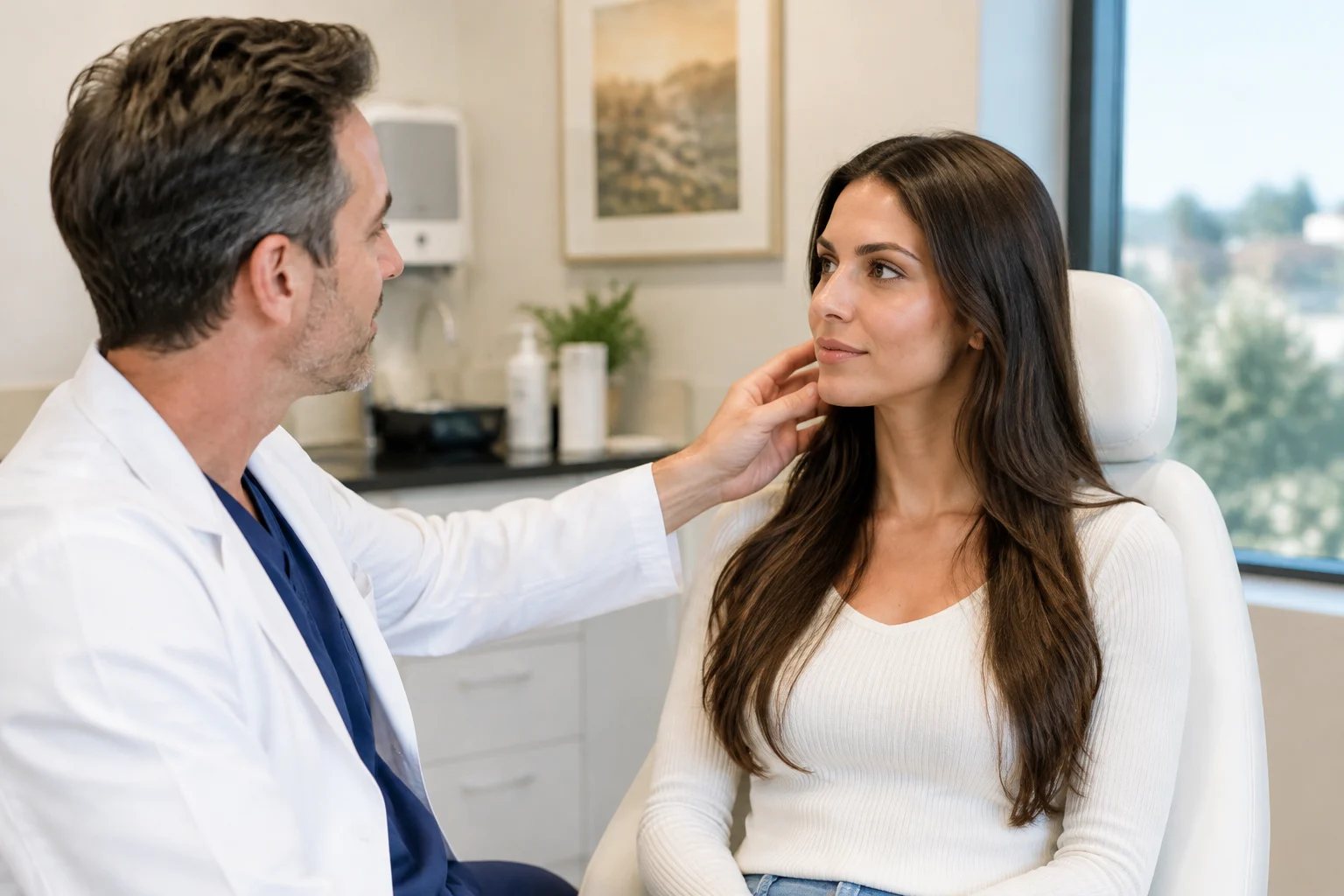
Plastic surgeons provide surgical care that may address appearance, function, or both. Some people seek consultations about elective cosmetic procedures, while others need reconstructive care after an injury, illness, or previous surgery. The appropriate specialist and treatment depend on the individual concern. A consultation can help clarify whether surgery is an option, whether another type of care may be more suitable, and what further evaluation is needed.
Residents of Cross Roads can use an initial consultation to describe their goals and health history, ask about available approaches, and understand the surgeon’s recommendations. A responsible clinician should explain alternatives as well as potential benefits and limitations, without promising a particular result.
How to find and evaluate a surgeon
Start by looking for a surgeon whose training and experience match the procedure or concern you want to discuss. Confirm credentials through reliable professional and licensing resources, and ask specifically about the surgeon’s qualifications for the planned procedure. Professional memberships can be useful context, but they do not replace checking a surgeon’s education, board certification, and current license.
Ask where the procedure would take place and how that facility is credentialed or accredited. Find out who will provide anesthesia, who to contact with concerns, and what arrangements are in place for unexpected complications. A clear explanation of these points helps you assess the care setting as well as the surgeon.
When comparing practices that serve Cross Roads and the surrounding area, consider practical access alongside clinical qualifications. You may need to travel for an appointment or procedure, so check the expected visit schedule and whether follow-up can be handled locally or requires returning to the surgical team. Do not assume that every consultation, procedure, or follow-up service is available in Cross Roads; confirm the details directly with the practice.
Questions to bring to a consultation
Write down your priorities and questions before your visit. Share relevant medical conditions, medications, allergies, prior procedures, and tobacco or nicotine use. Be candid about your expectations and recovery support. Useful questions include:
- What options could address my concern, including nonsurgical alternatives?
- What results are realistic for my situation, and what factors could affect them?
- What are the common risks and possible complications?
- Where would the procedure take place, and who would provide anesthesia?
- How long might recovery take, and what restrictions or assistance should I plan for?
- What follow-up visits are needed, and whom should I contact after hours?
- What costs may be involved, and what does the estimate include?
You should have time to consider the answers and seek another opinion if you wish. Be cautious of pressure to book quickly, unclear pricing, or guarantees of results. A trustworthy consultation should give you understandable information and allow you to make a decision at your own pace.
Planning for surgery and recovery
If you decide to proceed, follow the surgeon’s instructions before and after the procedure. Ask which medications or supplements need review, when to stop eating or drinking if instructed, and what signs after surgery require prompt attention. Do not change prescribed medication without guidance from the clinician responsible for your care.
Plan transportation and support before the procedure. Depending on anesthesia and the operation, you may not be able to drive yourself home, and you may need someone to stay with you or help with daily tasks during early recovery. For Cross Roads patients traveling to a regional practice or facility, confirm the timing of appointments, the route and transportation plan, and how to reach the care team once you are home. Keep written instructions and emergency contact information accessible.
Insurance, costs, and care options
Coverage depends on the reason for treatment and the terms of a particular health plan. Many elective cosmetic procedures are not covered, while some reconstructive care may qualify when medical criteria are met. Ask the surgeon’s office and your insurer about coverage, referrals, prior authorization, facility fees, anesthesia, and likely out-of-pocket costs before scheduling. Request an explanation of what is included in any estimate.
Whether your concern is cosmetic or reconstructive, the goal is to find appropriate care and make a well-informed decision. Cross Roads residents can compare qualified providers, ask direct questions, and plan for travel and recovery before committing to treatment. For sudden or urgent medical symptoms, seek immediate medical attention rather than waiting for a routine plastic surgery consultation.
Plastic Surgery Care for Cross Roads Residents
Cross Roads residents considering plastic surgery can begin by discussing their goals with a qualified surgeon, even if the appropriate consultation or procedure is located outside town. Availability varies, so contact practices directly to confirm which services they offer, where consultations take place, and whether they accept new patients. A primary care clinician may also help with medical history, referrals, or questions about whether a concern should first be assessed by another specialist.
Because care may involve travel within the region, it helps to think beyond the first appointment. Ask how many visits are usually needed, whether preoperative evaluations can be coordinated conveniently, and where postoperative checks will occur. If surgery is planned, arrange a responsible ride home and any assistance recommended by the surgical team. Confirm how to reach the team if a question arises after you return to Cross Roads, and know what symptoms require urgent attention.
The right choice depends on your health, goals, budget, and comfort with the proposed plan—not simply proximity. Compare credentials, facility information, communication, follow-up arrangements, and a clear discussion of risks and alternatives. Taking these steps can help Cross Roads patients approach cosmetic or reconstructive care thoughtfully and choose an option that fits their needs.
Frequently Asked Questions About Plastic Surgeon in Cross Roads, Texas
How can I evaluate a plastic surgeon before scheduling a consultation?
Review the surgeon’s training, experience with the procedure you are considering, and professional credentials using reliable sources. Ask who will perform each part of your care, where surgery would take place, and what follow-up is included. During a consultation, notice whether the surgeon listens, explains risks in plain language, and discusses alternatives rather than promising a particular result. Cross Roads residents can compare consultations before deciding; choosing someone you trust is an important part of planning.
What should I expect during a plastic surgery consultation?
A consultation usually begins with a discussion of your goals, health history, medications, prior procedures, and concerns. The surgeon may examine the relevant area and explain suitable options, limitations, risks, recovery, and expected costs. Bring questions and a list of medications, and be candid about your medical history. You should have time to consider the information and ask follow-up questions. A consultation is a planning conversation, not a commitment to proceed with surgery.
Is plastic surgery considered cosmetic or reconstructive, and does insurance cover it?
Cosmetic surgery is generally chosen to change appearance, while reconstructive surgery addresses concerns such as restoring form or function after illness, injury, or a congenital condition. Coverage depends on the procedure, medical circumstances, and the terms of your insurance plan; it should not be assumed. Ask the surgeon’s office for written cost details and, when relevant, documentation for your insurer. Contact your insurer directly to confirm coverage, authorization requirements, and any out-of-pocket expenses.
How do I know which plastic surgery procedure is right for me?
Start by identifying what bothers you and what change you hope to achieve, then discuss those goals with a qualified surgeon. The appropriate option depends on your anatomy, health, expectations, and tolerance for recovery and risk. A surgeon may recommend a different approach—or advise against surgery—if it better fits your situation. Ask about nonsurgical alternatives, likely limitations, and whether more than one procedure is being proposed. Avoid choosing based only on photographs or trends.
How should I plan for recovery if I live in or near Cross Roads?
Recovery needs vary by procedure and by individual. Before scheduling, ask how much help you may need, when you can drive, return to work, exercise, and manage household tasks, and what follow-up visits are recommended. Arrange a responsible adult to help after anesthesia if instructed, and plan transportation rather than assuming you can drive yourself. Discuss how to contact the care team with concerns and what to do if symptoms change after you return home.
What safety questions should I ask about anesthesia and surgery?
Ask what type of anesthesia is planned, who will administer it, and what preoperative assessment is needed. Discuss allergies, medical conditions, tobacco or nicotine use, supplements, and all medications, since these can affect surgical planning. Ask about the surgical setting, possible complications, infection prevention, and the steps taken if an emergency occurs. Follow instructions about eating, drinking, and medication changes only after receiving them from your care team; do not adjust prescriptions on your own.
How are plastic surgery costs determined, and what should a written estimate include?
Costs depend on the procedure and the care involved, so request an itemized estimate for your specific plan rather than relying on a general figure. Ask whether the estimate includes the surgeon, anesthesia, facility, tests, garments, medications, and follow-up care, and whether additional treatment could create separate charges. Confirm payment and cancellation policies in writing. If insurance might apply to reconstructive care, verify benefits and authorization directly with your insurer before making financial decisions.
Will plastic surgery leave scars, and how can I set realistic expectations?
Any incision can leave a scar, but its appearance depends on the procedure, incision placement, healing, skin characteristics, and aftercare. Ask where scars are expected, how they may change over time, and which care measures are appropriate for you. Results can also vary, and surgery cannot guarantee a particular appearance or perfect symmetry. Reviewing relevant examples and discussing what matters most to you can help clarify likely outcomes, limitations, and whether the benefits are worth the risks.