
Plastic Surgeon Serving Heath, Texas
A consultation is an opportunity to discuss goals, medical history, possible approaches, expected recovery, risks, and costs before deciding whether to proceed. The right plan depends on each person’s health and priorities, so an evaluation should be individualized rather than based on a procedure’s popularity or a promised result.
When comparing providers, look for clear information about the surgeon’s training, credentials, experience with the procedure you are considering, and the setting where care is provided. Ask who will manage follow-up and whom to contact with questions during recovery. Since a surgeon’s office may be outside Heath, confirm the appointment location, available consultation options, and travel arrangements before booking. Taking time to understand these details can help you make a considered choice and plan care around work, family responsibilities, and recovery at home.
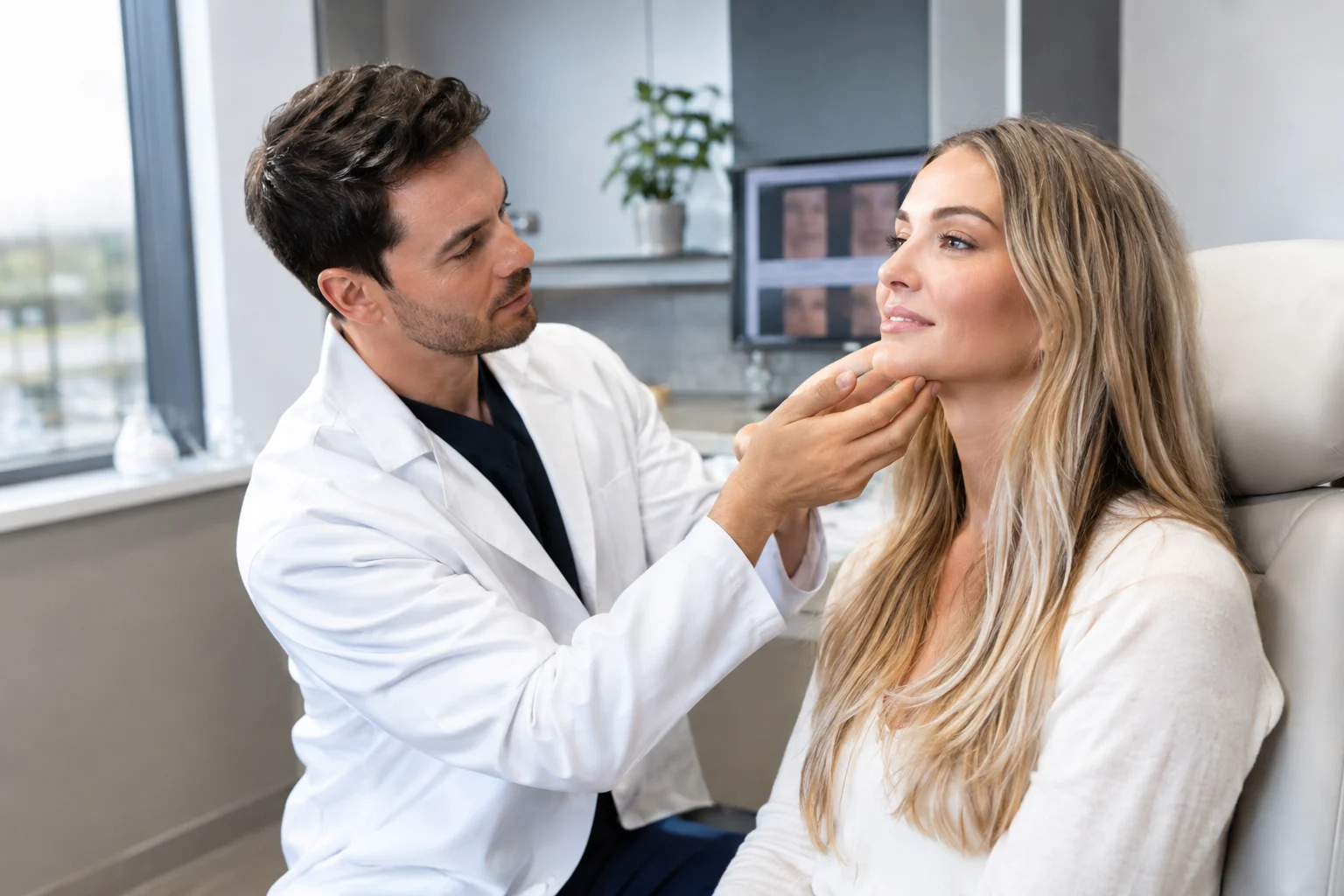
Finding plastic surgery care near Heath
People in Heath can explore plastic surgery by contacting practices that serve Heath and the surrounding communities. Start with the service you are seeking, such as a consultation about facial, breast, or body procedures, reconstructive care, or nonsurgical treatments. Not every practice offers every service, and recommendations should be based on an in-person assessment when appropriate. Ask whether the surgeon personally evaluates patients and performs the procedure, and how care is coordinated before and after treatment.
Because providers may practice in nearby communities rather than within Heath itself, check the office location and travel time before scheduling. Ask whether an initial discussion can take place by phone or video, and whether an in-person examination is needed before a treatment plan can be made. A remote conversation can help you understand the process, but it may not replace an examination or a formal consultation. Confirm which visits must be in person and where procedures and follow-up appointments take place.
What to look for when choosing a surgeon
Choosing a plastic surgeon involves more than comparing photographs or fees. Review the surgeon’s education, relevant specialty training, professional credentials, and experience with the procedure you are considering. You can ask how often the surgeon performs that procedure, what outcomes are realistic for your situation, and what alternatives may be appropriate. Request a clear explanation of potential complications as well as expected benefits, and take time to consider the answers.
- Confirm the surgeon’s qualifications and experience with your requested procedure.
- Ask where surgery would be performed and how the facility’s safety and accreditation can be verified.
- Understand who provides anesthesia, monitors your care, and handles follow-up.
- Request a written estimate that explains what is included and what may cost extra.
- Ask how to reach the care team with questions before and after treatment.
A trustworthy consultation should allow time for questions and should not pressure you to make an immediate decision. Be cautious of guarantees, unusually low prices without a clear explanation, or recommendations that do not account for your health and goals. Before-and-after images may help you discuss possibilities, but they cannot predict an individual result.
Plan for consultation, costs, and recovery
Before your appointment, write down what you hope to change or address, relevant medical conditions, medications and supplements, allergies, prior procedures, and questions about recovery. The surgeon may ask about your health and examine the area being discussed. You should receive information about the proposed treatment, expected healing, risks, alternatives, and any preparation or follow-up requirements. If you feel uncertain, you can ask for time to review the information or seek another professional opinion.
Costs depend on the procedure, facility, anesthesia, and individual treatment plan. Ask for an itemized estimate and clarify payment timing, cancellation terms, and whether follow-up care is included. Cosmetic procedures are often not covered by health insurance, while coverage for reconstructive care depends on the circumstances and the terms of a particular plan. Contact your insurer directly to confirm benefits and any authorization requirements rather than assuming coverage.
Recovery planning matters, especially when traveling to and from an appointment or procedure. Ask how long you may need to limit activity, whether someone must accompany you, and when you can return to driving, work, exercise, or caregiving. Follow the surgeon’s instructions and arrange support at home if recommended. Do not make travel or recovery plans based on a general estimate alone; your care team can explain what is appropriate for your procedure and health.
A thoughtful approach to care
Accessing plastic surgery from Heath can be a straightforward process when you confirm where care is provided, understand the surgeon’s qualifications, and plan for each stage of treatment. Begin with a consultation, compare relevant information, and choose a provider who communicates openly about benefits, limits, risks, and costs. A careful decision can help you feel informed and prepared, whether you decide to proceed, explore another option, or wait.
Plastic Surgery Options for Heath Residents
Heath is a community in Rockwall County on the eastern side of the Dallas–Fort Worth area, near Lake Ray Hubbard. Residents looking for plastic surgery may consider providers in Heath as well as practices in nearby communities, depending on the procedure, the surgeon’s experience, and where consultations and treatment are offered. Since services and office locations vary, confirm those details directly with each practice rather than assuming care is available at a particular address.
For many people, choosing care locally or within a practical driving distance can make consultations and follow-up visits easier to coordinate with work and family routines. Still, convenience should be weighed alongside qualifications, communication, facility information, and a realistic recovery plan. Before booking, ask how many visits may be needed, whether any appointments can be handled remotely, and whether you will need a companion for travel after a procedure. These questions help you understand the full commitment, not just the initial appointment.
Heath residents can use a consultation to discuss personal goals and receive recommendations based on their health and circumstances. A qualified surgeon should explain potential benefits, risks, alternatives, expected costs, and recovery needs without promising a particular outcome. Taking time to compare providers and ask direct questions can help people in Heath make informed decisions about plastic surgery and find an approach that fits their needs.
Frequently Asked Questions About Plastic Surgeon in Heath, Texas
What should I expect at a plastic surgery consultation?
A consultation is a chance to explain what you hope to change, discuss your health history, and learn which options may be appropriate. The surgeon should assess your concerns, describe potential benefits and risks, and explain recovery and follow-up care. Bring a list of medications, prior procedures, and questions. For patients in Heath, asking who will perform each part of treatment and how concerns are handled after a procedure can help you make an informed decision.
How can I choose a plastic surgeon serving Heath?
Look for a surgeon whose training and experience match the procedure you are considering. Confirm credentials through reliable sources, such as the relevant medical board and specialty-certification organizations, and ask how often the surgeon performs that procedure. Review before-and-after images as examples, not promises of your own outcome. During a consultation, notice whether the surgeon discusses risks, alternatives, and realistic expectations clearly, and whether you feel comfortable asking questions.
What is the difference between cosmetic and reconstructive plastic surgery?
Cosmetic surgery is generally chosen to change or refine appearance, while reconstructive surgery is intended to restore form or function after circumstances such as injury, illness, or a congenital difference. Some procedures can have both goals. The appropriate approach depends on your needs, health, and treatment plan. A plastic surgeon can explain which category applies, what alternatives may exist, and whether insurance might consider the procedure medically necessary; coverage decisions depend on the individual plan.
How do I know whether I am a good candidate for plastic surgery?
Candidacy depends on your health, the specific procedure, your reasons for considering it, and your expectations. A surgeon may review medical conditions, medications, nicotine use, prior operations, and plans that could affect healing. It is important to understand that surgery has risks and may not achieve an exact appearance. A consultation can help determine whether surgery, a nonsurgical option, or waiting is more suitable. Share your full health history rather than withholding information.
How should I plan for recovery after plastic surgery?
Recovery varies by procedure and by individual, so ask your surgeon for instructions tailored to your treatment. Before surgery, clarify restrictions on driving, lifting, work, exercise, bathing, and medication, and arrange help at home if needed. Follow wound-care directions and attend scheduled follow-up visits. Ask which symptoms are expected and which require prompt medical attention. If you live in Heath, consider your travel and support arrangements without assuming you will be able to resume normal activities quickly.
Does health insurance cover plastic surgery?
Coverage depends on the reason for surgery, the specific procedure, your policy, and any required documentation or approval. Procedures performed solely to change appearance are often treated differently from those intended to address a medical or reconstructive need, but coverage cannot be assumed. Contact your insurer and ask the surgeon’s office what documentation they can provide. Before committing, request an explanation of professional, facility, anesthesia, and follow-up charges, and confirm which costs are your responsibility.
What should I ask about anesthesia and surgical safety?
Ask what type of anesthesia is planned, who will administer it, where the procedure will take place, and how your health will be monitored. Discuss allergies, prior anesthesia experiences, medications, and any conditions that could affect safety. Ask what preparation and fasting instructions apply, what risks are relevant to you, and how complications are managed. The surgeon should explain the plan in terms you understand and give you a way to raise concerns before proceeding.
Will plastic surgery results look natural, and will there be scars?
No surgeon can guarantee a particular appearance, because results depend on anatomy, healing, the procedure, and individual preferences. Incisions usually leave scars, though their location and visibility vary; scars can change over time and may remain noticeable. Discuss what outcome is realistic for you, where incisions would be placed, and how to care for them. Reviewing similar cases may help you understand possibilities, but photographs cannot predict your personal result. Ask about revision risks and follow-up.