
Plastic Surgeon Serving New Hope, Texas
Choosing plastic surgery is a personal decision, and finding the right care starts with clear information and a conversation with a qualified surgeon. Residents of New Hope can explore plastic surgery services by contacting providers that serve the area and asking about consultation options, procedures, credentials, and follow-up care. Depending on the practice, care may include cosmetic procedures, reconstructive surgery, or guidance on whether a particular treatment is appropriate. Services and availability vary, so confirm details directly with the provider before making plans.
A consultation gives you time to discuss your goals, health history, expected results, risks, recovery, and costs without pressure to proceed. If care is provided outside New Hope, ask about travel, appointment timing, and how post-operative questions or visits are handled. Taking these practical steps can help you compare options, plan responsibly, and make an informed decision that reflects your needs and priorities.
Plastic surgery options for New Hope residents
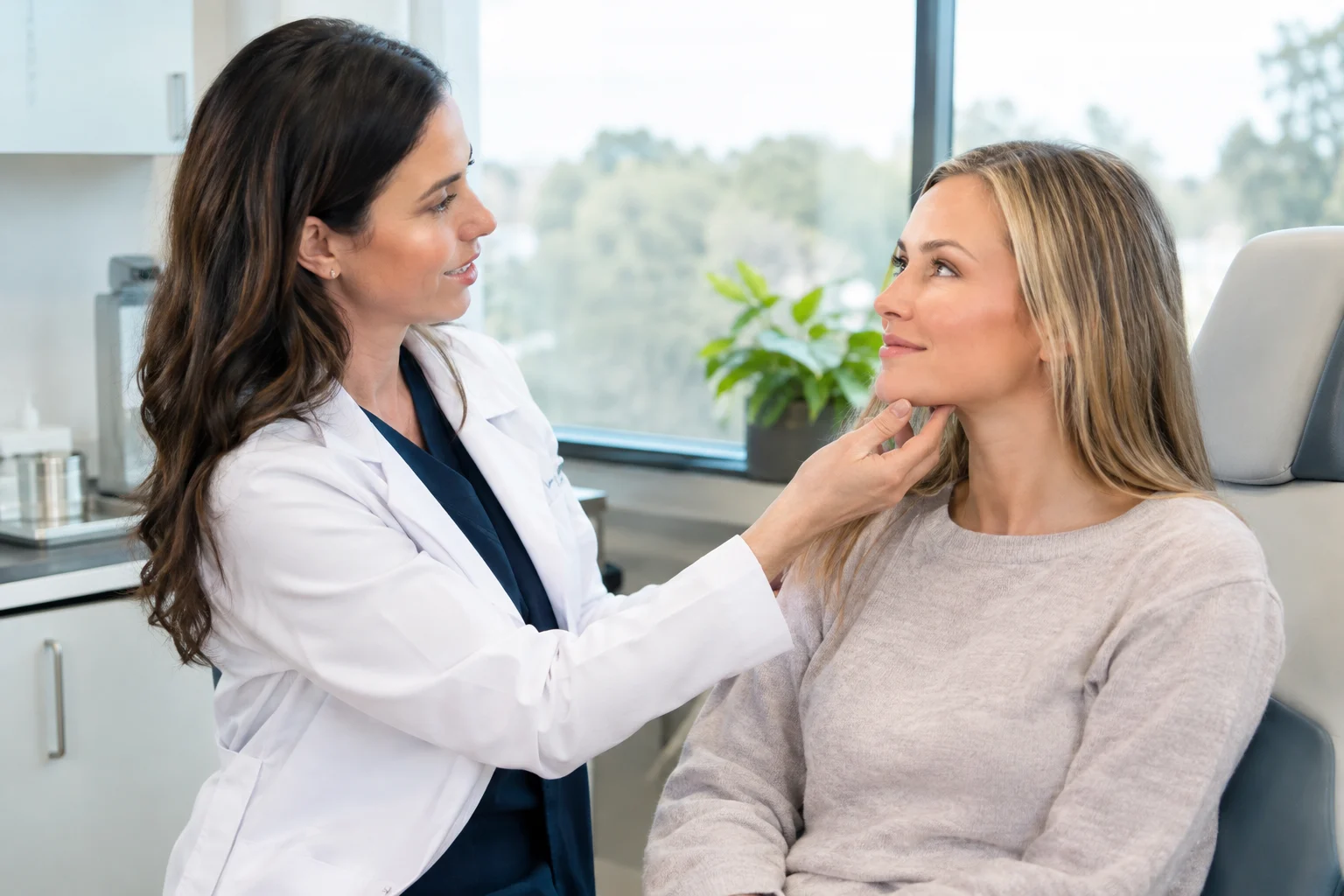
People considering plastic surgery in New Hope, Texas, can begin by identifying the kind of care they are seeking. Plastic surgery includes both cosmetic procedures intended to change appearance and reconstructive procedures that may address form or function after injury, illness, or another medical need. A surgeon can explain which services are offered, whether a procedure may suit your goals, and what alternatives may be worth considering. Not every practice provides every procedure, and an initial conversation does not obligate you to have treatment.
Because access and appointment arrangements differ among providers, contact the office directly to confirm whether it serves New Hope residents, where consultations and procedures take place, and whether an in-person or virtual introductory appointment is available. For any procedure requiring in-person care, clarify the location and expected schedule before booking transportation or time away from work and family responsibilities.
How to choose a plastic surgeon
Credentials, experience, communication, and safety practices all matter when evaluating a surgeon. Check the surgeon’s training and board certification through reliable professional or certification resources, and ask which clinician will perform each part of your care. Board certification should be verified rather than assumed from advertising. During a consultation, the surgeon should review your medical history, explain realistic outcomes, and give you a meaningful opportunity to ask questions.
Consider asking:
- Is the surgeon appropriately trained and certified for the procedure I am considering?
- How often does the surgeon perform this procedure, and what results are realistic for my situation?
- Where will the procedure take place, and what safety standards and anesthesia arrangements apply?
- What are the possible complications, recovery requirements, and signs that need prompt medical attention?
- Who should I contact after treatment, and how are follow-up appointments arranged?
- What is included in the quoted cost, and what payment or insurance information should I understand?
Take time to review written information and consider a second opinion if you are uncertain. Be cautious of pressure to make a quick decision or promises of guaranteed results. A responsible provider will discuss benefits alongside limitations and risks.
Planning appointments and recovery
For New Hope residents, practical planning is part of accessing care, especially when an appointment or procedure is outside the immediate community. Ask the office how many visits are usually needed, whether any evaluations must happen in person, and how follow-up is handled if you live farther away. Procedures may require someone else to drive you home or stay with you during part of recovery. Follow the care team’s instructions and arrange support before treatment rather than relying on last-minute plans.
Recovery varies according to the procedure and the individual. Before deciding, ask how much time you may need away from work, driving, exercise, or caregiving responsibilities. Make sure you understand medication instructions, activity limits, wound care, and whom to call with concerns. A provider should explain what is expected during recovery and how urgent symptoms are handled. For a medical emergency, seek emergency care rather than waiting for a routine office response.
Understanding costs and coverage
Cosmetic procedures are often paid for directly, while coverage for reconstructive care depends on the medical circumstances and the terms of a health plan. Do not assume a procedure is covered. Ask the provider and insurer about eligibility, required documentation, authorization, deductibles, and any costs that may be billed separately. Request a written estimate that explains what is and is not included, such as surgeon, facility, anesthesia, testing, and follow-up fees. Clear financial information helps you compare options and avoid surprises.
Start with a thoughtful consultation
A good first step is to write down your goals, questions, relevant health conditions, medications, and previous procedures. Bring this information to a consultation and share it openly; it helps the surgeon assess safety and discuss suitable options. You should leave with a clearer understanding of the proposed care, alternatives, risks, expected recovery, and next steps. If you need more time, it is reasonable to pause and think before scheduling.
By confirming local service availability, checking qualifications, and planning for travel and recovery, New Hope residents can approach plastic surgery decisions with greater confidence. The right provider will make space for informed questions and individualized guidance rather than treating a procedure as a one-size-fits-all choice.
Plastic Surgery Access for New Hope Residents
New Hope residents may need to look beyond the immediate community to find a plastic surgeon whose services match their needs. When contacting a practice, ask whether it accepts patients from New Hope, where consultations and procedures are performed, and how ongoing care is coordinated. These details can help you understand the time and travel involved before committing to an appointment. Availability, procedure offerings, and scheduling vary by provider, so confirm them directly rather than relying on general listings.
For people balancing work, family, and other responsibilities, planning ahead can make care easier to manage. Ask how many visits are expected, whether follow-up can be arranged conveniently, and what support you will need during recovery. If a procedure involves anesthesia or limits driving, confirm who must accompany you and how long assistance may be needed. A qualified plastic surgeon can help you weigh expected benefits against risks, review alternatives, and make a plan based on your health and goals. Taking time to compare credentials, communication, safety practices, and transparent cost information helps residents make considered choices about cosmetic or reconstructive care.
Frequently Asked Questions About Plastic Surgeon in New Hope, Texas
What should I discuss during a plastic surgery consultation in New Hope?
Use the consultation to explain what you hope to change, what matters most to you, and any concerns about surgery or recovery. Ask which procedure, if any, fits your goals, what alternatives are available, and what limitations to expect. Share your medical history, medications, allergies, and prior procedures. You can also ask who will provide care, where surgery would take place, what follow-up involves, and how to reach the care team with questions.
How can I tell whether I’m a good candidate for cosmetic plastic surgery?
Candidacy depends on the procedure, your health, anatomy, expectations, and ability to follow recovery instructions. A plastic surgeon should review your medical history and examine the area before recommending treatment; an online description cannot determine whether surgery is appropriate for you. Be prepared to discuss smoking or nicotine use, medications, chronic conditions, and future plans that could affect results. If surgery is not advisable, ask about nonsurgical options or whether postponing care would be safer.
What kinds of procedures can a plastic surgeon help with?
Plastic surgeons may provide cosmetic procedures intended to change appearance, reconstructive procedures to restore form or function, or both, depending on their training and practice. Common areas of discussion include the face, breasts, body, skin, and post-injury or post-treatment reconstruction. Services vary by clinician, so ask directly whether the procedure you are considering is offered and how often it is performed. A consultation should also cover alternatives, likely limitations, risks, and whether another specialist is better suited to your needs.
How should I compare plastic surgeons before choosing one?
Compare clinicians by reviewing their relevant training, credentials, experience with the specific procedure, and approach to patient safety—not just photographs or marketing. Confirm credentials through appropriate professional or certifying organizations, and ask what facility would be used and who would provide anesthesia. During a consultation, notice whether your questions are answered clearly and whether risks and alternatives are discussed without pressure. If you are unsure, it is reasonable to seek another qualified opinion before deciding.
What should I expect during recovery after plastic surgery?
Recovery differs substantially by procedure and by individual. Before scheduling, ask for a written plan describing expected discomfort, activity restrictions, wound care, medication instructions, follow-up visits, and signs that require prompt medical attention. Arrange help at home if you may have limited mobility or cannot drive, and ask when it may be safe to return to work, exercise, or travel. Do not rely on a general timeline; follow the instructions provided for your specific operation.
How can I understand the total cost of plastic surgery?
Request an itemized estimate before committing, and ask what it includes, such as the surgeon’s fee, facility, anesthesia, testing, garments, medications, and follow-up care. Costs depend on the procedure and individual treatment plan, so a general figure may not reflect your situation. Clarify payment timing, financing terms if offered, and what happens financially if plans change or additional care is needed. Insurance coverage may differ for reconstructive and elective cosmetic procedures; check directly with the insurer and provider.
What safety questions should I ask before having plastic surgery?
Ask where the operation will be performed, what type of anesthesia is planned, who will administer it, and how emergencies are handled. Discuss your personal risks, including how health conditions, medications, nicotine use, or previous surgeries may affect safety. Find out what preoperative evaluation is needed and what symptoms after surgery require urgent care. A careful discussion should include risks as well as benefits, and you should have time to consider the information before making a decision.
Is plastic surgery only for cosmetic concerns, or can it be reconstructive?
Plastic surgery includes both cosmetic and reconstructive care. Cosmetic procedures focus on changing appearance, while reconstructive procedures may address differences or damage related to injury, illness, birth conditions, or prior treatment. The appropriate clinician and care pathway depend on the problem and your goals. If you are seeking reconstruction, ask whether the surgeon treats your particular concern, whether other specialists should be involved, and whether insurance may review coverage. Confirm coverage and authorization requirements with your insurer before proceeding.