
Plastic Surgeon Treatment Information for Little Elm
Residents considering plastic surgery can begin by identifying the treatment they need, learning what a qualified surgeon can offer, and arranging a consultation that fits their schedule. Plastic surgery includes elective cosmetic procedures as well as reconstructive care after injury, illness, or another medical need. The right options depend on a person’s health, goals, and medical history, so an in-person evaluation is an important first step rather than a promise of a particular result.
Little Elm residents can search for plastic surgeons serving the town and the wider North Texas area. When comparing practices, check the surgeon’s training and board certification, ask where procedures are performed, and confirm how follow-up care is handled. A provider may be based outside Little Elm, so consider travel time for consultations and recovery visits before choosing. Contact the practice directly to ask about availability, referrals, costs, and whether the specific treatment is offered. Clear information helps you make a considered choice without rushing into surgery.
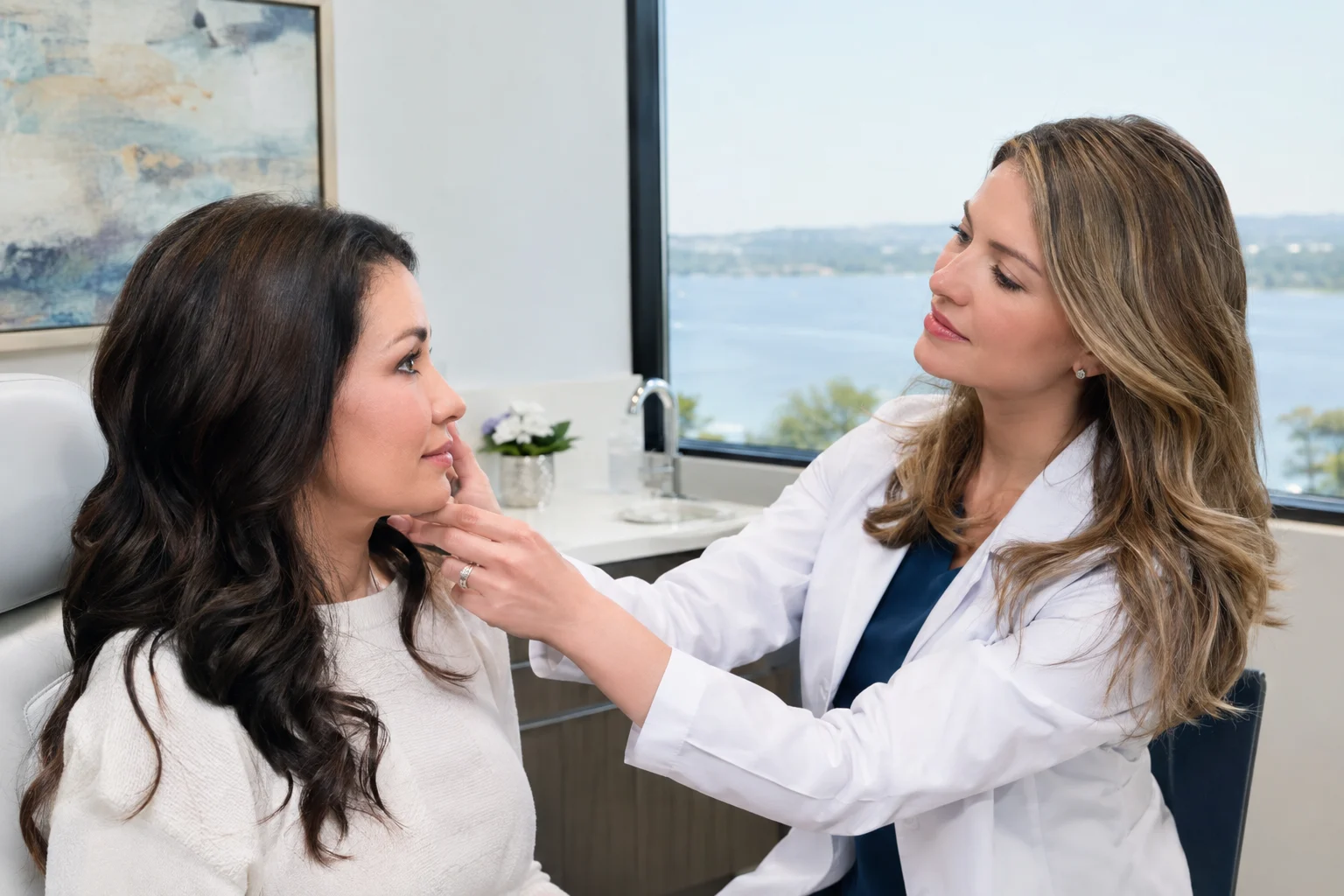
Finding plastic surgery care near Little Elm
There may be several ways to access plastic surgery care as a Little Elm resident. Start with your primary care clinician if you have a medical condition, take prescription medication, or are exploring reconstructive treatment. They can help clarify your needs and, when appropriate, provide a referral. For elective cosmetic care, you can contact a plastic surgery practice directly and ask whether the surgeon evaluates patients from Little Elm. Practices serving the wider North Texas region may be an option when a suitable provider is not close to home.
Use an initial phone call to confirm the service you are seeking, the location of consultations and procedures, and whether the practice is accepting new patients. Ask about the expected number of visits, how post-operative check-ins are arranged, and whom to contact with questions after a procedure. These details are particularly important if you will need someone to drive you or help at home during early recovery.
Choosing a qualified plastic surgeon
Look into a surgeon’s education, specialty training, experience with the procedure you are considering, and board certification. In the United States, you can check whether a surgeon is certified by the American Board of Plastic Surgery and use the Texas Medical Board’s resources to review physician information and licensing. Board certification is one useful credential to verify, but it does not replace a personal consultation or careful review of your options.
During a consultation, explain what you hope to change or restore and share relevant medical history, medications, allergies, and prior procedures. Ask the surgeon to describe potential benefits, limitations, risks, alternatives, recovery expectations, and the possibility that results may differ from your expectations. You should have time to ask questions and should not feel pressured to make a decision or schedule treatment immediately.
- Ask who will perform each part of the procedure and where it will take place.
- Confirm that the surgical facility is appropriately accredited or licensed for the care provided.
- Discuss anesthesia, expected discomfort, recovery time, and when normal activities may resume.
- Ask how complications are handled and how to reach the care team after hours.
- Request a written estimate that explains professional, facility, anesthesia, and follow-up fees.
Cosmetic and reconstructive treatment options
Plastic surgeons may provide consultations for a range of procedures. Cosmetic services can include facial, breast, and body procedures, while reconstructive care may address changes following an injury, surgery, illness, or congenital condition. Not every surgeon provides every treatment, and a procedure that is appropriate for one person may not be suitable for another. Ask the practice to confirm that the surgeon regularly evaluates the specific concern you have.
For elective surgery, a thorough review of general health and personal goals helps the surgeon assess whether treatment is appropriate. Be open about smoking or nicotine use, supplements, medications, and health conditions, since these can affect surgical planning and healing. If surgery is not the best choice, a clinician can discuss other options or recommend further evaluation. Avoid choosing a provider based only on photographs, promotions, or the lowest quoted price; safety, qualifications, and accessible follow-up matter.
Planning appointments and recovery from Little Elm
Before booking, consider how you will travel to appointments and return home after a procedure. Depending on the treatment and anesthesia, you may need a responsible adult to accompany you and remain available afterward. Ask how many visits are typically planned and whether any follow-up can be completed remotely when clinically appropriate. Do not assume that virtual care can replace an examination or in-person post-operative visit when one is needed.
Review insurance coverage before treatment. Reconstructive procedures may be handled differently from elective cosmetic surgery, and coverage depends on the plan, medical circumstances, and prior authorization requirements. Contact both the insurer and the practice to clarify benefits, out-of-pocket costs, and documentation needs. If you are paying directly, ask for the full cost in writing and understand the practice’s policies for deposits, cancellations, and unexpected care.
After treatment, follow the surgeon’s instructions and keep scheduled follow-up appointments. Contact the care team promptly if you have concerns about healing. For severe symptoms or an immediate medical emergency, call 911 or go to the nearest emergency department. Thoughtful planning, credential checks, and clear communication can help Little Elm residents approach plastic surgery care with realistic expectations and a stronger understanding of the process.
Plastic surgery options for Little Elm residents
Little Elm is a North Texas community near Lewisville Lake, and residents may look for health services both in town and across the broader region. For plastic surgery, that can mean comparing providers based on qualifications, the treatment offered, appointment availability, and how manageable travel will be for consultations and recovery visits. Do not assume a practice is located in Little Elm; confirm its location and service area directly before scheduling.
The service can meet different needs, from considering an elective cosmetic procedure to seeking reconstructive care after a medical event. A consultation gives you the chance to discuss goals, health factors, alternatives, risks, and likely recovery needs with a qualified surgeon. Residents can make the process more convenient by asking about visit schedules, transportation after surgery, follow-up arrangements, and costs before committing. Choosing a provider who communicates clearly and offers a practical plan for ongoing care can be as important as the procedure itself. Take time to verify credentials and compare options so that your decision reflects your health needs, expectations, and circumstances.
Frequently Asked Questions About Plastic Surgeon in Little Elm, Texas
What should I ask during a plastic surgery consultation in Little Elm?
Use the consultation to discuss your goals, medical history, and what a realistic result could look like for you. Ask which procedure or alternatives the surgeon recommends, why, and what risks, scarring, anesthesia, and recovery may involve. You can also ask who will provide your care before and after surgery and how follow-up is arranged. Bring a list of medications and questions, and take time to consider the information before deciding.
How can I decide whether cosmetic surgery is right for me?
Consider whether your goals are personal, specific, and realistic, rather than based on pressure from someone else or a promise of a particular outcome. A plastic surgeon can explain what a procedure may and may not change, discuss non-surgical or no-treatment options, and review potential risks. Share relevant health conditions, medications, and past procedures honestly. If you feel uncertain, it is reasonable to pause, seek another professional opinion, or revisit the decision later.
What kinds of concerns can a plastic surgeon evaluate?
Plastic surgeons may evaluate concerns involving appearance as well as reconstruction after injury, illness, or a previous procedure. Depending on training and practice, this can include areas such as the face, breasts, body contour, skin, or scar tissue. The right approach depends on your health, anatomy, goals, and the specific concern. A consultation can clarify whether surgery is appropriate, whether another treatment is better suited, or whether referral to a different specialist is needed.
How should I compare plastic surgeons before choosing one?
Compare surgeons by reviewing their relevant training, experience with the procedure you are considering, and the setting where care is provided. Confirm credentials through appropriate official sources, and ask who performs each part of treatment. Discuss risks, expected limitations, complication management, and follow-up—not just before-and-after images. You should feel able to ask questions without pressure and understand the answers. If important details remain unclear, consider another consultation before making a commitment.
How much time should I plan for recovery after plastic surgery?
Recovery varies widely with the procedure, your health, and the physical demands of your daily routine. Ask the surgeon for a procedure-specific estimate for time away from work, driving, exercise, lifting, and other activities, and clarify which restrictions may change as healing progresses. Plan for help at home if needed and avoid scheduling important commitments too soon. Your surgeon’s instructions should guide your recovery; contact the care team if symptoms concern you.
Will health insurance cover plastic surgery?
Coverage depends on the reason for treatment, your policy, and the insurer’s review. Procedures sought primarily to change appearance are often treated differently from surgery intended to address a medical or reconstructive need, but coverage is not automatic in either case. Ask the surgeon’s office and your insurer what documentation, referrals, or prior authorization may be required, and request an explanation of possible patient costs before scheduling. Verify coverage directly with your plan.
Can I have more than one plastic surgery procedure at the same time?
Some procedures may be combined, but that is not appropriate for everyone. A surgeon should weigh your health, the added operating time, anesthesia considerations, recovery demands, and the risks of treating multiple areas together. Ask what benefit combining procedures would offer in your situation and whether staging them would be safer or more practical. The decision should follow an individual medical evaluation, not a general rule, and should include a clear plan for recovery and follow-up.
What should I arrange at home before surgery near Little Elm?
Before scheduling, ask your care team what support you will need on the day of surgery and during early recovery. Depending on the procedure and anesthesia, you may need someone to take you home and stay with you, along with help preparing meals, managing routine tasks, or caring for dependents. Arrange medications and supplies only as directed, and set up a comfortable place to rest. Confirm written instructions and a contact method for questions before the procedure.