
Plastic Surgeon Treatment Information for Paloma Creek
Choosing a plastic surgeon is a personal decision that benefits from careful research and a clear understanding of your goals. For Paloma Creek residents, the first step is to identify whether you are seeking cosmetic treatment, reconstructive care, or a consultation about a specific concern. Plastic surgeons may provide surgical procedures as well as selected nonsurgical treatments, but services, training, and eligibility vary by practitioner. A consultation can help you understand which options may be appropriate for your health, priorities, and recovery needs.
Local access may involve looking beyond the immediate neighborhood and comparing practices serving Paloma Creek and surrounding North Texas communities. Before booking, confirm the surgeon’s credentials, the location where treatment would take place, consultation and follow-up arrangements, and whether your insurance may apply. Ask about risks, expected recovery, alternatives, and total costs. This page offers practical guidance for evaluating care; it is not a substitute for advice from a qualified medical professional.
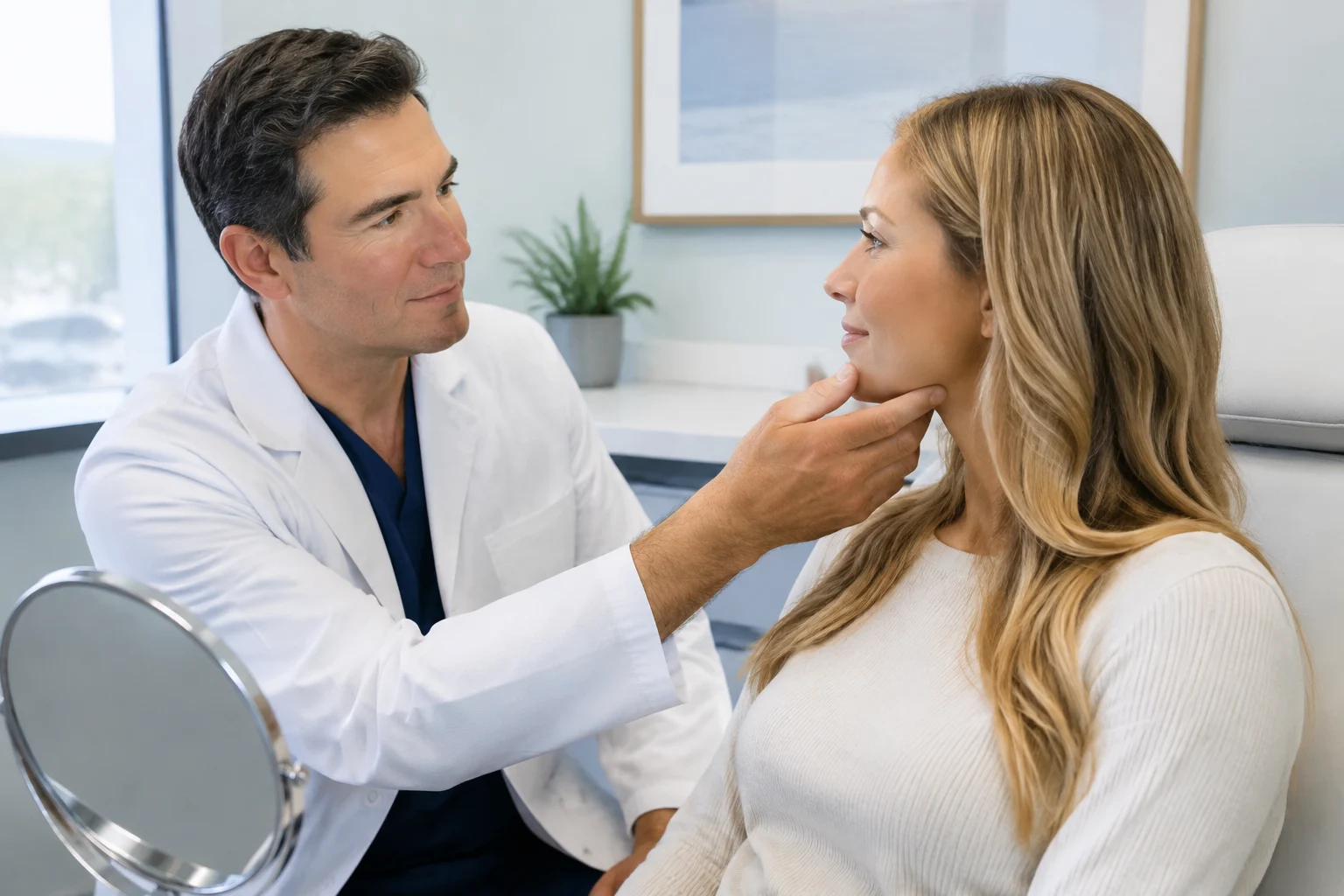
Finding plastic surgery care near Paloma Creek
People in Paloma Creek can begin by searching for plastic surgeons who serve the community and nearby areas of North Texas. Because a practice may not be located within the neighborhood itself, check where consultations, procedures, and follow-up visits take place before making a decision. Consider the time and transportation involved, especially if you may need someone to drive you home after surgery or help during early recovery.
Use professional directories, health plan resources, and practice websites to build a shortlist. Verify that a surgeon is appropriately licensed and has relevant training and experience for the procedure or concern you want to discuss. For cosmetic surgery, ask whether the surgeon is certified by a recognized plastic surgery board and whether the facility is accredited or otherwise appropriately credentialed for the planned procedure. Confirm details directly with the practice and relevant organizations; online descriptions alone may not answer every question.
What to expect from a consultation
A consultation is an opportunity to explain what you hope to address, discuss your medical history, and learn about suitable options. A surgeon should evaluate your circumstances rather than promise a particular result. They may explain whether a procedure is appropriate, outline nonsurgical or reconstructive alternatives, and recommend that you seek another specialist’s input when needed. Bring a list of medications, supplements, prior procedures, allergies, and questions. Be open about smoking, health conditions, and your recovery support, since these factors can affect treatment planning.
Ask for a clear discussion of potential benefits and limitations, anesthesia, risks, recovery time, follow-up care, and what to do if a concern arises after treatment. Request an explanation of fees, including facility, anesthesia, garment, medication, and follow-up costs where applicable. Insurance coverage depends on the reason for care and the plan’s rules; cosmetic procedures are often treated differently from medically necessary reconstructive care. Contact your insurer and the provider to understand coverage and authorization requirements before scheduling.
Comparing providers and treatment options
Comparing more than one qualified surgeon can help you make an informed choice. Look for clear answers, realistic expectations, and a willingness to discuss risks without pressure. You should feel comfortable asking how often the surgeon performs the procedure, what outcomes are reasonable for your situation, and who will provide care at each stage. Be cautious of offers that rely on urgency, guaranteed results, or unusually low prices without a transparent explanation of what is included.
- Confirm credentials, relevant experience, and the setting where care will be provided.
- Ask who will handle anesthesia, recovery monitoring, and follow-up appointments.
- Understand possible complications, recovery restrictions, and emergency instructions.
- Request an itemized estimate and check insurance or payment questions in advance.
- Allow time to consider your options and seek another opinion if you are uncertain.
Planning travel and recovery from Paloma Creek
When comparing practices, factor in the full journey from Paloma Creek rather than only the consultation. Ask how many in-person visits are expected, whether any follow-up can be handled remotely when clinically appropriate, and how the office supports patients who live outside the immediate area. After surgery, you may need a responsible adult to accompany you, transportation arranged in advance, and a suitable place to rest. Follow the surgeon’s specific instructions about activity, wound care, medications, and return visits.
Plastic surgery is not right for everyone, and no procedure can guarantee a specific appearance or outcome. A qualified clinician can help you weigh likely benefits against risks and discuss alternatives, including choosing no treatment. Take the time you need to make a decision based on accurate information and your own priorities. If you have an urgent medical problem, use appropriate emergency services rather than waiting for a routine consultation.
Planning Plastic Surgery Care from Paloma Creek
Paloma Creek residents may need to compare providers across the wider North Texas area to find a plastic surgeon whose qualifications, services, and appointment arrangements fit their needs. Since the right provider may not be in the immediate neighborhood, confirm the practice location and plan for consultation, procedure, and follow-up travel before committing. For surgery, ask about transportation and whether a support person will be needed on the day of treatment or during recovery. These practical details can make care easier to coordinate with work, family responsibilities, and other commitments.
The area’s suburban setting makes thoughtful planning especially useful when appointments or recovery visits involve travel beyond home. Use your insurer’s directory if coverage may apply, and verify benefits directly with the plan and the provider. When considering cosmetic or reconstructive treatment, focus on relevant credentials, a careful evaluation, straightforward communication, and realistic expectations—not simply convenience or promotional claims. A consultation can clarify whether a treatment is suitable and what recovery could involve. Residents should feel free to ask questions, compare qualified options, and take time before deciding. Choosing a surgeon and care setting carefully supports informed decisions and a more organized treatment experience, while individual results and recommendations always depend on a clinician’s assessment.
Frequently Asked Questions About Plastic Surgeon in Paloma Creek, Texas
What should I discuss during a plastic surgery consultation near Paloma Creek?
Use the consultation to explain what you hope to change, your health history, medications, allergies, and any prior procedures. Ask which options may fit your goals, what limitations apply, where care would take place, and who will manage follow-up. It is also reasonable to ask about the surgeon’s training and experience with the specific procedure. Bring questions and take time to consider the information before deciding; a consultation should help you make an informed choice, not pressure you.
How can I tell whether I am a good candidate for a cosmetic procedure?
Suitability depends on the procedure, your overall health, anatomy, expectations, and personal reasons for considering treatment. A plastic surgeon can review these factors and explain potential benefits, risks, alternatives, and limitations. Be prepared to discuss conditions such as diabetes or heart disease, smoking or nicotine use, medications, and previous operations, since they may affect planning or healing. A responsible assessment may also conclude that a different approach—or no procedure—is the safer choice.
What is the difference between cosmetic and reconstructive plastic surgery?
Cosmetic surgery is generally chosen to change or refine appearance, while reconstructive surgery aims to restore form or function affected by injury, illness, a congenital condition, or another medical issue. Some procedures can serve both purposes, so the distinction may depend on the reason for treatment and your individual circumstances. If you are unsure which category applies, describe your concern to the surgeon and ask how it may affect treatment planning, documentation, and possible insurance review.
How should I plan for recovery after plastic surgery?
Recovery varies with the procedure, your health, and how your body heals. Before scheduling, ask for a written plan covering wound care, activity limits, medication instructions, follow-up visits, and signs that need prompt medical attention. Arrange help at home and transportation if your care team advises it, and avoid assuming you can return to work or exercise on a fixed timetable. Follow your surgeon’s individualized instructions and contact the care team if recovery concerns arise.
Will health insurance cover plastic surgery in Texas?
Coverage usually depends on why the procedure is recommended, the terms of your specific plan, and any required documentation or approval. Procedures performed solely to change appearance are often treated differently from care intended to address a medical or functional problem, but coverage decisions are plan-specific. Ask the surgeon’s office what records may be available, then confirm benefits, exclusions, and authorization requirements directly with your insurer before committing to treatment. Request an estimate of any costs you may owe.
What risks should I understand before choosing a plastic surgery procedure?
Every operation has potential risks, and the type and likelihood vary by procedure and personal health factors. Ask the surgeon to explain risks such as bleeding, infection, anesthesia-related complications, scarring, changes in sensation, healing problems, or the possibility of revision where relevant. Discuss how risks may be reduced and what care is available if a complication occurs. Make sure you understand the alternatives and expected recovery as well as the hoped-for result before giving consent.
How can I compare plastic surgeons when considering care from Paloma Creek?
Compare surgeons based on relevant education and training, experience with the procedure you are considering, communication, and the setting where surgery would occur. Ask who provides anesthesia, who handles follow-up, and how urgent concerns are addressed. You can independently verify credentials through appropriate official sources and seek another opinion if you remain uncertain. A clear explanation of risks, alternatives, and realistic expectations is more useful than choosing based only on photographs or promotional claims.
Can a plastic surgeon help if I am uncertain which procedure I need?
Yes. You can begin with the concern or change you hope to address rather than arriving with a specific operation in mind. The surgeon can assess your goals and explain whether surgery, a nonsurgical option, or no treatment may be appropriate. Ask what each option can and cannot accomplish, how results may vary, and what recovery involves. If you feel rushed or your questions are not answered, take time to reflect or seek another professional opinion.